
Navigating the landscape of government assistance programs can often feel complex, but understanding how to access your benefits, especially EBT cash, is a crucial step towards financial stability. EBT (Electronic Benefits Transfer) cards are the primary method for states to distribute food and cash assistance to eligible individuals and families. While many are familiar with using EBT for food purchases via the Supplemental Nutrition Assistance Program (SNAP), the cash assistance component, often distributed through Temporary Assistance for Needy Families (TANF) or similar state programs, operates differently and offers greater flexibility.
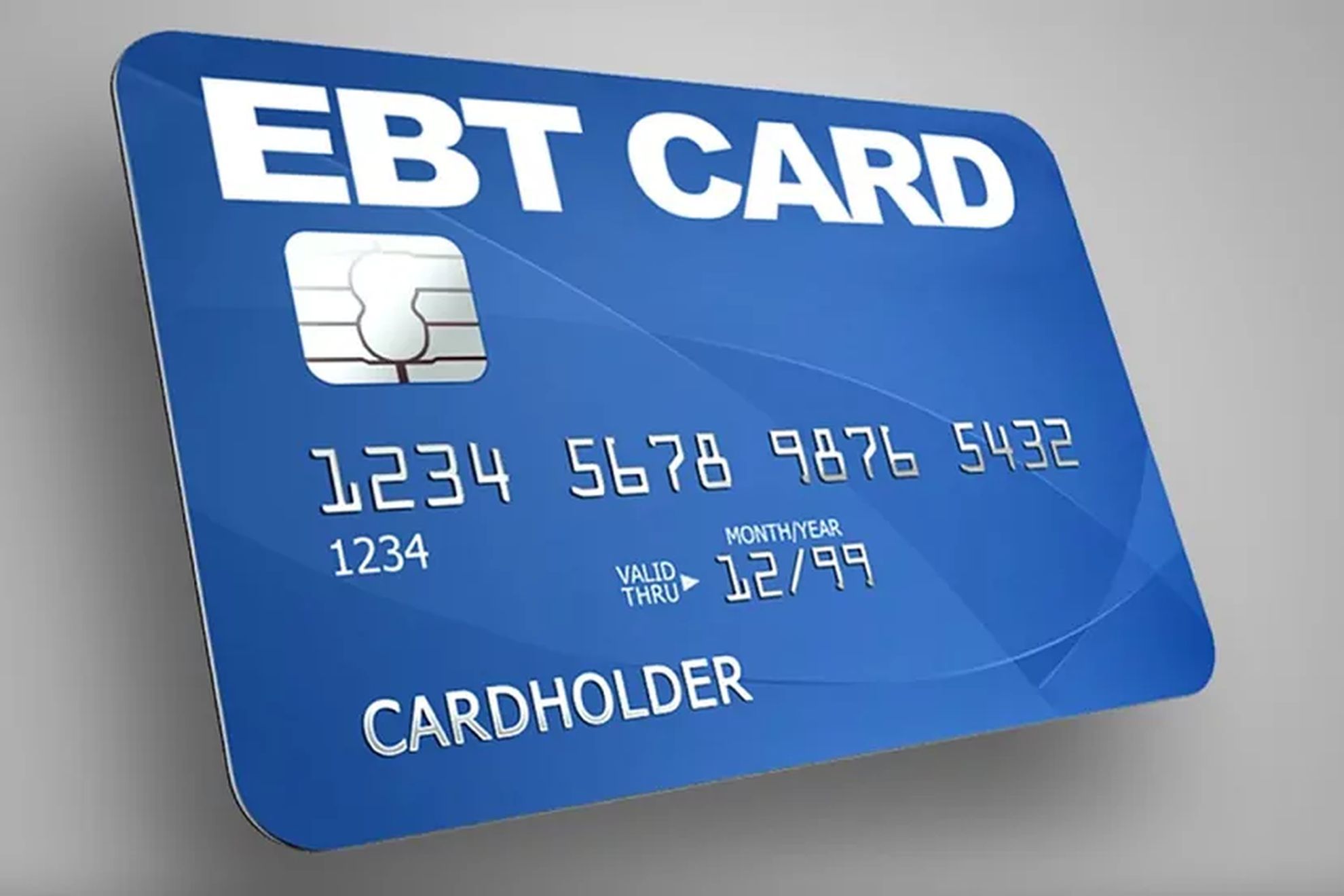
This guide aims to demystify the process of withdrawing EBT cash. We’ll cover everything from understanding the nature of these benefits and how to identify EBT-friendly access points, to best practices for managing your funds securely and efficiently. By the end of this article, you will have a clear, actionable understanding of how to confidently access and utilize your EBT cash benefits.
Understanding Your EBT Cash Benefits
Before delving into the mechanics of withdrawal, it’s essential to grasp what EBT cash benefits entail, how they differ from other EBT benefits, and what they are intended for. This foundational knowledge empowers you to use your card effectively and avoid potential pitfalls.
What is EBT Cash and How Does It Differ?
EBT is a system that allows state welfare agencies to provide benefits electronically via a debit-card-like system. While many people primarily associate EBT with SNAP benefits (formerly known as food stamps), which are exclusively for purchasing eligible food items, EBT cards can also carry a separate pool of funds designated as “cash benefits.” These cash benefits are typically issued through programs like TANF (Temporary Assistance for Needy Families), General Assistance, or state-specific initiatives.
The fundamental difference lies in their permissible use. SNAP benefits are restricted to food purchases at authorized retailers. EBT cash benefits, on the other hand, are much more versatile, functioning akin to money in a traditional bank account. They can be used to purchase non-food items, pay bills, or be withdrawn as physical cash. Your EBT card typically has two separate accounts – one for SNAP and one for cash – and the system automatically deducts from the correct account based on the transaction type and merchant. It’s vital to know your account balances for both to manage them effectively.
Eligibility and Purpose of Cash Benefits
Eligibility for EBT cash benefits is determined by your state’s specific criteria, which typically include income thresholds, household size, and sometimes work requirements or participation in job training programs. These benefits are designed to provide temporary financial assistance to low-income families and individuals, helping them cover essential non-food expenses.
The purpose of EBT cash is broad:
-
Non-food necessities: This includes items like toiletries, cleaning supplies, diapers, and clothing.
-
Housing and utilities: Funds can be used to pay rent, mortgage, electricity, gas, and water bills.
-
Transportation: Covering costs for public transport, gas, or vehicle maintenance.
-
Healthcare costs: Co-pays for doctor visits, prescription medications not covered by insurance.
-
Other essential needs: Anything that a household needs to function, beyond food.
Understanding this versatility is key to appreciating the value and flexibility that EBT cash benefits offer in managing a household budget.
Your EBT Card: The Gateway to Funds
Your EBT card itself is the physical tool that grants you access to both your SNAP and cash benefits. It functions similarly to a standard debit card, requiring a Personal Identification Number (PIN) for all transactions to ensure security. Each card is linked to a specific account managed by your state’s benefits agency. Familiarizing yourself with your card, its associated PIN, and how to check your balance are the first steps toward responsible financial management. Most states offer a toll-free customer service number on the back of the card, allowing you to check balances, review recent transactions, or report a lost or stolen card. Some states also provide online portals or mobile apps for convenient account management.
Step-by-Step Guide to Withdrawing EBT Cash
Once you understand your benefits, the next practical step is to learn how to access your cash. There are several primary methods for withdrawing EBT cash, each with its own nuances and considerations.
Locating EBT-Accepting ATMs
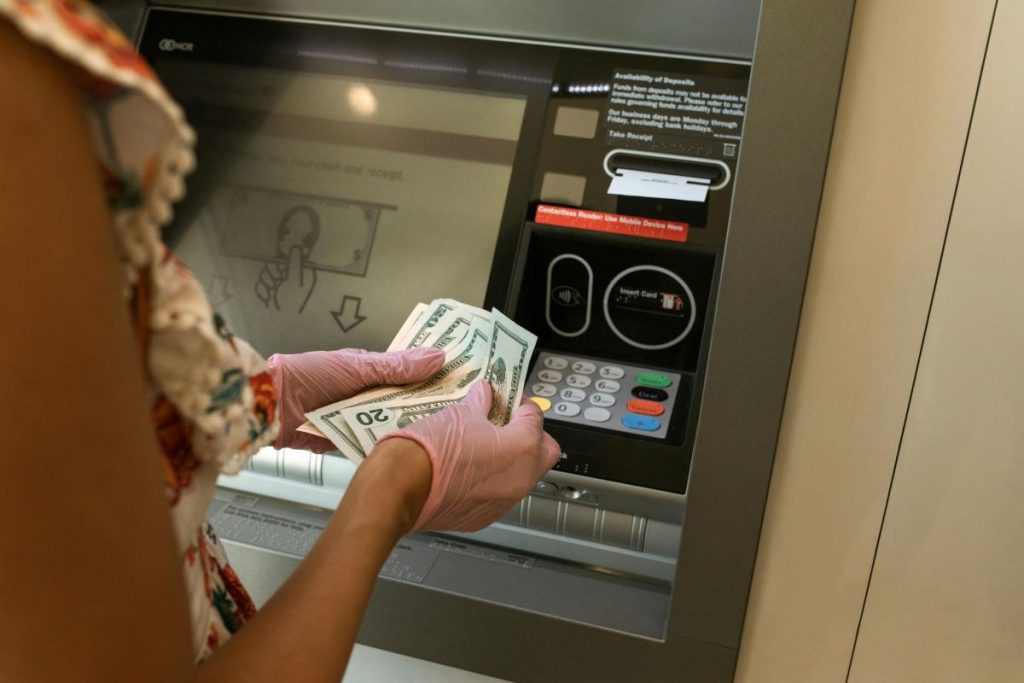
The most common method for withdrawing EBT cash is through an Automated Teller Machine (ATM). Your EBT card can be used at most ATMs that display the Quest® logo, which is the national EBT symbol, or the logos of major card networks like Visa, MasterCard, or Plus. It’s important to note that not all ATMs are created equal when it comes to EBT. While many ATMs will accept the card, not all banks participate in the surcharge-free Quest network for EBT.
To withdraw cash:
-
Find a compatible ATM: Look for the Quest logo or other major network logos. Your state’s EBT website or customer service line may also offer an ATM locator tool. Many large grocery store chains or discount retailers often have ATMs that accept EBT cards.
-
Insert your EBT card: Just like a regular debit card.
-
Enter your PIN: Your four-digit Personal Identification Number.
-
Select “Withdrawal” and then “Checking” or “Cash Benefits”: EBT cash benefits are typically processed as a checking account withdrawal.
-
Enter the desired amount: Be mindful of daily withdrawal limits imposed by your state or the ATM itself.
-
Confirm the transaction: Take your cash, card, and receipt. Keep the receipt for your records.
Be aware of potential ATM fees. While some ATMs are surcharge-free for EBT transactions, others may charge a fee. Your state may also impose limits on the number of free ATM withdrawals you can make within a month before additional fees are incurred.
In-Store Cash Back Options at POS Terminals
Another convenient way to access your EBT cash is by requesting cash back at participating retail locations. Many grocery stores, discount stores, and even some pharmacies offer this service at the point-of-sale (POS) terminal during a purchase. This method can often help you avoid ATM fees.
Here’s how it works:
-
Make a purchase: You typically need to buy an item, even a small one, to initiate a cash back transaction.
-
Swipe your EBT card: At the checkout register.
-
Enter your PIN: As prompted by the POS terminal.
-
Select “Cash Back”: The cashier or terminal will prompt you to choose “Cash Back” or ask if you want cash back.
-
Enter the cash amount: Specify how much cash you want to receive.
-
Complete the transaction: The amount of your purchase plus the cash back amount will be deducted from your EBT cash balance. The cashier will then hand you the requested cash.
It’s crucial to understand that not all stores offer cash back, and those that do may have daily or transaction limits on the amount of cash you can receive. Always ask the cashier beforehand if they provide EBT cash back and what their limits are.
Using Your Card at Bank Branches
In some states and with certain EBT systems, it may be possible to withdraw cash directly over the counter at a bank branch. This option is less common than ATM or cash back, and its availability often depends on the specific bank’s policies and the state’s EBT processor.
If this option is available in your area:
-
Identify participating banks: Check with your state’s EBT customer service or website to see if any banks allow over-the-counter withdrawals for EBT cash.
-
Go to the teller: Present your EBT card and a valid form of photo identification (like a driver’s license or state ID).
-
Request a cash withdrawal: Inform the teller you wish to withdraw cash from your EBT account.
-
Enter your PIN: The teller may ask you to enter your PIN on a pad for verification.
-
Receive your cash: The teller will provide the requested funds.
This method can be useful if you need a larger sum of cash than an ATM or store cash back service allows, or if you prefer a face-to-face transaction. However, always confirm availability beforehand to avoid wasted trips.
Navigating Common Challenges and Best Practices
While withdrawing EBT cash is generally straightforward, users can encounter specific challenges. Understanding these and adopting best practices can help ensure smooth and secure access to your funds.
Understanding Fees and Surcharges
Fees are a primary concern when withdrawing EBT cash. As mentioned, many ATMs, especially those not part of the Quest network or directly affiliated with the state’s EBT system, may charge a transaction fee (surcharge). Your state may also have policies regarding the number of “free” ATM withdrawals allowed per month, after which a state-imposed fee might apply.
To minimize fees:
-
Use ATMs with Quest or surcharge-free logos: Prioritize these machines.
-
Utilize cash back at stores: This is often the most cost-effective way to get cash as it typically incurs no fees.
-
Check your state’s EBT rules: Understand your monthly allowance for free ATM transactions.
-
Plan your withdrawals: Consolidate your cash needs into fewer, larger withdrawals to avoid multiple transaction fees.
Security Tips for Your EBT Card
Protecting your EBT card and PIN is paramount to safeguarding your benefits. Treat your EBT card like a debit card and your PIN like a secret.
Key security practices:
-
Memorize your PIN: Never write it down, especially not on the card itself.
-
Keep your PIN confidential: Do not share it with anyone, even family members or people claiming to be EBT officials. EBT agencies will never ask for your PIN.
-
Guard your card: Keep it in a safe place, just like a credit or debit card.
-
Report lost or stolen cards immediately: Call the customer service number on the back of your card or your state’s EBT helpline. Prompt reporting is crucial to prevent unauthorized use.
-
Check your balance and transaction history regularly: This helps you identify any suspicious activity or unauthorized withdrawals promptly.
-
Be cautious at ATMs: Look for tampering devices (skimmers) on card readers or cameras. Cover the keypad when entering your PIN.
Transaction Limits and Daily Caps
Both states and individual ATMs can impose limits on how much cash you can withdraw per transaction or per day. These limits vary widely. For instance, an ATM might have a maximum withdrawal of $200-$300 per transaction, even if your state allows a higher daily limit. Your state might impose a daily or monthly limit on EBT cash withdrawals to prevent misuse.
To manage limits effectively:
-
Know your state’s limits: Consult your state EBT website or customer service.
-
Be aware of ATM limits: If you need a large amount, you might need to use multiple ATMs or make multiple transactions over several days, incurring more fees.
-
Consider bank branch withdrawals: If available, this option often has higher limits.
-
Plan accordingly: If you have a specific bill due, ensure you can access the necessary cash amount within the applicable limits and timeframe.
Troubleshooting Common Issues
Despite best efforts, you might encounter issues.
-
Card Declined: Check your balance first. Ensure you have sufficient funds in your cash account. If funds are available, try a different ATM or retailer. Your card might also be expired or inactive; contact customer service.
-
ATM Doesn’t Dispense Cash: If the ATM debits your account but doesn’t give you cash, immediately make a note of the ATM location, time, and amount. Report the issue to the ATM operator (bank) and your EBT customer service. Keep any receipts.
-
Lost/Stolen Card: Report it immediately to freeze the account and prevent further unauthorized transactions. A replacement card will be issued, but it may take several days to arrive.
Maximizing Your EBT Cash Benefits
Accessing your EBT cash is just one part of the equation; effectively managing these funds is equally important for your financial well-being.
Budgeting and Financial Planning
EBT cash benefits are a valuable resource, and treating them with a robust financial strategy can make a significant difference.
-
Create a budget: Allocate your EBT cash to specific categories like rent, utilities, transportation, and other necessities.
-
Track your spending: Monitor where your money goes. This helps identify areas for potential savings and ensures you don’t overspend.
-
Prioritize essential expenses: Ensure critical bills are paid first.
-
Emergency fund (if possible): While EBT cash is for immediate needs, any residual ability to save, even small amounts, can build a buffer.
Distinguishing EBT Cash from SNAP
A common mistake is confusing EBT cash benefits with SNAP benefits. Always remember:
-
SNAP: For food only. Cannot be withdrawn as cash.
-
EBT Cash: Can be used for non-food items, bills, or withdrawn as physical currency.
When shopping, if you have both types of benefits, your EBT card will usually prompt you to select which benefit type to use if the purchase includes both food and non-food items, or if you request cash back. Being mindful of these distinctions prevents accidental misuse or depletion of funds designated for specific purposes.
Long-Term Financial Stability
While EBT cash provides immediate relief, it’s often a temporary bridge. Using these benefits wisely can support your journey toward greater financial independence. Consider leveraging these funds to invest in resources that improve your long-term outlook:
-
Job training: If allowed and applicable, use funds for transportation or materials for educational or job-seeking activities.
-
Debt reduction: If you have high-interest debt, using EBT cash to cover basic needs frees up other income to tackle debt.
-
Building savings: Even small, consistent savings can help reduce reliance on future assistance.
Think of EBT cash as a tool that provides breathing room, allowing you to focus on bigger financial goals without the immediate pressure of basic necessities.

Conclusion
Accessing your EBT cash benefits is a vital component of managing your household finances when enrolled in assistance programs. By understanding the nature of these benefits, knowing where and how to withdraw funds, and adhering to best security practices, you can ensure a smooth and effective experience. Always remember to check your balances, be aware of fees and limits, and never compromise your PIN.
EBT cash is more than just money; it’s a lifeline designed to help you meet essential needs and build a foundation for greater financial stability. Armed with the knowledge in this guide, you are now better equipped to confidently navigate the process and maximize the value of your benefits, contributing to a more secure financial future.
aViewFromTheCave is a participant in the Amazon Services LLC Associates Program, an affiliate advertising program designed to provide a means for sites to earn advertising fees by advertising and linking to Amazon.com. Amazon, the Amazon logo, AmazonSupply, and the AmazonSupply logo are trademarks of Amazon.com, Inc. or its affiliates. As an Amazon Associate we earn affiliate commissions from qualifying purchases.