
The Electronic Benefits Transfer (EBT) card is a cornerstone of financial support for millions, providing a crucial lifeline for purchasing food and, in some cases, accessing cash assistance. Understanding how to effectively and legitimately “take money off” your EBT card is fundamental to managing your household finances and maximizing the benefits provided. This comprehensive guide delves into the practical aspects of utilizing your EBT card, offering insights into its various functions, legitimate access methods, and best practices for secure and efficient use within the broader context of personal financial management.
For many, an EBT card represents more than just a piece of plastic; it symbolizes access to essential resources that foster financial stability and well-being. Administered by state agencies, EBT cards are the primary method for delivering benefits from programs such as the Supplemental Nutrition Assistance Program (SNAP) and Temporary Assistance for Needy Families (TANF). While the core purpose of an EBT card is straightforward—to facilitate benefit distribution—its operational nuances, from understanding different benefit types to navigating transaction processes, require clear guidance. This article aims to demystify these processes, empowering cardholders with the knowledge to utilize their EBT benefits wisely and securely, ensuring they can confidently access the support they need when they need it.
Understanding Your EBT Card and Its Purpose
The EBT card serves as a digital gateway to government assistance programs, primarily designed to help eligible individuals and families meet their basic needs. Grasping the fundamentals of what an EBT card is and how it functions is the first step toward effective financial management using this tool.
What is an EBT Card?
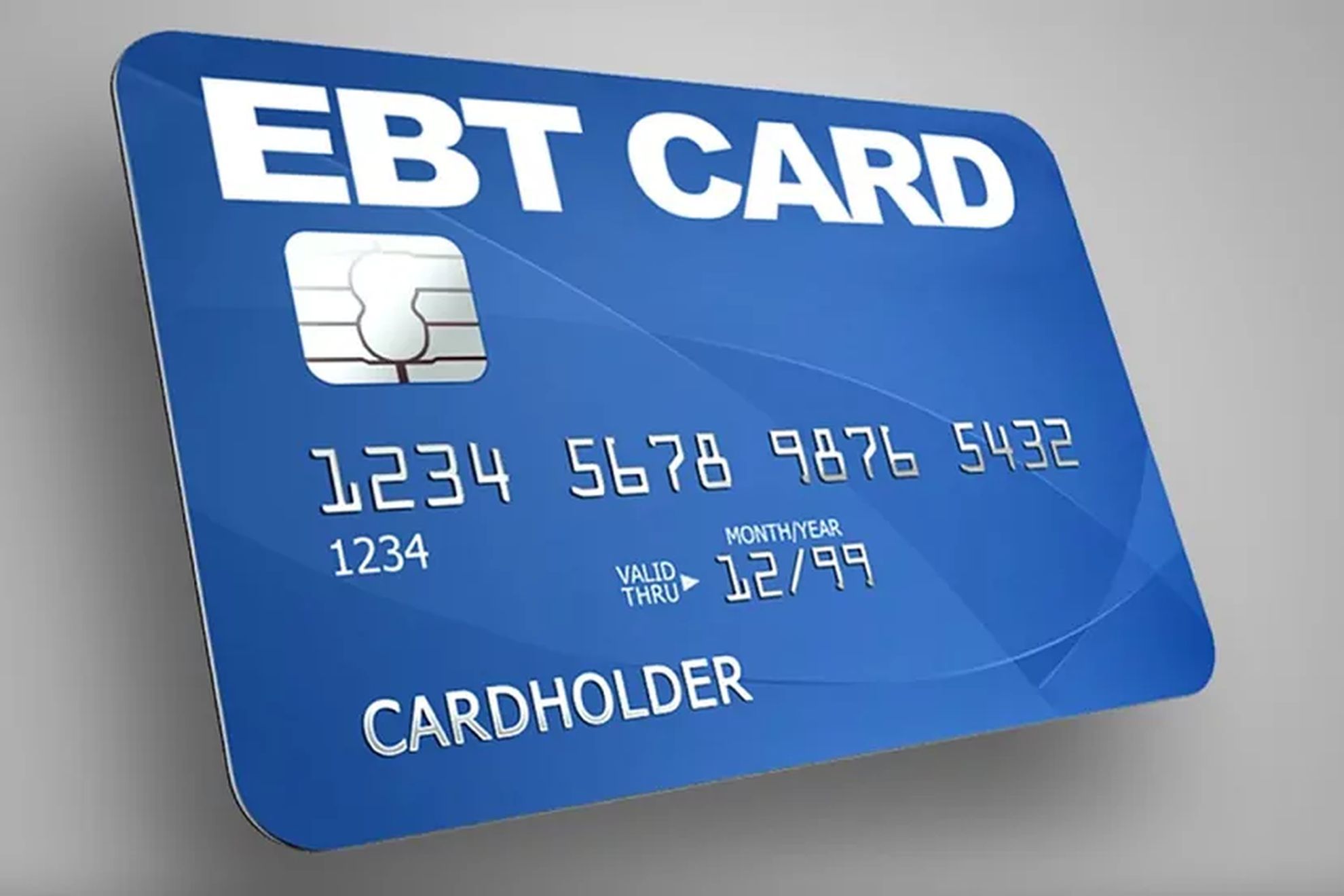
An EBT card functions much like a debit card but is specifically loaded with government benefits. Instead of linking to a bank account, it connects to an account managed by the state, where your allocated SNAP and/or TANF benefits are deposited. SNAP benefits are exclusively for food purchases, whereas TANF (cash assistance) benefits can be used for a broader range of needs. The system provides a discreet and efficient way for beneficiaries to access their aid without the stigma often associated with older paper voucher systems. Each state has its own specific EBT system, though the core functionality remains consistent across the nation. This digital delivery method enhances security, reduces administrative costs, and offers greater convenience for recipients. It’s important to note that EBT cards are not credit cards; they draw directly from your available balance of benefits, meaning you cannot overspend or incur debt using the card.
Key Features and Benefits
The primary benefit of the EBT system is its ease of use and widespread acceptance. EBT cards are accepted at most grocery stores, supermarkets, farmers markets, and even some online retailers across the country that display the Quest® logo. This ubiquitous acceptance ensures that beneficiaries can purchase nutritious food and essential items where they typically shop. Another key feature is the ability to check your balance easily, either through transaction receipts, online portals, or automated phone lines, promoting transparency and helping with budgeting. For those receiving TANF benefits, the EBT card provides access to cash, offering flexibility for expenses like rent, utilities, transportation, or personal care items that cannot be purchased with SNAP benefits. The convenience of a single card for multiple benefit types simplifies financial management for many households, reducing the need to carry cash and offering a safer alternative for transactions.
Differentiating SNAP and Cash Benefits
It’s crucial for cardholders to understand the distinction between SNAP (food stamps) and cash benefits (like TANF). While both are typically loaded onto the same EBT card, they are maintained in separate electronic accounts and have different usage rules. SNAP benefits can only be used to purchase eligible food items, such as fruits, vegetables, meat, dairy products, and bread. They cannot be used for hot foods, alcohol, tobacco, non-food items like pet food, or household supplies. Cash benefits, on the other hand, are more versatile and can be used to withdraw cash from ATMs or make purchases at point-of-sale (POS) terminals for a wider array of goods and services. Understanding this distinction is vital for proper financial planning and to avoid transaction declines when attempting to use the card. Misusing SNAP benefits for non-food items, even accidentally, can lead to transaction issues and potentially raise flags with benefit administrators.
Legitimate Ways to Access Funds from Your EBT Card
Accessing funds from your EBT card is designed to be straightforward, leveraging existing retail and banking infrastructure. However, the methods vary depending on whether you are using SNAP (food) benefits or cash (TANF) benefits.
Using Your EBT Card at Authorized Retailers
The most common and primary way to “take money off” your EBT card for food purchases is by using it at authorized retail locations. This includes grocery stores, supermarkets, convenience stores, and farmers markets that display the Quest® logo or a sign indicating EBT acceptance. The process is similar to using a debit card:
-
Swipe/Insert/Tap: Present your EBT card at the checkout terminal.
-
Select EBT/Food Stamps: When prompted, select “EBT” or “Food Stamps” as your payment method.
-
Enter PIN: Enter your four-digit Personal Identification Number (PIN) to authorize the transaction.
-
Confirm Purchase: The amount for eligible food items will be deducted from your SNAP balance. Your receipt will show your remaining balance.
It’s important to separate eligible food items from non-eligible items (like paper towels or soap) if you intend to pay for both in one transaction, as the EBT system will only approve the food portion. You would then need a separate payment method for the non-food items.
Cash Benefits (TANF) and ATM Withdrawals
For individuals receiving cash assistance (such as TANF), your EBT card functions like a debit card for cash withdrawals. You can withdraw cash from ATMs that display the Quest® logo, as well as Visa, MasterCard, or Plus network logos, depending on your state’s EBT processor.
-
Insert Card: Insert your EBT card into an ATM.
-
Enter PIN: Enter your PIN.
-
Select “Withdrawal” and “Checking”: Choose “Withdrawal” and then select “Checking” or “Cash Benefits” when prompted, as this is typically how cash benefits are categorized in the system.
-
Enter Amount: Input the desired cash amount.
-
Collect Cash: Take your cash and receipt.
Be aware that some ATMs may charge a surcharge fee for withdrawals, which would be deducted from your cash benefit balance. While states generally limit or waive these fees for a certain number of EBT transactions, it’s wise to check your state’s specific rules and try to use fee-free ATMs if possible. Also, many states impose daily limits on cash withdrawals, so planning your access to funds is advisable.
Online Shopping with EBT
The advent of online grocery shopping has extended the utility of EBT cards. Many major online retailers, including Amazon, Walmart, and Instacart, now accept SNAP EBT for eligible food purchases. The process usually involves:
-
Add EBT as Payment: Link your EBT card to your online grocery account.
-
Select Eligible Items: Add groceries to your cart. The system automatically identifies SNAP-eligible items.
-
Checkout: During checkout, select your EBT card as the payment method for eligible items. You may need a separate payment method for delivery fees or non-eligible items.
-
Enter PIN: You will typically be prompted to enter your EBT PIN to authorize the transaction.
This method provides convenience for beneficiaries, especially those with transportation challenges, disabilities, or limited access to physical grocery stores. However, cash benefits cannot typically be used for online purchases directly for non-food items, only for cash withdrawals.

In-Store Cash Back Options
For those with cash benefits, another way to access funds is through cash back at participating retail locations. Many grocery stores and other merchants offer cash back at the point of sale with a purchase.
-
Make a Purchase: Buy an item using your cash EBT benefits (this may be required in some places, while others allow cash back without a purchase).
-
Request Cash Back: When prompted by the cashier or POS terminal, select the “Cash Back” option and enter the desired amount.
-
Enter PIN: Authorize the transaction with your PIN.
This method can be advantageous as it often avoids ATM fees. However, not all retailers offer this service, and there may be limits on the amount of cash back you can receive in a single transaction. Always confirm with the retailer before attempting a cash back transaction.
Managing Your EBT Funds Effectively
Beyond simply accessing benefits, effective management of your EBT funds is a crucial aspect of overall personal finance. This includes monitoring balances, budgeting, and understanding limitations to ensure you make the most of your assistance.
Monitoring Your EBT Balance
Regularly checking your EBT balance is paramount to avoid declined transactions and to plan your spending. There are several convenient ways to do this:
-
Transaction Receipts: After every transaction, your receipt should show your remaining EBT balance for both SNAP and cash benefits.
-
Online EBT Portal: Most states offer an online portal where you can log in with your card number and PIN to view your balance, transaction history, and benefit issuance dates.
-
Customer Service Hotline: The toll-free customer service number on the back of your EBT card allows you to check your balance via an automated system or by speaking with a representative.
-
EBT Mobile Apps: Some states or EBT processors provide dedicated mobile applications for easier balance checking and transaction tracking.
Consistent monitoring helps in budgeting, preventing overspending, and detecting any unauthorized activity early. It integrates the EBT card into a broader financial tracking system, giving you a clearer picture of your available resources.
Budgeting with EBT Funds
Integrating your EBT benefits into a comprehensive household budget is a smart financial practice. Treat your EBT allocations as a fixed income stream for food and, if applicable, a portion of your discretionary or essential cash expenses.
-
Allocate SNAP: Determine how much of your monthly SNAP benefits you typically spend on different food categories (e.g., groceries, fresh produce). Plan your grocery trips to align with your benefit cycle.
-
Allocate Cash Benefits: If you receive cash assistance, categorize how these funds will be used for rent, utilities, transportation, personal care, or other necessities.
-
Track Spending: Keep a record of your EBT expenditures, comparing them against your planned budget. This helps identify areas where you might adjust spending or find more economical options.
-
Meal Planning: For SNAP benefits, meal planning can significantly extend the life of your benefits and ensure healthier eating. Plan meals around sales and what’s in season to maximize purchasing power.
Effective budgeting transforms your EBT card from a simple spending tool into a strategic component of your financial stability, allowing you to stretch your benefits further and manage your resources more effectively.
Understanding Transaction Limits and Fees
While EBT cards offer flexibility, it’s important to be aware of potential limitations and fees, especially for cash withdrawals.
-
Daily ATM Withdrawal Limits: Most states impose daily limits on the amount of cash you can withdraw from ATMs using your EBT cash benefits. These limits vary by state and are designed to prevent large, single withdrawals.
-
ATM Surcharge Fees: Many privately owned ATMs charge a fee for withdrawals. While some states allow a certain number of fee-free withdrawals, exceeding this or using non-network ATMs can incur charges that reduce your available cash benefit. Always check for fee disclosures at the ATM.
-
POS Transaction Limits: While less common for SNAP purchases, some retailers might have internal limits on the number of EBT transactions or the maximum amount per transaction for cash benefits.
-
Benefit Expiration: In most states, SNAP benefits expire if not used within a certain period (e.g., 90 days). Cash benefits may also have expiration rules, though typically longer. Unused benefits may be removed from your card.
Understanding these limits and fees helps you make informed decisions about when and where to access your funds, potentially saving you money and ensuring your benefits are available when needed.
Protecting Your EBT Card and Benefits
Safeguarding your EBT card and the benefits loaded onto it is crucial for maintaining your financial security. Like any financial instrument, EBT cards are vulnerable to fraud and misuse if not handled carefully.
Safeguarding Your PIN and Card Information
Your Personal Identification Number (PIN) is the key to your EBT benefits. Protecting it is the most critical step in securing your funds.
-
Keep Your PIN Secret: Never share your PIN with anyone, including family members, friends, or even individuals claiming to be from EBT or government agencies. Legitimate officials will never ask for your PIN.
-
Choose a Strong PIN: Avoid easily guessable PINs like birthdays, anniversaries, or sequences (e.g., 1234). Opt for a random four-digit number.
-
Memorize Your PIN: Do not write your PIN on your card, card sleeve, or any other document that could be lost or stolen.
-
Cover Your Hand: When entering your PIN at a POS terminal or ATM, always shield the keypad with your other hand to prevent “shoulder surfing.”
-
Be Wary of Skimmers: Before using an ATM or POS terminal, visually inspect it for any unusual attachments or loose parts that could be a “skimmer” device designed to steal card information. If something looks suspicious, do not use it.
By diligently protecting your PIN, you significantly reduce the risk of unauthorized access to your EBT benefits, which could leave you without essential funds for food or other necessities.
Recognizing and Avoiding Scams
EBT cardholders are sometimes targeted by scammers attempting to steal benefits. Awareness of common scam tactics is your best defense.
-
Phishing Attempts: Be suspicious of unsolicited calls, texts, or emails asking for your EBT card number, PIN, Social Security number, or other personal information. Government agencies typically do not request this sensitive information via these channels.
-
Fake Websites/Links: Never click on suspicious links claiming to be from your EBT provider. Always navigate directly to official government websites if you need to access your EBT account online.
-
Social Engineering: Scammers might pose as EBT officials, bank employees, or even retailers, using persuasive language to trick you into revealing your information. Remember, official entities will not ask for your PIN.
-
Card Skimming/Cloning: As mentioned, be vigilant for physical skimmers on ATMs or card readers. Fraudsters can also clone cards using stolen data. If your card feels unusually loose or sticky in a reader, it could be compromised.
If you suspect a scam, do not engage, and report it immediately to your state’s EBT customer service and local law enforcement. Prompt action can prevent loss of benefits and help authorities track down perpetrators.
Reporting Fraud or Misuse
If you believe your EBT card has been compromised, your benefits have been stolen, or you’ve been a victim of a scam, immediate action is essential.
-
Report the Card Stolen/Lost: Contact your state’s EBT customer service hotline (the number is usually on the back of your card) immediately to report your card as lost, stolen, or compromised. This will typically result in the card being deactivated to prevent further unauthorized use.
-
Request a New Card: Follow the instructions to request a replacement EBT card. It usually takes several business days for a new card to arrive by mail.
-
File a Fraud Report: Inquire about the process for filing a fraud report with your state’s EBT agency. This often involves completing a specific form and providing details of the suspicious transactions.
-
Contact Law Enforcement: For significant losses or if you have specific information about the perpetrators, consider filing a police report.
While recovering stolen EBT benefits can be challenging and varies by state policy (especially for cash benefits), reporting the incident promptly is critical. It helps protect other beneficiaries and contributes to efforts to combat fraud within the EBT system. Your proactive steps contribute not only to your own security but also to the integrity of the benefits program for all who rely on it.

Conclusion
Effectively managing and accessing funds from your EBT card is a critical aspect of personal financial stability for many individuals and families. By understanding the core distinctions between SNAP and cash benefits, utilizing legitimate access methods, and adhering to best practices for security and budgeting, cardholders can maximize the impact of their assistance. The EBT system, while designed for simplicity, requires informed usage to navigate its nuances successfully.
From swiping your card at the grocery store to discreetly withdrawing cash at an ATM or even making online purchases, each method is designed to provide convenient access to the support you need. However, this convenience comes with the responsibility of diligent management and vigilant protection. Regular balance checks, careful budgeting, and an acute awareness of potential scams are not just recommendations but essential safeguards that empower you to maintain control over your benefits. In an increasingly digital world, where financial tools are both powerful and vulnerable, knowledge remains your strongest defense. By embracing the insights provided in this guide, EBT cardholders can confidently and securely “take money off” their cards, ensuring that these vital resources continue to support their household’s well-being and financial health.
aViewFromTheCave is a participant in the Amazon Services LLC Associates Program, an affiliate advertising program designed to provide a means for sites to earn advertising fees by advertising and linking to Amazon.com. Amazon, the Amazon logo, AmazonSupply, and the AmazonSupply logo are trademarks of Amazon.com, Inc. or its affiliates. As an Amazon Associate we earn affiliate commissions from qualifying purchases.