
In an increasingly digitized financial landscape, understanding the fundamental components of your bank account is paramount for seamless money management. Among these, the routing number stands out as a critical identifier, acting as a unique digital address for your financial institution. Whether you’re setting up direct deposit for your paycheck, paying bills online, or facilitating a wire transfer, knowing how to quickly and accurately locate your bank account’s routing number is an essential skill for anyone managing personal or business finances. This comprehensive guide will demystify the routing number, explain its significance, and provide practical, step-by-step methods for finding it, all while emphasizing the importance of financial security.

Understanding the Routing Number: Your Financial GPS
At its core, a bank routing number is a nine-digit code used to identify your specific financial institution in a transaction. Also known as an ABA (American Bankers Association) routing transit number (RTN), it ensures that funds are routed to the correct bank or credit union during electronic transactions. Think of it as a vital piece of postal code information for your money, guiding it to the right destination within the vast network of the financial system.
What is a Routing Number?
The routing number was first introduced in 1910 by the American Bankers Association to facilitate the processing of paper checks. While its initial purpose was rooted in the physical movement of checks, its role has significantly evolved to become the backbone of modern electronic funds transfers. Each bank or credit union has one or more routing numbers assigned to it, and sometimes different types of transactions (like wire transfers vs. ACH transfers) or even different geographical branches might use distinct routing numbers, though often they are the same for most consumer checking and savings accounts. It’s crucial not to confuse your routing number with your account number; while both are essential for transactions, the routing number identifies the bank, and the account number identifies your specific account within that bank.
Why is Your Routing Number Important?
The importance of your routing number cannot be overstated in today’s digital economy. It is the lynchpin for a vast array of financial operations that we often take for granted. Without it, the smooth flow of money between different financial institutions would grind to a halt. From ensuring your salary arrives on time to enabling you to pay your mortgage with ease, the routing number underpins many conveniences of modern banking. Its primary function is to serve as a standardized identifier for all electronic transactions cleared through the Automated Clearing House (ACH) network, as well as for wire transfers and even the processing of physical checks.
The Anatomy of a Routing Number
A routing number is always a nine-digit code, and these digits are not arbitrary. They follow a specific structure that helps direct transactions efficiently. While the exact meaning of each digit segment is complex and primarily for internal banking use, generally:
-
The first four digits identify the Federal Reserve Bank district where the financial institution is located.
-
The next four digits identify the specific financial institution itself.
-
The final digit is a checksum, used to validate the authenticity of the routing number and prevent errors during processing. This built-in error detection mechanism is vital for maintaining the accuracy and security of financial transactions across the network. Understanding this structure helps appreciate the robustness of the system that processes billions of dollars daily.
Practical Methods for Locating Your Routing Number
Finding your bank account routing number is usually a straightforward process, provided you know where to look. There are several reliable methods you can employ, ranging from checking physical documents to utilizing digital banking tools. The key is to access official sources to ensure accuracy, as using an incorrect routing number can lead to delayed transactions, bounced payments, or even funds being sent to the wrong recipient.
Check Your Checkbook
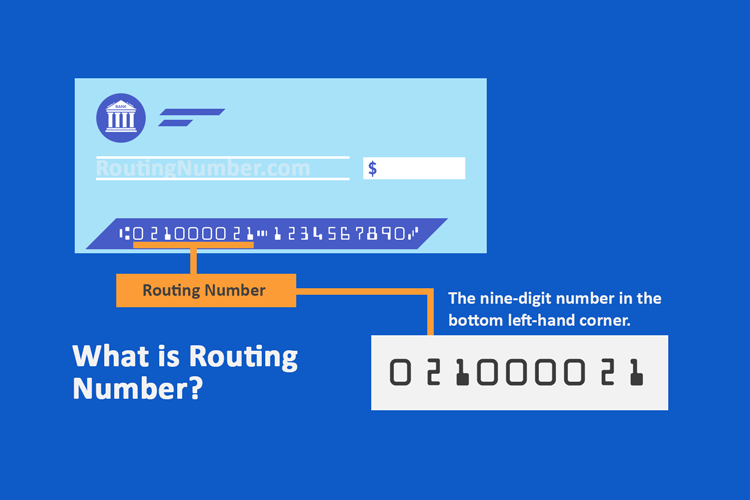
For many, the most traditional and often quickest way to find a routing number is by looking at a physical check. If you have a checkbook, grab one of your personal checks and examine the bottom edge. You’ll typically find three sets of numbers printed there:
-
The Routing Number: This is usually the first set of nine digits on the far left. It’s often preceded and followed by a specific symbol (often a transit symbol).
-
Your Account Number: This is typically the middle set of numbers, identifying your specific account.
-
The Check Number: This is usually the last set of numbers, which matches the pre-printed check number at the top right corner of the check.
Confirm that the number you’re looking at is indeed nine digits long and is clearly labeled as the ABA RTN or Routing Number, if present.
Online Banking Platform
In today’s digital age, your online banking portal is an indispensable resource. Most banks make it very easy to find your routing number once you’ve logged into your account.
-
Account Details: Navigate to the “Account Summary,” “Account Details,” or a similar section for your checking or savings account. The routing number is frequently displayed prominently here, often alongside your account number and current balance.
-
Statements: Some banks will also list the routing number on your digital bank statements, which can usually be accessed and downloaded from your online banking platform.
-
Help/FAQ Section: Many banks have a dedicated section within their online portal or app specifically for frequently asked questions, including how to find your routing number.
Always ensure you’re logged into your official bank website or app to maintain security.
Bank Statements (Paper or Electronic)
Whether you receive paper statements in the mail or opt for electronic statements (e-statements), your routing number is almost always listed there. For paper statements, look near your account number, address, or other account identifying information, usually at the top or bottom of the statement. For e-statements, you can typically find this information in the same location as it would appear on a physical statement, often accessible by downloading the PDF version. This method provides a reliable, documented source for your routing number.
Contact Your Bank Directly
If you’re unable to find your routing number through the methods above or prefer to speak with a representative, contacting your bank directly is always an option.
-
Customer Service: Call your bank’s customer service line. Be prepared to verify your identity with some personal information (e.g., account number, address, social security number digits) for security purposes.
-
Visit a Branch: If you have a local branch, a teller or bank representative can provide you with your routing number. Remember to bring a valid form of identification.
While this method might take a bit longer, it guarantees accuracy and provides an opportunity to ask any other banking-related questions you might have.
Use Your Bank’s Official Website/App
Beyond logging into your specific account, many banks provide general information on their public website that includes routing numbers. Look for a “Contact Us,” “FAQ,” or “Help” section. Some banks even have a dedicated “Find My Routing Number” tool on their homepage. Be cautious when using third-party websites for this information, as they may not be up-to-date or accurate. Always prioritize official bank sources to prevent potential errors or security risks. Your bank’s mobile application also often mirrors the functionality of the online banking portal, making it a convenient option for on-the-go access.
When and Why You’ll Need Your Routing Number
The routing number is not merely an obscure piece of banking trivia; it’s a practical necessity for a wide range of common financial activities. Understanding these scenarios helps reinforce why knowing how to locate it quickly is an indispensable skill for financial management. From receiving your income to automating your expenditures, the routing number serves as a critical bridge between your account and the broader financial ecosystem.
Setting Up Direct Deposit for Payroll
One of the most frequent uses for a routing number is when you start a new job or wish to change your direct deposit information. Employers require your bank’s routing number, along with your specific account number, to electronically deposit your paychecks directly into your bank account. This eliminates the need for paper checks, offering greater convenience, security, and often faster access to your funds. Accurate routing information ensures your hard-earned money lands in the correct account without delay.
Automated Bill Payments and Transfers
Many individuals and businesses opt for automated payments to manage recurring expenses like mortgages, utility bills, loan payments, and subscriptions. When setting up these payments, whether through your bank’s bill pay service or directly with the service provider, you’ll almost always be asked for your bank’s routing number and your account number. This enables the service provider to “pull” funds directly from your account on scheduled dates, helping you avoid late fees and manage your budget more effectively. Similarly, setting up recurring transfers between your own accounts (e.g., from checking to savings) within different financial institutions will also necessitate the routing number.
Sending and Receiving Wire Transfers
Wire transfers are a method of electronic funds transfer that typically move money faster than ACH transfers, often on the same day. For both domestic and international wire transfers, the routing number is absolutely essential. For domestic wires, you’ll need the recipient’s bank routing number and account number. For international wires, while the routing number might still be used for the domestic leg, a SWIFT/BIC (Society for Worldwide Interbank Financial Telecommunication/Bank Identifier Code) code is typically required to identify the international bank. Wire transfers are frequently used for large sum transactions, real estate closings, or urgent fund transfers, making the accuracy of the routing number paramount.
Tax Refunds and Government Payments
When filing your taxes, the Internal Revenue Service (IRS) offers the option for direct deposit of your refund. This is generally the fastest and most secure way to receive your tax refund. To utilize this option, you’ll need to provide your bank’s routing number and your account number on your tax forms. Similarly, other government benefits or payments, such as social security or unemployment benefits, often offer direct deposit, requiring the same banking information to ensure funds are delivered efficiently and securely.
Third-Party Payment Services (e.g., PayPal, Venmo linking)
Many popular third-party payment platforms and financial apps, such as PayPal, Venmo, Zelle, or investment platforms like Acorns or Robinhood, allow you to link your bank account for easy transfers of funds. During the initial setup process to link your bank account, you will typically be prompted to enter both your bank’s routing number and your account number. This linkage enables you to move money seamlessly between these platforms and your primary bank account, facilitating peer-to-peer payments, online purchases, and investment activities.
Safeguarding Your Financial Information
While a routing number is a necessary piece of information for financial transactions, it’s vital to understand its security implications. Unlike a credit card number, a routing number alone is generally not enough for someone to directly access your funds for malicious purposes. However, when combined with your account number, and especially other personal identifiers, the risk of fraud or identity theft increases significantly. Therefore, practicing diligent financial security habits is paramount.
Distinguishing Routing Number from Account Number
One of the most common pitfalls in financial literacy is confusing the routing number with the account number. As reiterated, the routing number identifies your bank, while the account number identifies your specific account within that bank. While both are crucial for transactions, they serve different functions. Memorize which is which, or at least understand where to find each clearly on your financial documents. Always double-check which number is being requested for any given transaction. Providing the wrong number can lead to failed transactions and inconvenience, but sharing your account number carelessly carries higher risks.
The Risks of Sharing Too Much
While a routing number is less sensitive than a full credit card number or your Social Security number, it’s still part of your financial identity. Sharing it indiscriminately, especially in conjunction with your account number and other personal details (like your name, address, or phone number), can expose you to risks. Phishing scams, for example, often try to trick you into revealing banking information by impersonating legitimate institutions. If a scammer obtains enough pieces of your financial puzzle, they could potentially attempt unauthorized transactions or commit identity theft. Always be wary of unsolicited requests for banking information, regardless of how official they appear.
Best Practices for Secure Handling
Protecting your banking details is an ongoing responsibility. Here are some best practices:
-
Secure Platforms Only: Only enter your routing and account numbers on secure, encrypted websites (look for “https://” in the URL and a padlock symbol) or through your bank’s official mobile app.
-
Password Management: Use strong, unique passwords for all your financial accounts and consider using a reputable password manager.
-
Multi-Factor Authentication (MFA): Enable MFA whenever available for an extra layer of security.
-
Regular Monitoring: Regularly review your bank statements and transaction history for any unauthorized activity.
-
Shred Sensitive Documents: When disposing of old checks, bank statements, or other documents containing your routing and account numbers, always shred them to prevent dumpster diving fraud.
-
Educate Yourself: Stay informed about common scams and phishing tactics.
What to Do if You Suspect Fraud
Despite your best efforts, financial fraud can sometimes occur. If you suspect that your routing number, account number, or other banking information has been compromised or used fraudulently:
-
Contact Your Bank Immediately: Report the suspicious activity or potential compromise to your bank’s fraud department. They can freeze accounts, investigate transactions, and guide you through the process of securing your finances.
-
Change Passwords: Update passwords for all your online banking and related financial accounts.
-
Monitor Credit Reports: Keep a close eye on your credit reports for any signs of new, unauthorized accounts being opened. You can get free annual credit reports from AnnualCreditReport.com.
-
File a Police Report: In cases of identity theft or significant financial loss, consider filing a report with local law enforcement.
Prompt action is crucial in mitigating potential damages from financial fraud.
Common Misconceptions and Additional Considerations
Beyond the practical aspects of finding and using your routing number, there are a few nuances and common questions that often arise. Understanding these can further solidify your financial knowledge and help you navigate more complex banking scenarios with confidence. The financial world is dynamic, and subtle distinctions can sometimes make a significant difference in how you manage your money.
Routing Numbers and Different Account Types
A common question is whether checking accounts and savings accounts have different routing numbers. For most large banks and credit unions, the routing number for your checking account will be the same as for your savings account. However, there are exceptions. Some smaller banks, or institutions that have undergone mergers, might have different routing numbers for different account types, or for accounts opened at different times or in different geographical regions. It’s always best to verify the specific routing number for the exact account you intend to use for a transaction. When in doubt, use the methods described earlier to confirm the correct number for the specific account in question.
Bank Mergers and Acquisitions
The banking industry is no stranger to mergers and acquisitions. When banks merge, their routing numbers can sometimes change, particularly for the accounts of the acquired institution. While existing checks with old routing numbers might be honored for a transition period, it’s imperative to update your direct deposit, bill pay, and other recurring payment information with the new routing number as soon as your bank notifies you of such changes. Failing to do so can lead to rejected payments and significant financial inconvenience. Banks typically provide ample notice and instructions to their customers when such changes occur.

International Transfers and SWIFT/BIC Codes
It’s important to differentiate the ABA routing number used for domestic U.S. transactions from SWIFT/BIC codes used for international wire transfers. While your U.S. bank will have an ABA routing number, it will also likely have a SWIFT/BIC code if it handles international transactions. A SWIFT (Society for Worldwide Interbank Financial Telecommunication) code, also known as a BIC (Bank Identifier Code), is an international standard identifier code for banks and non-bank financial institutions. It identifies the bank, country, and sometimes the branch for international funds transfers. If you are sending or receiving money internationally, you will almost certainly need the SWIFT/BIC code, not just your domestic routing number. Your bank’s website or customer service can provide this specific international code.
In conclusion, the routing number is far more than just a sequence of digits; it is a cornerstone of modern financial operations. By understanding its purpose, knowing the reliable methods to locate it, and practicing vigilant security, you empower yourself to manage your finances with confidence, efficiency, and peace of mind in our increasingly interconnected world.
aViewFromTheCave is a participant in the Amazon Services LLC Associates Program, an affiliate advertising program designed to provide a means for sites to earn advertising fees by advertising and linking to Amazon.com. Amazon, the Amazon logo, AmazonSupply, and the AmazonSupply logo are trademarks of Amazon.com, Inc. or its affiliates. As an Amazon Associate we earn affiliate commissions from qualifying purchases.