
Closing a bank account, while seemingly straightforward, is a financial decision that demands careful planning and execution. Whether you’re consolidating finances, dissatisfied with service, moving to a new area, or simply seeking a better banking experience elsewhere, successfully closing an account with a financial giant like Chase requires a systematic approach. This guide provides an insightful, professional roadmap to navigate the process, ensuring a smooth transition and safeguarding your financial well-being. By understanding the necessary preparatory steps, the various avenues for closure, and potential pitfalls, you can efficiently manage this important aspect of your personal finance.
Preparing for Account Closure: Essential Pre-Steps
Before you even consider initiating the closure process with Chase, a series of crucial preparatory steps are required. These ensure that your financial life remains uninterrupted and that all loose ends are tied up, preventing future complications or unexpected fees. This preparatory phase is the bedrock of a smooth account transition.
Reviewing Your Account Activity and Balances
The first and most critical step is to gain a comprehensive understanding of your account’s current state. This involves meticulously reviewing your transaction history for at least the past 60-90 days, if not longer.
-
Identify Pending Transactions: Ensure all checks you’ve written have cleared, and any recent debit card transactions or online payments have fully posted. Attempting to close an account with pending transactions can lead to complications, including declined payments or frozen funds.
-
Note Direct Deposits: List all incoming direct deposits, such as your salary, government benefits, or investment dividends. You will need to update the source of these deposits to your new account.
-
Catalog Automatic Payments and Subscriptions: Create an exhaustive list of all recurring automatic payments linked to your Chase account. This includes utility bills, loan payments, insurance premiums, streaming services, gym memberships, and any other automated deductions. Missing even one can lead to late fees, service interruptions, or damage to your credit score if it pertains to a credit obligation.
-
Check Minimum Balances: Be aware of any minimum balance requirements or potential fees that might apply if your balance drops too low before closure.
Transferring Funds and Updating Payment Information
Once you have a clear picture of your account’s activity, the next logical step is to re-route your financial flows and move your funds.
-
Transfer Remaining Funds: Decide where your existing balance will go. This typically involves transferring funds to a new bank account you’ve already opened. Initiate these transfers well in advance, allowing several business days for the funds to clear and settle in the new account. For larger sums, consider a wire transfer, though this may incur a fee.
-
Update Direct Deposit Sources: Contact your employer’s payroll department, Social Security Administration, pension providers, or any other source of recurring income to update your direct deposit information to your new bank account. Provide them with the new account and routing numbers well before your next scheduled payment.
-
Update Automatic Payment Merchants: Systematically go through your list of automatic payments and update each merchant with your new banking details. This often requires logging into each service’s online portal or contacting their customer service. Do not rely on your bank to automatically transfer these; it’s your responsibility to inform each payee.
-
Cancel Outgoing Bill Pays: If you use Chase’s online bill pay service for one-time or recurring payments, cancel any scheduled payments that would occur after your intended closure date.
Downloading Statements and Records
Maintaining thorough financial records is a fundamental principle of sound personal finance. Before closing your Chase account, secure all necessary documentation.
-
Download Digital Statements: Access Chase’s online banking portal and download digital copies of all your past statements. Aim for at least seven years of statements for tax purposes and general record-keeping. Store these securely on your computer or a cloud service.
-
Request Physical Statements (if needed): If you prefer physical records or require certified copies for legal reasons, request these from Chase. Be aware that there might be a fee for this service.
-
Transaction History: Download a comprehensive transaction history for the entire period you’ve held the account. This can be invaluable for dispute resolution, budgeting analysis, or proving income/expenditure in the future.
Understanding Account Types and Associated Products
Chase offers a wide array of financial products. Clarify which specific account you intend to close and understand its connections.
-
Checking vs. Savings: Differentiate between checking and savings accounts. Each may have distinct closure procedures or associated fees.
-
Linked Accounts: Determine if your account is linked to other Chase products, such as credit cards for overdraft protection, investment accounts, or loans. Closing one account might impact the functionality or terms of linked products. For instance, removing an account used for overdraft protection could expose you to overdraft fees on other accounts.
-
Credit Cards and Loans: Closing a bank account is distinct from closing a credit card or loan. If you also wish to close a Chase credit card, that’s a separate process with its own considerations (e.g., impact on credit score).
Navigating the Chase Account Closure Process
Once you’ve meticulously completed the preparatory steps, you are ready to formally request the closure of your Chase account. Chase, as a major financial institution, offers several avenues for this, each with its own advantages and potential requirements.
Initiating Closure: Online, Phone, or In-Person
Choosing the right method for closure can significantly influence the ease and speed of the process.
-
Online (Limited for Full Closure): While Chase’s online banking platform allows for many transactions and account management tasks, completely closing a checking or savings account is often not fully supported online, especially if it involves transferring a remaining balance. You might be able to initiate a request or find relevant forms, but finalization typically requires a more direct interaction. However, some specific product types or simpler accounts might allow online closure. Always check the official Chase website or contact customer service first.
-
Phone: Calling Chase customer service is a common and often efficient way to close an account. Be prepared for a verification process where you’ll be asked personal details to confirm your identity. Have your account numbers handy. A customer service representative can guide you through the steps, confirm any remaining balance, and arrange for the disbursement of funds. Be sure to request a confirmation number or email after the call.
-
In-Person (Most Recommended for Bank Accounts): Visiting a Chase branch in person is often the most secure and straightforward method for closing a checking or savings account. This allows you to speak directly with a banker, ask questions, resolve any issues on the spot, and receive immediate confirmation. Bring a valid government-issued ID (driver’s license, passport) and your account number or debit card. If there’s a remaining balance, the bank can often provide a cashier’s check or facilitate an immediate transfer to another account.
Required Information and Verification
Regardless of the method you choose, Chase will require specific information to process your closure request and verify your identity.
-
Account Numbers: Have all relevant account numbers readily available.
-
Personal Identification: A valid government-issued photo ID (driver’s license, passport) is essential, especially for in-person requests. For phone requests, be ready to answer security questions related to your account.
-
Reason for Closure (Optional but Helpful): While not strictly required, providing a reason for closing can be helpful for Chase’s internal data and might even lead to an offer to retain your business if the issue is resolvable.
-
Instructions for Remaining Funds: Clearly state how you wish to receive any remaining balance (e.g., transfer to a specific new account, cashier’s check mailed to your address).
Handling Remaining Balances and Fees
The final balance in your account needs to be handled appropriately.
-
Disbursement of Funds: If you close an account with a positive balance, Chase will typically issue a cashier’s check for the remaining amount or facilitate a transfer to another bank account you designate. Confirm the preferred method and ensure the mailing address on file is correct if a check is to be sent.
-
Potential Closure Fees: While less common for standard checking or savings accounts that have been open for a significant period, some accounts might have closure fees if they are closed shortly after opening (e.g., within 90 or 180 days). Review your account agreement or ask a representative about any such fees. Ensure all outstanding fees or charges are paid before closure to avoid debt collection issues.
Confirmation and Follow-Up
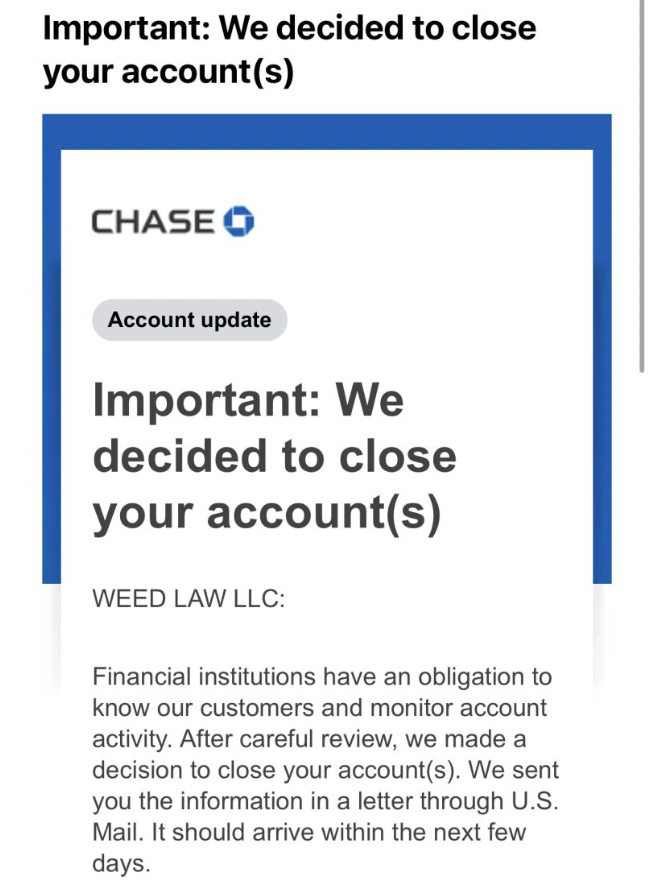
The process isn’t truly complete until you have official confirmation.
-
Request Written Confirmation: Always request written confirmation of the account closure. This could be an email, a letter mailed to your address, or a printed document if you close it in person. This document is your proof that the account is officially shut down.
-
Monitor for Residual Activity: For a few weeks after receiving confirmation, continue to monitor your new bank account and your credit report. This helps ensure that no further transactions attempt to post to the closed Chase account and that all automatic payments have successfully transitioned to your new bank. If any issues arise, immediately contact Chase.
-
Shred Debit Cards and Checks: Once the account is confirmed closed, destroy any debit cards, unused checks, and deposit slips associated with the account to prevent fraudulent use.
Potential Pitfalls and Considerations When Closing a Chase Account
While following the prescribed steps greatly simplifies the process, certain scenarios and overlooked details can lead to complications. Being aware of these potential pitfalls allows for proactive avoidance and a smoother overall experience.
Impact on Credit Score (if applicable to linked credit products)
For standard checking and savings accounts, closure generally has no direct impact on your credit score. However, if your Chase bank account is linked to other credit products, there could be indirect effects.
-
Overdraft Protection Lines of Credit: If your checking account was tied to a Chase line of credit for overdraft protection, closing the checking account might implicitly close or affect that credit line. Closing a credit line can potentially impact your credit utilization ratio or the average age of your accounts, which are factors in your credit score.
-
Chase Credit Cards: Closing a Chase credit card is a separate process and can affect your credit score. If your primary goal is to disentangle entirely from Chase, ensure you address credit cards separately, understanding the potential impact before acting.
Joint Accounts and Authorization
Closing a joint account requires specific procedures to protect all parties involved.
-
Mutual Consent: Typically, all account holders on a joint account must provide consent to close it. This often means all parties need to be present in person or provide written/verbal authorization. Chase’s policy may require signatures from all account holders.
-
Funds Disbursement: If funds remain, ensure all joint account holders agree on how the final balance will be disbursed. This prevents disputes later on.
Overdraft Protection and Linked Accounts
It’s crucial to sever all connections related to overdraft protection and other linked services.
-
Other Chase Accounts: If your closing account was linked to another Chase checking or savings account for overdraft protection, ensure this link is broken. Otherwise, the remaining account might be left without protection, or a new default overdraft method (like linking to a credit card or line of credit, which incurs interest) might be activated without your explicit consent.
-
External Links: Verify that no external services (e.g., investment platforms, payment apps like PayPal or Venmo) are still linked to your Chase account for funding or withdrawals.
Timing Your Closure
The timing of your account closure can significantly impact its ease.
-
Avoid Key Financial Periods: Try to avoid closing an account during periods when many transactions are expected, such as around tax season, major holidays, or immediately before or after a large direct deposit or automatic bill payment is scheduled. This minimizes the risk of missed payments or complications.
-
Allow for Buffer Time: Plan to keep your old account open for a short overlap period (e.g., 2-4 weeks) after opening a new one and redirecting all funds. This provides a safety net in case any unexpected transactions or missed updates occur.
Why You Might Choose to Close an Account (and Alternatives)
Understanding the motivations behind closing an account can offer further insight into best practices, as well as highlight situations where an alternative might be more appropriate.
Reasons for Closure
People decide to close their bank accounts for a variety of valid personal finance reasons:
-
Dissatisfaction with Fees: High monthly maintenance fees, ATM fees, or other service charges can make an account uneconomical.
-
Poor Customer Service: Frustration with unresponsive or unhelpful customer service can drive clients to seek banking elsewhere.
-
Relocation: Moving to a new state or country where Chase has a limited physical presence might necessitate a change.
-
Consolidating Accounts: Many individuals aim to simplify their financial life by reducing the number of accounts they manage.
-
Better Offers Elsewhere: Competitors might offer better interest rates on savings, lower fees, or more appealing banking perks.
-
Life Events: Marriage, divorce, inheritance, or other major life changes can prompt a financial restructuring.
Alternatives to Full Closure
In some cases, closing an account entirely might be overkill. Consider these alternatives:
-
Downgrading Account Type: If high fees are the issue, check if Chase offers a lower-tier account with fewer features but also fewer or no fees. This allows you to maintain your banking relationship without the cost burden.
-
Maintaining a Minimal Balance: If you only use Chase for a specific, infrequent transaction or want to keep it as a backup, you could maintain a minimal balance (often sufficient to avoid fees) and drastically reduce its active use.
-
Exploring Other Chase Products: If your dissatisfaction is with a specific account type, but you otherwise like Chase, explore their other product offerings that might better suit your needs.
The Value of a Smooth Transition
Ultimately, the goal of closing an account is to seamlessly transition your financial operations without disrupting your day-to-day life or incurring unnecessary costs. A carefully planned and executed closure process is a testament to sound personal finance management, protecting your resources and providing peace of mind. Taking the time to prepare and follow through with each step ensures that closing your Chase account is a constructive move towards your broader financial goals.

Conclusion
Closing a bank account with Chase is more than just a procedural task; it’s a critical financial maneuver that, when executed correctly, can contribute positively to your personal finance strategy. By meticulously preparing, understanding the various closure pathways, and anticipating potential challenges, you can ensure that your transition away from Chase is smooth, secure, and stress-free. Remember to prioritize thorough documentation, confirm every step, and stay vigilant in the immediate aftermath. Taking control of your financial accounts, including their closure, empowers you to build a banking relationship that truly serves your evolving needs and aspirations.
aViewFromTheCave is a participant in the Amazon Services LLC Associates Program, an affiliate advertising program designed to provide a means for sites to earn advertising fees by advertising and linking to Amazon.com. Amazon, the Amazon logo, AmazonSupply, and the AmazonSupply logo are trademarks of Amazon.com, Inc. or its affiliates. As an Amazon Associate we earn affiliate commissions from qualifying purchases.