
The query “how to check my federal reserve account” is a common one, stemming from a natural desire to understand where our money resides, how it’s protected, and how it connects to the broader financial system. It’s a testament to the public’s growing interest in financial literacy and the intricate workings of the economy. However, the premise of the question often carries a fundamental misconception: individuals, in the typical sense, do not hold personal checking or savings accounts directly with the Federal Reserve.
The Federal Reserve, often simply called “the Fed,” is the central bank of the United States. Its primary roles are to conduct monetary policy, supervise and regulate banks, and maintain financial stability. While every dollar you earn, save, and spend is influenced by the Fed’s actions, your direct interaction with it as an account holder is generally nonexistent. This article will demystify the Federal Reserve’s role, explain why individuals don’t have accounts with it, and crucially, guide you on how to effectively “check” and manage your financial well-being within the framework of the U.S. monetary system.

Demystifying the Federal Reserve and Personal Accounts
To truly understand why you can’t “check” your Federal Reserve account, it’s essential to grasp who can hold an account with this powerful institution and the foundational principles of its operation. The Fed operates at a different stratum of the financial ecosystem than your local bank.
Who Can Hold an Account with the Federal Reserve?
The Federal Reserve is not a commercial bank in the way we commonly understand it. It doesn’t offer checking accounts, savings accounts, or loans to individual consumers or most businesses. Instead, its clients are primarily:
-
Commercial Banks (Depository Institutions): This is the largest category of account holders. Banks like Chase, Bank of America, Wells Fargo, and thousands of smaller credit unions and community banks maintain accounts with the Federal Reserve. These accounts are used for various critical functions, including:
-
Reserves: Banks hold a portion of their deposits as reserves at the Fed, though reserve requirements have been set to zero since March 2020. They may still hold excess reserves.
-
Clearing and Settlement: These accounts are crucial for transferring funds between banks. When you write a check or make an electronic payment, your bank uses its Fed account to settle the transaction with the recipient’s bank.
-
Borrowing: Banks can borrow from the Fed’s “discount window” to meet short-term liquidity needs.
-
-
The U.S. Treasury: The U.S. Department of the Treasury maintains a general account at the Federal Reserve to manage government revenues (taxes) and expenditures (government spending). This is where the government’s money resides and from which it pays its bills.
-
Certain Foreign Central Banks and International Organizations: In some instances, the Federal Reserve also provides banking services to foreign central banks and international monetary organizations, facilitating global financial stability and cooperation.
The Myth of the Individual Federal Reserve Account
The idea that an individual might have a “Federal Reserve account” is a pervasive myth. It often arises from a misunderstanding of how the financial system is structured, or perhaps from the Fed’s omnipresence in economic news. Some might mistakenly conflate the origin of currency (which is indeed issued by the Federal Reserve) with a direct banking relationship. Others might hear terms like “FedNow,” the Fed’s instant payment service, and assume it implies direct access for consumers, rather than being an interbank settlement service that enables faster payments through their existing commercial banks.
The simple truth is that the Fed’s mandate is macro-level—managing the money supply, overseeing the banking system, and maintaining price stability—not micro-level, consumer-facing banking. Your money is held at a commercial bank or credit union, which in turn interacts with the Federal Reserve. This layered structure is fundamental to the stability and efficiency of the U.S. financial system.
Understanding Your Money’s Connection to the Financial System
While you don’t have a direct account, your money is intrinsically linked to the Federal Reserve through the banking system. Understanding this connection is vital for comprehensive personal finance management.
Your Bank’s Relationship with the Federal Reserve
Think of your bank as the intermediary. When you deposit money into your checking or savings account, that money doesn’t literally sit in a vault with your name on it. Instead, your bank takes those deposits and uses them for various purposes: lending to other customers, investing, and holding a portion as reserves. A significant part of those reserves, or balances used for interbank settlements, is held in your bank’s account at the Federal Reserve.
When you send money to someone who banks elsewhere, or when your bank needs to transfer funds to another institution, these transactions often clear through the Federal Reserve’s robust payment systems. This intricate dance ensures that money moves smoothly and securely across the country, facilitating everything from your direct deposit paycheck to your online bill payments. The stability of your bank, and by extension the safety of your deposits, is underpinned by this relationship and the Fed’s oversight.
How Central Bank Policies Affect Your Personal Finances
The Federal Reserve’s policies, particularly those related to interest rates, have a profound and direct impact on your personal finances, even if you never directly interact with them.
-
Interest Rates: The Federal Reserve sets the target for the federal funds rate, which is the interest rate at which commercial banks lend reserves to each other overnight. This benchmark rate influences all other interest rates in the economy.
-
Savings Accounts: When the Fed raises rates, banks often increase the interest rates they pay on savings accounts, CDs, and money market accounts, benefiting savers.
-
Loans and Mortgages: Conversely, higher Fed rates typically lead to higher interest rates on mortgages, car loans, personal loans, and credit card balances, making borrowing more expensive. Lower rates make borrowing cheaper.
-
-
Inflation Control: One of the Fed’s dual mandates is to maintain stable prices, which means keeping inflation in check. High inflation erodes purchasing power, meaning your money buys less over time. The Fed uses monetary policy tools to manage inflation, which directly impacts the real value of your income and savings.
-
Economic Growth and Employment: The Fed also aims to foster maximum sustainable employment. Its policies influence overall economic activity, which affects job creation, wage growth, and investment opportunities. A healthy economy, supported by the Fed, generally translates to better financial prospects for individuals.
Understanding these connections allows you to anticipate economic trends and make more informed decisions about your savings, investments, and debt management strategies.
Practical Ways to “Check” Your Financial Health (Related to the Fed’s Influence)
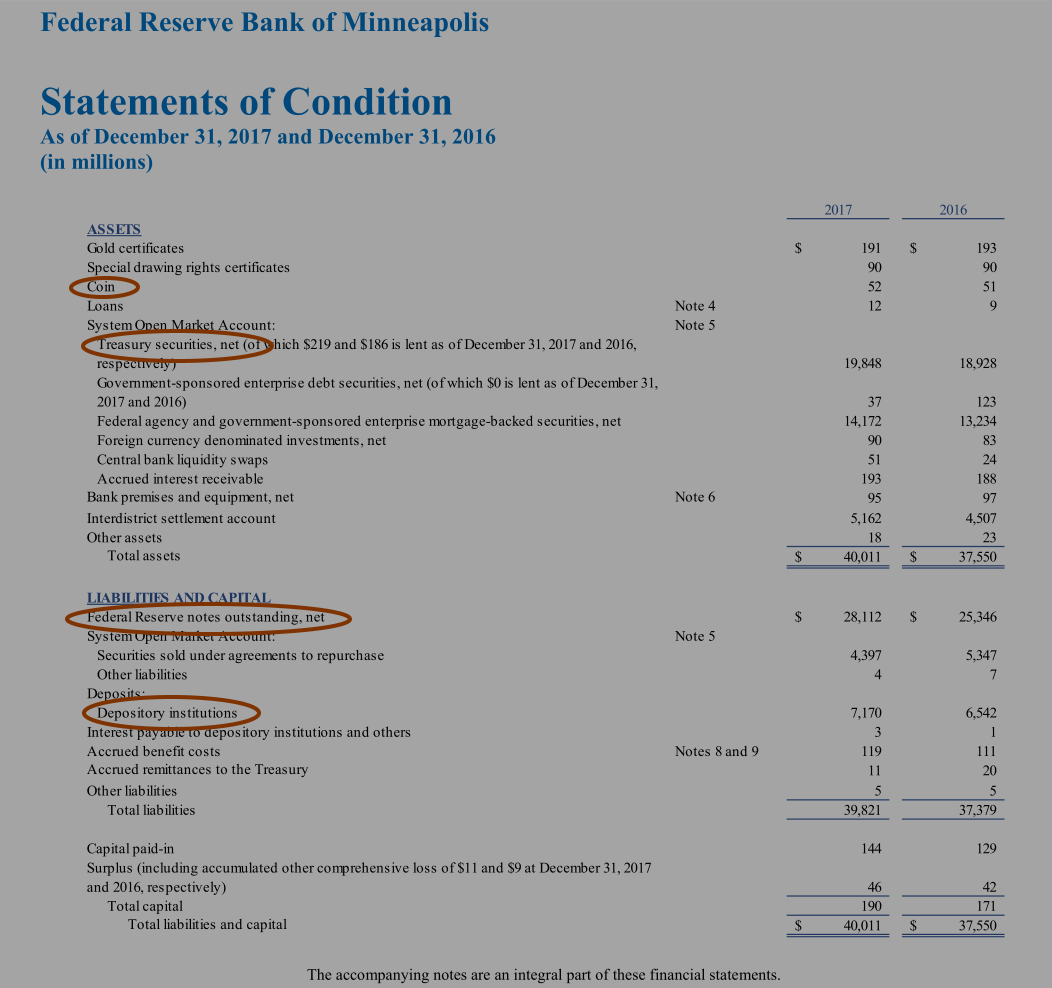
Since you cannot directly check a Federal Reserve account, the true essence of your question lies in understanding and monitoring your actual financial accounts and the broader economic landscape influenced by the Fed.
Monitoring Your Bank Accounts and Investments
The most direct way to “check your money” is by regularly reviewing your accounts at your commercial bank or credit union.
-
Online Banking and Mobile Apps: Virtually all financial institutions offer online portals and mobile applications that provide real-time access to your account balances, transaction history, and statements. Make it a habit to log in regularly to review activity, reconcile your spending, and ensure there are no unauthorized transactions.
-
Bank Statements: While digital access is convenient, always review your monthly or quarterly bank and credit card statements. These provide a comprehensive overview and are crucial for identifying discrepancies or fraud that might be missed in daily monitoring.
-
Investment Portfolios: If you have investments (stocks, bonds, mutual funds, retirement accounts), use your brokerage’s online platform or statements to track performance. Understand that investment values fluctuate with market conditions, which can be influenced by Fed policy (e.g., interest rate changes affecting bond prices).
-
Budgeting and Financial Tracking Tools: Tools like Mint, YNAB (You Need A Budget), Personal Capital, or even simple spreadsheets can aggregate your financial data from various accounts, categorize your spending, and help you visualize your net worth and progress towards financial goals. This provides a holistic view of your financial health.
Staying Informed About Economic Indicators
Being financially savvy means looking beyond your individual accounts to the broader economic environment. The Federal Reserve plays a pivotal role in shaping this environment.
-
Inflation Reports: Keep an eye on the Consumer Price Index (CPI) and Personal Consumption Expenditures (PCE) price index. These reports indicate how quickly prices for goods and services are rising, directly impacting your purchasing power.
-
Interest Rate Announcements: Follow news from Federal Open Market Committee (FOMC) meetings, where decisions on the federal funds rate are made. These announcements provide clues about the future direction of borrowing and lending rates.
-
Unemployment Data: Reports like the monthly jobs report offer insights into the health of the labor market and the economy, which can influence personal income and job security.
-
GDP Growth: Gross Domestic Product (GDP) reports indicate the overall economic output of the nation. Strong GDP growth often correlates with a healthy job market and investment opportunities.
By understanding these indicators, you can make more informed decisions about when to save, when to borrow, and how to allocate your investments, aligning your personal financial strategy with the prevailing economic winds. Many reputable financial news outlets and the Federal Reserve’s own website provide accessible explanations of these reports.
Utilizing Financial Tools and Resources
A wealth of resources exists to help you manage your finances effectively and understand the complex interplay with institutions like the Federal Reserve.
-
Financial Advisors: For complex financial situations or investment planning, a certified financial advisor can provide personalized guidance, helping you navigate market conditions influenced by central bank policies.
-
Educational Materials: The Federal Reserve itself offers extensive educational resources for the public on monetary policy, economic data, and financial literacy. Websites like Investor.gov (from the SEC) and FINRA also provide unbiased information.
-
Credit Monitoring Services: Regularly checking your credit score and report (e.g., via annualcreditreport.com) is crucial for financial health. Your creditworthiness impacts the interest rates you qualify for on loans, which are indirectly tied to the Fed’s benchmark rates.
Security and Protection of Your Funds
The security of your money is paramount. While the Federal Reserve doesn’t directly insure your personal deposits, it plays a critical role in maintaining the stability of the banking system, which in turn supports deposit insurance.
The Role of FDIC and NCUA Insurance
The real protection for your deposits comes from federal insurance programs:
-
Federal Deposit Insurance Corporation (FDIC): For banks, the FDIC insures deposits up to $250,000 per depositor, per insured bank, for each account ownership category. This means that even if your bank fails, your insured deposits are safe and will be returned to you. This system, established after the Great Depression, prevents bank runs and maintains public confidence in the banking system.
-
National Credit Union Administration (NCUA): Similar to the FDIC, the NCUA insures deposits at federally insured credit unions up to $250,000 per depositor, per insured credit union, for each account ownership category.
It is crucial to ensure that your financial institution is FDIC or NCUA insured. This is your primary safeguard, not a direct account with the Fed.

Best Practices for Digital Security
Given that you manage your money through online banking and digital platforms, robust digital security practices are non-negotiable.
-
Strong, Unique Passwords: Use complex passwords for all your financial accounts and enable two-factor authentication (2FA) wherever possible.
-
Beware of Phishing: Be extremely cautious of suspicious emails, texts, or calls asking for your personal or financial information. Financial institutions, and certainly the Federal Reserve, will never ask for sensitive data via unsecured channels.
-
Secure Networks: Avoid accessing your financial accounts over public Wi-Fi networks. Use a secure, private network or a Virtual Private Network (VPN).
-
Regular Software Updates: Keep your operating system, web browser, and antivirus software up to date to protect against the latest threats.
-
Monitor Account Activity: As mentioned earlier, regularly checking your account statements and transactions is a crucial security measure to detect fraud promptly.
In conclusion, while the question “how to check my federal reserve account” points to a common misconception, it highlights a valuable curiosity about our financial world. Individuals do not hold personal accounts with the Federal Reserve, but every aspect of your financial life is undeniably influenced by its policies and the banking system it oversees. By understanding the Fed’s role, monitoring your commercial bank and investment accounts, staying informed about economic indicators, and practicing robust financial security, you are, in essence, “checking” and managing your financial future in the most informed and empowered way possible.
aViewFromTheCave is a participant in the Amazon Services LLC Associates Program, an affiliate advertising program designed to provide a means for sites to earn advertising fees by advertising and linking to Amazon.com. Amazon, the Amazon logo, AmazonSupply, and the AmazonSupply logo are trademarks of Amazon.com, Inc. or its affiliates. As an Amazon Associate we earn affiliate commissions from qualifying purchases.