
Applying for credit is a pivotal step in building a stable and flexible financial future. Whether you are looking to secure your first credit card, purchase a home, or finance a business venture, understanding the mechanics of the credit application process is essential. Credit is more than just a tool for borrowing money; it is a reflection of your financial reliability and a gateway to various economic opportunities. However, the process is often shrouded in complex terminology and opaque criteria that can intimidate even the most fiscally responsible individuals.
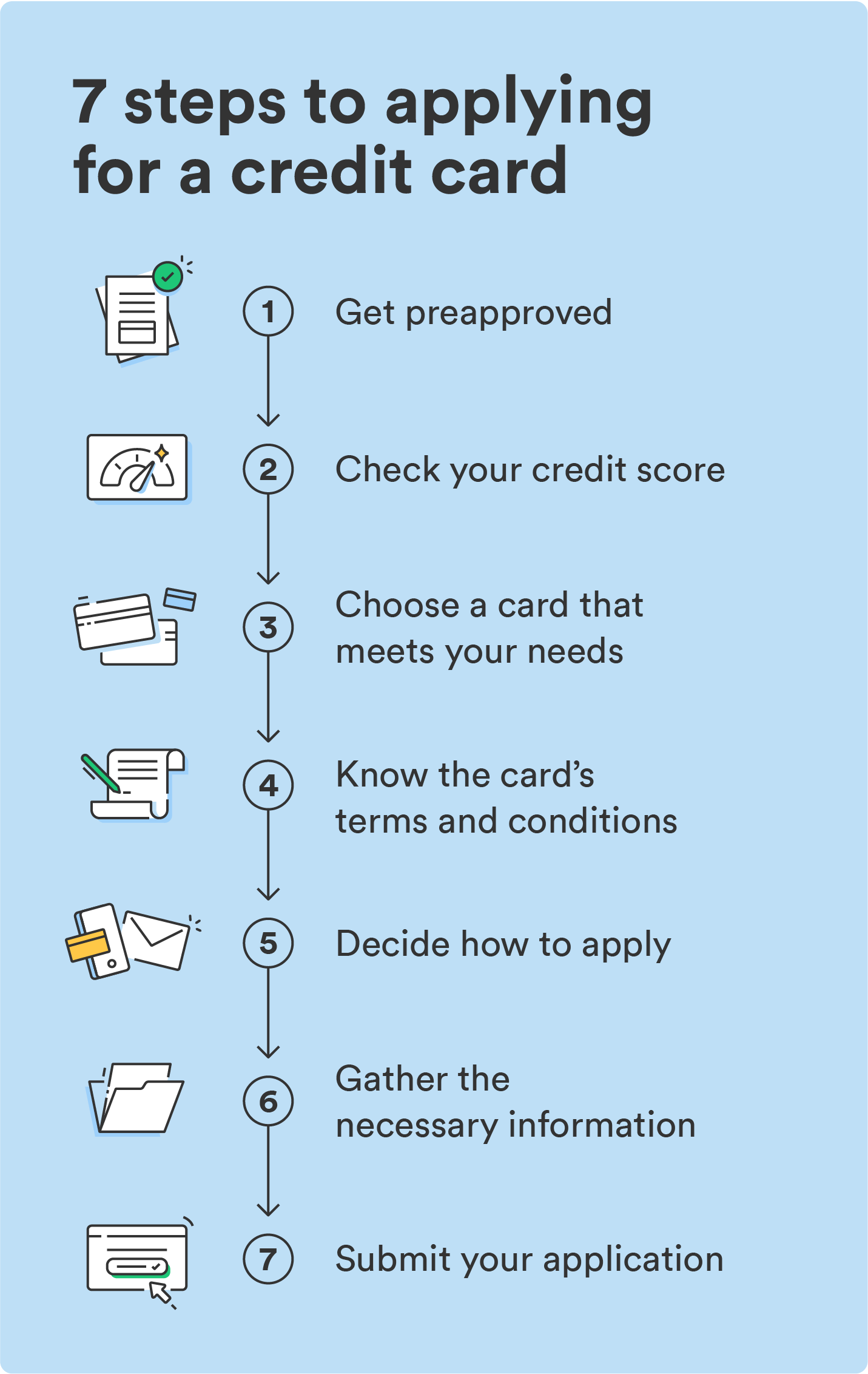
To navigate this landscape successfully, one must approach the application process with a strategic mindset. This involves understanding what lenders are looking for, preparing your financial documentation, and selecting the product that best aligns with your long-term goals. By mastering the nuances of credit applications, you can maximize your chances of approval and secure the most favorable terms possible.
Understanding the Fundamentals Before You Apply
Before you submit an application, it is crucial to understand the ecosystem in which credit operates. Lenders are in the business of managing risk. Every time you apply for credit, the institution is essentially betting on your ability and willingness to pay back the borrowed funds plus interest. To make this determination, they rely on several standardized metrics.
The Role of Credit Scores and Reports
Your credit score is perhaps the most significant factor in the application process. Most lenders in the United States and many international markets utilize the FICO score or VantageScore models. These scores typically range from 300 to 850. A higher score signals to the lender that you are a low-risk borrower, which often results in lower interest rates and higher credit limits.
Your score is derived from your credit report—a detailed record of your borrowing history maintained by major credit bureaus like Equifax, Experian, and TransUnion. This report includes your payment history, the amount of debt you currently owe, the length of your credit history, and the types of credit you have used. Understanding what is in your report is the first step toward a successful application. If your report contains errors, such as accounts you didn’t open or incorrect payment statuses, your score will suffer, potentially leading to a rejection or high-interest rates.
The Difference Between Revolving and Installment Credit
Not all credit is created equal. When applying, you must distinguish between revolving credit and installment credit.
Revolving credit, such as a credit card or a home equity line of credit (HELOC), allows you to borrow up to a certain limit and pay it back over time. As you pay down the balance, the credit becomes available to use again. This type of credit is excellent for managing monthly cash flow and building a history of consistent payments.
Installment credit, on the other hand, involves a fixed amount of money borrowed for a specific purpose, such as an auto loan or a mortgage. You repay this amount in fixed monthly installments over a set period. Lenders look at how you manage both types of credit to determine your “credit mix,” which contributes to 10% of your FICO score.
Preparing Your Financial Profile for Approval
Once you understand how credit is measured, the next phase is optimization. You should never apply for credit on a whim. Instead, take several months to “groom” your financial profile to ensure it looks as attractive as possible to potential creditors.
Reviewing and Auditing Your Credit Report
Federal law allows you to access a free copy of your credit report from each of the three major bureaus once a year (and often more frequently through various financial services). Review these reports meticulously. Look for any discrepancies in personal information, account statuses, or balances. If you find an error, you have the right to dispute it with the credit bureau. Correcting a single mistake can sometimes boost your score by dozens of points, moving you from a “fair” category to “good,” which can save you thousands of dollars in interest over the life of a loan.
Managing Your Debt-to-Income (DTI) Ratio
While your credit score tells a lender how you have handled debt in the past, your Debt-to-Income (DTI) ratio tells them if you can afford to take on new debt today. To calculate your DTI, add up all your monthly debt payments (rent/mortgage, student loans, car payments, minimum credit card payments) and divide that by your gross monthly income.
Lenders typically prefer a DTI ratio below 36%, although some mortgage programs allow for higher. If your DTI is too high, it suggests that your budget is stretched thin, making you a higher risk for default. Before applying for significant credit, consider paying down existing balances or finding ways to increase your documented income to improve this ratio.
Choosing the Right Credit Product for Your Needs
The market is saturated with financial products, each designed for a specific type of consumer. Applying for the wrong product can result in a “hard inquiry” on your credit report without the benefit of an approval. Therefore, matching your profile to the right product is essential.
Secured vs. Unsecured Credit Options

If you are new to credit or are recovering from past financial mistakes, a secured credit card or loan is often the best starting point. These products require a cash deposit that serves as collateral, usually equal to your credit limit. Because the lender’s risk is mitigated by your deposit, approval is much easier. Over time, responsible use of a secured card will build your score, eventually allowing you to graduate to an unsecured product.
Unsecured credit is what most people think of when they imagine a standard credit card or personal loan. No collateral is required, but the eligibility requirements are stricter. These products are reserved for those with established credit histories and stable incomes.
Analyzing Fees and Interest Rates (APR)
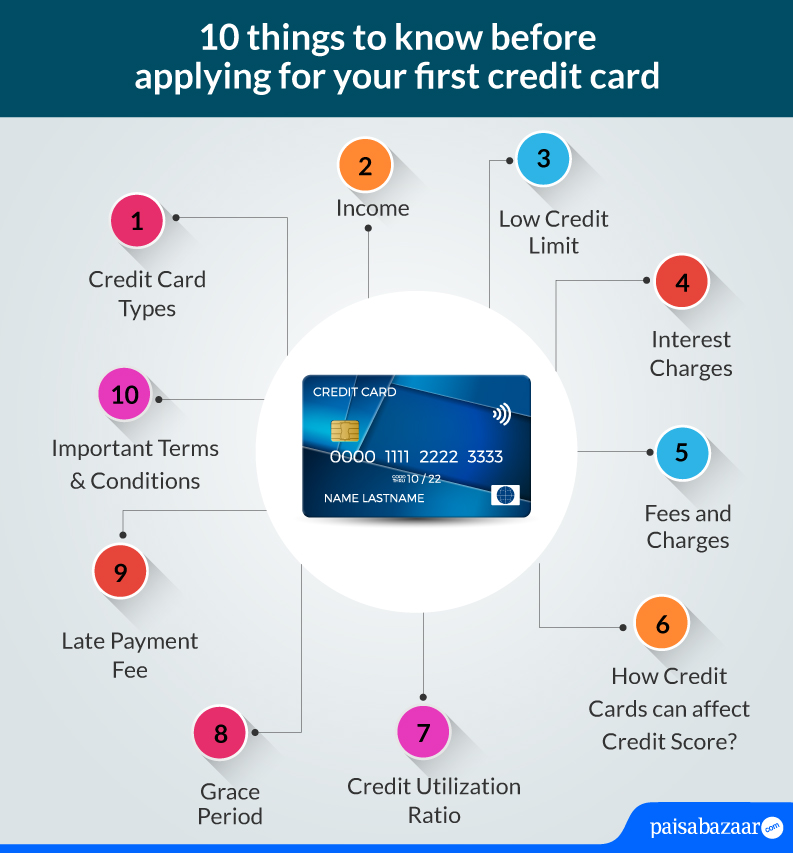
When comparing products, look beyond the marketing perks. The Annual Percentage Rate (APR) is the cost of borrowing the money, expressed as a yearly interest rate. If you plan to carry a balance, a low APR is your primary concern. If you plan to pay your balance in full every month, the APR matters less than the annual fee or the rewards structure.
Additionally, be mindful of “introductory rates.” Many credit cards offer 0% APR for the first 12 to 18 months. This can be a powerful tool for debt consolidation or large purchases, provided you have a concrete plan to pay off the balance before the promotional period ends and the standard, much higher rate kicks in.
The Step-by-Step Application Process
With your profile optimized and your product selected, you are ready to apply. Most modern credit applications are handled online and can provide a decision within seconds, but the thoroughness of your preparation still dictates the outcome.
Gathering Necessary Documentation
To streamline the process, have your financial information ready. Standard requirements include:
-
Identification: Social Security Number (SSN) or Individual Taxpayer Identification Number (ITIN), and a government-issued ID.
-
Income Verification: Recent pay stubs, W-2 forms, or tax returns if you are self-employed.
-
Expense Details: Your monthly housing payment and other recurring obligations.
-
Employment Information: Your current employer’s name and contact information.
For more complex loans, like mortgages or business lines of credit, the documentation requirements will be much more extensive, often requiring several years of financial history and bank statements.
Navigating the Online Application and “Pre-Approval”
Many lenders now offer a “pre-approval” or “pre-qualification” process. This is a vital tool for consumers. Pre-approval typically involves a “soft pull” of your credit, which does not affect your credit score. It gives you a highly accurate estimate of whether you will be approved and what your terms might be. Only after you move forward with the formal application does the lender perform a “hard pull,” which may temporarily dip your score by a few points.
When filling out the formal application, honesty is paramount. Falsifying income or debt obligations on a credit application is considered mortgage or bank fraud, which carries significant legal penalties. Furthermore, lenders have sophisticated ways of verifying the data you provide.
What to Do After the Decision
The conclusion of the application process is not the end of your financial journey; it is the beginning of a new chapter in your credit management.
If You Are Approved: Managing New Credit Responsibly
Once approved, your goal is to maintain the health of your credit profile. The first few months are critical. Avoid the temptation to spend up to your new limit immediately. Keeping your “credit utilization ratio”—the amount of credit you are using compared to your total limit—below 30% is one of the fastest ways to continue growing your score.
Set up autopay for at least the minimum payment to ensure you never miss a due date. Late payments are the single most damaging factor to a credit score, and even one 30-day delinquency can cause a score to plummet.
If You Are Denied: The Path to Rebound
If your application is declined, do not take it personally. Under the Equal Credit Opportunity Act (ECOA), the lender is required to provide you with an “adverse action notice.” This document will explain exactly why you were denied, such as “insufficient credit history” or “too many recent inquiries.”
Use this feedback as a roadmap. If the denial was due to a high DTI, focus on debt reduction. If it was due to a thin credit file, consider becoming an authorized user on a family member’s established account or applying for a secured card. Wait at least six months before applying for credit again, as multiple hard inquiries in a short period can signal financial distress to lenders.
By treating the credit application process as a strategic financial exercise rather than a gamble, you position yourself to leverage debt as a tool for wealth creation and stability. Whether you are building from scratch or optimizing an existing portfolio, the disciplined application of these principles ensures that when you need credit, the financial system is ready to work for you.
aViewFromTheCave is a participant in the Amazon Services LLC Associates Program, an affiliate advertising program designed to provide a means for sites to earn advertising fees by advertising and linking to Amazon.com. Amazon, the Amazon logo, AmazonSupply, and the AmazonSupply logo are trademarks of Amazon.com, Inc. or its affiliates. As an Amazon Associate we earn affiliate commissions from qualifying purchases.