
In the intricate world of personal finance, understanding the foundational elements of your banking relationship is paramount. Among these, your bank account number stands as a unique identifier, a digital fingerprint that facilitates countless financial transactions daily. For customers of Chase, one of the largest and most influential financial institutions globally, knowing the specifics of their account number – including its typical length and purpose – is not just a matter of curiosity, but a crucial aspect of managing their money effectively and securely.
This article delves into the precise structure of Chase account numbers, dissecting their role in everyday banking, emphasizing the critical importance of security, and providing practical guidance on how to locate yours. We’ll navigate the distinctions between account and routing numbers, explore how these digits empower your financial activities, and offer insights into best practices for safeguarding your financial identity in an increasingly digital landscape. By demystifying this fundamental piece of information, we aim to equip you with the knowledge needed to engage with your banking confidently and securely.
Demystifying Your Chase Account Number: The Standard Structure
Understanding the composition of your Chase account number is the first step toward better financial literacy and security. While the exact length can sometimes vary slightly based on the account type or specific system, there’s a generally accepted standard.
The Standard Structure: What to Expect
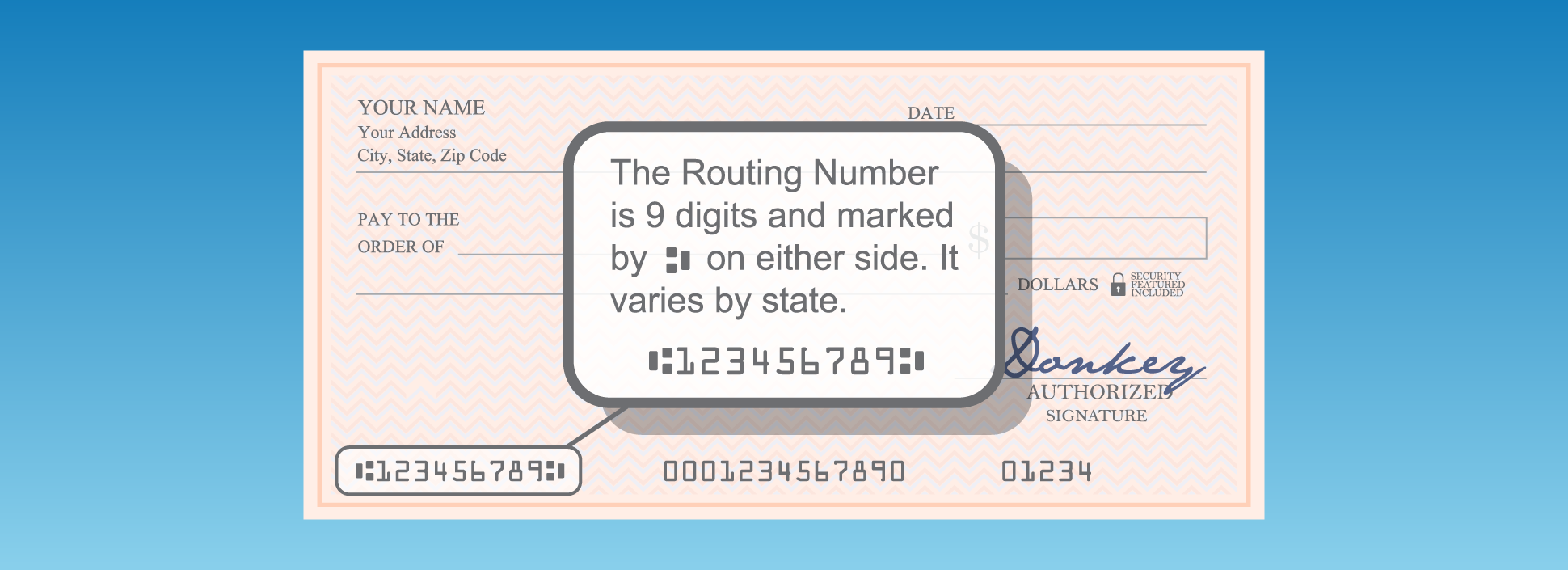
For most checking and savings accounts at Chase, you can typically expect your account number to be 9 to 12 digits long. The most common length observed is 10 digits. This range provides Chase with sufficient unique identifiers for its vast customer base, distinguishing millions of individual accounts from one another within their expansive banking system. It’s a precise code, not randomly generated, but rather part of a structured system designed for efficiency and accuracy in transaction processing.
It’s important to note that credit card numbers, loan numbers, and other financial product identifiers will have different lengths and structures. We are specifically discussing deposit account numbers (checking and savings) here. The consistent structure, even with minor variations in length, ensures that when you provide your account number, it is recognized and processed correctly by financial systems worldwide.
Why the Number of Digits Matters (or Doesn’t)
While the exact count of digits (e.g., 10 vs. 12) might seem significant, from a user’s perspective, the specific number of digits for your Chase account number matters less than its accuracy. What truly matters is that the number you use is your correct, complete account number. Whether it’s 9, 10, 11, or 12 digits, as long as it’s the sequence assigned to your account by Chase, it will function as intended.
The internal logic behind the number of digits is primarily for the bank’s operational purposes – ensuring uniqueness and compatibility with their data management systems. For customers, the key takeaway is simply to always verify the full string of digits when initiating transactions or providing information to ensure no errors occur. An incorrect digit, regardless of the overall length, can lead to funds being misdirected, delays, or even significant financial headaches.
Understanding the Difference: Account vs. Routing Numbers
A common point of confusion for many individuals is distinguishing between their account number and their routing number. Both are critical for financial transactions, but they serve distinct purposes.
-
Account Number: As discussed, this is the unique identifier for your specific account within the bank. It tells the financial system exactly which account to credit or debit funds from.
-
Routing Number (ABA Routing Transit Number): This is a 9-digit code that identifies the financial institution itself. It tells the financial system which bank to send the money to. Chase, being a national bank, has multiple routing numbers depending on the region and the type of transaction (e.g., wire transfers, ACH transfers).
Think of it like this: if you’re sending a letter, the routing number is the city and state (the bank), and the account number is the street address and house number (your specific account). Both are essential for the letter (funds) to reach its intended destination. Understanding this distinction is crucial for correctly setting up direct deposits, paying bills online, and initiating wire transfers, as using the wrong number can lead to significant processing delays or errors.
The Critical Role of Your Account Number in Financial Transactions
Your Chase account number is far more than just a string of digits; it’s the gateway to most of your financial interactions. From the most basic deposits to complex automated payments, this number acts as a central identifier, ensuring that money moves correctly and efficiently within the banking system.
Facilitating Deposits and Withdrawals
The most fundamental use of your account number is in facilitating the movement of money into and out of your account. When you deposit a check, the bank’s system uses your account number to ensure the funds are credited to the correct balance. Similarly, if you were to make an over-the-counter cash withdrawal at a branch (though often a debit card and PIN are preferred now), your account number links your request to your specific funds.
For electronic deposits, such as payroll or government benefits, the account number, paired with the routing number, is the sole identifier telling the Automated Clearing House (ACH) network precisely where to send the funds. Without this unique identifier, direct deposits would be impossible, requiring less efficient and more time-consuming manual processes.
Setting Up Direct Deposits and Automated Payments
One of the greatest conveniences of modern banking is the ability to automate financial processes. Your Chase account number is indispensable for this.
-
Direct Deposit: Whether it’s your paycheck, social security benefits, or tax refunds, direct deposit relies entirely on your account number and routing number. You provide these details to your employer or the issuing agency, and they use this information to electronically transfer funds directly into your account on scheduled dates. This eliminates the need for physical checks, reduces delays, and enhances security.
-
Automated Payments (ACH Debits): Similarly, when you set up recurring bill payments – for utilities, loan installments, rent, or subscription services – you often provide your account and routing numbers. This authorizes the biller to automatically debit your account for the agreed-upon amount on a specified schedule. This system helps prevent late fees, streamlines financial management, and provides peace of mind.
The reliability and efficiency of these automated systems underscore the critical importance of having an accurate and accessible account number.
International Transfers and SWIFT Codes
While your routing number and account number are sufficient for most domestic transactions, international money transfers introduce another layer of identification: the SWIFT (Society for Worldwide Interbank Financial Telecommunication) code, also known as a BIC (Bank Identifier Code).
When receiving money from outside the United States into your Chase account, the sender will typically require:
-
Your full name and address.
-
Your Chase account number.
-
Chase’s SWIFT code (e.g., CHASUS33 for many Chase branches).
-
Chase’s physical address (for international wires).
The SWIFT code identifies the specific bank and country for international wires, much like a routing number does domestically, but on a global scale. Your account number then ensures the funds reach your specific account within Chase. Understanding these distinctions is vital for anyone engaging in cross-border financial activity, highlighting the universality of the account number as a primary identifier even in complex international banking frameworks.
Safeguarding Your Financial Identity: Security Best Practices
The unique and critical nature of your Chase account number makes its security paramount. In an era where digital fraud and identity theft are unfortunately common, understanding how to protect this piece of information is as important as knowing where to find it.
When and How to Share Your Account Number
The general rule of thumb is to be extremely cautious about sharing your account number. It’s not information to be freely broadcast or carelessly disclosed. You should only provide your account number when it is absolutely necessary for a legitimate financial transaction or service.
Legitimate scenarios include:
-
Setting up direct deposit with your employer.
-
Enrolling in automatic bill payments with trusted service providers (e.g., utility companies, mortgage lenders).
-
Receiving wire transfers or ACH payments from known entities.
-
Providing it to your bank (Chase) directly for account inquiries or services.
-
Setting up payment processors for a legitimate business (if you are a business owner).
How to share: When sharing, always use secure methods. For online forms, ensure the website is secure (look for “https://” and a padlock icon). Avoid sending your account number via unencrypted email or text messages. If you must provide it verbally, ensure you are speaking directly to a trusted representative of a legitimate organization.
Never give your account number over the phone to unsolicited callers, even if they claim to be from Chase or another reputable institution. Always initiate contact with your bank using official phone numbers found on their website or statements.
Recognizing and Preventing Fraud
Fraudsters are constantly evolving their tactics to gain access to sensitive financial information. Being aware of common scams can help you protect your account number and, by extension, your finances.
-
Phishing Emails/Texts: Be wary of emails or text messages that ask for your account number, login credentials, or other personal information, especially if they contain urgent threats or too-good-to-be-true offers. These often mimic legitimate institutions but contain subtle errors or suspicious links.
-
Vishing (Voice Phishing): Scammers may call you, pretending to be from Chase, the IRS, or another agency, demanding your account number or other details to resolve an “urgent problem.” Remember that legitimate institutions will rarely ask for sensitive information like your full account number or PIN over an unsolicited call.
-
Public Wi-Fi Risks: Avoid performing sensitive banking transactions or accessing your account via unsecured public Wi-Fi networks, as these can be vulnerable to eavesdropping.
-
Physical Security: Keep physical bank statements and checks in a secure location. Shred old documents containing your account number before discarding them.
By being vigilant and skeptical of unsolicited requests for information, you significantly reduce your risk of becoming a victim of fraud.
The Importance of Digital Security Measures
In addition to cautious sharing, robust digital security practices are crucial for protecting your financial information.
-
Strong, Unique Passwords: Use complex, unique passwords for your Chase online banking account that are different from those used for other services. Consider a password manager to help you create and store them securely.
-
Multi-Factor Authentication (MFA): Always enable MFA (also known as two-factor authentication) for your Chase account. This adds an extra layer of security, typically requiring a code sent to your phone or email in addition to your password, making it much harder for unauthorized users to access your account even if they have your password.
-
Regular Account Monitoring: Periodically review your Chase bank statements and transaction history through online banking or the mobile app. Report any suspicious or unauthorized activity to Chase immediately.
-
Secure Devices: Keep your computer and mobile devices updated with the latest operating system and security software (antivirus/anti-malware). These updates often patch vulnerabilities that could be exploited by fraudsters.
Adopting these digital security habits creates a strong defense against those who would seek to misuse your account number and compromise your financial well-being.
Locating Your Chase Account Number: A Practical Guide
Knowing your Chase account number is essential for various financial tasks, from setting up direct deposit to initiating wire transfers. Fortunately, Chase provides several convenient and secure methods for you to find this crucial piece of information.
Checking Your Bank Statements
One of the most straightforward and reliable ways to find your Chase account number is by reviewing your bank statements.
-
Paper Statements: If you receive paper statements in the mail, your full account number is typically printed on them. Look near the top of the statement, often close to your name and address, or within the “Account Summary” section. For security reasons, sometimes only the last few digits are shown, but often the full number is present, especially on older statements or specific sections.
-
Electronic Statements (eStatements): If you’ve opted for eStatements, you can access them through Chase Online Banking. Log in to your account, navigate to the “Statements” section (often found under “Customer Service” or a specific account tab), and select the desired statement period. Your full account number will be visible on the electronic PDF version of your statement, mirroring its placement on a paper statement. This is generally considered a secure method as it requires you to be logged into your authenticated Chase account.
Always ensure you are accessing statements through official Chase channels to avoid phishing scams.
Utilizing Chase Online Banking and Mobile App
Chase’s digital platforms offer a quick and secure way to access your account number without needing a physical document.
-
Chase Online Banking:
-
Log in to your account at Chase.com.
-
Navigate to the specific account (checking or savings) for which you need the number.
-
Look for an option like “Account details,” “Routing & account numbers,” or “See more details” within that account’s summary page. Chase often has a dedicated section or link that will display both your account and routing numbers. You might need to click a “show” button or verify your identity (e.g., through a one-time passcode) before the full number is revealed for security purposes.
-
-
Chase Mobile App:
-
Open and log in to the Chase Mobile app on your smartphone or tablet.
-
Select the desired checking or savings account.
-
Tap on the account details. Similar to online banking, there’s usually a section or link that says “Show routing & account numbers” or “Account details.” Again, for security, you might be prompted to confirm your identity via Face ID, fingerprint, or a PIN before the full numbers are displayed.
-
These digital methods are generally the most convenient and secure, as they are protected by your login credentials and often multi-factor authentication.
Contacting Chase Customer Service
If you are unable to find your account number through statements or online banking, or if you prefer speaking with a representative, contacting Chase customer service is always an option.
-
Phone: You can call the customer service number listed on the back of your Chase debit card or on the official Chase website. Be prepared to go through a rigorous identity verification process to ensure you are the legitimate account holder. This will involve answering security questions, providing personal details, and possibly confirming recent transactions.
-
In-Branch Visit: For an in-person solution, visit any Chase branch. Bring a valid form of photo identification (e.g., driver’s license, passport). A branch representative can look up your account details for you after verifying your identity. This can be particularly useful if you’ve recently opened an account and haven’t yet received statements or set up online access.
While these methods are effective, they may take more time than using online or mobile banking. Always prioritize security, and ensure you are only providing your information to verified Chase representatives through official channels.
Beyond the Numbers: Maximizing Your Chase Banking Experience
Understanding your Chase account number is a foundational element, but it’s just one piece of a larger puzzle. To truly maximize your banking experience, it’s essential to look beyond the digits and leverage the full suite of tools and knowledge available. This holistic approach ensures not only financial security but also efficiency and growth.
Linking Accounts and Managing Finances
For many Chase customers, their banking relationship extends beyond a single checking or savings account. They might have multiple deposit accounts, credit cards, investment accounts, or loans with the institution. Your account number plays a role in the seamless integration of these financial products.
-
Unified View: Chase’s online banking and mobile app platforms are designed to give you a consolidated view of all your linked accounts. While each account has its unique number, the platform uses these identifiers internally to present you with a comprehensive financial dashboard. This allows for easy tracking of balances, transactions, and overall financial health.
-
Internal Transfers: Transferring funds between your Chase checking and savings accounts, or making a payment to your Chase credit card, often requires little more than selecting the accounts within the app or online. Your account numbers facilitate these internal movements quickly and without the need for manual input of routing and account numbers for each transaction.
-
Budgeting and Tracking: By linking all your Chase accounts, you can get a clearer picture of your income and expenses. Many personal finance management tools, whether integrated with Chase’s platform or third-party apps, leverage this linked data (often through secure APIs, not direct account number sharing with third parties) to help you budget, save, and analyze your spending patterns more effectively.
Leveraging the interconnectedness of your Chase accounts, underpinned by your individual account numbers, allows for more streamlined financial management and better decision-making.
Exploring Chase’s Digital Tools for Financial Management
Chase, like other major banks, has heavily invested in digital tools designed to empower customers. These tools often utilize your account numbers behind the scenes to provide personalized insights and functionalities.
-
Budgeting Tools: Many banks offer integrated budgeting features that categorize your spending based on your account transactions. While not directly using your account number in the interface, the underlying system relies on it to pull and analyze your financial data.
-
Alerts and Notifications: You can set up custom alerts for various account activities – low balance warnings, large transactions, direct deposit notifications, or unusual activity. These alerts, delivered via email, text, or push notification, keep you informed about your account’s status, helping you stay on top of your finances and detect potential fraud early.
-
Zelle and Person-to-Person Payments: While you don’t typically share your account number directly when using Zelle within the Chase app (it uses email or phone numbers), your account number is the ultimate destination for incoming funds. These services simplify sending and receiving money, making it more convenient to manage daily financial interactions without exposing sensitive details.
-
Financial Planning Resources: Chase’s platforms often provide access to educational resources, articles, and tools related to saving, investing, debt management, and retirement planning. These resources are designed to enhance your financial literacy and help you make informed decisions about your money, building upon the foundational understanding of your banking operations.
Embracing these digital tools transforms your banking experience from a mere transactional relationship into an active partnership aimed at achieving your financial goals.

The Broader Context of Financial Literacy
Ultimately, understanding how many numbers are in a Chase account number, and all the associated implications, feeds into a broader and more critical concept: financial literacy. Being financially literate means having the knowledge, skills, and confidence to make responsible financial decisions.
Your account number is a fundamental identifier, and knowing its purpose, how to find it, and how to protect it is a basic but crucial component of managing your money. This foundational knowledge extends to understanding interest rates, credit scores, investment principles, and planning for the future.
By taking the time to understand the specifics of your Chase account – from its number to the various services and security measures available – you are investing in your own financial well-being. It empowers you to navigate the banking landscape with confidence, protect your assets, and leverage the tools at your disposal to build a secure and prosperous financial future.
aViewFromTheCave is a participant in the Amazon Services LLC Associates Program, an affiliate advertising program designed to provide a means for sites to earn advertising fees by advertising and linking to Amazon.com. Amazon, the Amazon logo, AmazonSupply, and the AmazonSupply logo are trademarks of Amazon.com, Inc. or its affiliates. As an Amazon Associate we earn affiliate commissions from qualifying purchases.