
In the intricate world of personal finance, understanding the foundational elements of your bank accounts is paramount. Among the most fundamental identifiers is your account number—a unique string of digits that distinguishes your financial holdings from billions of others. For customers of Chase, one of the largest and most prominent financial institutions globally, a common query revolves around the exact length and nature of their account numbers. While seemingly a simple question, its implications stretch into the realms of security, transaction processing, and overall financial literacy.
This article delves into the specifics of Chase account numbers, dissecting their typical length and structure, differentiating them from other critical financial identifiers like routing numbers and credit card numbers, and exploring why this seemingly minor detail carries significant weight. We’ll also provide practical guidance on locating your account number securely and, crucially, safeguarding this vital piece of financial information in an increasingly digital landscape. Understanding these digits is not just about curiosity; it’s about empowering yourself with knowledge to navigate your financial life with confidence and security.
The Core Question: Demystifying Chase Account Numbers
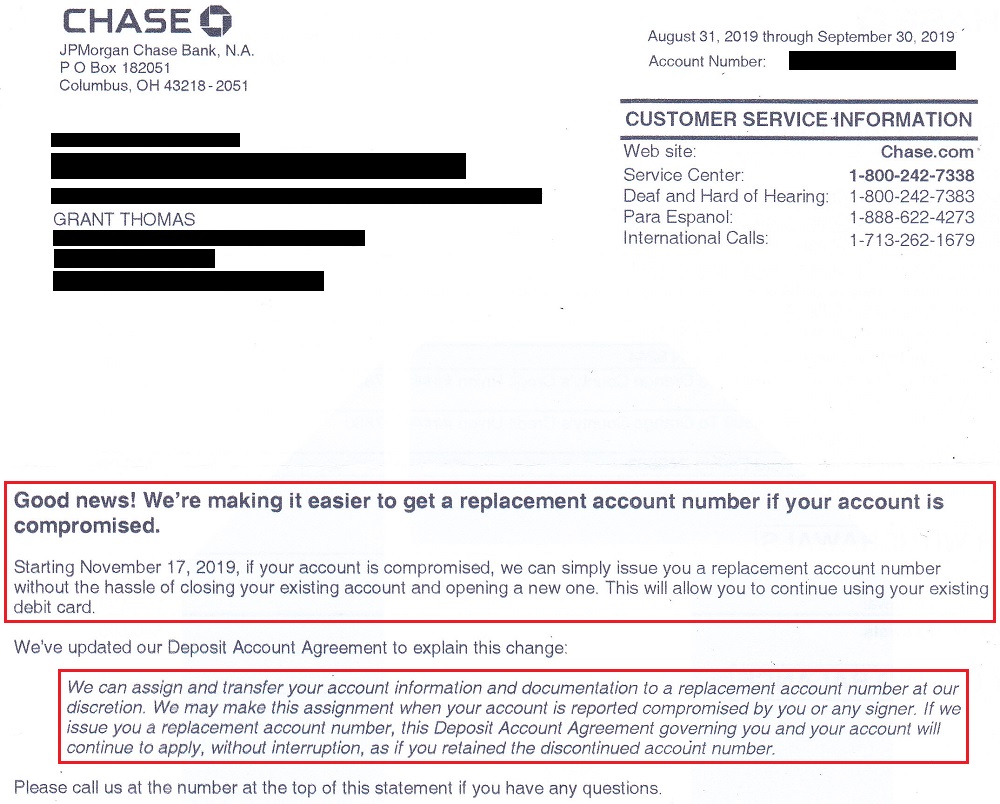
For most customers, a Chase bank account number—specifically for checking and savings accounts—typically consists of 10 to 12 digits. It’s important to note that this length can sometimes vary slightly based on the specific account type or when the account was opened, but generally falls within this range. This sequence of numbers is a unique identifier assigned by Chase to your individual account, distinguishing it from every other account held by the bank. It’s the numerical address for your funds within the bank’s system, essential for deposits, withdrawals, and transfers.
It is crucial to distinguish your account number from other numerical identifiers associated with your financial life. Misunderstanding these distinctions can lead to errors in transactions or, worse, expose you to security risks.
Direct Deposit and Payment Routing Numbers
While an account number identifies your specific account, a routing number (also known as an ABA routing transit number) identifies your financial institution and its specific branch for transaction purposes. Chase, like all U.S. banks, utilizes routing numbers primarily for Automated Clearing House (ACH) transactions, such as direct deposits, automatic bill payments, and electronic transfers. These are standardized as 9-digit numbers.
Chase uses several different routing numbers depending on the geographic region where the account was opened. For instance, a Chase account opened in New York will have a different routing number than one opened in California. When setting up direct deposits or automatic payments, you will always need both your Chase account number and the correct Chase routing number for your specific account. The routing number ensures the transaction reaches the correct bank, while the account number ensures it lands in your specific account within that bank.
Savings vs. Checking Account Numbers
For Chase customers, both checking and savings accounts typically have their own distinct account numbers. While the length (often 10-12 digits) might be consistent across both, the actual sequence of digits will be different. This distinct numbering is essential for the bank’s internal systems to differentiate between funds held for transactional purposes (checking) and funds intended for saving or investment (savings). This separation allows for different rules regarding withdrawals, interest accrual, and reporting for each account type. Therefore, if you have both a checking and a savings account with Chase, you will have two separate account numbers, each unique to its respective account.
Credit Card Numbers: A Different Beast
It is a common misconception, especially for newcomers to banking, to confuse a credit card number with a bank account number. They are fundamentally different. A Chase credit card number is typically a 16-digit number (though some older cards might have 13 or 15 digits) that uniquely identifies your credit card account, not your checking or savings bank account. These numbers adhere to international standards (like ISO/IEC 7812) and include information about the card issuer (the first digit often identifies the major industry, e.g., 4 for Visa, 5 for MasterCard).
Credit card numbers are used for purchases, while bank account numbers facilitate money movement directly between bank accounts. Credit card numbers also come with additional security features like an expiration date and a Card Verification Value (CVV) code, which are not associated with bank account numbers. Confusing these two can lead to significant issues, from failed transactions to inadvertently providing sensitive information to the wrong party.
Why Account Number Length and Structure Matter
The design and length of a bank account number are far from arbitrary. They are carefully engineered components of a sophisticated financial system, designed to serve critical functions related to security, efficiency, and identification. Understanding these underlying principles offers deeper insight into why banks operate the way they do and why safeguarding these numbers is so important.
Security Implications
The specific length and structure of a Chase account number contribute significantly to its security. A 10 to 12-digit number provides a vast range of unique combinations, making it exceptionally difficult for malicious actors to guess or randomly generate a valid account number through brute-force methods. Each digit adds exponentially to the complexity. Banks also often incorporate internal logic or checksum algorithms into their account numbers. These algorithms ensure that an account number is not just a random string but follows a specific pattern, acting as a built-in validation mechanism. This makes it harder to create fraudulent numbers that would pass initial system checks, adding another layer of defense against unauthorized access or transactions. While an account number alone isn’t sufficient to drain an account, its uniqueness is a fundamental building block of financial security.
Operational Efficiency and Identification
Within Chase’s vast operational infrastructure, account numbers are the primary means of identifying and processing transactions accurately and efficiently. Every deposit, withdrawal, transfer, and payment needs to be linked to a specific account. The unique nature of each 10 to 12-digit number ensures that funds are routed to the correct destination without ambiguity. This system allows Chase to manage millions of transactions daily, reconcile balances, and provide accurate financial statements to its customers. Without a robust and unique numbering system, the modern banking ecosystem, with its complex web of interbank transfers and automated processes, would simply not be feasible. They are the numerical backbone of personalized financial services.
Industry Standards and Variations
While Chase typically uses 10 to 12-digit account numbers, it’s worth noting that the exact length and structure can vary between different financial institutions, even within the United States. Some banks may use fewer digits, others more. There isn’t a single, universal standard for domestic bank account number length across all U.S. banks, unlike the standardized 9-digit routing number. However, all banks adhere to common principles: the number must be unique to an individual account, it must be long enough to provide sufficient combinations for all customers, and it must integrate with the bank’s internal processing and security systems. These variations underscore the importance of always checking the specific account number provided by your bank rather than assuming a universal format. Internationally, systems like the IBAN (International Bank Account Number) offer a standardized format, but this is primarily for cross-border transactions and differs significantly from domestic account numbers.
Protecting Your Financial Identifiers
Understanding the digits is one thing; protecting them is another entirely. Your Chase account number, alongside your routing number and other personal information, constitutes vital data that, if compromised, could lead to financial fraud, identity theft, and significant distress. Proactive measures are essential in safeguarding these financial identifiers.
Best Practices for Account Security
The first line of defense is always vigilance and smart habits.
-
Secure Online Access: Always use strong, unique passwords for your Chase online banking account. Enable multi-factor authentication (MFA) whenever possible. This adds an extra layer of security, typically requiring a code sent to your phone in addition to your password.
-
Beware of Phishing: Never click on suspicious links in emails or text messages, even if they appear to be from Chase. Always go directly to Chase’s official website or use their mobile app to log in. Chase will never ask for your full account number, password, or PIN via unsolicited email or text.
-
Shred Sensitive Documents: Financial statements, voided checks, and any documents containing your account number should be shredded before disposal. Don’t just toss them in the trash.
-
Secure Wi-Fi: Avoid accessing your banking information over public, unsecured Wi-Fi networks. These networks can be vulnerable to eavesdropping.
-
Monitor Your Accounts: Regularly check your Chase bank statements and online transaction history for any unauthorized activity. Report discrepancies immediately.
-
Limit Sharing: Only provide your account number when absolutely necessary, such as setting up direct deposit with an employer or paying a legitimate bill. Be cautious about who you share it with.
Recognizing and Avoiding Scams
Scammers are constantly evolving their tactics to trick individuals into revealing sensitive financial information.
-
Phishing Emails/Texts: These often mimic legitimate banks or companies, urging you to “verify” your account details by clicking a link that leads to a fake website.
-
Vishing (Voice Phishing): Scammers call you, pretending to be from Chase fraud department, law enforcement, or a government agency, demanding your account number or other personal details under urgency or threat.
-
Tech Support Scams: Fraudsters claim to be tech support, often from a well-known company, and trick you into giving them remote access to your computer, where they might then try to find banking details.
-
Fake Check Scams: You receive a check, often for an overpayment, and are asked to deposit it and then send money back. The check is fake, and you’re out the money you sent.

Always be skeptical of unsolicited requests for your account number, especially if there’s a sense of urgency or threat. Legitimate organizations have secure methods for identity verification that do not involve asking for your full account number over an unsecured line or email.
What to Do if Your Account Number is Compromised
Despite your best efforts, a data breach or scam attempt might expose your account number. If you suspect your Chase account number has been compromised:
-
Contact Chase Immediately: Call Chase’s official customer service or fraud department number (found on their official website or the back of your debit/credit card). Explain the situation clearly.
-
Change Passwords: Update your online banking password and any other passwords that might be linked.
-
Monitor Your Accounts Rigorously: Check your transaction history daily for any suspicious activity.
-
Consider Fraud Alerts/Credit Freeze: Place a fraud alert with the major credit bureaus (Equifax, Experian, TransUnion) to make it harder for identity thieves to open new accounts in your name. In severe cases, a credit freeze might be advisable.
-
File a Police Report: If you’ve been a victim of fraud, filing a police report can be helpful for documentation and recovery efforts.
Swift action is critical in mitigating potential damage from a compromised account number.
Locating Your Chase Account Number
Knowing where to find your Chase account number securely is just as important as knowing its length and understanding its security implications. There are several reliable methods to access this information when you need it.
Online Banking and Mobile App
The most convenient and secure way to find your Chase account number is through Chase’s official online banking portal or the Chase Mobile app.
-
Online Banking: Log in to your Chase account at Chase.com. Once logged in, navigate to the specific checking or savings account you want information for. Look for details such as “Account Details,” “Statements & Documents,” or similar sections. Your full account number is typically displayed there, though sometimes you might need to click to “Show full account number” for security reasons.
-
Mobile App: Open the Chase Mobile app on your smartphone or tablet. After logging in, select the desired account. Similar to online banking, look for “Account Details” or an option to view your full account number. Again, it might be partially masked until you specifically request to view it.
These digital platforms are designed with multiple layers of security, making them generally the safest places to retrieve your account number.
Paper Checks and Statements
Traditional methods also provide your account number, though these require careful handling of physical documents.
-
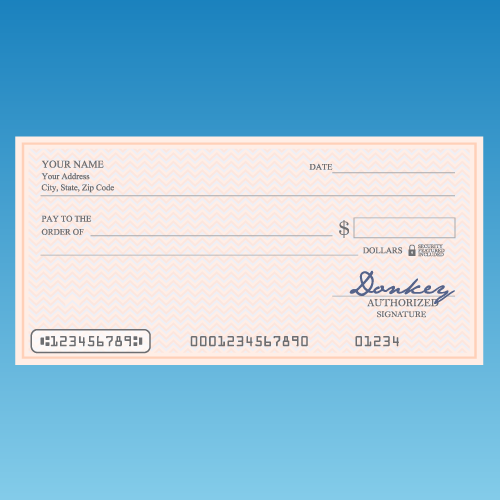
Paper Checks: Your checking account number is prominently displayed on the bottom of your personal checks. It is the middle set of numbers, situated between the 9-digit routing number (on the left) and the check number (on the right).
-
Bank Statements: Your full account number will always be listed on your monthly or quarterly bank statements from Chase. You can access these physically if you receive paper statements, or digitally through your online banking portal if you’ve opted for paperless statements.
When using these methods, ensure you are in a private setting and always store physical documents securely or shred them when no longer needed.
Contacting Customer Service
If you’re unable to find your account number through online banking, the mobile app, or on your physical documents, you can always contact Chase customer service directly.
-
Phone: Call the customer service number found on the back of your debit card or on Chase’s official website. Be prepared to go through a rigorous identity verification process, which typically involves answering security questions, providing personal information, and potentially verifying recent transactions. This is for your protection.
-
In-Branch Visit: Visiting a local Chase branch in person is another secure option. A bank teller or personal banker can assist you in finding your account number after verifying your identity with official photo identification.
While contacting customer service is reliable, it should be used when other, more convenient methods are not feasible.
Beyond the Digits: Understanding Your Full Financial Picture
An account number, while central, is just one piece of the larger financial puzzle. To truly master your personal finance, it’s essential to understand how it integrates with other identifiers and systems, particularly when dealing with the complexities of modern banking and international transactions.
The Role of Routing Numbers
As briefly touched upon, the routing number is the indispensable partner to your account number for domestic electronic transactions. It ensures that funds are directed to the correct bank within the vast U.S. banking network. For example, when you set up direct deposit, your employer needs both your Chase account number and the correct Chase routing number for your specific region to ensure your paycheck lands directly into your account. Similarly, when you pay bills automatically, these two numbers work in tandem. Understanding their distinct but complementary roles is fundamental to participating in the Automated Clearing House (ACH) network, which processes billions of electronic financial transactions annually.
The Importance of IBAN and SWIFT for International Transactions
When money crosses international borders, the domestic account and routing numbers are usually insufficient. Instead, international transactions rely on two other critical identifiers:
-
IBAN (International Bank Account Number): The IBAN is a standardized international numbering system designed to facilitate cross-border transactions and reduce errors. It’s an alphanumeric string that uniquely identifies a bank, branch, and account within a country. While common in Europe and many other parts of the world, the U.S. does not use IBANs for its domestic accounts. However, if you are sending money to an international recipient who uses an IBAN, you will need their IBAN and your bank’s SWIFT/BIC code.
-
SWIFT/BIC (Society for Worldwide Interbank Financial Telecommunication / Bank Identifier Code): This is an 8 or 11-character code that identifies a specific bank, and sometimes a specific branch, in an international transaction. Chase has its own SWIFT/BIC codes (e.g., CHASUS33 for many U.S. locations) that are required when sending or receiving international wire transfers.
For Chase customers engaged in international transfers, knowing your account number, your specific Chase SWIFT/BIC code, and potentially the recipient’s IBAN (if applicable) is crucial for successful and secure global money movement. These identifiers highlight the global interconnectedness of financial systems and the need for standardized communication.
A Holistic View of Account Management
Ultimately, understanding how many digits are in a Chase account number is merely the entry point to a broader comprehension of financial literacy. A holistic view of account management involves not just knowing these numbers but also understanding their purpose, their security implications, and how they fit into the larger ecosystem of financial tools and services. It means recognizing the differences between a checking account, a savings account, a credit card, and the various digital payment platforms available. It involves being proactive in securing your data, diligent in monitoring your accounts, and informed about the mechanisms that govern your money. This comprehensive understanding empowers individuals to make smart financial decisions, protect their assets, and navigate the complexities of modern banking with confidence.
Conclusion
The seemingly straightforward question of “how many digits is a Chase account number” unravels a deeper discussion about the architecture of financial identification, security, and responsible money management. Typically ranging from 10 to 12 digits, your Chase account number is a unique identifier critical for countless financial transactions. It stands distinct from your 9-digit routing number, which directs funds to the correct bank, and the 16-digit credit card number, which facilitates credit-based purchases.
Beyond merely knowing the number, it’s paramount to understand its significance in the context of security. Its length and structure are designed to prevent fraud, while your active role in safeguarding it through secure online practices, vigilance against scams, and prompt action in case of compromise, forms an indispensable shield. Whether you locate it through Chase’s secure online portal, on your bank statements, or by contacting customer service, treating this identifier with the respect it deserves is a cornerstone of sound personal finance.
Ultimately, your Chase account number is more than just a sequence of digits; it’s a key to your financial world. By understanding its intricacies, its role alongside other identifiers like routing numbers, IBANs, and SWIFT codes, and by committing to robust security practices, you empower yourself to manage your finances effectively, securely, and with confidence in an increasingly digital and interconnected global economy.
aViewFromTheCave is a participant in the Amazon Services LLC Associates Program, an affiliate advertising program designed to provide a means for sites to earn advertising fees by advertising and linking to Amazon.com. Amazon, the Amazon logo, AmazonSupply, and the AmazonSupply logo are trademarks of Amazon.com, Inc. or its affiliates. As an Amazon Associate we earn affiliate commissions from qualifying purchases.