
Understanding the fundamental details of your banking information is a cornerstone of sound personal finance. One of the most common questions individuals have, especially when setting up direct deposits, bill payments, or transferring funds, revolves around their bank account number. Specifically, for customers of one of the largest financial institutions in the United States, Chase Bank, the query “how many digits in a Chase bank account number?” is a frequent one.
The answer, while seemingly straightforward, carries nuances that are crucial for effective financial management and security. While Chase bank account numbers typically range from 10 to 12 digits, this isn’t a universally fixed figure for every single account or product offered by the bank. This article will delve into the specifics of Chase account numbers, their variations, the critical role they play alongside routing numbers, and essential best practices for safeguarding your financial identity within the broader landscape of personal finance.
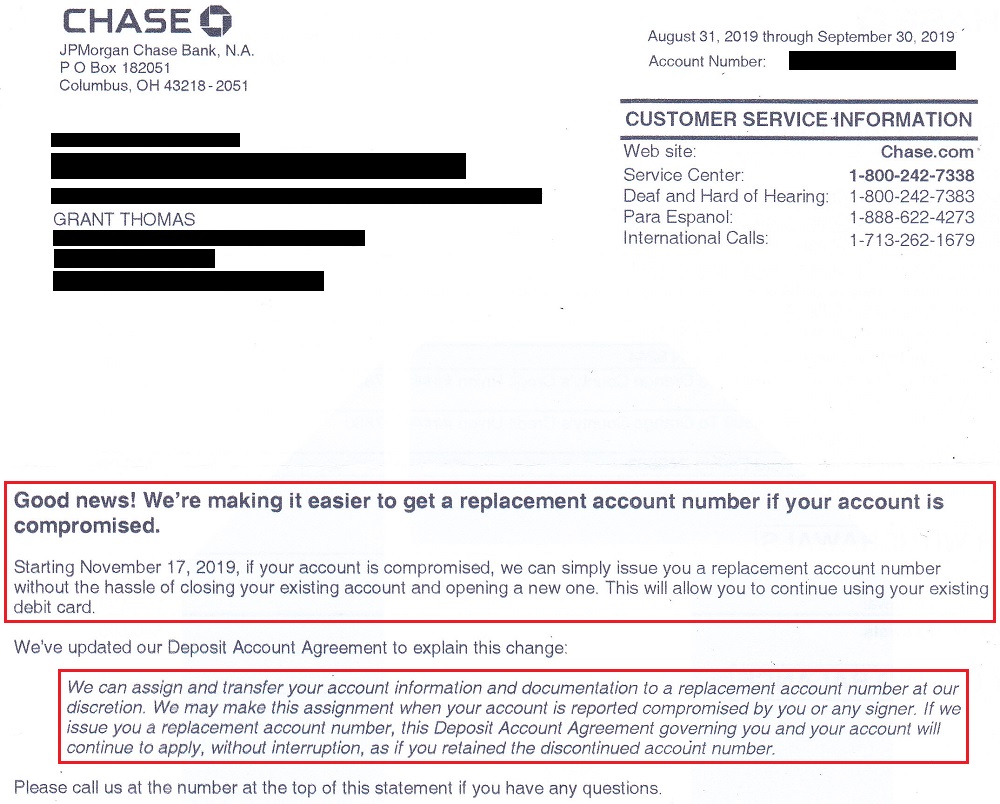
Demystifying Chase Account Numbers: The Core Answer and Its Nuances
Your bank account number is the unique identifier for your specific account at a financial institution. Think of it as your personal address within the bank’s vast system, directing funds precisely where they need to go.
The Standard Range: 10 to 12 Digits Explained
For most personal checking and savings accounts at Chase Bank, the account number you’ll encounter will generally be 10 digits long. However, it’s not uncommon for some account types, particularly certain savings accounts, money market accounts, or business accounts, to have 11 or even 12 digits. This slight variability is often a result of how financial institutions segment and manage different product lines and internal legacy systems.
It’s paramount to understand that while these ranges are common, the exact number of digits for your specific account can only be definitively found through your official Chase banking documents. Do not assume your account has a specific length based solely on general information; always verify your unique number.
Why the Variation? Account Types and Internal Systems
The slight differences in account number length can be attributed to several factors:
-
Account Product Variety: Chase offers a wide array of financial products, including various checking accounts (e.g., Chase Total Checking, Chase Sapphire Checking), savings accounts (e.g., Chase Savings), money market accounts, Certificates of Deposit (CDs), and specialized business accounts. Each of these might be assigned an account number based on internal logic that dictates its length.
-
Legacy Systems and Growth: As a large and long-standing institution, Chase has evolved over many decades, acquiring other banks and integrating different technological systems. This can lead to variations in numbering conventions across different types of accounts or those opened at different times or through different acquisition channels.
-
Internal Segmentation: Banks use sophisticated internal numbering schemes to categorize and manage accounts for operational efficiency, risk management, and regulatory compliance. The length of an account number might be a subtle indicator of its internal classification within Chase’s extensive infrastructure.
It’s also vital to distinguish your account number from other sensitive numbers like your credit card number (typically 16 digits) or your bank’s routing number (always 9 digits). Each serves a distinct purpose in facilitating financial transactions.
Beyond the Digits: Understanding Your Chase Routing Number
While your account number identifies your specific account, it cannot complete a transaction on its own. For funds to move between banks, another critical piece of information is required: the routing number.
The Critical Role of Routing Numbers
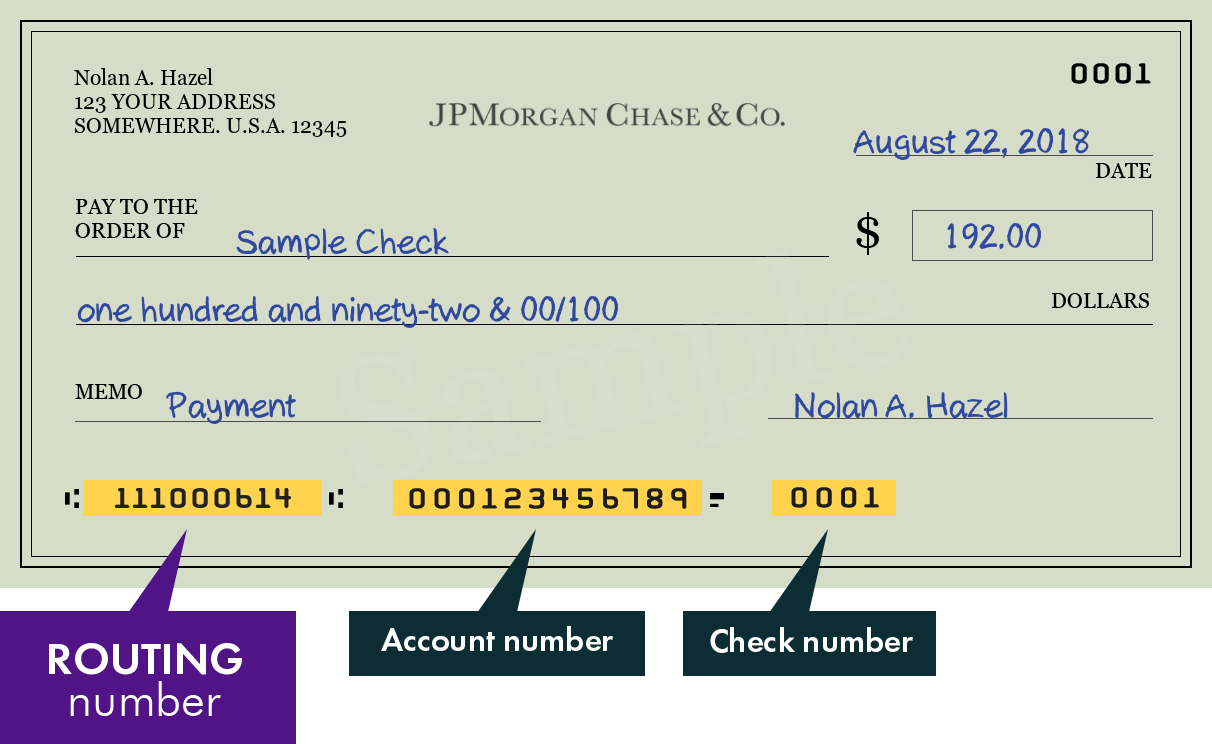
A routing number, also known as an ABA (American Bankers Association) routing transit number, is a 9-digit code that identifies the financial institution itself. It’s essentially the “address” for the bank, telling other financial institutions where to send or receive funds.
Routing numbers are absolutely essential for:
-
Electronic Funds Transfers (EFTs): Including Automated Clearing House (ACH) transactions like direct deposits, automated bill payments, and transfers between bank accounts.
-
Wire Transfers: Though sometimes requiring additional details for international wires (like a SWIFT code), the routing number is foundational.
-
Check Processing: The routing number is printed on the bottom left of your checks, enabling the correct bank to be identified for clearing funds.
Without a correct routing number, your account number alone is insufficient to direct funds to or from Chase. Both pieces of information work in tandem to ensure accuracy and security in financial transactions.
Locating Your Chase Routing Number
Unlike account numbers, which are unique to you, routing numbers are specific to a bank and sometimes even to a particular region or type of transaction within that bank. Chase, being a national bank, utilizes several different routing numbers depending on where you opened your account and the nature of the transaction.
Here’s where you can find your Chase routing number:
-
Online Banking (Most Reliable): This is often the most accurate place, as Chase’s online portal or mobile app can provide the correct routing number tailored to your specific account and location. Look under account details or for “Account & Routing Numbers.”
-
Your Checks: For checking accounts, the routing number is printed at the bottom of your checks, usually the first set of nine digits on the left.
-
Bank Statements: Your routing number is typically listed on your monthly or quarterly bank statements.
-
Chase’s Official Website: Chase provides a tool or a list of routing numbers on its official website, categorized by state or transaction type (e.g., wire transfers might have a different routing number than ACH transfers). Always cross-reference with your personal account details if possible.
It’s crucial to verify the correct routing number for your specific purpose, especially for wire transfers, as using an incorrect number can lead to delays, fees, or even funds being sent to the wrong institution.
The Interplay of Account and Routing Numbers in Financial Transactions
The combination of your account number and routing number forms the complete picture needed for almost any electronic financial transaction involving your bank.
Direct Deposits and Automated Payments
When you set up direct deposit for your paycheck, social security benefits, or tax refunds, you’ll need to provide both your Chase account number and the correct Chase routing number. The same applies to setting up automated bill payments or recurring transfers from your account. The routing number ensures the funds arrive at Chase, and the account number directs them to your specific checking or savings account within Chase. Accuracy is paramount here; even a single digit error can cause significant delays or misdirection of funds, leading to missed payments or payroll issues.

Wire Transfers vs. ACH Transfers
Understanding the distinction between these two common transfer types highlights the importance of correct banking information:
-
ACH (Automated Clearing House) Transfers: These are common, lower-cost electronic transfers used for direct deposits, bill pay, and person-to-person payments (like Zelle). They typically take 1-3 business days to process. Both your account and routing numbers are required.
-
Wire Transfers: These are faster, often same-day, and generally more expensive. They are used for larger, time-sensitive transactions. For domestic wires, your account and routing numbers are necessary. For international wires, an additional SWIFT/BIC (Society for Worldwide Interbank Financial Telecommunication / Bank Identifier Code) code is usually required to identify the receiving bank globally. Mistakes in any of these numbers can be particularly costly and difficult to rectify with wire transfers.
Digital Banking and Security Implications
Modern banking largely takes place online or via mobile apps. These platforms streamline the process of initiating transfers and accessing your account details. However, this convenience also places a premium on digital security. When you input your account and routing numbers into a payment portal or banking app, you are entrusting sensitive information. Always ensure you are on a secure, legitimate website or app and use strong, unique passwords combined with two-factor authentication (2FA) to protect your online banking credentials.
Safeguarding Your Financial Information: Best Practices for Chase Account Holders
Knowing your account number and routing number is important, but protecting them is even more so. These numbers, especially in combination, are key to your financial identity and can be exploited by fraudsters.
Protecting Your Account Number from Fraud
While not as immediately dangerous as a full credit card number with its security code, your bank account number is still sensitive. Here’s how to protect it:
-
Be Skeptical of Unsolicited Requests: Never provide your account number (or any other sensitive financial information) in response to unsolicited emails, phone calls, or texts, even if they claim to be from Chase. Chase will rarely ask for this information directly via these channels if they already have it.
-
Use Secure Platforms: When sharing your account number for legitimate purposes (e.g., setting up direct deposit with your employer), ensure you are using a secure, verified portal or submitting it directly on official forms.
-
Shred Documents: Old bank statements, voided checks, and any other documents containing your account information should be securely shredded before disposal.
-
Public Wi-Fi Caution: Avoid accessing your banking accounts or performing transactions that require inputting sensitive numbers on unsecured public Wi-Fi networks.
Monitoring Your Account Activity
Vigilance is your strongest defense against financial fraud.
-
Regularly Review Statements: Carefully examine your monthly bank statements for any unfamiliar transactions.
-
Utilize Online Banking and Alerts: Log into your Chase online banking or mobile app frequently to check your transaction history. Set up account alerts to notify you of large transactions, low balances, or suspicious activity.
-
Report Suspicious Activity Immediately: If you notice any unauthorized transactions or believe your account information has been compromised, contact Chase’s fraud department immediately. The sooner you report it, the better your chances of resolving the issue and limiting your liability.
Securely Storing and Accessing Your Information
Adopt habits that minimize exposure of your financial details:
-
Avoid Writing It Down Carelessly: Don’t jot down your account number on easily misplaced notes or store it in unencrypted files on your computer.
-
Use Password Managers: For your online banking login credentials, use a reputable password manager. This helps you create and store strong, unique passwords that are difficult for fraudsters to guess.
-
Physical Security: Keep physical checks and bank statements in a secure location where they are not easily accessible to others.
Beyond the Numbers: Maximizing Your Chase Banking Experience
Understanding the mechanics of your account number and routing number is foundational, but it’s just one aspect of effectively managing your finances with Chase.
Leveraging Online and Mobile Banking Features
Chase’s robust online banking portal and mobile app offer a suite of tools that go far beyond just checking balances. These include:
-
Bill Pay: Schedule and manage payments to various vendors.
-
Zelle: Send and receive money quickly to friends and family using just an email or phone number, without directly exchanging account numbers.
-
Internal Transfers: Easily move funds between your different Chase accounts.
-
Budgeting Tools: Many online platforms integrate tools to help you track spending and categorize transactions.
Crucially, these platforms also provide easy and secure access to your account and routing numbers when you legitimately need them.
Understanding Different Chase Account Offerings
Chase provides a diverse portfolio of financial products designed to meet various needs. Whether you’re a student, a salaried professional, or a small business owner, understanding the features and benefits of different checking, savings, and investment accounts can help you choose the best fit for your financial goals. Each of these accounts will, of course, come with its own unique account number, underscoring the importance of knowing which number corresponds to which account.
Customer Support and Resources
Should you ever have questions about your account numbers, routing numbers, or any transactions, Chase offers comprehensive customer support. The official Chase website, their customer service phone lines, and in-person visits to branches are all reliable sources of information. Always refer to these official channels for clarification, especially when dealing with sensitive financial details.
Conclusion
The question “how many digits in a Chase bank account number?” leads us down a path of fundamental financial literacy. While the typical answer is 10 to 12 digits, the true value lies in understanding the context: how this number works in conjunction with a 9-digit routing number to facilitate transactions, the importance of accuracy in both, and the absolute necessity of safeguarding this information.
By staying informed, utilizing Chase’s digital tools responsibly, and adhering to best practices for financial security, you empower yourself to navigate the world of personal finance with confidence and precision. Knowing these essential details is not just about banking; it’s about taking proactive control of your financial well-being.
aViewFromTheCave is a participant in the Amazon Services LLC Associates Program, an affiliate advertising program designed to provide a means for sites to earn advertising fees by advertising and linking to Amazon.com. Amazon, the Amazon logo, AmazonSupply, and the AmazonSupply logo are trademarks of Amazon.com, Inc. or its affiliates. As an Amazon Associate we earn affiliate commissions from qualifying purchases.