
Electronic Benefits Transfer (EBT) has revolutionized the way state and federal governments distribute aid, moving away from paper coupons to a more streamlined, debit-like system. However, for many recipients, the nuances of accessing these funds—particularly cash benefits—can be complex. Understanding the mechanics of your EBT card is a critical component of personal financial management, ensuring you can access your resources efficiently while avoiding unnecessary fees and security risks.
To successfully manage your EBT account, you must first distinguish between the two primary types of benefits loaded onto these cards: the Supplemental Nutrition Assistance Program (SNAP) and Cash Assistance. While both are accessed via the same physical card, they are governed by different rules regarding where and how the funds can be spent or withdrawn.
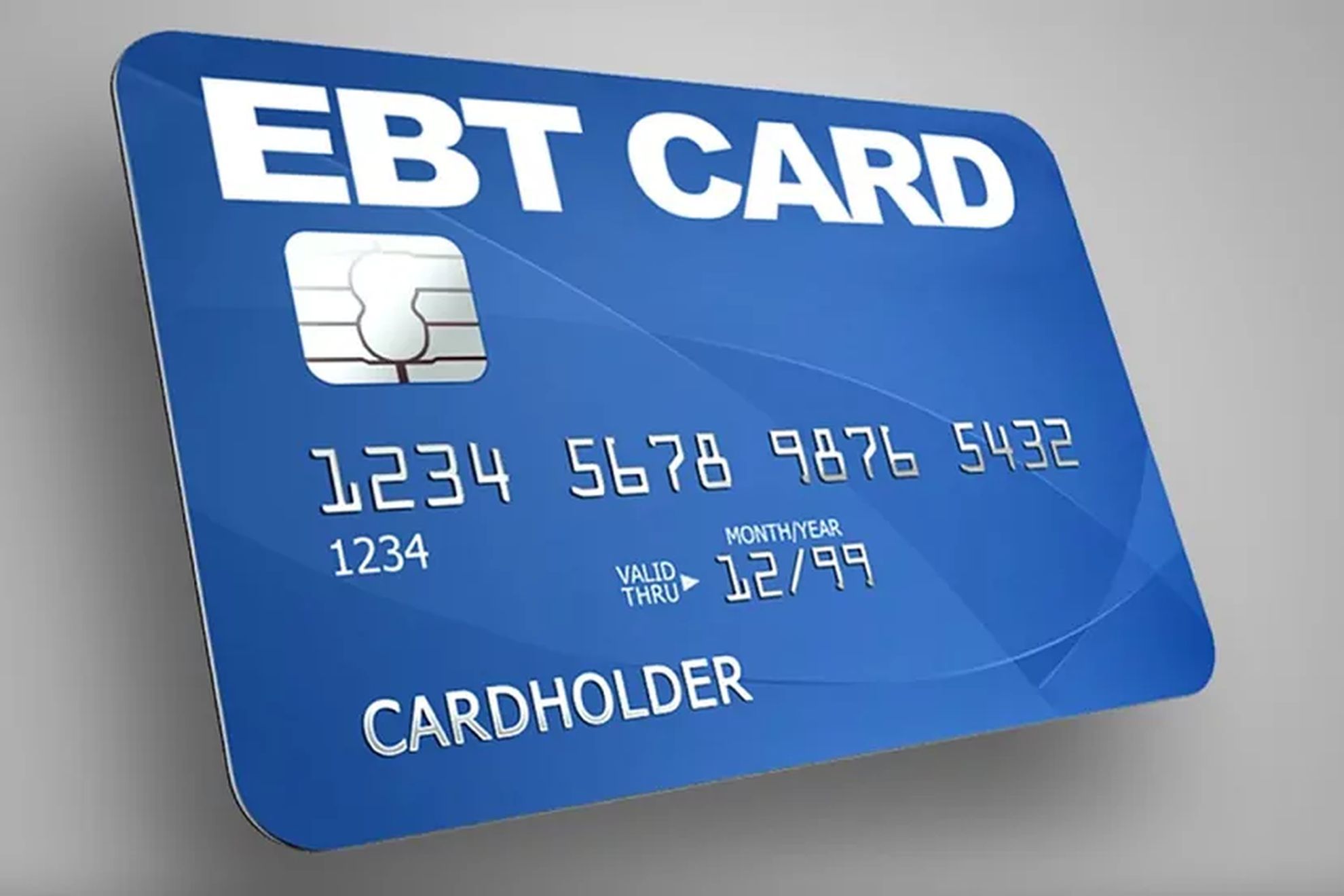
Understanding Your EBT Account: SNAP vs. Cash Programs
The foundation of using an EBT card effectively lies in identifying which benefits you are eligible for and how they are categorized within the system. An EBT card serves as a gateway to multiple “purses” or sub-accounts, and the rules for one do not apply to the other.
The Electronic Benefits Transfer System
The EBT system is a financial network that allows state welfare departments to issue benefits via a magnetically encoded payment card. This system is designed to mirror the infrastructure used by traditional commercial banks, making it compatible with most Point-of-Sale (POS) terminals and Automated Teller Machines (ATMs). By utilizing this existing financial framework, the government reduces administrative costs and provides recipients with a more discreet and convenient way to manage their household finances.
Identifying Your Benefit Type
It is a common misconception that all funds on an EBT card can be converted to cash. Only those enrolled in specific “Cash Assistance” programs—such as Temporary Assistance for Needy Families (TANF), Refugee Cash Assistance, or state-funded general assistance programs—have the ability to withdraw physical currency.
SNAP benefits, formerly known as food stamps, are strictly limited to the purchase of eligible food items and cannot be withdrawn as cash. If your account only contains SNAP benefits, any attempt to withdraw cash at an ATM will be declined. Before attempting a withdrawal, you should check your latest benefit statement or use your state’s official EBT portal to confirm your cash balance.
How to Withdraw Cash Using an ATM
For those receiving cash benefits, the most direct way to access physical currency is through an ATM. While the process is very similar to using a standard bank debit card, there are specific protocols and symbols you should look for to ensure a successful transaction.
Locating a Participating ATM
Most ATMs that participate in the Quest® network will allow EBT cash withdrawals. The Quest symbol—a red and black graphic typically found on the machine or the surrounding signage—signifies that the ATM is equipped to handle government benefit transactions. In many states, large national banks and credit unions are required to provide access to EBT cardholders.
It is important to note that certain locations are legally restricted from hosting EBT-accessible ATMs. Under federal and state laws, EBT cards generally cannot be used at ATMs located within casinos, liquor stores, adult entertainment venues, or bail bond agencies. Attempting to use your card at these locations may result in a blocked transaction or, in some jurisdictions, a violation of program rules that could jeopardize your eligibility.
The Step-by-Step Withdrawal Process
Once you have located a participating ATM, the withdrawal process follows these standard steps:
-
Insert your card: Place your EBT card into the machine as you would any other bank card.
-
Enter your PIN: Your Personal Identification Number (PIN) is the key to your account. It is vital to keep this number secret and never write it on the card itself.
-
Select “Withdrawal”: Choose the withdrawal option from the main menu.
-
Select the Account Type: This is where many users encounter confusion. Most ATMs will prompt you to choose between “Checking” or “Savings.” In the context of an EBT card, you should select “Checking.” Some newer ATMs may explicitly offer a “Cash Benefits” option, which should be prioritized if available.
-
Enter the Amount: Input the amount of cash you wish to withdraw, ensuring it does not exceed your available balance or the machine’s specific limits.
-
Confirm Fees: If the ATM operator charges a surcharge, the machine will display this fee and ask for your consent before proceeding.
-
Collect Your Cash and Receipt: Always take your receipt, as it typically displays your remaining balance, which is essential for ongoing budget planning.
Maximizing Utility through Cash-Back at Retailers

While ATMs offer convenience, they often come with transaction fees that can eat into your monthly budget. An alternative method for obtaining cash is the “cash-back” option available at many retail registers.
Navigating Point-of-Sale (POS) Transactions
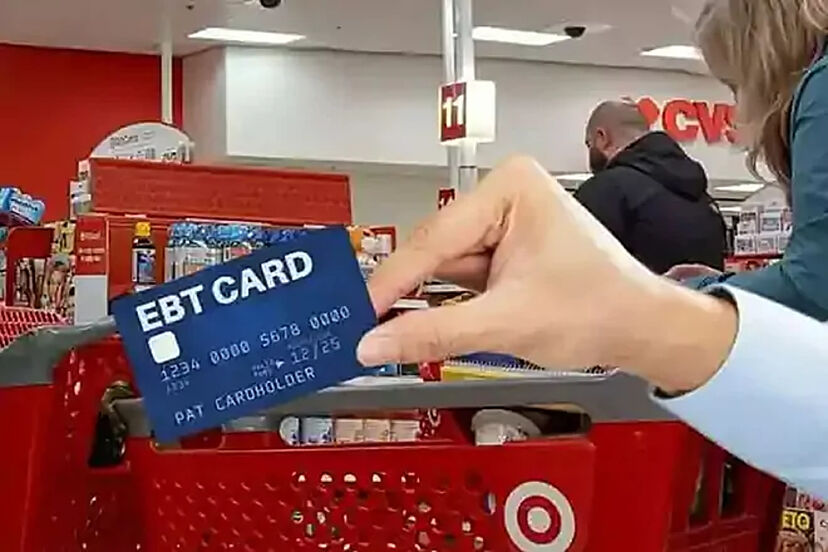
Retailers such as grocery stores, pharmacies, and large-scale “big box” stores often allow EBT cardholders to receive cash back when making a purchase. To do this, you simply swipe your card at the POS terminal and select the “Cash” or “EBT Cash” option. After entering your PIN, the terminal will ask if you would like cash back.
Unlike SNAP transactions, which can only be used for food, a cash-back transaction using your cash benefits can be performed regardless of what you are purchasing, provided the retailer supports the feature. Some retailers allow “cash-only” transactions where no purchase is required, though this is less common and usually restricted to customer service desks.
Advantages of Retail Cash-Back
The primary advantage of utilizing the cash-back feature is the avoidance of ATM surcharges. Most major retailers do not charge a fee for providing cash back, although they may impose a limit on the maximum amount you can receive per transaction (e.g., $20, $50, or $100). By integrating your cash withdrawals with your regular shopping trips, you can save several dollars a month in fees, which adds up significantly over the course of a year. Furthermore, retail environments are often safer and more well-lit than standalone outdoor ATMs, providing an extra layer of security during your financial transactions.
Financial Management: Fees, Limits, and Best Practices
Successful personal finance management requires a keen eye for hidden costs. When using an EBT card for cash, being aware of how fees and limits operate can help you retain more of your benefits for essential expenses.
Managing Surcharges and Transaction Costs
There are two types of fees associated with EBT cash withdrawals:
-
State-imposed Transaction Fees: Some states provide a set number of free ATM withdrawals per month (often two or three). After these free transactions are exhausted, the state may deduct a small fee (usually around $1.00) from your account for each subsequent withdrawal.
-
ATM Operator Surcharges: These are fees charged by the bank or company that owns the ATM. These can range from $2.00 to $5.00 or more.
To minimize these costs, plan your withdrawals carefully. Instead of making multiple small withdrawals throughout the month, try to withdraw a larger sum once or twice, staying within your state’s “free” transaction window. Additionally, seek out “surcharge-free” ATMs, which are often found in specific credit union networks or at stores that have partnered with the state’s EBT vendor.
Understanding Program Restrictions
It is vital to remember that while cash benefits offer more flexibility than SNAP, they are still intended for essential household needs. Using EBT cash for prohibited activities or at prohibited locations is a serious matter. Financial literacy in this context means understanding that your spending patterns are subject to audit. Maintaining receipts and using the cash for its intended purpose—such as rent, utilities, clothing, and transportation—is the best way to ensure continued access to the program.
Security and Account Management in the Digital Age
In an era of increasing digital fraud, protecting your EBT account is as important as protecting a traditional bank account. Because EBT cards lack some of the robust fraud protections found with commercial credit cards, proactive security measures are essential.
Protecting Your PIN and Identifying Fraud
Your PIN is your first line of defense. Never share it with anyone, including store clerks or individuals claiming to be government officials. When using an ATM or POS terminal, shield the keypad with your hand to prevent “shoulder surfing” or capture by hidden cameras.
Be wary of “skimming” devices—small overlays placed on top of legitimate card readers that steal your card information. If a card slot feels loose, crooked, or damaged, do not use it. If you suspect your card has been compromised, contact your state’s EBT customer service hotline immediately to freeze the card and request a replacement.
Utilizing Digital Tools for Balance Tracking
Most EBT programs now offer mobile apps or web portals that allow you to monitor your balance in real-time. Regularly checking your transaction history is a key financial habit; it allows you to spot unauthorized transactions early and helps you keep track of your spending throughout the month. Many third-party apps also exist to help EBT users manage their funds, find participating retailers, and even access coupons to stretch their benefits further. However, ensure you are using a reputable app with high security standards to protect your account details.
By understanding the distinction between benefit types, mastering the mechanics of ATMs and POS terminals, and staying vigilant about fees and security, you can turn your EBT card into a powerful tool for financial stability. Accessing your cash efficiently is not just a matter of convenience—it is a fundamental aspect of managing your household’s economic health.
aViewFromTheCave is a participant in the Amazon Services LLC Associates Program, an affiliate advertising program designed to provide a means for sites to earn advertising fees by advertising and linking to Amazon.com. Amazon, the Amazon logo, AmazonSupply, and the AmazonSupply logo are trademarks of Amazon.com, Inc. or its affiliates. As an Amazon Associate we earn affiliate commissions from qualifying purchases.