
In the intricate world of personal finance, your bank account number is a critical piece of information, serving as your unique identifier within your financial institution. While often readily available, knowing exactly where to locate it on a physical check can be surprisingly crucial for various transactions, from setting up direct deposit to managing bill payments. This guide demystifies the structure of a check, pinpoints the location of your account number, and explores why this seemingly small detail holds significant financial weight.
Understanding the Anatomy of Your Check: More Than Just Paper
Before delving into the specifics of finding your account number, it’s essential to grasp the fundamental components printed on every standard check. These elements work in concert to facilitate secure and accurate financial transactions, acting as a paper-based command for your bank to move money. Beneath the surface of dates, payees, and amounts lies a series of numbers, printed in a special font, that are the true operational backbone of the check. Understanding each segment is the first step toward proficiently managing your finances.

The Routing Number: Your Bank’s Digital Address
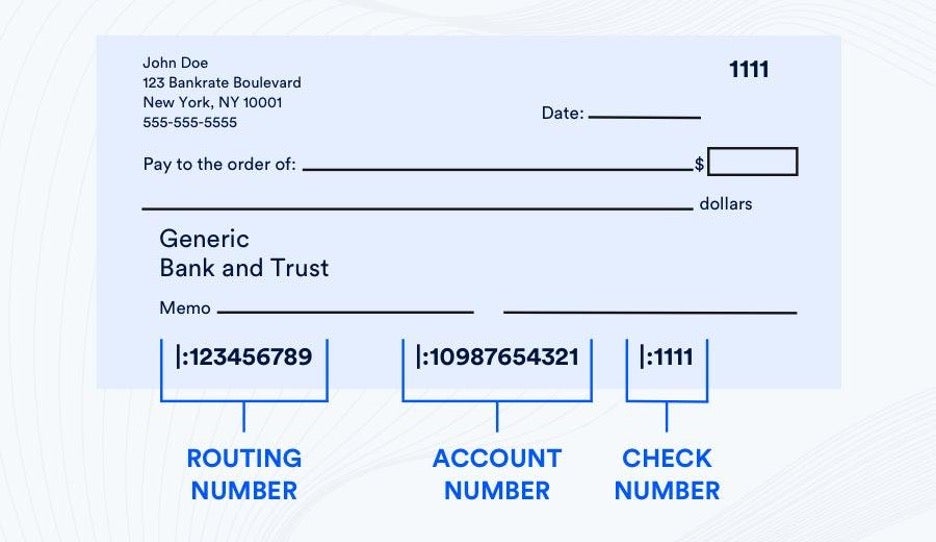
The routing number, also known as the American Bankers Association (ABA) routing transit number, is a nine-digit code that identifies your financial institution. Think of it as your bank’s specific digital address, ensuring that funds are routed to the correct bank regardless of where the check is deposited. This number is unique to each bank and, in some cases, to specific branches or types of accounts within a larger institution. It’s the first set of numbers you’ll typically see on the bottom left of your check, printed in magnetic ink character recognition (MICR) font. Without the correct routing number, your check would be lost in the vast financial network.
The Account Number: Your Personal Identifier
This is the central focus of our discussion. Your account number is a unique string of digits assigned specifically to your checking (or savings) account within your financial institution. It’s what differentiates your money from everyone else’s money at that same bank. While routing numbers identify the bank, account numbers identify your specific account. This number can vary in length, typically ranging from 10 to 12 digits, though some banks may use fewer or more. Its precise location on the check is paramount for various financial tasks, as we will explore in detail. It usually appears as the second set of numbers printed in MICR font on the bottom of the check.
The Check Number: Tracking Your Transactions
The check number is a sequential identifier that helps you and your bank keep track of individual checks. Each check from your checkbook will have a unique number, typically found in two places: in the upper right-hand corner of the check and as the third set of numbers printed in MICR font at the bottom. This number is crucial for reconciliation, allowing you to match cleared checks against your transaction register or bank statement. It helps prevent fraud by making it harder to duplicate or alter a check without detection and simplifies the process of ordering new checks by indicating the last used number.
Other Key Elements: Completing the Transaction Picture
While not numeric identifiers for your account, other elements on a check complete the transaction picture. The payee line specifies who the check is being written to, the date line indicates when the check was written, the amount boxes (numerical and written) detail the sum of money, the memo line allows for a brief description of the payment, and the signature line authorizes the transaction. While these are critical for the check’s validity, it’s the routing and account numbers that facilitate the underlying movement of funds through the financial system.
Locating Your Account Number Directly on the Check
With a solid understanding of a check’s components, finding your account number becomes straightforward. The key lies in understanding the Magnetic Ink Character Recognition (MICR) line—a specialized printing technology designed for automated processing.
The MICR Line: Your Primary Source
The MICR line is the string of numbers printed at the very bottom of your check in a distinctive, often slightly bolder, font. This line is specifically designed to be read by machines, allowing for rapid and accurate processing of checks. It typically contains three distinct sets of numbers, separated by special symbols:
-
Routing Number: This is almost always the first set of nine digits on the far left.
-
Account Number: This is typically the middle set of numbers. Its length can vary, but it’s unmistakably positioned between the routing number and the check number.
-
Check Number: This is the last set of numbers on the right, often preceded by a special symbol to denote it as the check number. You’ll notice it matches the number in the upper right corner of your check.
For example, a MICR line might look something like this:
⑆012345678⑆ 1234567890⑆ 2501
In this example:
-
012345678is the Routing Number. -
1234567890is the Account Number. -
2501is the Check Number.
Visual Cues and Placement Variations
While the general order on the MICR line (Routing – Account – Check Number) is standard across most U.S. banks, slight variations in the exact symbols or spacing might occur. However, the sequence remains consistent enough that you should be able to identify your account number as the distinct string of digits positioned between the routing number and the check number. Always double-check that the check number on the MICR line matches the one in the top right corner to confirm you’re reading the line correctly. Some banks might place the check number before the account number in the MICR line, but this is less common. The key is to look for the distinct nine-digit routing number first, which helps anchor your search for the account number.
What to Do if You Can’t Decipher It
Occasionally, a check might be damaged, or the printing might be faded, making the MICR line difficult to read. If you find yourself in this situation, do not guess your account number. An incorrect number can lead to failed transactions, fees, or even funds being directed to the wrong account. In such cases, it’s best to resort to alternative methods of finding your account number, which we will explore shortly. Accuracy is paramount when dealing with financial details.
Why Your Account Number is Crucial: Beyond Basic Check Writing
Your account number isn’t just for writing checks; it’s a fundamental identifier that facilitates numerous essential financial activities. Understanding its utility underscores the importance of knowing where to find it and, crucially, how to safeguard it. It acts as a bridge, connecting your personal finances to the broader economic landscape.
Setting Up Direct Deposit
Perhaps one of the most common uses, your account number is indispensable for setting up direct deposit for your paycheck, tax refunds, or government benefits. By providing your employer or payer with your routing and account numbers, you ensure that funds are electronically transferred directly into your bank account, saving time and preventing delays associated with paper checks. This financial automation is a cornerstone of modern personal finance management.
Automatic Bill Payments (ACH Transfers)
Many individuals set up recurring bill payments directly from their bank accounts using the Automated Clearing House (ACH) network. Whether it’s for utilities, loan payments, or subscriptions, providing your account and routing numbers authorizes the merchant to automatically withdraw funds on scheduled dates. This offers convenience and helps avoid late fees, contributing significantly to financial stability.
Initiating Wire Transfers
For larger or international money transfers, wire transfers are often utilized. To send or receive a wire transfer, you will almost certainly need your full account number, along with your bank’s routing number and sometimes a SWIFT/BIC code for international transfers. Wire transfers offer a fast and secure way to move substantial sums, but they demand precise account details.
Linking External Accounts and Financial Tools
In today’s digital age, many personal finance apps, budgeting tools, and investment platforms allow you to link your primary checking account for seamless transfers and financial tracking. This often requires you to input your bank’s routing number and your account number to establish a secure connection, enabling you to manage your financial ecosystem from a centralized dashboard.
Ordering New Checks
When it’s time to replenish your checkbook, most online or in-person ordering services will require your account number to ensure the new checks are correctly linked to your existing bank account. This detail ensures that your new checks are ready for use immediately upon arrival, avoiding any interruption in your ability to make payments.
Alternative Ways to Find Your Account Number (Beyond the Check)
While your physical check is a reliable source for your account number, it’s not the only one. In situations where a check isn’t handy or readable, several other methods can provide you with the necessary information, offering flexibility and convenience.
Online Banking Portals
Most modern financial institutions offer robust online banking platforms. After securely logging into your account, you can typically find your account number displayed prominently on your account summary page, or within the “Account Details,” “Statements,” or “Information” sections. This is often the quickest and most secure way to access your financial details digitally. Many banks will mask some digits for security, requiring an extra step like clicking “reveal” or entering a password to view the full number.
Bank Statements
Your monthly or quarterly bank statements, whether paper or electronic (e-statements), will clearly list your account number. These statements provide a comprehensive overview of your account activity, and your account number is a standard piece of identifying information included on them. If you receive paper statements, check the top section. For e-statements, you can often download a PDF version through your online banking portal.
Contacting Your Bank Directly
If digital methods are unavailable or you prefer direct assistance, calling your bank’s customer service line or visiting a local branch can provide you with your account number. Be prepared to verify your identity thoroughly (e.g., provide your Social Security number, date of birth, mother’s maiden name, or answer security questions) to ensure your financial information is protected. Bank tellers are well-equipped to assist with such inquiries.
Mobile Banking Apps
Similar to online banking portals, most bank-issued mobile applications allow you to view your account details, including your account number, directly from your smartphone or tablet. Accessing this information typically requires logging in with your credentials and often an additional security measure, like a fingerprint or facial recognition, making it a convenient and secure option on the go.
Safeguarding Your Financial Information: A Prudent Approach
Knowing where to find your account number is crucial, but equally important is understanding how to protect it. Your account number, especially when paired with your routing number, can be used to initiate transactions. While it’s not enough on its own to drain your account (it lacks your signature or PIN), it’s a vital piece of the puzzle for potential fraudsters.
The Risks of Exposure
If your routing and account numbers fall into the wrong hands, they could potentially be used to set up unauthorized direct debits (ACH withdrawals) from your account. While banks typically offer fraud protection and recourse for unauthorized transactions, the process of rectifying fraudulent activity can be time-consuming and stressful. Identity theft and financial fraud are real threats, making vigilance essential.
Best Practices for Check Management
-
Store Checks Securely: Keep unused checks in a locked drawer or safe place, away from easy access.
-
Shred Old Checks: Before discarding old or voided checks, shred them thoroughly to prevent anyone from obtaining your banking information.
-
Review Statements Regularly: Promptly review your bank statements for any unfamiliar transactions. Early detection of fraud can significantly mitigate its impact.
-
Be Mindful of Online Sharing: Only provide your account number to trusted entities and through secure channels (e.g., your bank’s official website, a verified employer portal). Avoid sharing it via unencrypted email or public Wi-Fi networks.

When and How to Share Your Account Number
Sharing your account number is a necessary part of modern financial life. The key is to do so judiciously and securely:
-
Employer: For direct deposit, this is a standard and secure request.
-
Trusted Billers: For automatic payments, ensure the company is reputable and uses secure payment processing.
-
Financial Advisors/Institutions: When setting up investments or loans, your account number will be required by licensed professionals.
-
Government Agencies: For tax refunds or benefits, ensure you’re interacting with official government websites or forms.
Always double-check the legitimacy of any request for your account number. If something feels suspicious, verify the request directly with the organization using their official contact information, not through links or numbers provided in the suspicious request itself.
In conclusion, your account number is a cornerstone of your personal financial identity. While easily found on your check, its true value lies in its role in facilitating seamless transactions and connecting you to the broader financial system. By understanding its location, its uses, and crucially, how to protect it, you empower yourself to manage your finances with confidence, security, and insight.
aViewFromTheCave is a participant in the Amazon Services LLC Associates Program, an affiliate advertising program designed to provide a means for sites to earn advertising fees by advertising and linking to Amazon.com. Amazon, the Amazon logo, AmazonSupply, and the AmazonSupply logo are trademarks of Amazon.com, Inc. or its affiliates. As an Amazon Associate we earn affiliate commissions from qualifying purchases.