
In an increasingly digital world, managing personal finance has become more streamlined and accessible than ever before. Among the myriad of financial tools available, credit cards stand out as powerful instruments for building credit, earning rewards, and providing financial flexibility. The process of acquiring one has also largely migrated online, offering unparalleled convenience and speed. However, navigating the online application landscape requires a clear understanding of the process, necessary preparations, and a commitment to responsible financial stewardship. This guide delves into the nuances of applying for a credit card online, equipping you with the knowledge to make informed decisions and secure a financial product that aligns with your monetary goals.
Understanding Credit Cards in the Digital Age
The journey of credit card applications has mirrored the broader evolution of technology, moving from cumbersome paper forms to instant online submissions. This digital transformation has not only simplified the application process but also fundamentally changed how individuals interact with financial institutions and manage their personal credit.
The Evolution of Credit Card Applications
Historically, applying for a credit card was a lengthy affair, often involving paper applications, physical mail, and considerable waiting periods. The advent of telephone banking brought a modicum of speed, but it was the internet that truly revolutionized the process. Today, online applications have become the norm, offering a seamless, 24/7 accessible platform for individuals to apply from the comfort of their homes. This shift reflects a broader trend in personal finance, where digital solutions are prioritizing user experience, efficiency, and real-time data processing. The transition has empowered consumers with greater control and insight into their financial applications, fostering a more transparent and user-friendly environment.
Benefits of Online Applications
Applying for a credit card online comes with a host of advantages that cater to the modern consumer’s needs. Firstly, convenience is paramount; applications can be submitted anytime, anywhere, eliminating the need for bank visits or postal delays. Secondly, many online applications offer instant decisions, providing immediate feedback on approval status, which can be particularly satisfying for applicants. In cases where an instant decision isn’t possible, the online portal often provides status updates. Thirdly, the digital format facilitates easy comparison of various credit card products across different issuers, allowing applicants to meticulously weigh benefits, interest rates, and fees without sifting through stacks of brochures. Furthermore, online platforms are designed with secure data transmission protocols, utilizing encryption to protect sensitive personal and financial information, often more robustly than traditional paper methods. Lastly, the reduction in paperwork is an environmental and practical benefit, simplifying record-keeping for both the applicant and the issuer.
Common Misconceptions About Credit Cards
Despite their widespread utility, credit cards are often shrouded in misconceptions that can deter potential users or lead to poor financial decisions. One prevalent myth is that credit cards are inherently “debt traps.” While misuse can indeed lead to debt, a credit card, when managed responsibly, is a powerful tool for building credit history, accessing emergency funds, and earning rewards. Another misconception is that credit card applications are overly complex and only for those with perfect credit. In reality, there are cards designed for individuals across the credit spectrum, including those looking to build or rebuild their credit. Understanding that a credit card is a financial instrument that requires discipline, not just an invitation to spend, is crucial. It’s a mechanism for demonstrating financial responsibility, which is vital for securing loans, mortgages, and even certain employment opportunities in the future.
Preparing for Your Online Application
A successful online credit card application begins long before you even click “apply.” Thorough preparation is key to not only securing approval but also ensuring you choose a product that genuinely serves your financial interests.
Assessing Your Credit Health
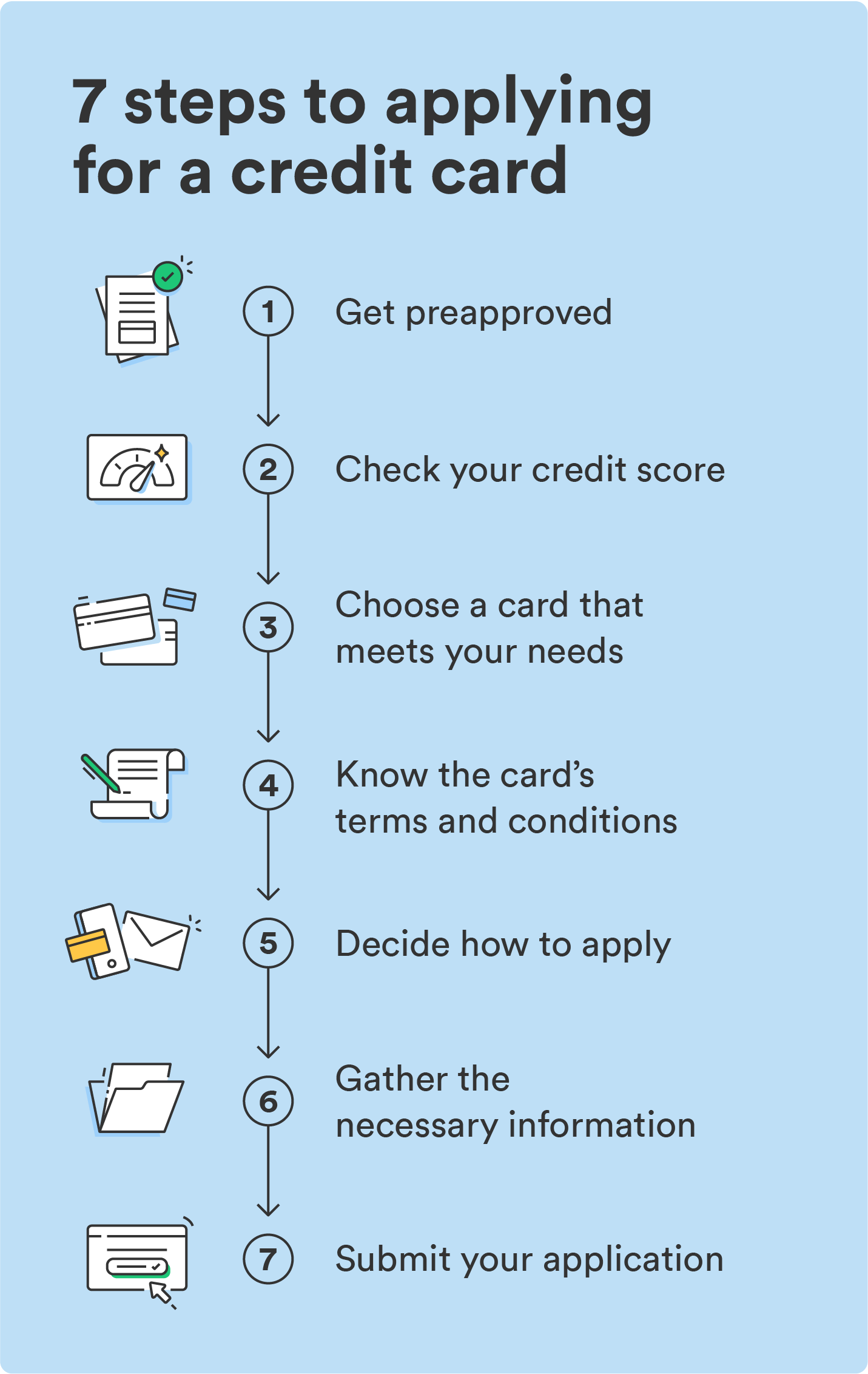
Before applying for any credit product, it is paramount to understand your current credit health. This involves reviewing your credit score and credit report. Your credit score, a three-digit number, is a snapshot of your creditworthiness, primarily influenced by your payment history, credit utilization, length of credit history, new credit, and credit mix. Lenders use this score to assess the risk of lending to you. A higher score typically leads to better interest rates and more favorable terms.
Your credit report provides a detailed account of your credit history, including all your credit accounts, payment history, and any public records (like bankruptcies). You are entitled to a free copy of your credit report from each of the three major credit bureaus (Experian, Equifax, and TransUnion) once every 12 months via AnnualCreditReport.com. Reviewing this report allows you to check for errors that could negatively impact your score and to understand areas where you might need to improve. Lenders typically look for consistent, on-time payments, a low credit utilization ratio (ideally below 30% of your total available credit), and a diverse but manageable credit portfolio.
Gathering Necessary Documentation
Online applications may be swift, but they still require a complete set of accurate information. Before starting, gather the following essential documents and details:
-
Government-Issued Identification: A valid driver’s license, state ID, or passport to verify your identity.
-
Social Security Number (SSN) or Individual Taxpayer Identification Number (ITIN): This is crucial for credit bureaus to pull your credit report and for tax reporting purposes.
-
Proof of Income: This might include recent pay stubs, W-2 forms, tax returns, or bank statements, depending on your employment status. Lenders need to verify you have the means to repay your debts.
-
Current Address: Proof of residence, sometimes requiring utility bills or rental agreements.
-
Employment Information: Details about your employer, job title, and employment duration.
-
Monthly Housing Payments: Whether rent or mortgage, this figure helps lenders assess your overall financial obligations.
Having these details readily available will streamline the application process and prevent delays or potential rejections due to incomplete information.
Researching the Right Credit Card for Your Needs
Not all credit cards are created equal, and choosing the right one is a critical step in effective financial management. Your selection should align with your financial goals and spending habits. Consider the following types and features:
-
Rewards Cards: Offer points, cash back, or travel miles on purchases. Ideal for those who pay off their balance in full each month and want to be rewarded for their spending.
-
Low APR Cards: Feature lower interest rates, beneficial if you anticipate carrying a balance from time to time.
-
Balance Transfer Cards: Designed to help you consolidate and pay off high-interest debt from other cards, often with a promotional 0% APR period.
-
Building Credit Cards (Secured Cards): Require a security deposit, which typically acts as your credit limit. Excellent for those with no credit history or looking to rebuild poor credit.
-
Student Credit Cards: Tailored for college students, often with lower limits and specific rewards.
-
Business Credit Cards: For entrepreneurs and small business owners, separating personal and business expenses.
Utilize reputable credit card comparison websites to filter options based on annual fees, interest rates, rewards programs, sign-up bonuses, and credit score requirements. Focus on cards that offer the most value for your lifestyle and financial situation, avoiding unnecessary fees or features you won’t use.
The Step-by-Step Online Application Process
Once you’ve done your homework and gathered all necessary information, the online application process itself is generally straightforward. However, paying close attention to detail is paramount.
Navigating Issuer Websites and Forms
Start by visiting the official website of the credit card issuer (e.g., Chase, American Express, Capital One) or a reputable financial comparison site that directs you to the issuer’s application page. Locate the specific credit card you wish to apply for and click the “Apply Now” button. The application form will typically be divided into several sections: personal information, contact details, employment and income, and financial information. Ensure you are on a secure site (look for “https://” in the URL and a padlock icon). The user interface is designed to be intuitive, guiding you through each field.
Providing Accurate Personal and Financial Information
This is where the documentation you gathered earlier becomes invaluable. You will be asked to input:
-
Personal Details: Full name, date of birth, SSN/ITIN, mother’s maiden name (for security verification).
-
Contact Information: Current residential address (and previous if you’ve moved recently), phone number, and email address.
-
Employment Status: Select from options like employed, self-employed, retired, student, or unemployed.
-
Income Information: Your gross annual income, often including salary, bonuses, investment income, and sometimes even household income if you’re over 21 and have reasonable access to it.
-
Housing Costs: Your monthly rent or mortgage payment.

Double-check every piece of information for accuracy. Typos or incorrect figures can lead to delays or outright denial. Be honest and transparent; misrepresenting information can have serious repercussions.
Understanding Terms and Conditions
Before submitting your application, you will be presented with the credit card’s terms and conditions. While it may seem tedious, it is crucial to read and understand this document thoroughly. Pay close attention to:
-
Annual Percentage Rate (APR): The interest rate you’ll be charged on balances carried over. Look for introductory APRs, standard purchase APRs, and penalty APRs.
-
Annual Fees: Some premium cards charge an annual fee, while many basic cards do not.
-
Late Payment Fees: Charges incurred if you miss a payment deadline.
-
Cash Advance Fees: Costs associated with withdrawing cash from your credit card.
-
Foreign Transaction Fees: Fees for purchases made in foreign currencies or outside your home country.
-
Grace Period: The number of days you have to pay your bill in full before interest charges apply.
Understanding these terms empowers you to use your card wisely and avoid unexpected costs, thereby managing your personal finance effectively.
Submitting Your Application and Awaiting a Decision
Once all fields are accurately completed and you’ve reviewed the terms, click the “Submit” or “Apply” button. You will usually receive an immediate confirmation that your application has been received. In many cases, especially if your credit profile is strong and straightforward, you might receive an instant approval or denial. If not, the application will go into a “pending” status, meaning it requires further review by a human underwriter. The issuer will typically provide a timeframe for a decision, which could range from a few minutes to several business days. You may receive an email update or be able to check the status through an online portal using your application reference number.
Post-Application: What Happens Next?
The period immediately following your application can range from instant gratification to a period of anxious waiting. Understanding the possible outcomes and subsequent steps is vital for proactive financial management.
Instant Approvals vs. Further Review
An instant approval means your application met the issuer’s criteria, and a credit card is on its way. This is common for applicants with strong credit scores and straightforward financial profiles. You’ll typically receive an email confirmation, and the physical card will be mailed within 7-10 business days.
However, many applications go into further review. This doesn’t necessarily mean denial but indicates that the automated system couldn’t make an immediate decision. Reasons for review might include:
-
Borderline Credit Score: Your score is close to the minimum requirement.
-
New Credit History: Limited credit history might require manual verification.
-
Discrepancies: Minor inconsistencies between your application and your credit report.
-
High Application Volume: During peak periods, manual review backlogs can occur.
-
Needing More Information: The issuer might contact you for additional documentation or clarification.
If your application is under review, resist the urge to apply for multiple other cards, as this can negatively impact your credit score. Patience is key.
What to Do if Your Application is Denied
Receiving a denial can be disheartening, but it’s not the end of your financial journey. Federal law requires issuers to provide a reason for denial in an adverse action letter within 30 days. This letter is crucial as it details the specific factors that led to the rejection.
Upon denial, take these steps:
-
Request a Detailed Reason: Sometimes the adverse action letter isn’t specific enough. You can call the issuer to ask for more detailed feedback.
-
Check Your Credit Report: Scrutinize your credit report for errors that might have contributed to the denial. If you find any, dispute them immediately with the credit bureaus.
-
Consider a Reconsideration Line: Some issuers have a reconsideration department. A polite call explaining your financial situation and addressing the denial reasons might overturn the decision.
-
Improve Your Credit Score: If the denial was due to poor credit, focus on building it. Pay all bills on time, reduce existing debt, and avoid opening new lines of credit for a period.
-
Explore Alternatives: Consider secured credit cards, which require a deposit, or becoming an authorized user on someone else’s account to build credit responsibly.
Activating Your Card and Setting Up Online Accounts
Once your physical card arrives, it’s essential to activate it before use. This usually involves a quick call to an automated line or activating it online through the issuer’s website or mobile app, often requiring your card number and a verification code. Immediately sign the back of your card to prevent unauthorized use.
Next, set up your online account with the credit card issuer. This portal is your command center for managing your credit card. Through it, you can:
-
Monitor Transactions: Keep track of all spending in real-time.
-
View Statements: Access monthly billing statements digitally.
-
Make Payments: Set up one-time or recurring payments, often linking directly to your bank account.
-
Set Up Alerts: Receive notifications for large purchases, upcoming due dates, or when your balance approaches your limit.
-
Access Rewards: Manage and redeem any earned rewards.
Embracing these online tools from the outset is fundamental to responsible credit card management.
Responsible Credit Card Usage and Management
Securing a credit card is merely the first step. The true value and benefit of this financial tool come from its responsible and strategic management, directly impacting your financial wellness and future opportunities within the “Money” realm.
Building a Strong Credit History
Your credit card is a powerful instrument for cultivating a robust credit history, which is essential for major life purchases like a home or car. To build a strong credit history:
-
Pay Your Bills On Time, Every Time: Payment history is the most significant factor in your credit score. Set up automatic payments or calendar reminders to ensure you never miss a due date.
-
Keep Credit Utilization Low: Aim to use less than 30% of your available credit limit. For example, if your limit is $1,000, try to keep your balance below $300. Lower utilization signals less risk to lenders.
-
Maintain a Diverse Credit Mix (Over Time): While not as critical as payment history or utilization, having a mix of credit types (e.g., credit card, car loan, mortgage) can show you can manage different debts.
-
Avoid Opening Too Many New Accounts Simultaneously: Each application results in a “hard inquiry” on your credit report, which can slightly lower your score temporarily. Space out applications if possible.
-
Keep Old Accounts Open: The length of your credit history positively impacts your score. Even if you don’t use an old card often, keeping it open can benefit your credit age.
Managing Debt and Avoiding Pitfalls
While credit cards offer immense flexibility, they also carry the risk of accumulating high-interest debt if not managed carefully.
-
Pay Your Balance in Full: The golden rule of credit cards is to pay your statement balance in full each month to avoid interest charges. This essentially makes your credit card an interest-free loan for purchases.
-
Avoid Minimum Payments: Paying only the minimum amount due can lead to prolonged debt and significant interest accumulation, effectively increasing the cost of your purchases manifold.
-
Create a Budget: Integrate your credit card spending into a comprehensive personal budget. Understand your income and expenses to ensure you’re not overspending.
-
Be Wary of Cash Advances: Cash advances come with high fees and typically accrue interest immediately, making them an expensive form of borrowing.
-
Don’t Max Out Your Cards: This not only hurts your credit utilization ratio but also indicates financial strain.
-
Consolidate High-Interest Debt: If you find yourself with accumulating high-interest debt across multiple cards, consider a balance transfer card or a personal loan with a lower interest rate to consolidate and pay it off more efficiently.
Utilizing Online Tools for Financial Wellness
Modern financial institutions and third-party providers offer a plethora of online tools that can significantly aid in responsible credit card management and overall financial wellness.
-
Mobile Banking Apps: Most credit card issuers have robust mobile apps that allow you to check balances, view transactions, make payments, set up alerts, and even freeze a lost or stolen card instantly.
-
Budgeting Software/Apps: Tools like Mint, YNAB (You Need A Budget), or PocketGuard can link to your credit card accounts and help you track spending, categorize expenses, and visualize your financial health.
-
Credit Monitoring Services: Many banks and credit card companies offer free credit score monitoring and alerts for suspicious activity, helping you stay informed about changes to your credit report.
-
Automated Payment Systems: Set up recurring payments to ensure you never miss a due date, a critical component of maintaining a healthy credit score.
By actively engaging with these digital resources, you transform your credit card from a mere payment tool into an integral part of a proactive and informed personal finance strategy. In the digital age, understanding how to apply for and manage a credit card online is more than just convenience—it’s a cornerstone of financial empowerment.
aViewFromTheCave is a participant in the Amazon Services LLC Associates Program, an affiliate advertising program designed to provide a means for sites to earn advertising fees by advertising and linking to Amazon.com. Amazon, the Amazon logo, AmazonSupply, and the AmazonSupply logo are trademarks of Amazon.com, Inc. or its affiliates. As an Amazon Associate we earn affiliate commissions from qualifying purchases.