
Navigating the world of personal finance can often feel complex, but one fundamental aspect that underpins financial health is the ability to effectively manage and pay your credit card bills. A credit card is a powerful financial tool, offering convenience, rewards, and the ability to build a robust credit history. However, its benefits are contingent on responsible usage, with timely and strategic payments at its core. Failing to pay your credit card can lead to accumulating debt, punitive interest charges, late fees, and significant damage to your credit score, making future borrowing more difficult and expensive.
This guide will demystify the process of paying your credit card, exploring various methods, strategic approaches, and crucial advice to ensure you maintain control over your finances. Whether you’re a first-time cardholder or looking to optimize your payment strategy, understanding the “how” and “why” behind credit card payments is essential for cultivating a healthy financial future.
Understanding Your Credit Card Statement: The Foundation of Payment
Before you even consider how to pay, it’s paramount to understand what you’re paying. Your monthly credit card statement is more than just a bill; it’s a detailed snapshot of your spending, payment obligations, and financial standing with the issuer. Taking the time to review it thoroughly can prevent costly mistakes and provide insights into your spending habits.
Key Components of Your Statement
Each statement typically contains several critical pieces of information:
-
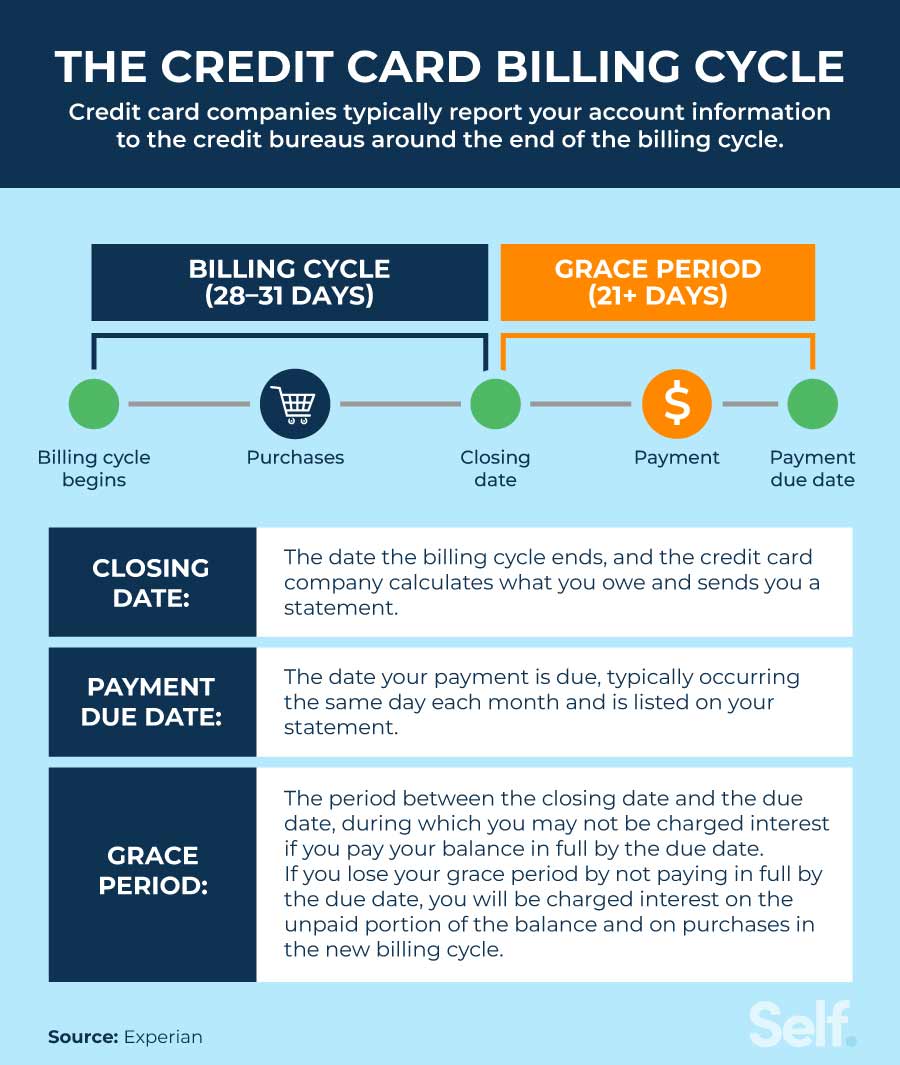
Payment Due Date: This is arguably the most important date. It’s the deadline by which your payment must be received by the issuer to avoid late fees and maintain a good payment history.
-
Minimum Payment Due: This is the smallest amount you must pay to keep your account in good standing. While tempting to pay only this amount, it’s often a significant financial trap, as it barely scratches the surface of your principal balance and allows interest to compound extensively.
-
Total Balance Due/Statement Balance: This is the full amount you owe as of the statement closing date. Paying this amount in full each month is the gold standard for avoiding interest charges.
-
Current Balance/Outstanding Balance: This reflects your total debt, including any new purchases made after the statement closing date.
-
Interest Rate (APR): This indicates the annual percentage rate applied to your outstanding balance if you don’t pay in full. Be aware of different APRs for purchases, cash advances, and balance transfers.
-
Transaction History: A detailed list of all purchases, payments, and credits made during the billing cycle. Reviewing this can help you spot unauthorized transactions or errors.
Why Your Due Date Matters
The payment due date is non-negotiable. Missing it, even by a day, can trigger a cascade of negative consequences. Late fees, which can be substantial, are often immediately applied. Furthermore, your interest rate might increase to a penalty APR, making future debt more expensive. Most critically, late payments are reported to credit bureaus and can significantly damage your credit score, impacting your ability to secure loans, mortgages, or even certain jobs in the future. Always aim to pay several days before the due date to account for processing times and potential unforeseen delays.
The Dangers of Only Paying the Minimum
While paying the minimum keeps your account current, it’s a highly inefficient and costly strategy in the long run. Credit card interest is calculated on your average daily balance. By only paying the minimum, you allow a large portion of your balance to roll over to the next month, accruing more interest. This perpetuates a cycle where a significant chunk of your payment goes towards interest, not the principal, meaning it takes much longer and costs substantially more to pay off your debt. For example, a $5,000 balance with a 20% APR could take decades to pay off if you only make minimum payments, costing you thousands in interest.
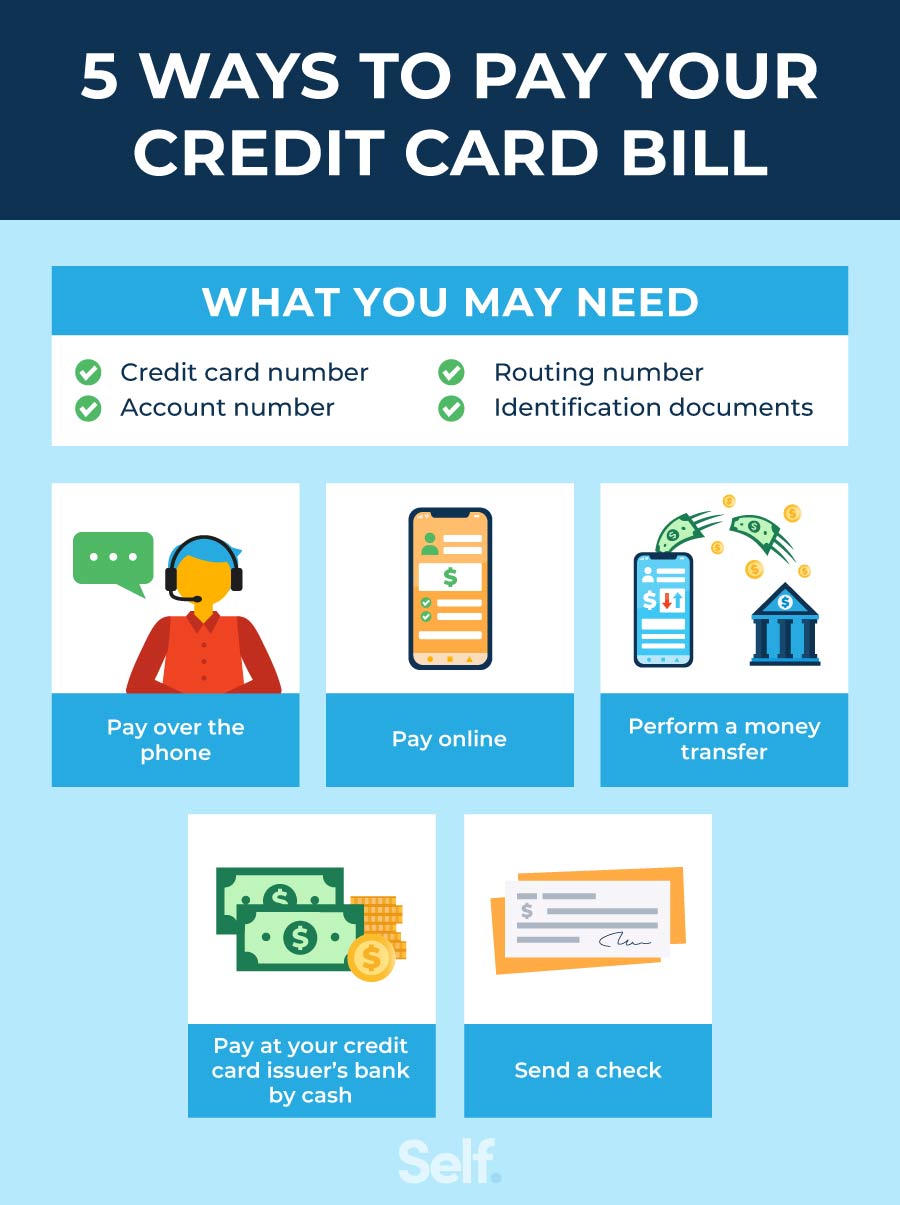
Common Methods for Making Credit Card Payments
Credit card issuers have adapted to modern lifestyles, offering a multitude of convenient ways to make payments. Understanding each method allows you to choose the one that best suits your habits and ensures timely payments.
Online Banking and Mobile App Payments
This is by far the most popular and often recommended method due to its convenience and speed. Almost all credit card issuers offer robust online portals and mobile applications that allow you to manage your account and make payments with just a few clicks or taps.
-
How it Works: You link your checking or savings account to your credit card account through the issuer’s website or app. You can then initiate a one-time payment, set up recurring payments, or even schedule payments for a future date.
-
Pros: Instant confirmation, access 24/7, ability to view statements and transaction history, often allows for immediate payments that post within minutes or hours.
-
Cons: Requires internet access, must ensure you’re using a secure connection, and requires careful input of banking information.
Direct Debit/Automated Payments (Autopay)
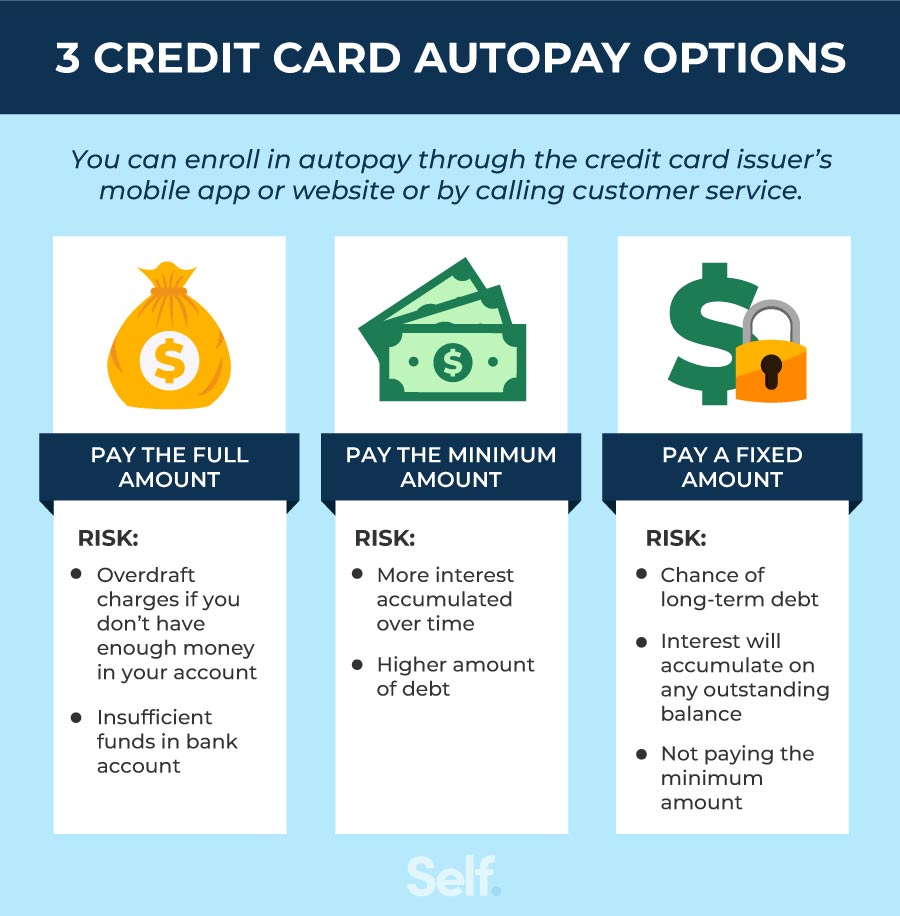
Autopay is a powerful tool for preventing missed payments. You authorize your credit card issuer to automatically deduct a specified amount from your checking or savings account on a pre-determined date each month.
-
How it Works: You set it up once through your online account, choosing to pay the minimum, the full statement balance, or a fixed amount. The payment is then automatically processed on or before your due date.
-
Pros: Guarantees timely payments, helps build a strong credit history, frees you from remembering due dates.
-
Cons: Requires sufficient funds in your linked bank account; if not, it can lead to overdraft fees from your bank and a failed payment fee from your credit card issuer. It also requires you to regularly review your statements to ensure the correct amount is being debited and to catch any errors.
Paying by Phone
If you prefer speaking to a representative or need assistance, paying by phone is a viable option. Most issuers offer an automated phone system or allow you to speak with customer service.
-
How it Works: Dial the customer service number on the back of your card or on your statement. You’ll typically be prompted to enter your account number and banking details.
-
Pros: Direct interaction with customer service for specific queries, good for those without internet access.
-
Cons: Can involve long wait times, less immediate documentation than online payments, and some issuers might charge a small fee for phone payments made with a representative.
Mail-in Payments
While increasingly less common, paying by mail remains an option for those who prefer traditional methods or don’t have internet access.
-
How it Works: You write a check or money order for the payment amount, make it payable to the credit card issuer, and mail it along with the payment coupon from your statement to the address provided.
-
Pros: Simple for those accustomed to traditional banking, no internet required.
-
Cons: Slow processing times (can take 5-7 business days or more), risk of mail delays, no immediate confirmation. You must mail your payment well in advance of the due date.
In-Person Payments
Some credit card issuers, particularly those associated with a bank, allow you to make payments directly at their bank branches. Certain card networks also partner with retail stores or payment centers.
-
How it Works: Visit a participating bank branch or retail partner, present your statement or card number, and make a payment using cash, check, or debit card.
-
Pros: Immediate confirmation of payment, ideal for cash payments, and can be useful if you’re close to a deadline and can’t pay online.
-
Cons: Limited availability of locations, may involve travel time, and retail partners might charge a convenience fee.
Strategic Approaches to Credit Card Payments
Paying your credit card effectively goes beyond simply choosing a method; it involves strategic planning to minimize interest and accelerate debt payoff.
Paying More Than the Minimum
This is the golden rule of credit card management. Every dollar you pay above the minimum goes directly towards reducing your principal balance, which in turn reduces the amount of interest you’ll owe in future billing cycles. Even an extra $20 or $50 a month can significantly cut down your repayment time and total interest paid.
Consider popular debt payoff strategies:
-
Debt Snowball Method: Pay the minimum on all cards except the one with the smallest balance, which you aggressively pay off. Once that’s cleared, roll the payment amount into the next smallest balance. This method offers psychological wins.
-
Debt Avalanche Method: Pay the minimum on all cards except the one with the highest interest rate, which you tackle aggressively. This method saves you the most money on interest in the long run.
Paying Multiple Times a Month
If your budget allows, consider making payments more frequently than once a month. For example, if you get paid bi-weekly, you could make a payment after each paycheck.
- Benefits: This reduces your average daily balance, which can lead to lower interest charges over the billing cycle, especially if you carry a balance. It also helps you stay on top of your spending and ensures you’re allocating funds towards your debt consistently.
Setting Up Payment Reminders
Even with autopay, it’s wise to set up additional reminders. Your issuer might send email or SMS alerts a few days before your due date. You can also use personal calendar reminders or budgeting apps. This acts as a crucial safety net, especially if you’re not using autopay or if there’s an issue with your linked bank account.
Understanding Payment Processing Times
Always factor in how long it takes for a payment to process and post to your account. While online payments through your issuer’s portal might show as “pending” immediately, the funds might not officially clear for a day or two. Mail-in payments take much longer. To avoid late fees, always initiate payments several business days before your due date. Some issuers have cut-off times; a payment made after 5 PM on the due date might be processed the next business day and considered late.
What Happens If You Miss a Payment?
Despite best intentions, sometimes a payment can be missed. Knowing the ramifications and how to respond is critical.
Consequences of Late Payments
-
Late Fees: Almost all issuers impose a late fee, which can be as high as $30-$40 per instance.
-
Interest Rate Hikes (Penalty APR): Many cards have a penalty APR that can be activated after a single late payment. This higher rate can apply to your entire outstanding balance and new purchases.
-
Negative Impact on Credit Score: Payments reported 30 days or more past due will significantly harm your credit score. This mark can stay on your report for up to seven years, making it harder to get approved for loans or favorable interest rates in the future.
-
Loss of Promotional Offers: You might lose introductory 0% APR offers or reward bonuses.
What to Do If You’ve Missed a Payment
-
Pay Immediately: Make the payment as soon as you realize it’s late. The sooner you pay, the less damage to your credit score.
-
Contact Your Issuer: Call customer service. If it’s your first late payment, or if you have a good payment history, they might waive the late fee. They may also be willing to reverse a penalty APR if you commit to on-time payments going forward.
-
Monitor Your Credit Report: Check your credit report a month or two later to ensure the late payment hasn’t been inaccurately reported or remains on your report if it was resolved with the issuer.
Preventing Future Missed Payments
Implement a robust payment system. This might include:
-
Setting up autopay for at least the minimum amount.
-
Using multiple calendar reminders (digital and physical).
-
Consolidating your bills into one accessible spot.
-
Building an emergency fund to avoid having to choose between bills in a crisis.
Advanced Tips for Credit Card Management
Once you have a handle on the basics, you can explore more advanced strategies to optimize your credit card usage and financial health.
Consolidating Debt
If you’re struggling with multiple credit card debts, consolidating them can simplify payments and potentially save you money on interest.
-
Balance Transfer Cards: These cards offer a promotional 0% APR for an introductory period (e.g., 12-18 months), allowing you to transfer existing balances from other cards and pay down the principal without accruing interest. Be mindful of balance transfer fees (typically 3-5%) and ensure you can pay off the balance before the promotional period ends.
-
Personal Loans: A personal loan can consolidate high-interest credit card debt into a single loan with a fixed interest rate and a predictable payment schedule. This can be beneficial if the personal loan’s interest rate is lower than your credit card APRs.
Negotiating with Your Issuer
Don’t be afraid to communicate with your credit card company. If you have a good payment history but are facing temporary financial hardship, they might be willing to work with you by:
-
Lowering Your Interest Rate: A simple phone call might result in a reduced APR, saving you money.
-
Setting Up a Payment Plan: They might offer a temporary payment plan or hardship program.
-
Waiving a Fee: As mentioned, they might waive a late fee as a courtesy.
Building an Emergency Fund
One of the best defenses against credit card debt is a robust emergency fund. Unexpected expenses like medical bills, car repairs, or job loss often push people towards relying on credit cards. Having 3-6 months’ worth of living expenses saved in an easily accessible, separate account can prevent you from accumulating high-interest debt when life throws a curveball.
Conclusion
Paying your credit card isn’t just a monthly chore; it’s a critical component of responsible financial management. By understanding your statement, utilizing the most effective payment methods, adopting strategic approaches, and knowing how to recover from potential missteps, you can transform your credit card from a potential source of debt into a powerful tool for financial growth. Consistent, on-time payments are the bedrock of a strong credit score, lower interest rates, and overall financial well-being. Embrace these practices, and you’ll pave the way for a more secure and prosperous financial future.
aViewFromTheCave is a participant in the Amazon Services LLC Associates Program, an affiliate advertising program designed to provide a means for sites to earn advertising fees by advertising and linking to Amazon.com. Amazon, the Amazon logo, AmazonSupply, and the AmazonSupply logo are trademarks of Amazon.com, Inc. or its affiliates. As an Amazon Associate we earn affiliate commissions from qualifying purchases.