
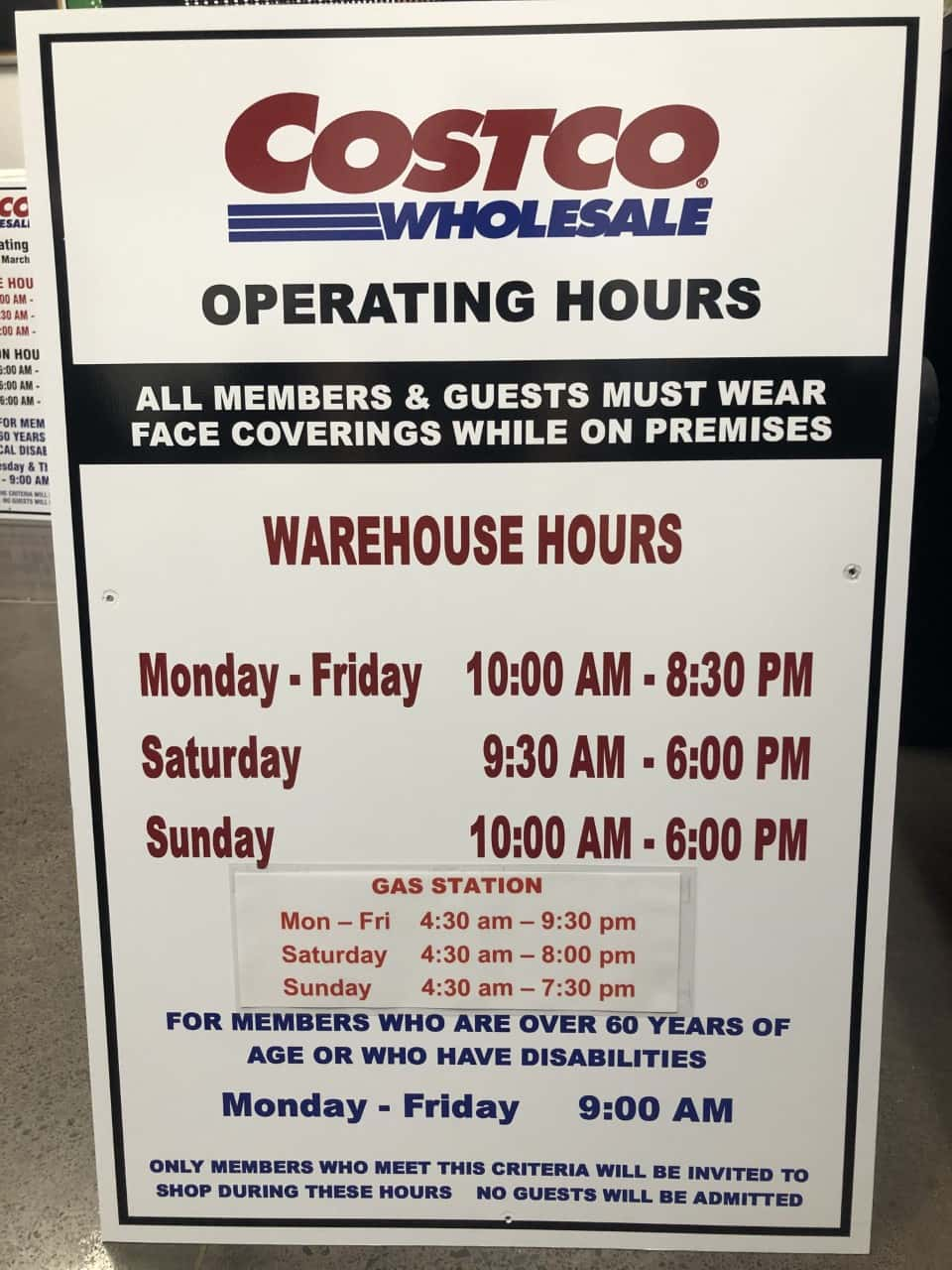
The seemingly simple query, “What time does Costco open?”, opens a fascinating window into the intricate financial mechanics of modern retail. Far from being a mere logistical detail, a major retailer’s operating hours are a meticulously calculated strategic decision with profound financial implications for both the business and its vast customer base. In the world of bulk purchases, membership models, and aggressive pricing, timing is not just about convenience; it’s a critical component of profit optimization, customer value, and broader economic influence. This article delves into the multi-faceted financial landscape influenced by the very hours a retail giant like Costco chooses to open its doors.
For the Shopper: Maximizing Value and Managing Your Budget
For millions of members, knowing “what time Costco opens” is the first step in a strategic shopping mission aimed at maximizing savings and efficiently managing their household or business budget. It transforms a basic informational query into a tactical financial decision.
Time Management as a Financial Tool
In an age where time is often equated with money, the ability to plan a shopping trip around a store’s operating hours is a crucial aspect of personal financial management. For a busy parent, a small business owner, or someone juggling multiple commitments, knowing when the doors open allows for precise scheduling. Early morning access might mean avoiding peak crowds, saving precious time that can be reinvested in income-generating activities or personal responsibilities. Conversely, late evening hours can accommodate post-work errands, preventing the need for special trips and the associated fuel costs or lost productive time. Each saved minute, each avoided frustration, translates indirectly into financial efficiency and improved quality of life. The perceived value of a membership partly derives from the ability to reliably access goods at preferred times, thus optimizing one’s own financial clock.
Catching the Early Bird Deals and Peak-Hour Avoidance
While Costco isn’t typically known for daily “doorbuster” sales in the traditional sense, being among the first through the doors can still offer distinct financial advantages. For popular limited-stock items, electronics, or highly sought-after seasonal goods, early access ensures availability. This isn’t just about convenience; it’s about securing an item at its advertised, often competitive, price before it sells out, preventing the need to pay higher prices elsewhere or settle for a less desirable alternative. Moreover, avoiding peak shopping hours (mid-day weekends, evenings) significantly reduces wait times at checkout, for carts, and even for parking. Less time spent waiting means more efficient use of one’s own time, which, as established, has an inherent financial value. The savvy shopper understands that the true cost of an item isn’t just its price tag, but also the time and effort expended to acquire it.
Budgeting Your Shopping Trips: Timing is Everything
The timing of a shopping trip can also influence the actual spending during that visit. A rushed trip during peak hours might lead to impulsive purchases due to stress or a desire to “get it over with.” Conversely, a well-planned, calmer visit during off-peak hours allows for more deliberate decision-making, careful comparison of unit prices, and adherence to a pre-defined shopping list. This discipline is paramount for budget-conscious individuals and businesses who rely on Costco’s bulk savings. Furthermore, knowing the operating hours allows for better alignment with pay cycles or inventory replenishment schedules for small businesses, ensuring that funds are available when needed for large purchases. The synchronization of personal finance calendars with retail operating hours is a subtle yet powerful lever in managing expenditure effectively.
For the Business: Operational Efficiency and Revenue Generation
For a massive enterprise like Costco, operating hours are not arbitrary. They are a finely tuned variable in a complex equation designed to maximize revenue, control costs, and optimize operational efficiency across hundreds of warehouses globally.
Labor Costs and Productivity Ratios
Employee wages and benefits represent a significant portion of any retail giant’s operating expenses. Every hour the doors are open, staff must be on hand – from cashiers and stockers to food court workers and managers. Therefore, setting optimal operating hours is a delicate balance between serving customers and managing labor costs. Opening too early or staying open too late without sufficient customer traffic directly translates to unproductive labor hours and reduced profit margins. Retailers employ sophisticated data analytics to forecast customer demand throughout the day and week, staffing accordingly to ensure peak productivity. The goal is to match labor supply precisely with demand, minimizing idle time while maintaining service levels. This optimization is crucial for a business model that thrives on high volume and relatively low margins per item.
Inventory Management and Supply Chain Flow
The rhythm of a warehouse’s operating hours directly impacts its intricate supply chain and inventory management. Deliveries often happen outside of core shopping hours to minimize disruption and allow for efficient stocking of shelves. Knowing precisely when the store opens dictates the cutoff for overnight stocking operations, ensuring shelves are full and ready for the first wave of customers. For perishables, the timing of deliveries and display is even more critical, impacting spoilage rates and fresh product availability – both of which have direct financial consequences. Moreover, the sales data generated during operating hours feeds back into the supply chain, informing purchasing decisions and ensuring that popular items are restocked proactively, preventing lost sales due to stockouts. Efficient inventory turnover is a cornerstone of profitability, and operating hours play a key role in facilitating this.
Sales Forecasting and Peak Hour Analysis
Retail operating hours are intrinsically linked to sales forecasting and strategic planning. By analyzing historical sales data across different times of day and days of the week, retailers can identify peak earning periods and tailor their strategies accordingly. Are mornings particularly strong for business members? Do evenings see a surge in household shoppers? This understanding allows for targeted promotions, strategic product placement, and enhanced staffing during high-traffic times to capitalize on revenue opportunities. Conversely, understanding low-traffic periods can inform decisions about maintenance, training, or more aggressive promotional strategies to stimulate demand. The hours of operation are not merely passive; they are active data points used to project future revenue, set sales targets, and allocate resources effectively.
The Membership Model: Value Proposition and Time-Based Access
Costco’s membership-based model fundamentally alters the financial dynamic around operating hours. Members aren’t just paying for goods; they’re paying for access, and that access includes specific times.
Exclusivity and Perceived Value
The membership fee itself is a financial commitment. Part of the value proposition is the perceived exclusivity and the promise of access to a curated selection of products at competitive prices. The operating hours contribute to this value by defining when that exclusive access is granted. For many, the ability to shop at a time that suits their schedule, perhaps when competitors are closed or less well-stocked, enhances the overall value of their membership. Early opening hours for business members, for instance, highlight a targeted value proposition, ensuring these critical customers can conduct their bulk purchasing before their own businesses open to the public. This differentiation is a powerful tool in attracting and retaining members, directly contributing to a substantial recurring revenue stream through membership fees.
Converting Time-Sensitive Shoppers into Loyal Members
The strategic deployment of operating hours can be a key differentiator in converting casual shoppers into loyal, paying members. If a potential member finds that Costco’s hours perfectly align with their demanding schedule, offering convenient windows that other retailers cannot, the perceived value of membership skyrockets. This convenience factor, directly tied to operating hours, can be the tipping point for someone deciding to commit to an annual fee. Once a member, the financial incentive to utilize that membership – and thus shop primarily at Costco – grows stronger, driving consistent sales volume and reinforcing customer loyalty. The hours are not just about opening the doors; they’re about opening the wallets of a dedicated customer base.
The Financial Return on Membership Fees
From Costco’s perspective, the membership fee is a high-margin revenue stream that significantly contributes to its overall profitability. By carefully setting operating hours that appeal to its target demographics (both individual and business members), Costco maximizes the perceived utility of the membership, encouraging renewals. If members feel they can consistently utilize the warehouse at times that are convenient for them, they are more likely to renew. This ongoing financial commitment from millions of members provides a stable income foundation, allowing the company to operate on leaner product margins, further enhancing its competitive pricing advantage – a virtuous cycle fueled partly by intelligently managed access times.
Beyond the Doors: Economic Ripple Effects of Retail Schedules
The impact of a major retailer’s operating hours extends far beyond its immediate premises, rippling through local economies and influencing competitive landscapes.
Local Economic Impact and Foot Traffic
A major retailer’s opening hours can significantly influence local economic activity. Early openings or extended hours can draw consumers to a specific commercial zone earlier or keep them there longer, potentially benefiting surrounding businesses like coffee shops, restaurants, and other specialty stores. The synchronized flow of foot traffic, partly dictated by anchor stores like Costco, creates micro-economies within commercial districts. Conversely, a store’s closing time can signal a decline in activity for an area, as shoppers disperse. These patterns affect local employment, property values, and the overall vibrancy of a retail corridor, all of which have tangible financial implications for communities.
Competitive Landscape and Market Share
Retail operating hours are also a silent, yet fierce, battleground in the competitive retail arena. A retailer’s decision to open earlier or close later than its rivals can be a strategic move to capture market share, particularly during peak shopping seasons or for specific customer segments. If a competitor consistently offers more convenient hours, it can erode customer loyalty and divert sales. This often leads to a dynamic adjustment among retailers, where operating hours become another variable in the quest for consumer spending. The financial incentive is clear: capture more of the consumer’s available shopping time, capture more of their wallet.
Adapting to E-commerce and Shifting Consumer Habits
The rise of e-commerce, which offers 24/7 shopping, has fundamentally challenged traditional brick-and-mortar operating hours. While Costco, with its unique bulk-shopping experience, remains a destination, it must still adapt. Its online presence offers round-the-clock access to many products, providing an alternative to its physical store hours. This introduces a financial calculation: how much revenue is generated online vs. in-store, and how do physical operating hours complement or compete with the digital channel? The strategic decision around physical store hours must now factor in the ever-present option of online shopping, balancing the cost of extended physical operation against the convenience of digital access. This ongoing evolution requires continuous financial analysis to optimize the blend of channels.
Strategic Scheduling: Balancing Costs and Customer Convenience
Ultimately, the choice of “what time Costco opens” is a complex strategic decision, rooted deeply in financial analysis and a keen understanding of customer behavior.
Data-Driven Decision Making
Modern retail scheduling is no longer based on guesswork. It’s powered by vast amounts of data: sales figures per hour, foot traffic patterns, member demographics, local events, seasonal trends, and even weather forecasts. Advanced analytics and AI tools process this information to predict demand with remarkable accuracy. This data-driven approach allows retailers to optimize everything from staffing levels to energy consumption, ensuring that every hour of operation is as financially productive as possible. The initial query, “what time does Costco open,” transforms into a data science problem aimed at maximizing efficiency and profitability.
Flexibility, Adaptability, and Crisis Management
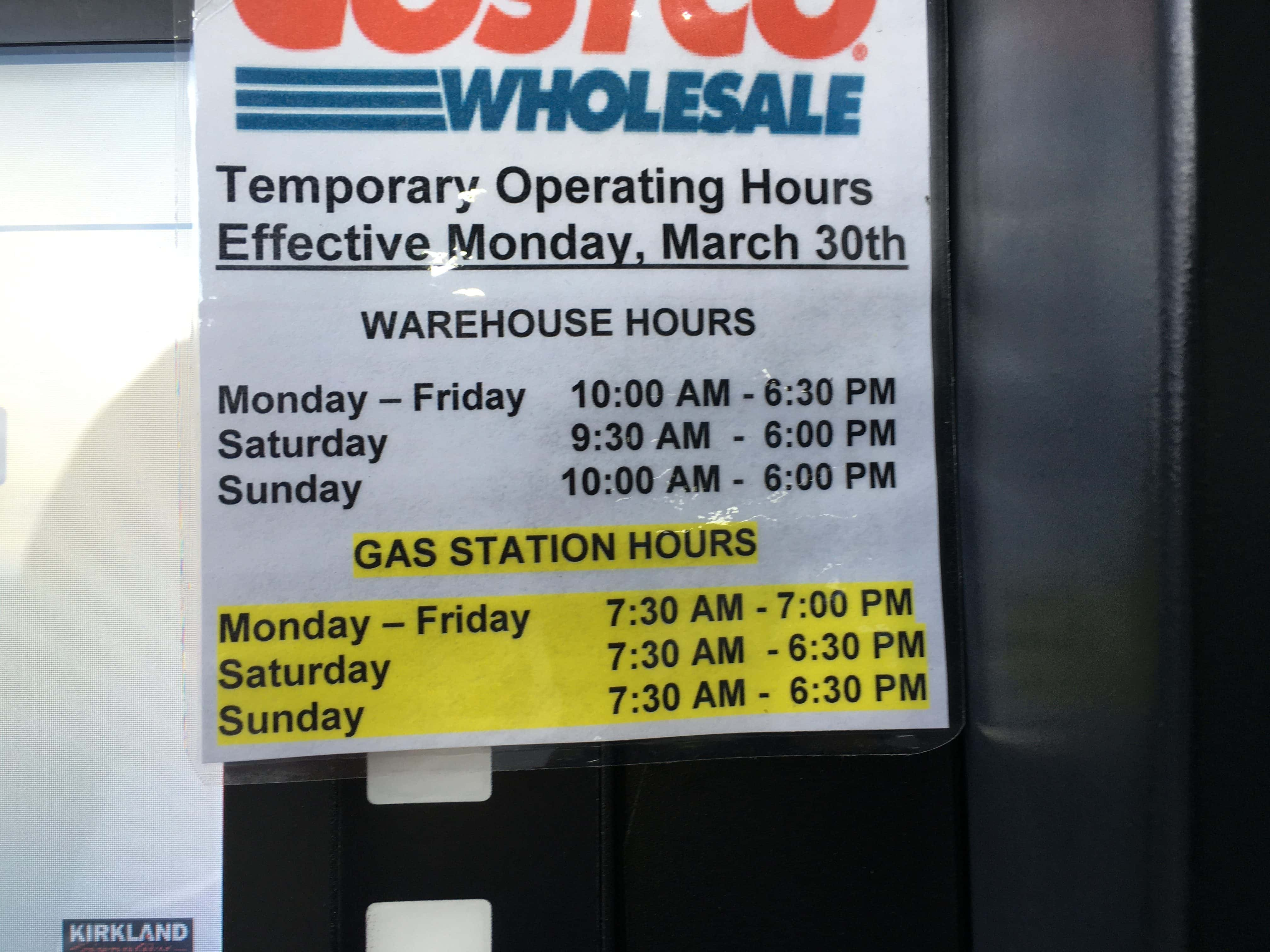
The ability to adjust operating hours in response to unforeseen circumstances – be it a public health crisis, a natural disaster, or even a local power outage – is crucial for financial resilience. During the COVID-19 pandemic, for example, many retailers swiftly altered hours, implemented special senior shopping times, or temporarily closed. These decisions, while primarily safety-driven, had significant financial implications for labor, inventory, and sales. A robust financial model incorporates the flexibility to adapt operating hours, minimizing losses during adverse events and rapidly capitalizing on recovery opportunities.
The Future of Retail Hours: Personalization vs. Standardization
As technology advances and consumer expectations evolve, the future of retail operating hours may lean towards greater personalization. Could “members-only” apps allow specific individuals to access stores during extended hours, contingent on predictive demand? Or will the cost efficiencies of standardized hours continue to dominate? The financial implications of such shifts are immense. Personalized access could increase labor costs but potentially boost member loyalty and sales. Standardized hours offer predictability and economies of scale. The ongoing debate between these approaches will continue to be heavily influenced by financial models that weigh the costs of extended or bespoke access against the potential for increased revenue and customer satisfaction.
In conclusion, the simple question “What time does Costco open?” belies a sophisticated interplay of financial strategies, operational logistics, and consumer behavior. For the customer, it’s about financial planning and maximizing value. For the business, it’s about optimizing costs, maximizing revenue, and enhancing the value of its core membership model. And for the broader economy, it’s about the subtle ripple effects of commerce. Understanding these underlying financial layers provides a far richer appreciation for the strategic decisions that shape our retail landscape, one opening hour at a time.
aViewFromTheCave is a participant in the Amazon Services LLC Associates Program, an affiliate advertising program designed to provide a means for sites to earn advertising fees by advertising and linking to Amazon.com. Amazon, the Amazon logo, AmazonSupply, and the AmazonSupply logo are trademarks of Amazon.com, Inc. or its affiliates. As an Amazon Associate we earn affiliate commissions from qualifying purchases.