
The simple query, “When does Costco open?” is far more than a practical question for a hurried shopper. For a brand as globally recognized and strategically managed as Costco, the answer – and indeed, the very question itself – unveils a sophisticated interplay of brand identity, customer experience, operational efficiency, and market positioning. This seemingly mundane detail becomes a powerful touchstone for understanding how a brand articulates its values, manages expectations, and cultivates a loyal customer base. In the realm of brand strategy, every point of interaction, including the availability of a physical store, contributes to the overarching narrative and the enduring relationship a brand builds with its audience. This article delves into the strategic significance of store opening hours, using Costco as a compelling case study to illustrate how operational decisions are inextricably linked to brand perception and success.
The Strategic Nexus of Brand Identity and Operational Hours
At its core, a brand’s operating hours are a direct manifestation of its strategic priorities and value proposition. For a retail giant like Costco, these hours are not arbitrary but are carefully calibrated to align with its unique business model and brand promise.
Reinforcing the Value Proposition: Efficiency and Exclusivity
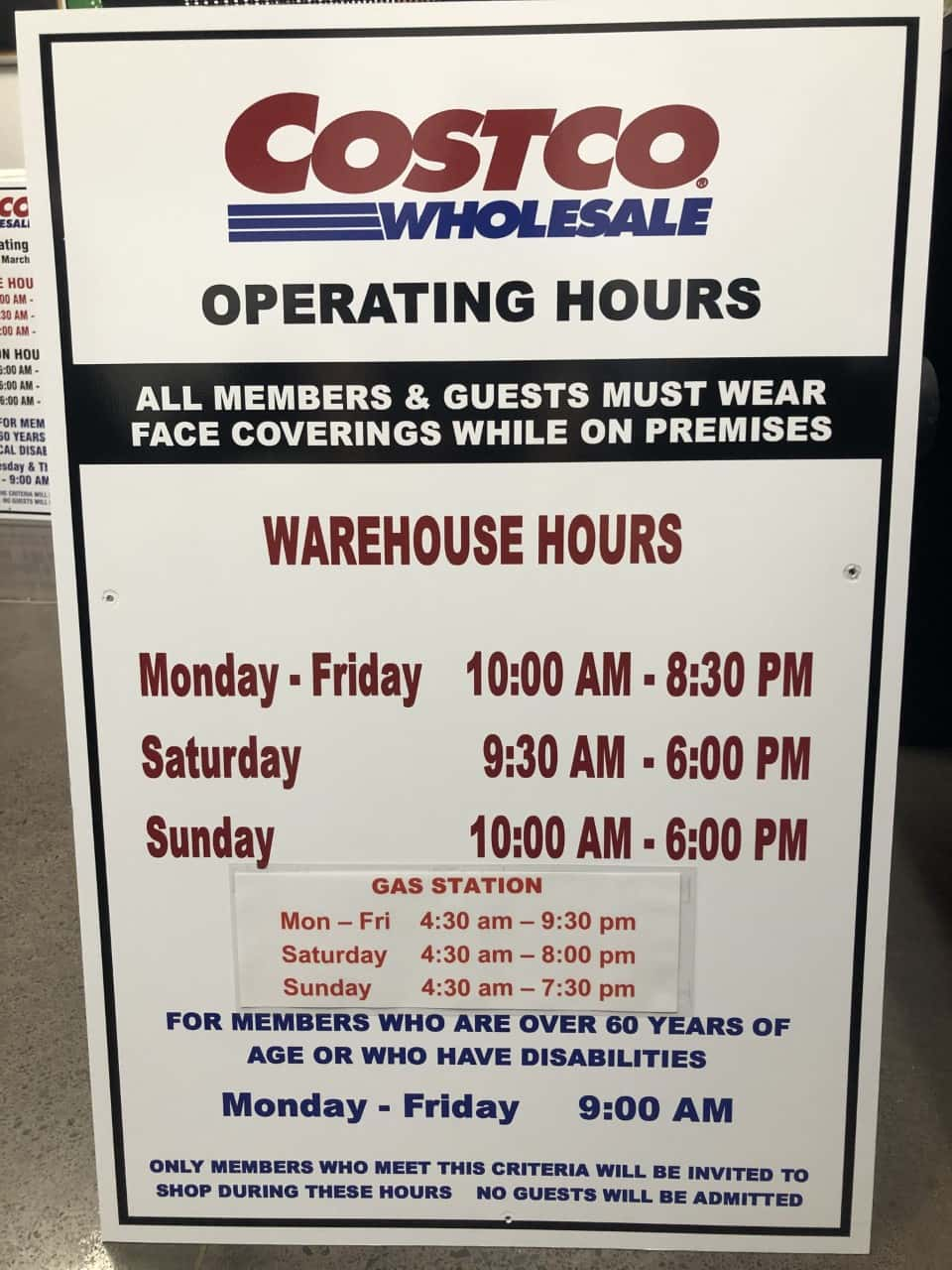
Costco’s brand promise revolves around offering high-quality products in bulk at competitive prices, all within an efficient, warehouse-style shopping experience. Its operating hours are a critical component of this promise. Typically opening later than traditional supermarkets (often 10 AM on weekdays) and closing earlier, with specific, consistent hours across its vast network, Costco signals several key aspects of its brand identity:
Firstly, it subtly communicates efficiency. The limited, consistent hours encourage members to plan their visits, fostering a sense of purpose and productivity in their shopping trips. It’s not about round-the-clock convenience, but about optimizing the shopping window for a specific type of bulk purchase. This contrasts sharply with 24/7 convenience stores, positioning Costco as a destination for planned, significant hauls rather than spontaneous impulse buys.
Secondly, the specific hours contribute to an aura of exclusivity. As a membership-based warehouse club, Costco already curates a selective customer base. The defined hours, along with the expectation of a bustling store, reinforce the idea that this is a unique shopping experience for those “in the know”—the members. The hours are part of the ritual, signaling that access is granted, not limitless, adding to the perceived value of membership. This operational choice directly supports the brand’s positioning as a premium, yet value-driven, shopping destination.
Cultivating Membership Loyalty Through Predictability
Predictability is a cornerstone of brand loyalty, and Costco leverages its consistent operating hours to build trust and routine among its members. Knowing precisely when a warehouse opens and closes eliminates guesswork and streamlines the shopping experience. This reliability is particularly vital for a brand that caters to shoppers making substantial purchases and often traveling a greater distance than they would for a neighborhood grocery store.
The membership model thrives on fostering a sense of belonging and consistent value. When members know they can reliably access the vast array of products at specific times, it integrates Costco more deeply into their weekly or monthly routines. This predictability transforms a transactional visit into a habitual interaction, strengthening the bond between the member and the brand. Special member-only events or early access periods, when occasionally offered, further enhance this sense of privilege, making the defined operational window a valuable asset for membership retention and acquisition. These strategic operational decisions are not merely logistical; they are deeply ingrained in Costco’s brand loyalty strategy, reinforcing the perceived value of membership beyond just product pricing.
Balancing Operational Efficiency with Customer Demand
Setting store hours is a delicate balancing act between meeting customer demand and optimizing operational costs. For a brand like Costco, which operates on relatively thin margins and focuses on high volume, efficiency is paramount. Extending hours unnecessarily can lead to increased labor costs, utility expenses, and diminished productivity during slower periods.
Therefore, Costco’s hours reflect a sophisticated analysis of peak shopping times. They are designed to concentrate customer traffic within periods that maximize sales per operational hour, ensuring that staff are efficiently deployed and inventory is moved effectively. This optimization allows Costco to maintain its competitive pricing model and deliver on its value promise. While some customers might desire longer hours, the current model prioritizes the overall economic health of the brand, which ultimately benefits members through continued low prices and a robust product selection. This strategic balance underpins the brand’s long-term sustainability and reinforces its commitment to delivering maximum value to its members by meticulously managing operational overheads.
Communicating Availability: Architecting the Customer Journey
Once a brand’s operating hours are strategically determined, the next critical step is ensuring this information is readily accessible and accurately communicated to the customer base. For a brand focused on a seamless experience, clarity in communication is paramount.
The Digital Frontier: Ensuring Seamless Information Access
In the digital age, a brand’s online presence is often the first point of contact for customers seeking basic information like store hours. Costco, recognizing the importance of digital accessibility, employs a multi-channel approach to disseminate this vital data. Its official website is meticulously updated with real-time hours for each warehouse, including special holiday schedules and any temporary changes. This centralized hub serves as the authoritative source of truth.
Beyond its proprietary platforms, Costco strategically leverages third-party digital channels. Accurate listings on Google Maps, Apple Maps, and other location-based services are crucial. Customers frequently use these platforms to search for “Costco near me” and expect immediate, reliable information on hours of operation. Maintaining consistency across all these digital touchpoints is not just a logistical task; it’s a brand imperative. Inconsistent or outdated information can lead to customer frustration, wasted trips, and ultimately, a negative perception of the brand’s reliability and customer care. A seamless digital experience for operational details reinforces the brand’s commitment to convenience and transparency, beginning even before a customer sets foot in the store.
In-Store and Localized Communication
While digital channels handle much of the initial inquiry, in-store and localized communication remain vital for reinforcing brand reliability. Clear signage at the entrance of every Costco warehouse displays current operating hours, providing a final verification point for members. This traditional method ensures that even those less digitally inclined, or those simply passing by, are informed.
Furthermore, local warehouses often have unique circumstances, such as varying holiday hours or special early-bird openings for specific events. Communicating these localized nuances effectively, both digitally (on specific store pages) and physically (via in-store announcements or flyers), is crucial. This level of granular communication demonstrates a brand’s attention to detail and its responsiveness to local community needs, fostering a stronger connection with its regional customer base. The consistency between global brand messaging and local operational details builds a cohesive and trustworthy brand image.
Managing Expectations and Building Trust
Transparent communication about opening hours is fundamental to managing customer expectations. When customers know precisely when they can access a service or product, it builds a foundation of trust. Conversely, a lack of clarity or, worse, inaccurate information, can quickly erode that trust, leading to dissatisfaction and a diminished brand reputation.
Costco’s clear communication strategy helps to prevent frustration and ensures a positive customer experience from the outset. By providing dependable information across various platforms, the brand empowers its members to plan their visits effectively, avoiding inconvenience and wasted time. This commitment to clear, consistent communication reinforces Costco’s brand promise of efficiency and member value, showing that the brand respects its customers’ time and prioritizes their positive experience. In essence, the clear communication of “when does Costco open” is a subtle yet powerful tool for brand stewardship, cementing reliability as a core brand attribute.
Operational Hours as a Driver of Brand Loyalty and Habit Formation
The consistency of a brand’s operational hours plays a significant, albeit often underestimated, role in shaping customer behavior and fostering long-term loyalty. For a brand like Costco, the rhythmic predictability of its opening times becomes a silent partner in forging deep-seated shopping habits.
The Rhythm of Retail: Shaping Shopper Behavior
Just as a daily routine provides comfort and stability, a brand’s consistent operating hours can create a predictable rhythm for its customer base. For Costco members, knowing that the warehouse consistently opens at 10 AM on weekdays, for instance, allows them to integrate their bulk shopping trips seamlessly into their schedules. This predictability encourages the formation of habits – members might develop a routine of visiting on a specific day of the week or at a particular time, secure in the knowledge that the store will be open.
This habitual behavior is invaluable for brand loyalty. It reduces decision fatigue for the customer (“When should I go?”), making Costco the default choice for their specific needs. This rhythm can also create unique shopping phenomena, such as the “early bird” rush for popular fresh items or bakery goods, transforming the store’s opening into a small event for dedicated shoppers. These ingrained patterns of behavior strengthen the emotional and practical ties between the customer and the brand, moving beyond mere transactions to a more consistent relationship.
Adapting to Market Dynamics and Lifestyle Shifts
While consistency is key, a brand’s strategic approach to operating hours also requires an agile awareness of evolving market dynamics and customer lifestyles. The rise of e-commerce, changing work schedules, and shifts in leisure time all influence when and how consumers prefer to shop. Brands that remain rigid in their operating hours risk alienating segments of their customer base.
Costco, while known for its consistent approach, isn’t immune to these forces. It continuously analyzes member feedback, sales data, and broader retail trends to ensure its hours remain optimal. During periods of significant change, such as the recent global pandemic, brands demonstrated remarkable flexibility, adjusting hours for safety, stocking, or special shopping segments (e.g., senior hours). How a brand communicates and implements these changes speaks volumes about its adaptability and customer care, further solidifying or eroding trust. Costco’s ability to maintain its core operational rhythm while strategically adapting to critical needs reinforces its brand as both reliable and responsive.
Brand Resilience in Times of Change
The way a brand communicates and adjusts its operational hours during periods of crisis or significant societal change is a powerful testament to its resilience and customer-centricity. When faced with unprecedented challenges, such as the COVID-19 pandemic, Costco, like many other retailers, had to make rapid adjustments to its opening and closing times. These changes were often driven by public health guidelines, supply chain disruptions, and the need to implement new safety protocols.
Crucially, how Costco handled these adjustments – the speed of communication, the clarity of new hours, and the rationale behind them (e.g., dedicated shopping hours for vulnerable populations, time for increased cleaning) – significantly impacted its brand perception. By prioritizing member safety and operational integrity, and by communicating these changes transparently across all channels, Costco demonstrated its commitment to its community. This ability to be both consistent in its brand promise and agile in its operations during adversity reinforces a brand’s trustworthiness and strengthens its long-term relationship with its customer base, proving that even seemingly simple operational details contribute to overall brand resilience.
Beyond the Clock: The Holistic Brand Experience
The inquiry into “when does Costco open” extends beyond a mere time stamp; it delves into the broader sensory and emotional dimensions of the brand experience, influencing everything from the initial anticipation to the final checkout.
The Atmosphere of Anticipation
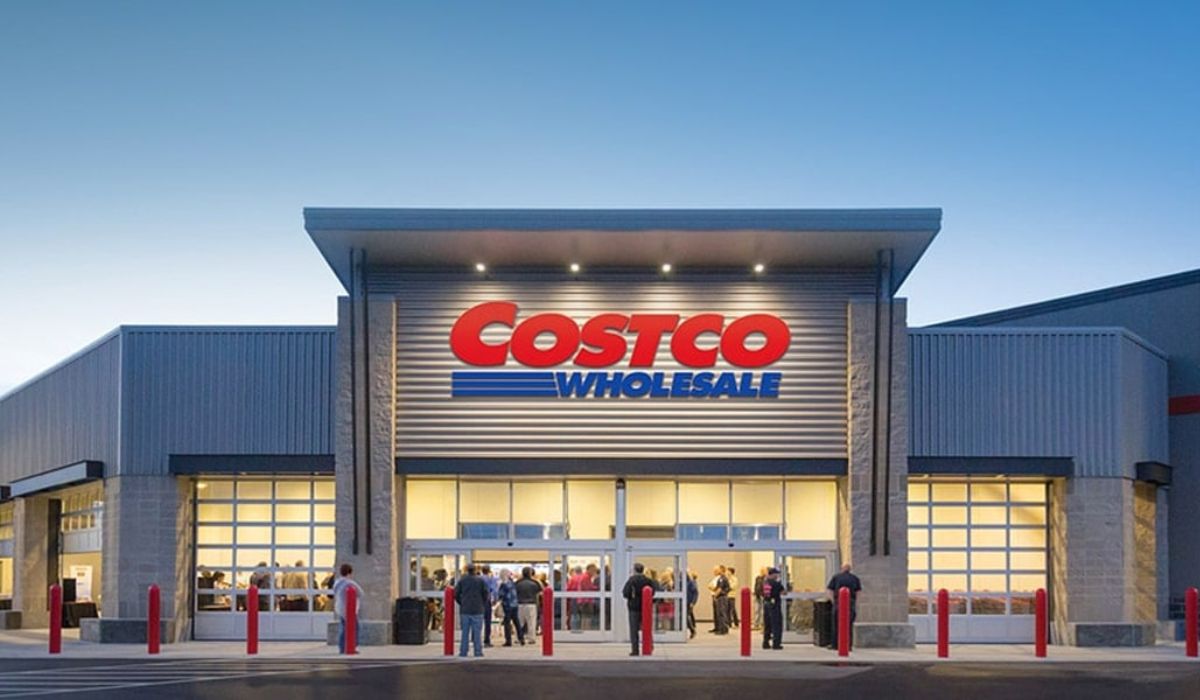
For many dedicated Costco members, the moments leading up to the store’s opening are imbued with a unique atmosphere of anticipation. The bustling parking lot, the growing line at the entrance, and the collective readiness of shoppers waiting for the doors to swing open all contribute to a distinct pre-shopping ritual. This anticipation is part of the brand experience, particularly for those looking to be among the first to access fresh produce, popular seasonal items, or newly stocked electronics.
This sense of eagerness transforms the simple act of waiting into an active component of the overall brand engagement. It creates a shared community experience among members, fostering a subtle camaraderie that enhances the brand’s social dimension. The precise opening time, therefore, isn’t just a schedule; it’s the official start to a curated event, an invitation to a unique retail journey that begins even before the first cart rolls through the entrance. This “atmosphere of anticipation” is a powerful, if often unarticulated, element of Costco’s brand appeal.
Integrating Services and Ancillary Offerings
Costco is more than just a warehouse for bulk goods; it’s a hub of diverse services, including pharmacies, optical centers, tire centers, and its immensely popular food courts. Each of these ancillary offerings might operate on slightly different hours than the main warehouse, adding another layer of complexity to the brand’s operational communication strategy.
The challenge for Costco is to seamlessly integrate the availability of these varied services into the overarching brand experience. Clear signage, website listings, and staff guidance must effectively communicate these distinct schedules, ensuring members can plan their visits for specific needs without frustration. When a member can reliably get their prescription filled, buy a hot dog, and complete their weekly grocery run all within a coordinated visit, it reinforces the brand’s value proposition as a comprehensive, convenient solution. The effective management and communication of these integrated service hours amplify the brand’s utility and convenience, making it an indispensable part of members’ lives.
Employee Experience and Brand Advocacy
Finally, consistent and well-managed operating hours also have a profound impact on the employee experience, which in turn reflects on brand perception. Predictable schedules contribute to better work-life balance for staff, leading to higher morale, reduced turnover, and a more engaged workforce. Happy, well-informed employees are the best brand advocates.
When staff are clear on store hours, service hours, and any temporary changes, they are better equipped to assist members, providing accurate information and enhancing the overall customer service experience. Conversely, erratic scheduling or a lack of clarity can lead to employee frustration, which can subtly or overtly translate into a diminished customer experience. By prioritizing an efficient and well-communicated operational schedule, Costco not only optimizes its business but also cultivates a positive internal culture that radiates outward, reinforcing its brand as a responsible employer and a reliable service provider. The commitment to clear operational guidelines for customers extends internally, strengthening the brand’s human capital and ensuring a consistent, positive brand experience.
In conclusion, the seemingly straightforward question, “When does Costco open?” serves as an illuminating entry point into the intricate world of brand strategy. It underscores that every operational detail, from the precise opening time to the consistency of communication across various platforms, plays a pivotal role in shaping brand identity, fostering customer loyalty, and driving overall business success. For brands like Costco, operational hours are not merely logistical necessities; they are meticulously crafted elements that reinforce value propositions, manage customer expectations, build trust, and ultimately, contribute to a holistic and enduring brand experience. Understanding this strategic depth allows us to appreciate the subtle yet powerful ways brands communicate their essence, one opening hour at a time.
aViewFromTheCave is a participant in the Amazon Services LLC Associates Program, an affiliate advertising program designed to provide a means for sites to earn advertising fees by advertising and linking to Amazon.com. Amazon, the Amazon logo, AmazonSupply, and the AmazonSupply logo are trademarks of Amazon.com, Inc. or its affiliates. As an Amazon Associate we earn affiliate commissions from qualifying purchases.