
The story of Price Club and Costco converging into one of the world’s most formidable retail brands is more than just a historical footnote; it’s a profound case study in brand strategy, market consolidation, and the evolution of corporate identity. For many long-time shoppers, the memory of Price Club lingers, prompting questions about its eventual fate. The answer is not that Price Club “became” Costco in a simple rebranding exercise, but rather that the two pioneering warehouse clubs strategically merged, ultimately consolidating under the more globally recognized and strategically chosen Costco brand. This pivotal moment, occurring in 1993, marked the birth of the Costco Wholesale Corporation as we know it today, forever altering the landscape of discount retail and forging a brand synonymous with value, quality, and member loyalty.
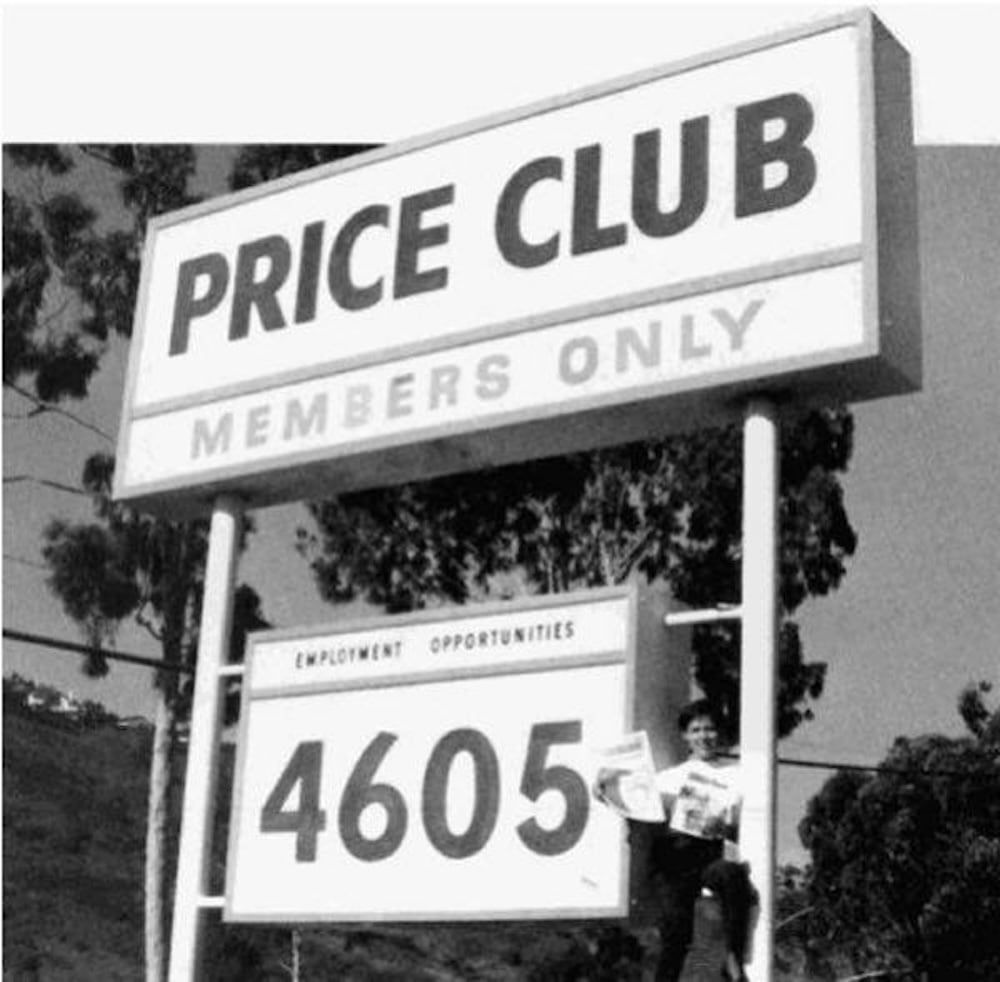
The Precursors: Two Pioneering Retail Brands
Before their landmark union, Price Club and Costco Wholesale were distinct entities, each building a formidable brand presence within the burgeoning warehouse club sector. Their individual journeys provide crucial context for understanding the strategic brilliance of their eventual merger.
Price Club: The Warehouse Club Innovator
Founded in 1976 by Sol Price in San Diego, California, Price Club holds the distinction of being the original membership warehouse club. Its brand identity was built on a revolutionary concept: offering a limited selection of products in bulk quantities at significantly discounted prices, primarily to businesses and later to a wider consumer base. The Price Club brand was synonymous with no-frills efficiency, immense savings, and a pioneering spirit that challenged traditional retail models. Its warehouses, often Spartan in design, communicated a clear brand message: every cent saved on aesthetics was passed directly to the member. This focus on aggressive pricing and a unique membership model cultivated a loyal following and established a powerful brand reputation for value that resonated deeply with small businesses and savvy consumers alike. Price Club’s brand established the foundational blueprint for an entire retail category.
Costco Wholesale: A Rapidly Ascending Challenger
Costco Wholesale, co-founded by James Sinegal and Jeffrey Brotman in Seattle, Washington, in 1983, entered the market with a model strikingly similar to Price Club’s but quickly carved out its own distinct brand identity. While sharing the core tenets of membership, bulk sales, and low prices, Costco developed a brand personality that emphasized a slightly more curated selection, often including higher-end goods and services, alongside its everyday essentials. Its brand promise revolved around “treasure hunt” experiences, where members could discover unexpected premium items alongside staples, creating an engaging and often exciting shopping environment. Costco’s rapid expansion and efficient operations quickly made it a formidable competitor, known for its strong company culture, employee benefits, and a relentless focus on customer satisfaction that enhanced its brand appeal.
A Shared Vision, Separate Paths
Despite their competitive relationship, both Price Club and Costco operated on a shared fundamental vision: to deliver unparalleled value through a membership-based, bulk-purchase model. Their brand strategies, while having subtle differences in emphasis, both revolved around fostering loyalty through perceived savings and exclusive access. They cultivated strong direct-to-consumer relationships, bypassing traditional advertising in favor of word-of-mouth and the inherent value proposition of their membership. The success of both brands validated the warehouse club concept, but also created a scenario where two powerhouses were vying for market share, setting the stage for a strategic realignment.
The Strategic Convergence: A Merger of Equals
The decision for Price Club and Costco to merge was not merely an opportunistic alignment but a calculated strategic move designed to consolidate market power, eliminate redundancy, and create an unassailable brand in the wholesale club sector.
The Rationale Behind the Union
By the early 1990s, both Price Club and Costco had achieved significant success, but they also faced the growing pressures of market saturation and intense competition, not just from each other but also from other emerging players like Sam’s Club. The strategic rationale for the merger was compelling: combining their vast member bases, leveraging economies of scale in purchasing and distribution, and eliminating the costly duplication of infrastructure in overlapping markets. From a brand strategy perspective, the merger offered the unique opportunity to fuse the best attributes of two highly respected brands, creating a new entity with unparalleled market dominance. It was about preventing mutual cannibalization and instead forging a unified front that could command greater influence with suppliers, offer even more competitive pricing, and accelerate global expansion. The merger represented a proactive step to secure long-term brand relevance and financial strength.
The Genesis of Costco Wholesale Corporation
The landmark merger took place on October 22, 1993. The agreement saw the formation of the new entity, Price/Costco, Inc., which then eventually became Costco Wholesale Corporation. While it was technically a merger of equals, with Price Club shareholders owning roughly 46% and Costco shareholders 54% of the combined entity, the decision to eventually consolidate under the Costco name was a strategic choice with significant brand implications. James Sinegal, co-founder of Costco, took on the role of CEO of the new combined company, signifying a continuity of leadership and vision that would guide the brand through its integration phase. This strategic leadership was crucial in navigating the complexities of merging two distinct corporate cultures and brand identities.
Navigating Brand Integration Challenges
Merging two major brands, especially those with loyal customer bases and distinct operational philosophies, is fraught with challenges. The initial period as Price/Costco required careful brand management to assure existing members that their benefits and the core value proposition would not diminish. Store signage, membership cards, and marketing communications had to reflect the temporary dual branding while subtly preparing members for the eventual full transition. Internally, the challenge was to unify two different corporate cultures, integrating human resources, supply chains, and IT systems, all while maintaining the high standards that both brands were known for. The focus was on preserving the best elements of both, fostering a sense of shared purpose, and ensuring that the brand equity built over decades was not diluted during the integration process. This delicate balancing act was central to retaining customer trust and employee morale.
The Evolution of a Unified Brand Identity
The journey from Price/Costco to the singular, powerful Costco Wholesale brand was a masterclass in strategic brand consolidation, culminating in a globally recognized retail icon.
From Dual Brands to a Singular Powerhouse

Following the merger, the initial Price/Costco branding served as a transitional phase, signaling the union while allowing time for integration. However, the long-term vision was always to consolidate under a single, strong brand name. The decision to eventually phase out “Price Club” and operate solely as “Costco Wholesale” was a carefully considered strategic move. While Price Club was the innovator, Costco had a slightly newer, perhaps more modern feel, and its rapid growth trajectory had given it significant brand momentum. The combined entity sought a name that would resonate widely and universally, avoiding any potential regional or legacy connotations that might hinder global expansion. By 1997, the company officially changed its name to Costco Wholesale Corporation, effectively solidifying the single brand identity that would carry it forward. This decision was pivotal in creating a clear, unified message to the market and its members.
Reinforcing Core Brand Values
The unified Costco brand didn’t just shed a name; it amplified the best core values inherited from both Price Club and the original Costco. The relentless pursuit of value, the commitment to offering quality products, the unique treasure-hunt shopping experience, and the paramount importance of member loyalty became the cornerstones of the new brand’s ethos. The combined purchasing power and operational efficiencies allowed Costco to further deepen its commitment to competitive pricing, a fundamental brand promise. Furthermore, the commitment to treating employees well, fostering a positive work environment, and giving back to communities, attributes that were strong in both original brands, became integral to the new Costco’s corporate identity and public perception, enhancing its brand reputation beyond just products and prices.
Marketing and Communication Strategies Post-Merger
The communication strategy during and after the brand consolidation was critical. Costco needed to ensure that its vast member base understood the transition, felt reassured about the continuity of service and value, and ultimately embraced the unified brand. Marketing efforts focused on reinforcing the benefits of the merger – even greater selection, stronger buying power, and an expanded network of warehouses. Membership renewal campaigns emphasized the enhanced value of being a Costco member. Visually, the brand maintained its clear, no-nonsense aesthetic, prioritizing product display and straightforward communication over elaborate promotions. The iconic red, white, and blue logo and the consistent in-store experience became powerful non-verbal brand messages, signifying reliability and familiarity, which were crucial during a period of significant change.
The Enduring Legacy and Brand Strength
The strategic merger of Price Club and Costco created more than just a larger company; it forged a retail brand of extraordinary resilience, reach, and recognition. The lessons learned from this integration continue to inform brand strategy in the retail sector and beyond.
A Blueprint for Retail Success
The combined strength of Price Club and Costco established a dominant player that set new benchmarks for efficiency, scale, and customer engagement in the warehouse club model. Costco’s brand became synonymous with a business model that defied traditional retail wisdom, proving that a membership fee, combined with bulk purchasing and a limited, curated selection, could create fierce loyalty and impressive financial returns. This blueprint for success has been studied and emulated globally, cementing Costco’s place not just as a retailer, but as an innovator in brand and business strategy. Its ability to maintain low overheads, high inventory turnover, and a strong relationship with suppliers underpins its consistent value proposition, a key pillar of its brand promise.
The Power of Member Loyalty
Perhaps the most significant legacy of the Price Club/Costco merger is the enduring strength of its membership model and the unparalleled loyalty it commands. The Costco brand has mastered the art of creating a community of members who not only shop there but actively advocate for the brand. This loyalty is cultivated through consistent delivery of value, high-quality private label goods (Kirkland Signature), excellent customer service, and a perception of exclusivity through its membership structure. For brand strategists, Costco exemplifies how a direct relationship with the consumer, built on trust and tangible benefits, can be far more powerful than traditional advertising in fostering long-term brand affinity and advocacy.
Global Brand Expansion and Recognition
The unified Costco brand provided a robust platform for aggressive international expansion. With a clear, consistent brand identity and a proven business model, Costco was able to successfully replicate its warehouse club format across continents. The brand’s global recognition today is immense, with its distinct logo and warehouse experience being instantly identifiable from North America to Asia. This global reach, directly enabled by the strategic consolidation of two powerful brands, underscores the importance of a clear and unified brand message when venturing into diverse markets. The seamless integration and consistent brand experience provided the stability necessary to grow from a regional player into a multinational retail powerhouse.
Lessons in Brand Mergers and Strategic Growth
The story of Price Club and Costco offers invaluable insights for any organization contemplating mergers, brand integration, or strategic growth in competitive markets.
The Importance of Visionary Leadership
The successful integration of Price Club and Costco was not accidental; it was the result of visionary leadership. Figures like Sol Price and James Sinegal, though from different companies, shared a deep understanding of the wholesale club model and the value proposition for members. Their ability to envision a combined entity that was stronger than the sum of its parts, and to effectively guide that transition, was paramount. Such leadership is crucial in articulating the new brand’s purpose, assuaging concerns, and uniting disparate teams under a common banner.
Prioritizing Customer and Member Experience
Throughout the merger and consolidation process, a steadfast focus on the customer (or member) experience proved critical. By ensuring that the transition did not disrupt the core value proposition – savings, quality, and convenience – and by clearly communicating changes, Costco maintained and even strengthened its member base. For brand strategy, this highlights the necessity of anchoring any significant corporate change in a clear benefit to the end-user, ensuring that brand loyalty remains intact and ideally, enhanced.

Strategic Brand Consolidation
The ultimate decision to consolidate under the single “Costco” brand, phasing out the iconic “Price Club,” was a bold but ultimately rewarding strategic choice. It demonstrated a willingness to make tough decisions about brand heritage in favor of long-term market dominance and clarity. This move created a singular, powerful brand that could speak with one voice, simplify marketing efforts, and leverage its combined equity more effectively across all operations. It stands as a testament to the power of strategic brand consolidation in achieving sustained competitive advantage.
The transformation from two separate retail pioneers, Price Club and Costco, into the single, formidable Costco Wholesale Corporation in 1993 is a landmark event in brand history. It wasn’t just a change of name but a meticulously planned strategic merger that synthesized the best attributes of both entities, creating a retail giant built on a foundation of value, quality, and unparalleled member loyalty. The legacy of this integration continues to shape the retail landscape, offering enduring lessons on brand evolution, strategic growth, and the power of a unified corporate identity.
aViewFromTheCave is a participant in the Amazon Services LLC Associates Program, an affiliate advertising program designed to provide a means for sites to earn advertising fees by advertising and linking to Amazon.com. Amazon, the Amazon logo, AmazonSupply, and the AmazonSupply logo are trademarks of Amazon.com, Inc. or its affiliates. As an Amazon Associate we earn affiliate commissions from qualifying purchases.