
Understanding the intricate structure of a Costco membership is crucial for any household or individual looking to maximize their savings and financial efficiency. Beyond the allure of bulk discounts and a treasure hunt shopping experience, the fundamental question of “how many people can actually benefit from a single membership?” holds significant financial implications. This article will dissect the Costco membership model from a personal finance perspective, guiding you through its rules, benefits, and the strategic decisions required to extract the most value for your money.
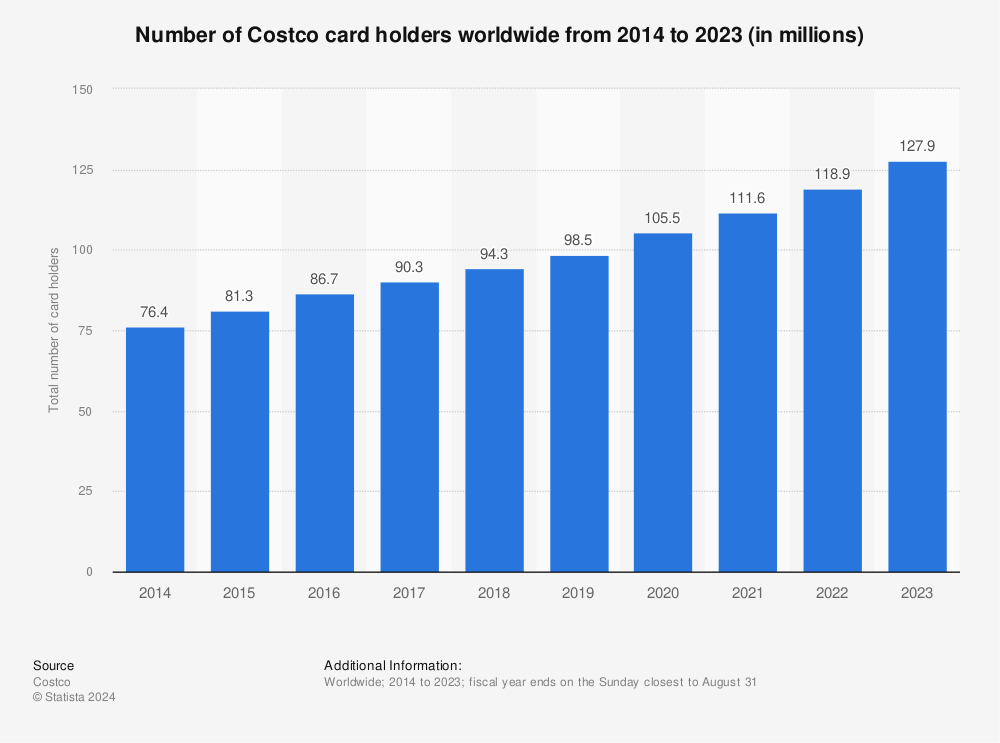
At its core, a standard Costco Gold Star membership primarily caters to two individuals: the primary member and one designated household member. This seemingly simple structure belies a sophisticated system designed to optimize spending for families and shared living arrangements, while also presenting opportunities and constraints that demand careful financial consideration.
Understanding the Core Membership Structure: Two Is The Magic Number
The foundation of the Costco membership model is built around a primary account holder and the option to add a supplementary cardholder. This isn’t just a convenience; it’s a strategic design that influences who can physically shop and purchase items at Costco warehouses, and by extension, how households manage their shared expenses.
The Primary Cardholder: The Financial Anchor
The individual who initially signs up for the Costco membership and pays the annual fee is designated as the primary cardholder. This person’s name and photo appear on the main membership card. From a financial standpoint, this individual is the gatekeeper of the membership benefits and is responsible for its renewal. All benefits, including access to warehouses, online shopping, and special services (like optical, pharmacy, or gas stations), are tethered to this primary account. Without this anchor, the entire membership structure cannot exist.
The Free Household Card: Extending the Reach
Costco generously allows the primary member to designate one other person residing at the same address as a “free household member.” This individual receives their own membership card, complete with their name and photo, granting them the same shopping privileges as the primary member. This is a critical feature for couples, roommates, or adult children living under the same roof. From a financial planning perspective, this effectively doubles the purchasing power and convenience associated with a single membership fee. Instead of two individuals each paying for a separate membership, they can pool resources, share shopping duties, and still benefit fully from Costco’s offerings.
Defining “Household” for Membership Purposes
Costco’s definition of a “household” is generally straightforward: individuals aged 18 or older who live at the same residential address. This isn’t a nebulous concept; Costco typically requires proof of residency to issue the household card, ensuring that the privilege is extended only to legitimate cohabitants. This policy prevents widespread sharing of a single membership among friends or extended family members who do not share a common dwelling, thereby protecting the integrity of their membership model and revenue stream. Financially, this means a membership is optimized for nuclear families or cohabiting adults, rather than a broad network of acquaintances.
Maximizing Value: Strategic Shopping for Multiple Users
With a clear understanding of who can hold a card, the next financial consideration is how to best leverage these two cards for maximum economic benefit within a household. Strategic shopping and expense management become paramount when two individuals share access to a Costco membership.
Leveraging Bulk Savings for Families and Shared Expenses
One of Costco’s primary appeals is its bulk pricing, which translates to significant savings per unit compared to conventional supermarkets. For families or households with two cardholders, this offers immense financial advantages. Both members can actively participate in identifying and purchasing items where bulk buying yields the highest savings, from groceries and household staples to electronics and apparel. The collective purchasing power of two individuals under one membership often makes the annual fee negligible in comparison to the savings realized on larger, more frequent purchases. This is particularly true for items that are consumed regularly and have a long shelf life.
Split-Shopping and Efficient Resource Allocation
The ability for both the primary and household member to shop independently means they can divide and conquer shopping tasks. One member might handle the weekly grocery run, while the other focuses on specialty items, seasonal goods, or larger purchases like tires or furniture. This efficiency saves time, which can be viewed as a financial benefit, and allows for more frequent visits to capitalize on limited-time deals or fresh produce. From a budgeting standpoint, this flexibility also allows for better tracking and allocation of shared household expenses, with both individuals having the means to contribute directly to the household’s provisioning.

Guest Policies and Financial Courtesy
While only cardholders can make purchases, Costco’s guest policy allows members to bring up to two guests per visit. This is often misunderstood as a way to extend shopping privileges. Financially, it’s not. Guests can browse, but all purchases must be made by the primary or household member. This policy can be useful for introducing potential new members to the warehouse experience or for getting a second opinion on a purchase, but it does not expand the purchasing “people” count on a single membership. From a financial etiquette perspective, if you bring a guest and they want something, you are essentially making a purchase for them and they should reimburse you immediately. This prevents accidental overspending on impulse buys for others.
Financial Implications and Cost-Benefit Analysis
Before committing to a Costco membership, a thorough financial analysis is essential. The annual fee, whether for a Gold Star or Executive membership, needs to be weighed against the potential savings and convenience for your specific household needs and spending habits.
Evaluating Membership Tiers: Gold Star vs. Executive
Costco typically offers two main personal membership tiers:
-
Gold Star Membership: The standard entry-level option, providing access to all Costco warehouses and online shopping for the primary and household member.
-
Executive Membership: A higher-tier option that includes all Gold Star benefits plus an annual 2% reward on eligible Costco and Costco.com purchases, up to a maximum reward of $1,000. It also comes with additional benefits and savings on certain Costco services.
From a financial perspective, the decision between Gold Star and Executive hinges entirely on your anticipated spending. The Executive membership typically costs more per year. To break even on the additional cost of an Executive membership, a household would need to spend a certain amount annually to earn enough in 2% rewards to offset the difference in fees. For example, if the Executive membership costs $60 more than Gold Star, you would need to spend $3,000 annually ($60 / 0.02) to recoup that extra fee. Any spending above this threshold would yield net savings. For households with two active shoppers, reaching this spending target can be much more feasible, making the Executive membership a financially shrewd choice for those with significant annual Costco expenditures.
Calculating Break-Even Points and True Savings
The true value of a Costco membership isn’t just in the 2% reward or bulk savings, but in the cumulative financial impact. Households should track their spending on comparable items outside of Costco versus what they would pay at Costco. Consider:
-
Grocery Savings: How much do you save per item on frequently purchased groceries?
-
Gas Savings: Many Costco locations offer competitively priced fuel. The savings here can quickly add up.
-
Specialty Services: Discounts on optical, pharmacy, travel, and tires can provide substantial financial benefits that are often overlooked.
-
Big Ticket Items: Large purchases like appliances or electronics can sometimes offer significant savings compared to other retailers.
By considering these factors, a household with two cardholders can construct a comprehensive financial model to justify the membership fee, often finding that the savings far outweigh the annual cost, particularly when two individuals are actively taking advantage of all the benefits.
The Opportunity Cost of Not Having a Membership
For many, the question isn’t just “is it worth it?” but also “what am I missing out on?” The opportunity cost of not having a Costco membership, especially for households that consume a lot or have multiple adults, can be significant. This isn’t just about direct monetary savings; it’s also about convenience, quality, and access to certain products or services that may not be available elsewhere at the same value. For two people actively managing a household budget, the collective ability to tap into Costco’s ecosystem can represent a substantial long-term financial advantage.
Membership Management and Best Practices for Financial Harmony
Effective management of a Costco membership extends beyond just shopping; it involves understanding the administrative aspects to ensure continuous financial benefit and avoid pitfalls.
Adding and Removing Household Members
Adding a household member typically requires both the primary member and the potential household member to be present at the membership counter, along with proof of shared residency. This streamlined process ensures compliance with Costco’s rules. If a household member moves out or is no longer part of the household, the primary member should proactively remove them from the membership to maintain financial integrity and prevent any misuse, though typically Costco cards are tied to photos, making illicit use difficult. This administrative upkeep is a minor task but crucial for maintaining an accurate and financially sound membership profile.
Renewals and Upgrades: A Recurring Financial Decision
Membership renewals are annual reminders to reassess the financial value. For households, this is a perfect opportunity to review the past year’s spending, calculate actual savings, and decide whether to maintain the current membership tier or upgrade/downgrade. If the Executive membership’s 2% reward consistently exceeds the additional fee, then renewing at that tier is a clear financial win. If spending patterns change, or if one of the cardholders becomes less active, a downgrade might be more appropriate. This recurring financial decision point encourages active budgeting and ensures the membership continues to align with the household’s economic goals.

Security and Responsible Sharing of Membership Privileges
While Costco does an excellent job of personalizing membership cards with photos, promoting responsible use is paramount. Members should never lend their cards to individuals outside their designated household. Doing so violates membership terms and can lead to suspension. From a financial security standpoint, keeping your membership card secure is as important as protecting any other financial instrument. The two authorized cardholders are the only ones who should be using the cards, ensuring that all purchases are accounted for within the household’s financial planning.
In conclusion, a standard Costco membership fundamentally allows for two people – the primary member and one household member – to enjoy full purchasing privileges. This structure is a powerful financial tool for households, offering significant savings and convenience when strategically utilized. By understanding the rules, diligently calculating the financial benefits, and actively managing the membership, two individuals can transform a simple annual fee into a substantial component of their smart personal finance strategy.
aViewFromTheCave is a participant in the Amazon Services LLC Associates Program, an affiliate advertising program designed to provide a means for sites to earn advertising fees by advertising and linking to Amazon.com. Amazon, the Amazon logo, AmazonSupply, and the AmazonSupply logo are trademarks of Amazon.com, Inc. or its affiliates. As an Amazon Associate we earn affiliate commissions from qualifying purchases.