
Managing a healthy financial profile requires more than just accumulating assets and paying bills on time; it involves the strategic curation of your credit lines. Retail credit cards, such as the Home Depot Consumer Credit Card, are often acquired during large home improvement projects to take advantage of introductory financing or sign-up discounts. However, as your financial journey evolves, you may find that certain accounts no longer serve your long-term goals. Whether you are looking to streamline your monthly obligations, reduce the temptation of impulse spending, or optimize your credit mix, knowing how to properly close a retail account is a critical skill in personal finance management.
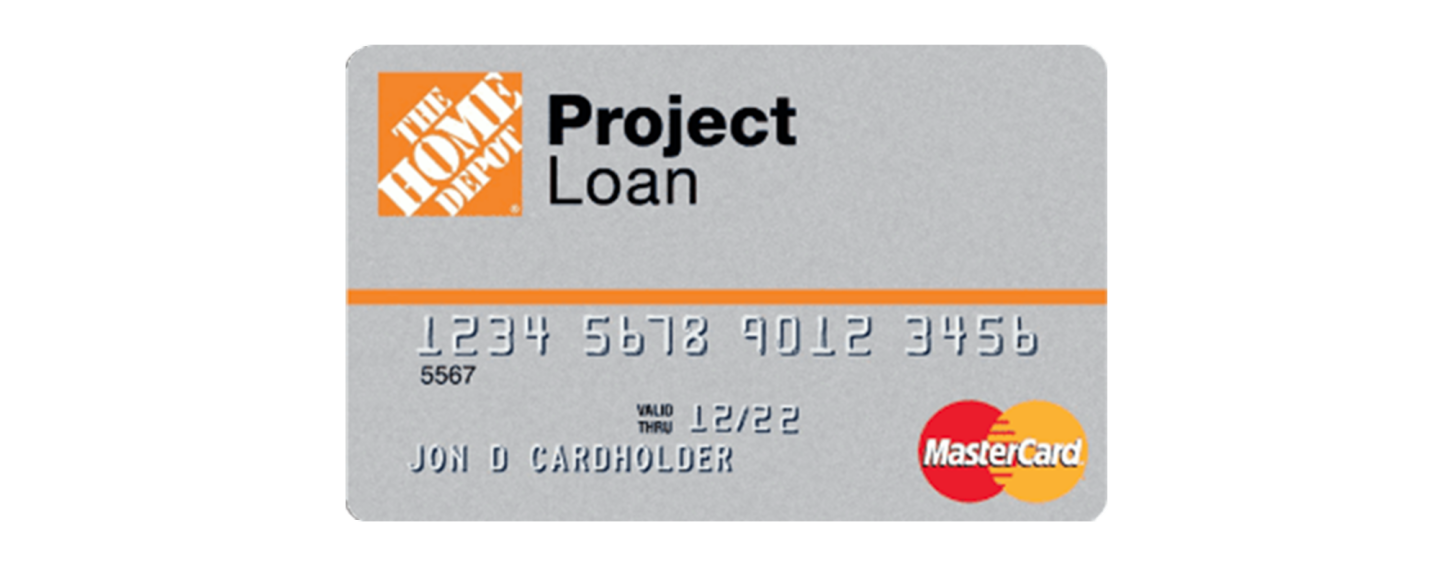
Canceling a credit card is a straightforward administrative process, but its implications on your credit score and future borrowing power are nuanced. This guide provides a detailed roadmap for closing your Home Depot credit account while protecting your financial health.
Understanding the Impact of Closing a Retail Credit Account
Before picking up the phone to cancel your Home Depot card, it is imperative to understand how this action reverberates through your credit report. The credit scoring models used by lenders, such as FICO and VantageScore, rely on several variables that can be affected by the closure of an account.
The Credit Utilization Ratio
The most immediate impact of closing a credit card is the change in your credit utilization ratio. This ratio represents the amount of revolving credit you are currently using divided by the total amount of credit available to you. For instance, if you have a total credit limit of $10,000 across all cards and you carry a balance of $2,000, your utilization is 20%. If your Home Depot card has a $2,000 limit and you close it, your total available credit drops to $8,000, pushing your utilization up to 25%. Financial experts generally recommend keeping this ratio below 30% to maintain a high credit score. If closing your Home Depot card significantly spikes this ratio, it may be worth reconsidering the timing of your cancellation.
Average Age of Accounts
The length of your credit history accounts for approximately 15% of your FICO score. While a closed account in good standing will remain on your credit report for ten years, it eventually falls off. If the Home Depot card is one of your oldest accounts, closing it might eventually shorten your average account age, potentially leading to a slight dip in your score down the road. However, for many users, the Home Depot card is a relatively recent addition, meaning its closure will have a negligible effect on the chronological depth of their credit profile.
Credit Mix and Diversity
Lenders like to see that you can manage different types of credit effectively. Retail cards fall into the revolving credit category. If the Home Depot card is your only retail-specific account, closing it might slightly decrease the “diversity” of your credit mix. That said, the impact of credit mix is relatively small compared to payment history and utilization.
Step-by-Step Instructions to Cancel Your Home Depot Credit Card
The Home Depot Consumer Credit Card is issued by Citibank, N.A. Consequently, you will be dealing with Citi’s customer service infrastructure rather than the staff at your local Home Depot warehouse. Following a structured approach ensures that the account is closed correctly and that no “zombie” balances remain to haunt your credit report.
Preparing Your Account for Closure
The first step is to ensure your balance is zero. You cannot effectively close a card if there are pending transactions or an outstanding balance. Pay off the remaining amount in full and wait for the payment to clear your bank account. It is also wise to check for any “residual interest.” This occurs when interest is calculated between the time your last statement was issued and the time your final payment was received. If a few dollars of interest appear after you thought you paid the balance, it could lead to late fees and credit damage if left ignored.
Contacting Customer Service
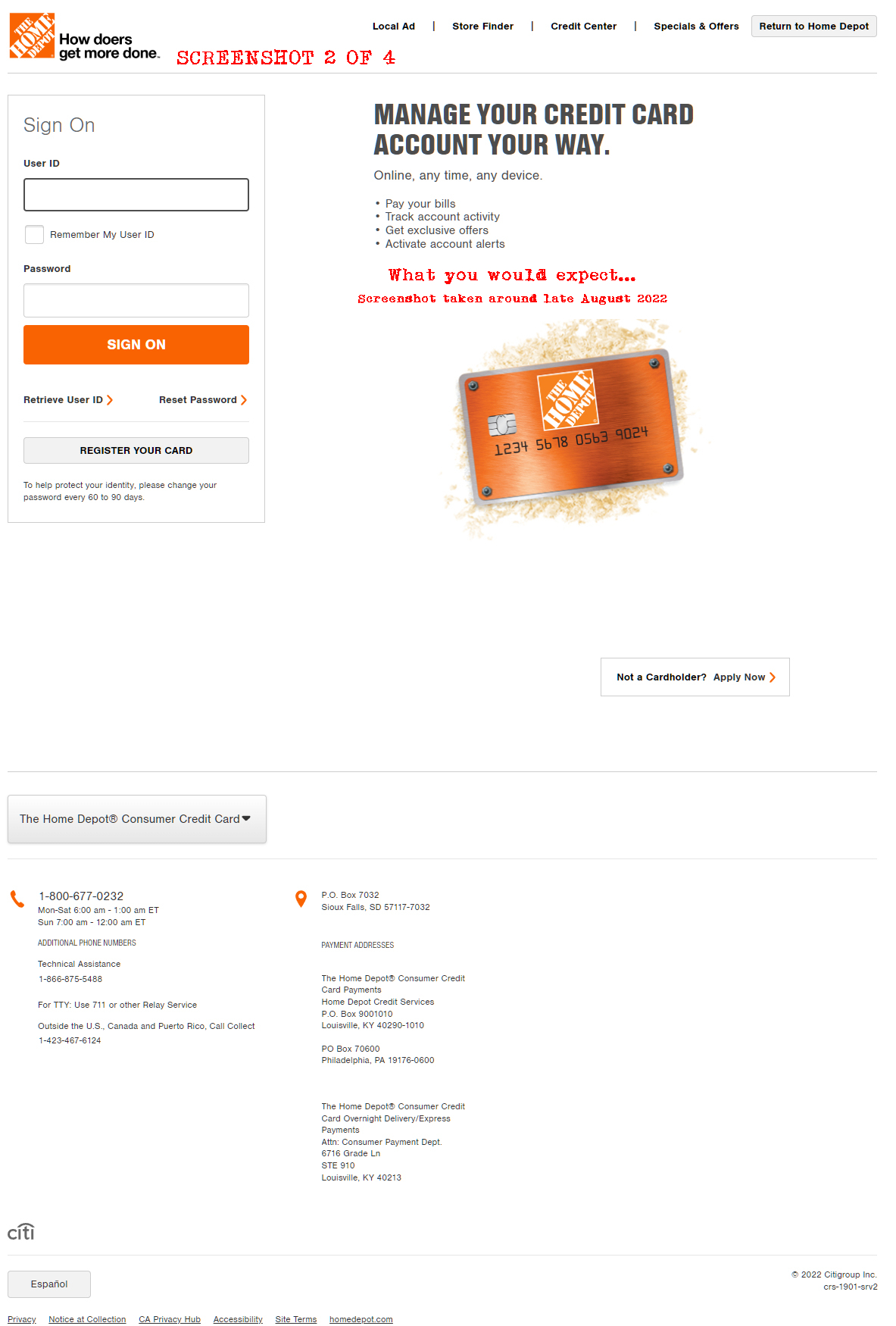
To initiate the cancellation, call the Home Depot Credit Services department. The number is typically located on the back of your physical card or your most recent billing statement. You can also reach them at 1-800-677-0232.
When you speak with a representative:
-
State your intent clearly: Use firm language. “I would like to close this account permanently” is more effective than “I’m thinking about canceling.”
-
Navigate the retention pitch: Customer service agents are often trained to offer incentives to keep your account open, such as a temporary lower APR or a new promotional offer. If your goal is financial simplification, politely decline these offers.
-
Request a specific notation: Ask the representative to note that the account is being “closed at the consumer’s request.” This distinction can be beneficial if a future lender manually reviews your credit report, as it indicates you initiated the closure rather than the bank closing the account due to delinquency or inactivity.

Confirming the Cancellation in Writing
While a phone call is usually sufficient, the most secure way to handle financial closures is to follow up with a written letter. Send a brief, formal letter via certified mail to the address provided by the customer service representative. Include your name, address, and the last four digits of the account number. State that you have requested the account be closed and that you would like a written confirmation of the zero balance and the account status. This provides a paper trail should any disputes arise in the future regarding the account’s standing.
When to Cancel vs. When to Keep the Account Active
In the world of personal finance, there is no one-size-fits-all answer to whether you should close a card. The decision should be based on an audit of your current financial habits and future goals.
The Case for Cancellation
Cancellation is often the right move if the card represents a significant temptation. If having the card in your wallet encourages you to overspend on “DIY” projects that aren’t in your budget, the psychological benefit of removing that temptation far outweighs the minor hit to your credit score. Furthermore, if you are moving into a lifestyle where you no longer require home improvement supplies (such as moving from a house to a managed apartment), the card becomes a redundant piece of plastic that increases your risk of identity theft or fraud.
The Case for Keeping it Open
If the Home Depot card has no annual fee—which is standard for the Consumer Credit Card—and you have the discipline to keep it at a zero balance, there is a strong argument for keeping it open. An open, unused card continues to contribute to your total available credit, which helps lower your utilization ratio. Additionally, Home Depot frequently offers “six months no interest” on purchases over a certain threshold. If you anticipate needing a major appliance or emergency repair in the future, having this specific financial tool already available can be a strategic move to preserve your cash flow.
Alternatives to Cancellation
If you are worried about the impact on your credit score but want to stop using the card, consider the “drawer method.” Simply pay the balance to zero and place the physical card in a secure location at home. This keeps the credit line active without it being a daily presence in your wallet. Be aware, however, that issuers may close accounts due to prolonged inactivity (usually 12 to 24 months). To prevent this, you could make one small purchase every year and pay it off immediately.
Post-Cancellation Best Practices
The process doesn’t end once you hang up the phone with the bank. Maintaining your financial health requires a follow-up period to ensure the closure was recorded accurately.
Monitoring Your Credit Report
Wait approximately 30 to 60 days after the cancellation, then check your credit reports from the three major bureaus: Equifax, Experian, and TransUnion. You are entitled to a free report from each once per year via AnnualCreditReport.com. Verify that the Home Depot account is marked as “Closed” and that the balance is indeed zero. If the account still appears as “Open” or shows an incorrect balance, you will need to file a dispute with the credit bureaus and provide the documentation from your cancellation letter.
Physical Security and Card Disposal
Once you have confirmation that the account is closed, properly destroy the physical card. Retail cards are often made of plastic, but some modern cards contain metal or chips that require more than just a pair of scissors. Use a cross-cut shredder that is rated for credit cards to ensure that the magnetic strip and the EMV chip are completely destroyed. This prevents “dumpster diving” identity thieves from recovering your account information.
Strategizing Your Future Credit Mix
Canceling a retail card like Home Depot is often a sign of financial maturity. It suggests that you are moving away from “deferred interest” traps and toward a more streamlined, intentional financial life. As you move forward, focus on building a credit profile based on high-quality financial products.
General-purpose cards that offer cash back or travel rewards often provide more utility than store-specific cards. By closing accounts that no longer serve you, you create space in your financial life to focus on tools that offer real, tangible value. Remember that a credit score is not a trophy to be admired, but a tool to be used. While you should be mindful of the points you might lose when closing an account, those points are a small price to pay for a simplified, secure, and stress-free financial existence.
In conclusion, canceling your Home Depot credit card is a three-part process: financial preparation, clear communication with Citibank, and diligent follow-up. When executed correctly, it is a proactive step toward mastering your personal finances and ensuring that your credit profile reflects your current needs rather than your past shopping habits.
aViewFromTheCave is a participant in the Amazon Services LLC Associates Program, an affiliate advertising program designed to provide a means for sites to earn advertising fees by advertising and linking to Amazon.com. Amazon, the Amazon logo, AmazonSupply, and the AmazonSupply logo are trademarks of Amazon.com, Inc. or its affiliates. As an Amazon Associate we earn affiliate commissions from qualifying purchases.