
Tinseltown, a moniker synonymous with the magic and spectacle of Hollywood, has always been the ultimate stage for illusion, storytelling, and, crucially, brand. More than just a geographical location, “Tinseltown” represents an industry built on projecting narratives, shaping perceptions, and cultivating enduring identities. Today, what’s “showing” at Tinseltown extends far beyond the silver screen, encompassing a sophisticated ecosystem where brand strategy is not merely a component but the very bedrock of success. From the colossal franchises that dominate global consciousness to the meticulously crafted personal brands of its stars, the entertainment industry offers an unparalleled masterclass in brand building, adaptation, and resonance in an ever-fragmented media landscape.
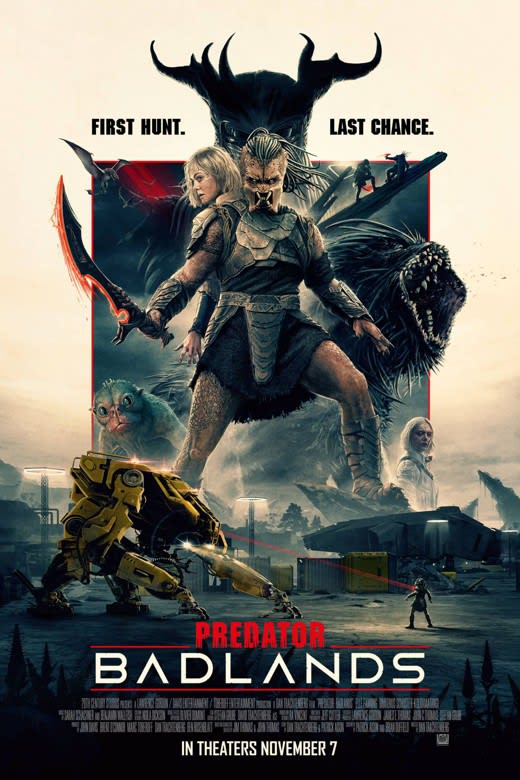
The modern Tinseltown operates at the intersection of creative vision and strategic branding, where every film, series, celebrity, and even studio itself is a carefully constructed entity vying for attention, loyalty, and cultural impact. This article delves into the multifaceted branding strategies currently “showing” at Tinseltown, exploring how content creators, marketers, and talent leverage identity, narrative, and experience to capture the hearts and minds of audiences worldwide.
The Blockbuster as a Brand: From Franchise to Universe
The concept of a “blockbuster” has transcended mere box office success; it now signifies a comprehensive brand strategy that aims for longevity, ubiquity, and multi-platform dominance. Today’s major films are rarely standalone projects but rather pillars within expansive, interconnected universes designed to cultivate enduring fan engagement and maximize revenue streams across diverse touchpoints.
The Franchise Ecosystem: Building Longevity and Legacy
At the heart of the blockbuster brand strategy is the franchise. Studios no longer just greenlight individual movies; they invest in entire intellectual properties, mapping out multi-decade sagas with interconnected storylines and characters. This approach transforms a single film into an entry point for a larger narrative, encouraging sustained audience investment. The “brand” here is the entire universe itself – think of the Marvel Cinematic Universe, Star Wars, or the Wizarding World. Each new installment, whether a film, TV series, or video game, acts as a brand extension, reinforcing the core identity and expanding its reach. This long-term vision requires meticulous brand guardianship, ensuring consistency in tone, character development, and lore across all manifestations, safeguarding the brand’s integrity while continuously innovating to keep it fresh and relevant. The success of these franchises hinges on creating a sense of history and anticipation, transforming casual viewers into dedicated followers who feel invested in the brand’s future.
Merchandise and Spin-offs: Extending the Narrative and Reach
A powerful brand extends beyond its primary content. For Tinseltown’s blockbusters, this means a colossal merchandising empire and a strategic proliferation of spin-offs. From action figures and video games to apparel and theme park attractions, merchandise serves as a tangible touchpoint, allowing fans to physically engage with the brand and integrate it into their daily lives. These products aren’t just revenue generators; they are powerful brand ambassadors, keeping characters and narratives alive outside of viewing hours. Spin-offs, whether prequels, sequels, or standalone stories featuring secondary characters, further enrich the brand’s universe, providing new perspectives and attracting new demographics. This careful ecosystem planning ensures that the brand remains omnipresent and continuously offers fresh content, preventing fatigue and maintaining high levels of engagement. The brand’s equity is amplified through these extensions, turning a film property into a lifestyle brand.
Fan Engagement: Co-Creating the Brand Story
In the digital age, passive consumption is no longer the norm. Modern blockbuster brands actively cultivate fan engagement, transforming audiences from consumers into collaborators and evangelists. Social media campaigns, interactive websites, fan conventions, and user-generated content initiatives are vital tools for building a loyal community. Studios often tease content, release behind-the-scenes footage, and create opportunities for fans to speculate, debate, and share their passion. This level of interaction fosters a sense of ownership and belonging, making fans feel like an integral part of the brand’s ongoing story. By listening to feedback and even incorporating fan theories, Tinseltown brands demonstrate authenticity and responsiveness, strengthening the bond between the content and its audience. The brand becomes a shared experience, constantly evolving through the dialogue between creators and their devoted followers.
Personal Branding in the Digital Age: Stars, Influencers, and Authenticity
The meticulously crafted image of the Hollywood star has always been a powerful brand in itself. However, the digital revolution has dramatically reshaped personal branding, moving beyond curated press releases to a more intricate dance between public persona and perceived authenticity, often blurring the lines between the two.
From A-Lister to Algorithm: The Shifting Power Dynamics
Historically, a star’s brand was largely controlled by studios and publicists, meticulously curated through media appearances, film roles, and carefully worded interviews. The digital age, with its direct-to-audience platforms like Instagram, Twitter, and TikTok, has democratized personal branding, giving talent unprecedented control—and responsibility—over their narratives. While A-listers still command traditional media, their digital footprint often dictates their contemporary relevance and marketability. The “algorithm” now plays a significant role in visibility and audience reach, pushing stars to constantly produce engaging content that resonates with their followers. This shift requires a more dynamic and consistent branding effort, where every post, story, and tweet contributes to the overall personal brand narrative. The power has shifted, demanding a blend of traditional celebrity glamour with digital savviness.
The Authenticity Paradox: Curating the “Real” Persona
In an era saturated with curated perfection, “authenticity” has become the holy grail of personal branding. Audiences crave genuine connection and relatability, pushing stars to reveal more personal aspects of their lives, share unvarnished opinions, or showcase their vulnerability. However, in Tinseltown, this “authenticity” is often a carefully constructed performance itself, a paradox where stars strategically reveal aspects of their “real” lives to build a relatable, trustworthy brand. The challenge lies in striking a balance: being relatable enough to connect with fans without oversharing, maintaining an aspirational quality without appearing unattainable, and expressing genuine opinions without alienating potential audiences or future employers. This strategic “authenticity” is a sophisticated brand play, requiring constant monitoring and adjustment to maintain public favor and market value.
Monetizing Influence: Brand Deals and Digital Footprints

Beyond film roles and endorsements, a robust personal brand in the digital age opens new avenues for monetization. Celebrities, much like digital influencers, now leverage their extensive social media following to secure lucrative brand deals, promoting products and services that align with their persona. A strong digital footprint translates directly into influence, which in turn becomes a valuable commodity. This involves careful brand alignment – an actor known for their environmental activism might partner with sustainable brands, while a comedian might promote quirky, youth-oriented products. The digital footprint becomes a living portfolio, showcasing not just acting chops but also lifestyle, values, and an ability to connect with specific demographics, all of which are meticulously managed brand assets that command significant financial returns.
Beyond the Screen: Experiential Branding and Immersive Worlds
Tinseltown’s brands are increasingly moving beyond passive consumption, crafting immersive experiences that allow audiences to step directly into their favorite stories and interact with their beloved characters. This shift towards experiential branding creates deeper, more memorable connections and extends the brand’s presence into physical and virtual spaces.
Theme Parks and Pop-ups: Physical Manifestations of Fandom
Theme parks have long been the quintessential example of experiential branding in entertainment, transforming film franchises into tangible worlds where fans can live out their fantasies. Locations like Universal Studios’ Wizarding World of Harry Potter or Disney’s Star Wars: Galaxy’s Edge offer meticulously designed environments, interactive attractions, and character encounters that deepen brand loyalty and create indelible memories. Beyond permanent installations, temporary “pop-up” experiences – interactive exhibits, themed restaurants, or escape rooms related to a new movie or series – have become powerful marketing tools. These physical touchpoints provide unique photo opportunities and social media fodder, generating organic buzz and fostering a sense of community among fans, solidifying the brand’s place in their lives beyond the screen.
VR/AR and Metaverse: New Realms for Brand Immersion
The advent of virtual and augmented reality (VR/AR) and the emerging metaverse presents unprecedented opportunities for Tinseltown brands to offer truly immersive experiences. Imagine stepping into a VR game set in the world of your favorite fantasy series, interacting with characters, and influencing the narrative. Or using AR apps to bring film characters into your living room. These technologies allow brands to create personalized, interactive engagements that go far beyond traditional storytelling. As the metaverse evolves, studios are exploring persistent virtual worlds where fans can socialize, attend virtual events, and engage with branded content in entirely new ways. This frontier of experiential branding promises to deepen immersion and foster unparalleled levels of brand loyalty, turning viewers into active participants in an ever-expanding brand universe.
Event Marketing: Premieres as Cultural Moments
Film premieres, once exclusive industry affairs, have evolved into global marketing extravaganzas and significant cultural moments. These events are meticulously branded, from the red carpet backdrops and themed decor to the curated guest lists and live-streamed interviews. They serve as a powerful platform to launch a film, generate widespread media coverage, and create a sense of occasion. Beyond premieres, fan conventions like Comic-Con have become crucial brand-building events, where studios unveil trailers, host Q&A sessions with talent, and offer exclusive merchandise. These events foster direct interaction between creators and fans, amplifying anticipation and loyalty. The meticulous branding of these events ensures that they are not just promotional tools but also integral parts of the fan experience, solidifying the brand’s cultural impact.
Corporate Identity in Flux: Studios Adapting to New Realities
The traditional corporate identity of Hollywood studios is undergoing a profound transformation. The rise of streaming, the consolidation of media giants, and the increasing demand for purpose-driven brands are forcing studios to redefine who they are, what they stand for, and how they connect with audiences.
Streaming Wars: Redefining Studio Identities
The fierce competition in the streaming landscape has compelled legacy studios to dramatically rethink their corporate identities. Historically, a studio’s brand was defined by its theatrical releases and iconic logos. Now, many have become direct-to-consumer platforms, creating new brand identities like “Disney+,” “Max,” or “Paramount+.” This shift requires a new brand strategy focused on subscriber acquisition and retention, emphasizing exclusive content, user experience, and a consistent brand voice across all digital touchpoints. The challenge is to maintain the heritage and prestige of the parent studio brand while developing a fresh, agile identity for the streaming service that resonates with a tech-savvy, on-demand audience. This involves careful messaging to highlight value propositions and differentiators in a crowded market.
Mergers and Acquisitions: Brand Portfolio Management
The wave of mergers and acquisitions in the media industry has resulted in massive conglomerates managing vast portfolios of iconic brands. This consolidation presents both opportunities and challenges for brand strategy. Integrating diverse intellectual properties under a new corporate umbrella requires careful consideration of how existing brand equities are maintained, leveraged, and sometimes, rebranded. The goal is to create synergistic value without diluting the distinct identities that audiences cherish. For example, when Disney acquired Lucasfilm or 20th Century Fox, the branding strategy involved integrating these acquisitions into the larger Disney ecosystem while preserving their individual cultural significance. This delicate balancing act demands expert brand portfolio management to ensure that each brand within the larger entity continues to thrive and contribute to the overall corporate identity.

Purpose-Driven Branding: Values in the Spotlight
In an increasingly socially conscious world, audiences expect brands, including entertainment studios, to stand for something beyond profit. Purpose-driven branding has become crucial, with studios articulating their values, promoting diversity and inclusion, and addressing social issues through their content and corporate actions. This involves carefully crafting a brand narrative that reflects ethical commitments, responsible production practices, and a commitment to societal impact. From promoting sustainable filmmaking to advocating for underrepresented voices, studios are recognizing that their corporate identity is inextricably linked to their perceived social responsibility. Authenticity in purpose-driven branding is key; empty rhetoric can lead to backlash, while genuine commitment can build deep trust and loyalty, reinforcing the brand as a cultural leader rather than just a content provider.
What’s showing at Tinseltown today is a dynamic and intricate display of sophisticated brand strategies. From the sprawling universes of blockbuster franchises and the carefully managed personas of its stars, to the immersive experiences crafted for devout fans and the evolving corporate identities of its titans, Tinseltown remains a vibrant laboratory for brand innovation. The ability to craft compelling narratives, cultivate deep engagement, and adapt identities to a rapidly changing media landscape is not just about making movies; it’s about building enduring brands that captivate, resonate, and continue to shape our cultural imagination. The show, indeed, goes on, driven by the relentless pursuit of brand excellence.
aViewFromTheCave is a participant in the Amazon Services LLC Associates Program, an affiliate advertising program designed to provide a means for sites to earn advertising fees by advertising and linking to Amazon.com. Amazon, the Amazon logo, AmazonSupply, and the AmazonSupply logo are trademarks of Amazon.com, Inc. or its affiliates. As an Amazon Associate we earn affiliate commissions from qualifying purchases.