
In an increasingly digital world, applications like Cash App have become indispensable tools for managing personal finances, facilitating quick peer-to-peer payments, and even handling investments. Millions rely on Cash App daily for everything from splitting dinner bills to receiving paychecks. Yet, a fundamental question often surfaces among users: “What is the Cash App bank name?” This isn’t just a matter of curiosity; it’s a critical inquiry into the underlying financial infrastructure that secures user funds, enables transactions, and ensures regulatory compliance. Understanding the banking partners behind Cash App is paramount for grasping the security, reliability, and regulatory oversight of your digital wallet.
Unlike traditional banks, Cash App is not a bank itself. It operates as a financial technology (fintech) platform, offering banking-like services through strategic partnerships with established, federally regulated financial institutions. This distinction is crucial, as it dictates how user funds are held, protected, and governed. For users navigating their personal finance, grasping this distributed banking model provides a deeper insight into the safety mechanisms and operational transparency of their chosen digital financial tool.
The Distributed Banking Model: More Than Just One Bank
The notion of a single “Cash App bank name” is a common misconception, born from the traditional banking model where one institution handles all aspects of an account. Fintech platforms like Cash App, however, employ a distributed banking model, leveraging multiple regulated banks to provide their suite of services. This approach is not only efficient but also strategically designed to meet various operational, regulatory, and security requirements.
Why a Network, Not a Single Entity?
Operating a vast financial platform requires immense scalability, robust compliance frameworks, and diversified risk management – tasks often too broad for a single partner bank. By working with a network of financial institutions, Cash App can:
-
Ensure Regulatory Compliance: Different aspects of Cash App’s services, such as deposit accounts, debit cards, and lending, might fall under varying banking regulations. Partnering with banks specialized in these areas ensures compliance with specific federal and state laws.
-
Enhance Scalability and Service Delivery: A distributed model allows Cash App to process a massive volume of transactions and manage millions of user accounts efficiently. Different banks might handle different geographical regions or service types, optimizing performance and reducing potential bottlenecks.
-
Diversify Risk: Relying on multiple partners mitigates the risk associated with a single point of failure. Should one partner experience operational issues, the entire system is less likely to be jeopardized, enhancing overall stability and reliability for users’ funds.
-
Offer Specialized Services: Certain banking partners may have expertise in specific financial products, allowing Cash App to offer a broader range of services, such as FDIC-insured accounts, routing numbers for direct deposits, and even payment processing for businesses.
The Role of Partner Banks
The partner banks in Cash App’s ecosystem are not merely silent custodians. They are integral to the platform’s functionality, serving several critical roles:
-
Holding User Funds: These banks are responsible for actually holding user balances in accounts that are often eligible for FDIC insurance. When you see your balance in Cash App, the corresponding funds are typically held by one of these partner banks.
-
Issuing Payment Instruments: The physical and virtual Cash Cards are issued by these partner banks, enabling users to spend their Cash App balance anywhere Visa is accepted. This linkage is crucial for the card’s functionality and regulatory compliance.
-
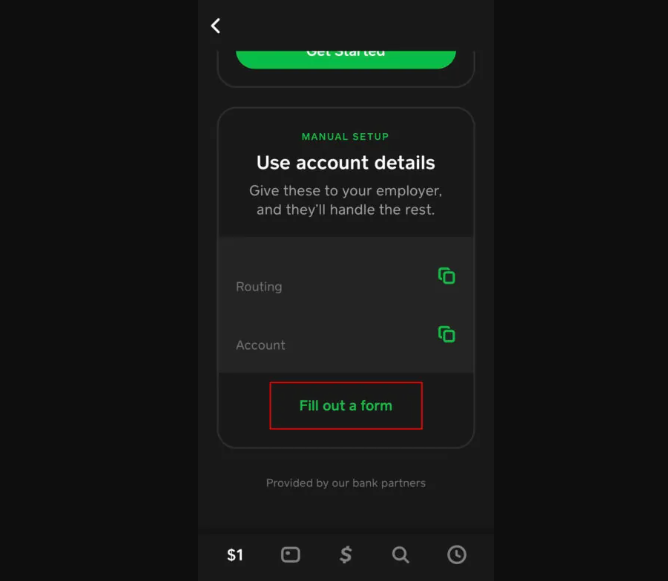
Providing Account Identifiers: The routing and account numbers associated with your Cash App account, which enable direct deposits and other banking functions, are provided by one of these partner banks. This seamlessly integrates Cash App into the traditional banking infrastructure.
-
Ensuring Regulatory Oversight: As regulated entities, these banks bring a layer of oversight from federal agencies like the FDIC and various state banking departments, adding a crucial layer of protection for consumers.
Identifying Cash App’s Primary Banking Partners
While Cash App’s exact network of banking partners can evolve, two institutions have consistently been identified as primary players in facilitating its core services: Sutton Bank and Lincoln Savings Bank. These banks are fully regulated and play a vital role in securing user funds and enabling transactions.
Sutton Bank: A Key Player
Sutton Bank, an FDIC-insured state-chartered bank based in Ohio, is arguably the most recognized banking partner for Cash App. Its involvement is critical for several aspects of the service:
-
FDIC Insurance for Funds: Sutton Bank holds a significant portion of Cash App user funds, making these balances eligible for FDIC “pass-through” insurance, up to the standard maximum deposit insurance amount. This means that in the unlikely event Sutton Bank fails, your funds are protected by the U.S. government.
-
Issuance of Cash Cards: Sutton Bank is the issuer of the Cash Card, which is a debit card linked to a user’s Cash App balance. This partnership allows users to spend their digital balance in the physical world, leveraging Sutton Bank’s capabilities as a card issuer.
-
Providing Account and Routing Numbers: For many Cash App users, the routing and account numbers provided for direct deposits are associated with Sutton Bank. This integrates Cash App seamlessly into the traditional Automated Clearing House (ACH) network, enabling functionalities like direct deposit of paychecks.
Lincoln Savings Bank: Another Crucial Partner
Lincoln Savings Bank, an Iowa-chartered bank also insured by the FDIC, is another significant partner for Cash App, particularly in certain functionalities and offerings.
-
Supplemental Fund Holding: Similar to Sutton Bank, Lincoln Savings Bank may also hold user funds, contributing to the overall capacity and redundancy of Cash App’s financial infrastructure.
-
Diverse Service Offerings: While specific roles can vary, Lincoln Savings Bank often supports various aspects of Cash App’s financial product suite, potentially including specific features or accounts. This collaboration further strengthens the distributed model, ensuring robustness and flexibility.
The Importance of Knowing These Names
For the discerning user, recognizing Sutton Bank and Lincoln Savings Bank as primary partners is not just trivia; it’s fundamental to understanding the security and regulatory landscape of their digital finances. It provides:
-
Clarity on FDIC Coverage: Knowing which banks hold your funds directly informs you about the applicability of FDIC insurance, a cornerstone of consumer protection in the U.S. financial system.
-
Transparency in Financial Operations: It offers insight into the operational structure of a major fintech platform, demystifying how digital money is managed and regulated.
-
Confidence in Dispute Resolution: In the rare event of a financial dispute or issue, understanding the underlying banking partners can be relevant for navigating resolution processes, although most user-facing support will come directly from Cash App.
Understanding FDIC Insurance for Your Cash App Funds
One of the most critical aspects of knowing Cash App’s banking partners pertains to the Federal Deposit Insurance Corporation (FDIC) insurance. This federal backing provides a vital safety net for consumers, protecting their money in insured financial institutions.
How FDIC Protection Works
FDIC insurance protects deposits up to at least $250,000 per depositor, per insured bank, for each account ownership category. For fintech platforms like Cash App, this protection operates on a “pass-through” basis. This means that while your funds are held by a partner bank (like Sutton Bank or Lincoln Savings Bank) in a custodial account, the insurance protection passes through to you, the individual Cash App user, up to the standard limits.
-
Pass-Through Insurance: Cash App aggregates user funds with its partner banks. The FDIC ensures that each individual user’s funds within that aggregated account are protected, provided the necessary records are maintained by Cash App and its partner bank.
-
$250,000 Limit: This limit applies to the sum of all your funds held with that specific FDIC-insured partner bank, whether through Cash App or any other accounts you might have directly with that bank.
What Funds Are Covered?

Generally, the U.S. dollar balance held in your Cash App account, which is primarily used for payments and direct deposits, is eligible for FDIC pass-through insurance through its partner banks. This includes:
- Cash App Balance: The core balance displayed in your app, used for sending money, making purchases, and direct deposits.
What Funds Are Not Covered?
It’s equally important to understand what aspects of your Cash App activity are not covered by FDIC insurance:
-
Bitcoin Holdings: Funds invested in Bitcoin through Cash App are not FDIC insured. Bitcoin is a cryptocurrency and its value is subject to market fluctuations; it is not considered a deposit.
-
Stock Investments: Similarly, any stock investments made through Cash App Investing are not FDIC insured. These investments are protected by the Securities Investor Protection Corporation (SIPC) up to $500,000 for securities and cash, which is a different form of insurance for brokerage accounts, not bank deposits.
-
Funds Held Outside Partner Banks: Any funds that might be temporarily held by Cash App itself before being transferred to a partner bank, or funds involved in other non-deposit related services, may not be covered by FDIC insurance.
Navigating Financial Security and Trust with Cash App
Beyond the crucial aspect of FDIC insurance, financial security on Cash App encompasses a broader range of measures, both by the platform itself and through diligent user practices. Building trust in a digital financial tool requires transparency, robust security protocols, and active user awareness.
Beyond FDIC: Cash App’s Security Measures
Cash App employs multiple layers of security to protect user accounts and transactions, complementing the regulatory oversight provided by its banking partners:
-
Encryption and Data Security: All sensitive information, including financial data and personal details, is encrypted both in transit and at rest, protecting it from unauthorized access.
-
Fraud Detection and Prevention: Sophisticated algorithms and dedicated teams continuously monitor transactions for suspicious activity, employing real-time fraud detection systems to identify and block fraudulent payments.
-
Account Protection Features: Users can enable additional security layers like PINs, Touch ID, or Face ID for transactions, adding an extra barrier against unauthorized access. Email and phone verification are also standard for account access and critical actions.
-
24/7 Support: While not a preventative measure, access to customer support is crucial for addressing security concerns, reporting unauthorized activity, and resolving disputes promptly.
User Responsibilities in Protecting Funds
While Cash App and its partners implement robust security, users bear significant responsibility in maintaining the security of their accounts:
-
Strong, Unique Passwords: Using complex, unique passwords for Cash App and associated email accounts is fundamental.
-
Two-Factor Authentication (2FA): Enabling 2FA adds a critical layer of security, requiring a second verification step beyond just a password.
-
Vigilance Against Scams: Being aware of common phishing scams, unsolicited requests for money, and fake customer support contacts is vital. Never share your PIN, sign-in code, or full Cash Card number with anyone.
-
Regular Monitoring: Periodically reviewing transaction history and account activity helps identify any unauthorized transactions quickly.
-
Keeping Software Updated: Ensuring the Cash App application and operating system are up-to-date helps protect against known vulnerabilities.
The Evolving Landscape of Digital Finance
The partnership model adopted by Cash App and other fintechs represents the future of digital finance. It blurs the lines between traditional banking and innovative technology, creating a more accessible and efficient financial ecosystem. As this landscape evolves:
-
Trust in Fintech: Consumers are increasingly placing their trust in fintech platforms, driven by ease of use, innovative features, and clear communication about underlying financial protections.
-
Regulatory Oversight: Regulators are continually adapting to the unique challenges and opportunities presented by fintech, ensuring consumer protection remains paramount while fostering innovation.
-
Collaboration Over Competition: The synergy between fintech innovators and traditional banks is growing, leading to more robust and comprehensive financial services for a wider audience.
The Implications for Users and the Future of Digital Banking
Understanding the banking relationships behind Cash App carries significant implications for its users and paints a clearer picture of the evolving financial services industry. It highlights how digital tools are reshaping access to finance and the expectations users have for their financial providers.
Financial Inclusion and Accessibility
The distributed banking model, particularly with partners like Sutton Bank and Lincoln Savings Bank, has profound implications for financial inclusion. By partnering with established banks, Cash App can offer services like direct deposits and debit cards to populations that might be underserved by traditional banking institutions.
-
Lower Barriers to Entry: Many fintech apps have simpler onboarding processes and fewer requirements than traditional banks, making them accessible to those without extensive credit histories or who prefer digital-first solutions.
-
Serving the Underbanked: By offering core banking functionalities, Cash App provides a vital service for individuals who may not have access to or choose not to use traditional bank accounts, enabling them to participate more fully in the digital economy.
The Blurring Lines Between Fintech and Traditional Banks
The partnership model exemplifies the growing convergence of fintech and traditional banking. What was once seen as a stark competition is increasingly becoming a relationship of collaboration and mutual benefit.
-
Innovation through Partnership: Traditional banks gain access to cutting-edge technology and a broader customer base through partnerships, while fintechs leverage the regulatory compliance, trust, and established infrastructure of banks.
-
Enhanced User Experience: This collaboration ultimately benefits the end-user, who gets the best of both worlds: the innovation and convenience of fintech combined with the security and regulatory oversight of traditional banking.

What This Means for Your Personal Finance Strategy
For any individual managing their money through Cash App, understanding its banking backbone is a critical component of an informed personal finance strategy:
-
Informed Decision-Making: Knowing how your funds are held and protected allows for more informed decisions regarding the use of Cash App for various financial activities, from everyday spending to investing.
-
Diversification and Risk Management: It encourages users to consider diversification – not putting all financial eggs in one basket – and to understand the specific risks associated with different features (e.g., FDIC-insured balances vs. uninsured crypto investments).
-
Empowered Engagement: An informed user is an empowered user, better equipped to ask questions, understand terms and conditions, and advocate for their financial well-being within the digital landscape.
In conclusion, “What is the Cash App bank name?” isn’t a simple question with a singular answer. It reveals a sophisticated network of partnerships, primarily with FDIC-insured institutions like Sutton Bank and Lincoln Savings Bank, designed to provide secure, compliant, and scalable financial services. For the discerning user of digital finance tools, this understanding is more than just technical knowledge; it’s a foundational element for ensuring the security of their money and navigating the evolving landscape of personal finance with confidence and insight.
aViewFromTheCave is a participant in the Amazon Services LLC Associates Program, an affiliate advertising program designed to provide a means for sites to earn advertising fees by advertising and linking to Amazon.com. Amazon, the Amazon logo, AmazonSupply, and the AmazonSupply logo are trademarks of Amazon.com, Inc. or its affiliates. As an Amazon Associate we earn affiliate commissions from qualifying purchases.