
In the rapidly evolving landscape of digital finance, peer-to-peer (P2P) payment apps like Venmo have become indispensable tools for millions. Splitting dinner bills, contributing to group gifts, or reimbursing a friend for concert tickets have never been easier. However, the convenience and widespread adoption often lead users to overlook a crucial question: What does Venmo actually cost? While the fundamental act of sending money between friends often appears free, a closer examination reveals a nuanced fee structure that can impact users, particularly those who rely on the platform for more than just casual P2P transactions.
Understanding Venmo’s fee model is essential for making informed financial decisions, avoiding unexpected charges, and maximizing the utility of the service. This article delves into the various costs associated with using Venmo, distinguishing between its free core services and the scenarios where fees apply. We’ll explore direct transaction costs, discuss broader financial considerations, and offer strategies to leverage Venmo efficiently without incurring unnecessary expenses, all viewed through the lens of prudent personal and business finance.
Venmo’s Core Service: Free and Convenient for Peer-to-Peer Payments
At its heart, Venmo built its immense popularity on the promise of free, instant money transfers between users. This core offering remains the primary driver of its engagement and widespread utility, fundamentally reshaping how individuals manage everyday shared expenses.
The Fundamental Free Model
For the vast majority of users and transactions, Venmo costs nothing. Sending money to friends, family, or other Venmo users from a linked bank account, a debit card, or your Venmo balance is completely free. This “free at the point of use” model is a significant draw, eliminating the traditional friction and fees associated with bank transfers, checks, or even other digital payment methods that might charge a percentage for small transactions. This zero-fee structure for basic P2P payments has empowered countless individuals to manage shared finances with unprecedented ease, fostering a culture of instant digital reimbursement.
How Free P2P Payments Work
When you link your bank account or a debit card to your Venmo profile, you gain the ability to send money to other Venmo users seamlessly. The platform facilitates these transfers by acting as an intermediary, deducting funds from your chosen source and crediting the recipient’s Venmo balance. Crucially, as long as these funds are drawn from a bank account or a debit card, and the transfer is between individual Venmo users for personal purposes, no fee is applied by Venmo. This design encourages frequent, small-value transactions, integrating Venmo deeply into the daily financial habits of its user base. The simplicity of selecting a contact, entering an amount, and hitting “send” without the immediate concern of a fee has cemented Venmo’s place as a premier financial tool for casual money exchanges.
The “Cost” of Convenience (Beyond Direct Fees)
While direct fees for standard P2P payments are absent, it’s worth considering the broader financial implications inherent in using any digital platform. The convenience of Venmo, like many “free” digital services, often involves a trade-off. Users implicitly exchange personal transaction data and engagement for the service. While Venmo, a PayPal service, adheres to robust data security and privacy policies, the aggregated data can inform marketing strategies and service enhancements. For the financially astute, understanding that “free” services often have an underlying value exchange is a critical part of comprehending the modern digital economy. Furthermore, the ease of spending can, for some, lead to less meticulous tracking of outflows, indirectly impacting personal budgeting if not managed consciously.
When Venmo Charges a Fee: Navigating the Transaction Costs
While Venmo excels at free P2P payments, certain services and transaction types come with explicit fees. These charges are often tied to features that offer increased speed, different funding sources, or commercial applications, representing how Venmo monetizes its platform beyond basic transfers.
Instant Transfer Fees: The Price of Speed
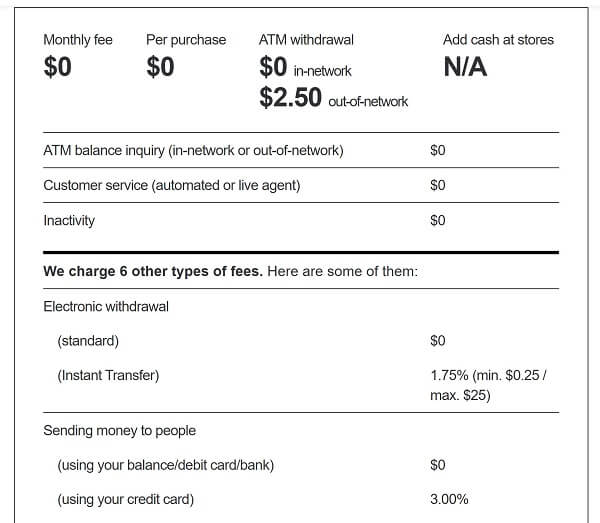
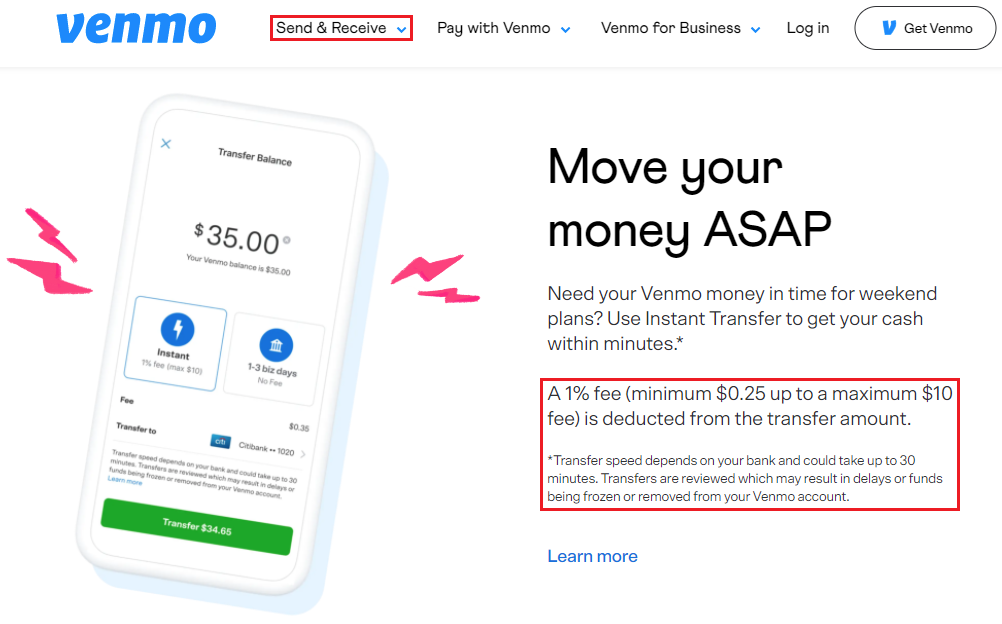
One of the most common fees users encounter is for instant transfers. When you receive money into your Venmo balance, it typically sits there until you manually initiate a transfer to your linked bank account. A standard transfer to a bank account is free but can take 1-3 business days to process. However, if you need immediate access to your funds, Venmo offers an “Instant Transfer” option. This service comes with a fee of 1.75% of the transfer amount, with a minimum fee of $0.25 and a maximum fee of $25.00. This fee allows users to transfer funds from their Venmo balance directly to a linked debit card or eligible bank account, usually within minutes. For individuals or small businesses needing urgent liquidity, this fee can be a worthwhile trade-off, but it’s crucial to be aware of the cost before initiating.
Credit Card Transaction Fees: A Common Payment Processing Charge
While sending money from a debit card or bank account is free, Venmo imposes a fee when you use a credit card as the funding source for P2P payments. This is a standard practice across many payment processors, reflecting the higher interchange fees and processing costs associated with credit card transactions. Venmo charges a fee of 3% of the transaction amount when you send money to another person using a linked credit card. This fee is paid by the sender. For financially savvy users, this means that using a credit card for personal Venmo payments is generally not advisable unless there’s a specific reward or benefit that outweighs the 3% charge, such as meeting a minimum spend requirement for a sign-up bonus, though even then, caution is warranted.
Cryptocurrency Transaction Fees: Exploring Digital Asset Costs
Venmo has expanded its services to include the ability to buy, sell, and hold certain cryptocurrencies (Bitcoin, Ethereum, Litecoin, and Bitcoin Cash) directly within the app. Engaging with this feature involves distinct fees, separate from traditional money transfers. The fee structure for crypto transactions on Venmo is tiered based on the transaction amount:
-
For transactions up to $25: A flat fee of $0.49
-
For transactions between $25.01 and $100: A flat fee of $0.99
-
For transactions between $100.01 and $200: A flat fee of $1.99
-
For transactions between $200.01 and $500: A flat fee of $2.49
-
For transactions between $500.01 and $1000: A flat fee of $2.99
-
For transactions above $1000.01: A fee of 1.50% of the transaction amount.
These fees are relatively competitive within the broader cryptocurrency exchange market, but they are a clear cost for users looking to dip their toes into digital assets through Venmo. Understanding these specific charges is vital for anyone considering using Venmo for crypto investments, as they directly impact the profitability of trades.
Business Profile & Goods and Services Fees: For Merchants and Sellers
Venmo offers “Business Profiles” for sellers and businesses to accept payments from customers. While this facilitates commercial transactions, it comes with a transaction fee. When a customer pays a Venmo Business Profile or uses Venmo to pay for goods and services (e.g., in an approved app or website, or by explicitly marking a P2P payment as a “goods and services” transaction), Venmo charges the seller a standard seller transaction fee. This fee is typically 1.9% + $0.10 per transaction. This fee covers the cost of payment processing and offers seller protection benefits. For small businesses, freelancers, or anyone selling items, it’s crucial to factor this fee into pricing strategies to ensure profitability. Failure to account for this can significantly erode margins, especially on lower-value items.
Beyond Direct Fees: Hidden Costs and Financial Considerations
While direct transaction fees are the most obvious costs, there are other, less explicit financial considerations and potential pitfalls associated with using Venmo that financially savvy users should be aware of.
The Cost of Fund Accessibility: Standard vs. Instant Transfers
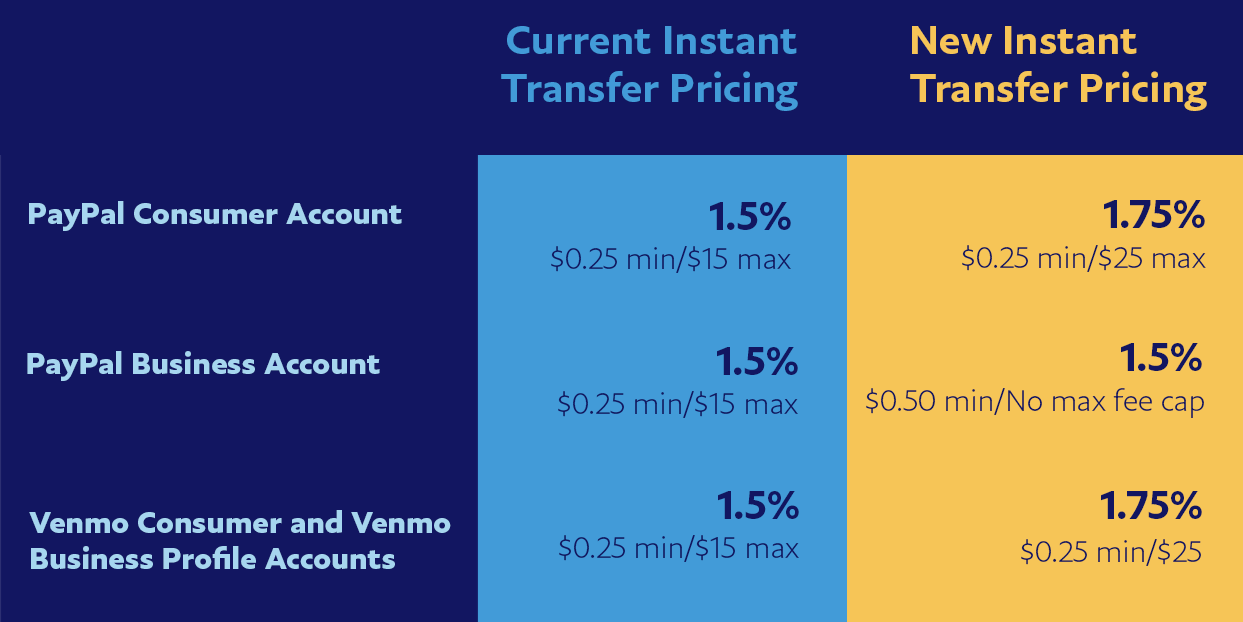
As discussed, while standard bank transfers from your Venmo balance are free, they aren’t instant. The 1-3 business day waiting period means your funds are not immediately liquid. For individuals managing tight cash flows or businesses relying on quick access to funds, this delay can be a “cost” in terms of opportunity or operational efficiency. The instant transfer fee, then, becomes the direct monetary cost of mitigating this delay, highlighting a trade-off between cost and liquidity that users must actively manage.
Foreign Transaction Fees (Indirect Impact)
Venmo is primarily designed for domestic transactions within the United States, and it only supports payments in U.S. dollars. It does not currently facilitate international money transfers. However, if you were to link a credit card that charges foreign transaction fees and use it for a Venmo payment while abroad (though the payment itself would still be in USD), you could indirectly incur these fees from your card issuer. While not a direct Venmo fee, it’s a financial consideration for international travelers or expats who might confuse Venmo with global payment platforms.
Potential Overdraft Risks (When Linked to Bank Accounts)
One subtle but significant financial risk associated with Venmo, particularly for those who link it directly to a checking account, is the potential for overdraft fees. If you send money from your bank account via Venmo and your bank balance is insufficient, your bank may charge you an overdraft fee. While Venmo itself doesn’t charge this fee, its seamless integration with bank accounts means users must maintain diligent oversight of their primary account balances to avoid these costly charges from their financial institution. This underscores the importance of responsible bank account management in conjunction with payment apps.
Privacy and Data Monetization (The Broader ‘Cost’ of Free Services)
In the digital age, a critical financial consideration for any “free” service is the implicit value exchange involving personal data. Venmo collects user data, including transaction history, social connections, and usage patterns. While this data is used for improving services, security, and targeted advertising, some users may consider the sharing or monetization of their data a “cost” even if it’s not a direct monetary charge. Understanding a platform’s privacy policy and the extent of data collection is a fundamental aspect of digital financial literacy, allowing users to weigh the convenience against their comfort with data sharing.
Maximizing Venmo’s Value: Smart Strategies to Avoid Unnecessary Costs
Navigating Venmo’s fee structure doesn’t have to be complicated. By employing a few smart financial strategies, users can largely enjoy the platform’s convenience without incurring unexpected or avoidable costs.
Prioritize Standard Bank Transfers
Whenever possible, opt for the standard 1-3 business day transfer when moving funds from your Venmo balance to your bank account. The patience required for this free service will save you the 1.75% instant transfer fee, which can add up significantly over time, especially for larger sums. Plan your finances to anticipate when you’ll need access to your Venmo balance.
Use Debit or Bank Accounts for P2P Payments
For sending money to friends and family, always fund your payments using a linked bank account or a debit card. This ensures the transaction is free. Reserve credit cards for situations where the rewards explicitly outweigh the 3% Venmo fee, or if you’re comfortable absorbing that cost for convenience. Generally, using a credit card for P2P payments on Venmo is a financially suboptimal choice unless a very specific and substantial benefit is being sought.
Understand Business vs. Personal Transactions
If you are a seller or a service provider, ensure you are using a Venmo Business Profile or clearly marking payments as “goods and services” to benefit from seller protection. However, be aware that these transactions will incur the 1.9% + $0.10 seller fee. Conversely, if you’re sending money to a friend for a personal reason, make sure not to accidentally mark it as a goods and services payment, as this could unintentionally incur a fee for the recipient. Clarity in transaction purpose is key.
Monitor Fee Structures and Updates
Payment app fee structures can change. Venmo, like all financial services, updates its terms and conditions periodically. Make it a practice to review Venmo’s official help center or terms of service page for any changes to fees, especially for services you use frequently like instant transfers or cryptocurrency transactions. Staying informed is the best defense against unexpected costs.
Leveraging Venmo’s Debit Card and Credit Card (If Applicable and Beneficial)
Venmo offers its own debit card (the Venmo Mastercard) and a Venmo Credit Card. The debit card, linked directly to your Venmo balance, allows you to spend your balance anywhere Mastercard is accepted, often without additional fees (though ATM withdrawal fees may apply). The Venmo Credit Card offers cash back on eligible purchases. While these products offer their own benefits and potential costs (e.g., credit card interest if balances aren’t paid), they can be integrated into a comprehensive financial strategy for managing Venmo funds and spending, potentially reducing reliance on instant transfers or other fee-incurring methods.
Is Venmo Worth the Cost? A Financial Perspective
Ultimately, the question of “what does Venmo cost?” extends beyond a simple list of fees; it involves evaluating its overall value proposition in your personal and business financial ecosystem.
Balancing Convenience and Cost
For most users, Venmo’s fundamental offering of free, instant P2P payments from bank accounts or debit cards provides immense value and convenience that far outweighs the potential for fees. The ability to seamlessly split expenses or send money without the hassle of cash or traditional banking methods saves time and simplifies social financial interactions. The fees that do exist are typically for premium services (like instant transfers) or commercial transactions, which are elective and transparent.
Comparing Venmo to Alternatives
When considering if Venmo is “worth it,” it’s beneficial to compare its fee structure and features to alternatives like Zelle, PayPal, Cash App, or even traditional bank transfers. Zelle, for instance, generally offers free instant transfers directly between bank accounts, but may lack Venmo’s social features or merchant payment options. PayPal, Venmo’s parent company, offers a broader suite of services with its own distinct fee structure. The “best” platform often depends on individual needs: speed, social features, commercial capabilities, or international transfer requirements.
The Role of Venmo in Modern Personal Finance
Venmo has cemented its place as a critical tool in modern personal finance, particularly for younger demographics. Its ease of use encourages timely payments and reduces financial friction among peers. For small businesses and freelancers, its Business Profile offers an accessible way to accept digital payments. By understanding its fee structure, users can leverage Venmo strategically, taking full advantage of its free core services while consciously deciding when the convenience or necessity of a fee-based service is financially justified. In a world increasingly driven by digital transactions, a clear understanding of what Venmo costs—and when—empowers users to manage their money more effectively and efficiently.
aViewFromTheCave is a participant in the Amazon Services LLC Associates Program, an affiliate advertising program designed to provide a means for sites to earn advertising fees by advertising and linking to Amazon.com. Amazon, the Amazon logo, AmazonSupply, and the AmazonSupply logo are trademarks of Amazon.com, Inc. or its affiliates. As an Amazon Associate we earn affiliate commissions from qualifying purchases.