
In the rapidly evolving landscape of personal finance, the way we exchange value has shifted from physical currency to digital ledger entries. At the forefront of this revolution is Venmo, a service that has become so ubiquitous that it has transitioned from a brand name to a verb. To understand what Venmo payments are is to understand the mechanics of modern peer-to-peer (P2P) finance—a system designed to remove the friction from daily economic interactions. At its core, Venmo is a mobile payment service owned by PayPal, designed to allow users to transfer funds to one another via a mobile phone app. However, beneath its simple interface lies a complex financial tool that impacts how we budget, spend, and manage our personal liquidity.

The Mechanics of Peer-to-Peer Financial Transfers
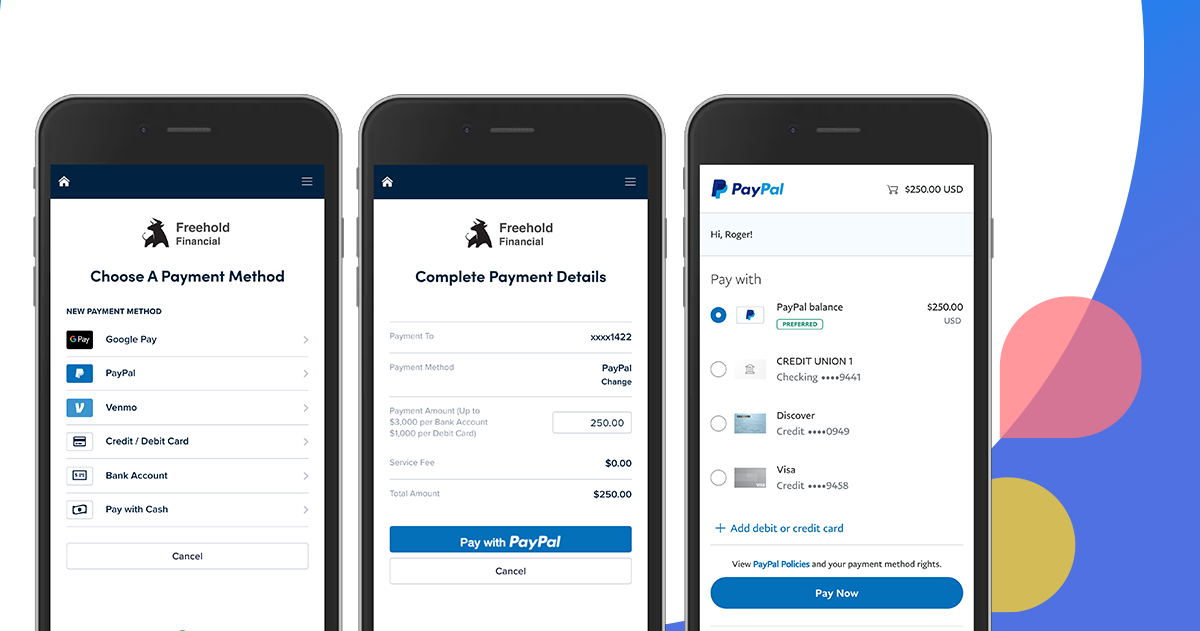
Venmo operates as a digital wallet that sits between your traditional bank account and the person or business you wish to pay. When you initiate a Venmo payment, you are essentially instructing the platform to move a specific dollar amount from your Venmo balance or linked funding source to another user’s account.
How the Transaction Flow Works
The financial architecture of a Venmo payment relies on several layers. When a user signs up, they typically link a funding source, such as a bank account, a debit card, or a credit card. If you have a balance within the Venmo app (money sent to you by others that you haven’t “cashed out”), the system defaults to using those funds first. If the balance is insufficient, the app draws the remainder from your linked bank account or card.
This process utilizes the Automated Clearing House (ACH) network for bank transfers, which is the same system used for direct deposits and utility bill payments. Because ACH transfers can take time to clear, Venmo often “fronts” the money to the recipient, showing it as available in their Venmo balance almost instantly, while the actual movement of funds from the sender’s bank may take one to three business days.
The Role of the Digital Ledger
Unlike a traditional bank transfer where you might need a routing and account number, Venmo identifies users through unique handles, phone numbers, or email addresses. This creates a simplified ledger system. When you pay a friend for dinner, Venmo’s internal database simply subtracts the amount from your ledger and adds it to theirs. This internal settlement is instantaneous, providing the “real-time” feel that has made the service a staple of the modern economy.
Understanding the Financial Ecosystem and Fee Structures
For the savvy consumer, understanding the cost of digital transactions is paramount. While many aspects of Venmo are free, the platform generates revenue through specific financial services and convenience fees. Navigating these costs is essential for effective personal financial management.
Standard vs. Instant Transfers
Once money sits in your Venmo balance, you have two primary ways to move it into your physical bank account. The “Standard Transfer” is free and typically takes one to three business days to arrive. This is the preferred method for those who practice disciplined cash flow management.
However, for those requiring immediate liquidity, Venmo offers the “Instant Transfer.” This feature allows users to move funds to a qualifying debit card or bank account within minutes. The convenience comes at a price: a percentage-based fee (currently 1.75%, with a minimum fee and a maximum cap). From a financial planning perspective, frequent use of instant transfers can erode your capital over time, making it a tool that should be used strategically rather than habitually.
Funding Source Costs
The choice of funding source is another critical financial decision. Payments made via a linked bank account or debit card are generally free for the sender. However, payments funded by a credit card incur a 3% transaction fee. This fee is a pass-through of the processing costs charged by credit card networks. From a wealth-management standpoint, using a credit card for Venmo payments is generally discouraged unless the user is leveraging a specific rewards program that offsets the 3% loss, which is rare.
Venmo for Business and Merchant Fees
Venmo has expanded beyond personal use into the commercial sector. For small business owners and freelancers, Venmo for Business provides a platform to accept payments for goods and services. Unlike personal transfers between friends, these transactions carry a seller fee (typically 1.9% plus a small fixed fee). This is lower than many traditional point-of-sale systems, making it an attractive option for side hustles and micro-businesses.
Security, Protection, and Financial Responsibility
As with any financial tool, the convenience of digital payments must be balanced with a rigorous approach to security and risk management. Because Venmo is designed for “social” payments, it lacks some of the traditional protections found in wire transfers or credit card disputes.
The P2P Safety Gap
One of the most important aspects of Venmo payments to understand is the “authorized payment” rule. In the eyes of many financial regulations, if you manually hit “send” to a person you don’t know, and that person turns out to be a scammer, the transaction is considered authorized. Unlike a credit card where you can “charge back” a fraudulent purchase, Venmo payments are often difficult to reverse.
This makes Venmo a tool intended strictly for use with people you know and trust. For high-value transactions—such as buying a used car or paying a security deposit to a landlord you haven’t met—traditional banking instruments or Venmo’s specific “Purchase Protection” (available only for designated business transactions) provide much-needed layers of security that standard P2P transfers do not.
Safeguarding Your Digital Assets
To protect your financial health, it is vital to treat your Venmo account with the same level of security as your primary bank account. This includes enabling multi-factor authentication (MFA), using biometric locks (FaceID or fingerprints), and regularly auditing your transaction history. Furthermore, users should be aware of the “public” nature of the Venmo feed. While the dollar amounts are hidden, the transaction descriptions can be public by default. For those prioritizing financial privacy, adjusting settings to “Private” is a necessary step to prevent third parties from tracking your spending habits or social associations.
Tax Implications and the Regulatory Environment
As digital payment platforms have grown, so too has the oversight from regulatory bodies like the IRS. Understanding the tax implications of Venmo payments is no longer optional for users who use the platform for more than just splitting a pizza.
The 1099-K Reporting Requirements
The United States government has implemented stricter reporting requirements for Third Party Settlement Organizations (TPSOs) like Venmo. If you use a Venmo Business profile and exceed a certain threshold in gross payments for goods and services, Venmo is required to issue a Form 1099-K. This form reports the total volume of transactions to the IRS, ensuring that business income is properly documented and taxed.
It is a common misconception that personal payments (gifts, reimbursements, or splitting a bill) are taxable. They are not. However, the onus is on the taxpayer to maintain clear records. If you are receiving large sums of money through Venmo, it is financially prudent to separate your “Personal” and “Business” transactions to avoid complications during tax season.
The Impact on Credit and Financial Identity
While Venmo payments themselves do not directly impact your credit score, the platform has introduced a Venmo Credit Card and Debit Card. The credit card, in particular, offers a unique cash-back structure that syncs directly with the app. For those looking to build credit or maximize rewards, these tools integrate the P2P experience into a broader financial strategy. However, the same rules of credit management apply: high utilization or late payments on a Venmo-branded credit card will affect your creditworthiness just as any other bank-issued card would.
The Future of Social Finance and Digital Wallets
The concept of a “Venmo payment” is currently undergoing another transformation as the platform moves into the realm of decentralized finance and integrated retail.
Cryptocurrency Integration
Venmo now allows users to buy, hold, and sell cryptocurrencies such as Bitcoin and Ethereum directly within the app. This represents a significant shift in how the average consumer interacts with digital assets. By allowing users to spend their crypto or send it to others, Venmo is bridging the gap between traditional fiat currency and the burgeoning world of digital tokens. For investors, this provides a low-barrier entry point into the crypto market, though it requires a high degree of risk tolerance given the volatility of these assets.
The Convergence of Social Media and Commerce
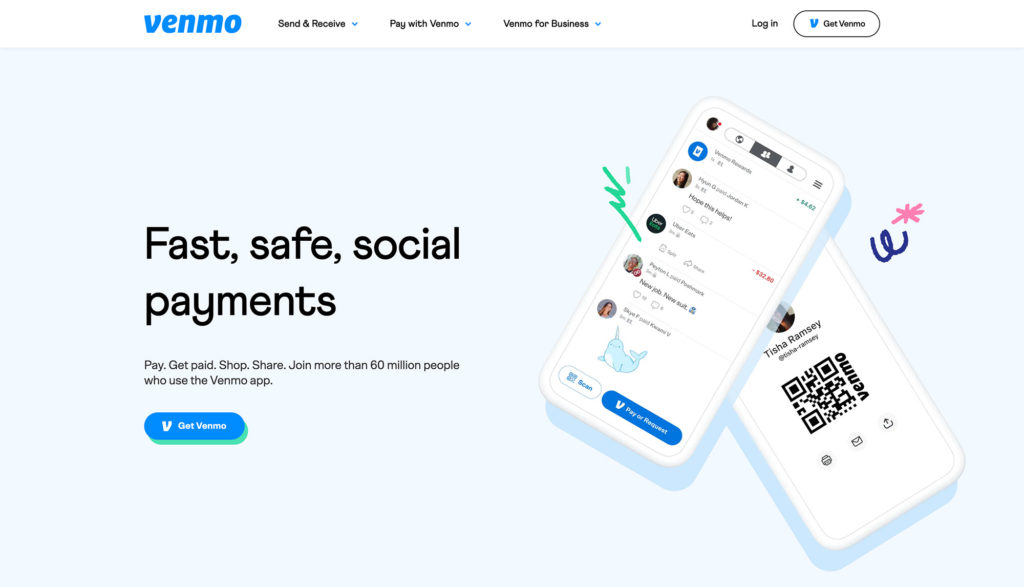
The “social” aspect of Venmo is its most distinctive feature. By attaching messages and emojis to payments, Venmo has turned a dry financial transaction into a social touchpoint. This “social finance” model is being adopted by other sectors of the economy, where transparency and community interaction drive consumer behavior.
In the coming years, we can expect Venmo payments to become even more integrated with physical retail. Through QR code technology and partnerships with major retailers, the line between a “P2P app” and a “global payment processor” is blurring. For the consumer, this means greater convenience and a more unified view of their financial life. For the financial system, it represents a move toward a truly cashless society where every cent is tracked, logged, and instantly transferable.
Ultimately, understanding Venmo payments requires looking beyond the “send money” button. It is a sophisticated financial ecosystem that demands an understanding of liquidity, transaction costs, security protocols, and tax obligations. By mastering these elements, users can leverage Venmo not just as a convenience, but as a powerful tool in their personal finance toolkit.
aViewFromTheCave is a participant in the Amazon Services LLC Associates Program, an affiliate advertising program designed to provide a means for sites to earn advertising fees by advertising and linking to Amazon.com. Amazon, the Amazon logo, AmazonSupply, and the AmazonSupply logo are trademarks of Amazon.com, Inc. or its affiliates. As an Amazon Associate we earn affiliate commissions from qualifying purchases.