
In the fast-paced landscape of contemporary finance, the traditional concept of a “wire transfer” has undergone a radical transformation. For decades, moving money between accounts meant navigating a labyrinth of paperwork, waiting through multi-day settlement periods, and paying substantial fees for the privilege of a 48-hour delivery window. However, the rise of financial technology (FinTech) and the modernization of global banking rails have ushered in an era where “instant” is no longer a luxury—it is an expectation.
Understanding how to wire money instantly requires a nuanced look at the various channels available today. Whether you are settling a personal debt with a friend, paying a contractor across the globe, or moving capital between investment accounts, the method you choose will dictate the speed, cost, and security of the transaction. This guide explores the most effective ways to facilitate immediate transfers in the modern economy.
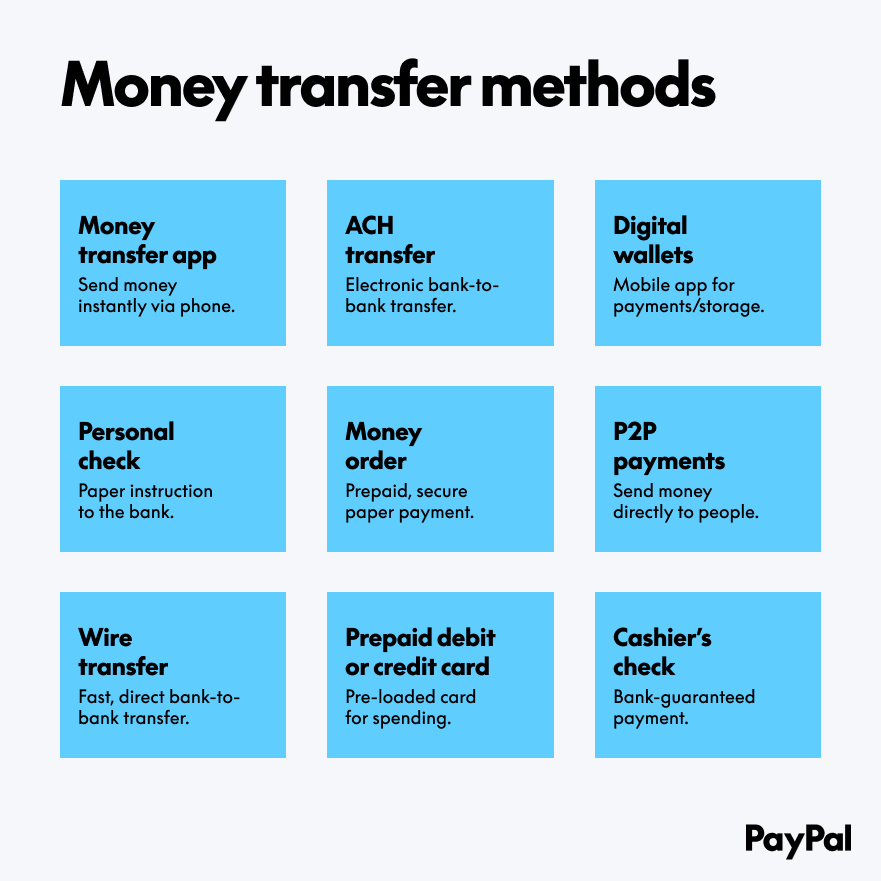
The Digital Shift: Moving from Traditional Wires to Instant Settlements
To understand how to move money instantly, one must first distinguish between a traditional bank wire and the newer real-time payment (RTP) systems. A standard domestic wire transfer typically utilizes the Fedwire Funds Service in the United States. While faster than an ACH (Automated Clearing House) transfer, it still operates within specific banking hours and can take several hours to reflect in the recipient’s balance.
The Rise of Real-Time Payments (RTP)
The introduction of the Real-Time Payments (RTP) network by The Clearing House and the subsequent launch of the Federal Reserve’s FedNow service have changed the architecture of American finance. Unlike traditional wires, these systems operate 24/7/365. When a bank utilizes these rails, the transfer of “good funds”—money that is cleared and available for immediate use—happens in seconds. For a user, this means that “wiring” money no longer requires a trip to a physical branch or a long wait for a manual verification process.
The Liquidity Advantage
For businesses and individuals alike, the primary benefit of instant wiring is liquidity management. In a high-interest-rate environment, the “float”—the time money spends in transit—represents a lost opportunity. Instant transfers allow for “just-in-time” payments, enabling users to keep their capital in interest-bearing accounts until the exact moment a payment is due.
Domestic Speed: Leveraging Peer-to-Peer Networks and Banking Rails
For most consumers looking to wire money instantly within the same country, Peer-to-Peer (P2P) services and integrated bank apps have become the standard. These platforms act as a layer on top of the traditional banking system, often providing the illusion of instantaneity by fronting the capital before the back-end settlement is complete.
Zelle: The Banking Industry’s Answer
Zelle is unique because it is integrated directly into the mobile apps of hundreds of major banks and credit unions. Because the money moves directly from one bank account to another without an intermediary “wallet,” the transfers are typically available within minutes. For those asking how to wire money instantly without downloading a third-party app, Zelle is often the most frictionless answer. However, it is restricted to domestic transfers and requires both parties to have U.S. bank accounts.
Cash App and Venmo: The Digital Wallets
While technically digital wallets rather than “wire” services, Cash App and Venmo provide an “Instant Transfer” feature to a linked debit card for a small percentage fee. This bypasses the 1-3 day ACH wait time. This method is highly effective for smaller, personal transactions where both parties are within the same ecosystem. The trade-off for this speed is the fee, which generally ranges from 1.5% to 2% of the transfer amount.
FedNow and the Future of Instant Banking
Launched in 2023, FedNow is the Federal Reserve’s service designed to allow banks of all sizes to provide instant payment services to their customers. As more regional and community banks adopt FedNow, the ability to send an “instant wire” will become a native feature of almost every checking account in the U.S., removing the need for third-party apps entirely.
Crossing Borders: How to Facilitate Instant International Transfers
International transfers have historically been the slowest and most expensive form of money movement, often relying on the aging SWIFT (Society for Worldwide Interbank Financial Telecommunication) network. However, several FinTech companies have developed innovative ways to circumvent these delays.

Wise and the “Local-to-Local” Model
Wise (formerly TransferWise) has revolutionized the concept of the international wire. Instead of actually moving money across a border—which involves multiple intermediary banks and currency exchanges—Wise maintains pools of currency in different countries. When you send money from the U.S. to the UK, you pay into Wise’s U.S. account, and Wise pays the recipient from their UK account. This “local-to-local” method often results in transfers that are completed in seconds or minutes, at a fraction of the cost of a traditional bank wire.
Remitly and Revolut
For those sending money to developing nations or seeking a digital-first banking experience, Remitly and Revolut offer specialized paths for speed. Revolut, in particular, allows users to hold multiple currencies simultaneously. Transferring money between Revolut users, regardless of their physical location, is instantaneous and free. This makes it a powerful tool for expatriates and digital nomads who need to move money across borders without the traditional three-day waiting period.
The Role of SWIFT gpi
The traditional banking sector has not remained stagnant. SWIFT gpi (global payments innovation) is a new standard that has significantly increased the speed of traditional cross-border wires. While not always “instant” in the sense of seconds, many SWIFT gpi transfers now arrive within minutes or hours, providing a high level of transparency and tracking that was previously unavailable.
Costs and Logistics: What You Pay for Speed
In the world of finance, speed is a commodity. When learning how to wire money instantly, it is crucial to understand the fee structures associated with rapid settlement.
Flat Fees vs. Percentage-Based Costs
-
Traditional Wires: Banks typically charge a flat fee for domestic wires (ranging from $20 to $35) and a higher fee for international wires ($45 to $50). These are best for large sums where a percentage fee would be prohibitive.
-
Instant App Transfers: Services like Venmo or Cash App charge a percentage fee. For a $100 transfer, a 1.75% fee is negligible. However, for a $5,000 transfer, that fee becomes $87.50, making a traditional wire much more cost-effective.
-
Currency Exchange Margins: For international transfers, the “cost” is often hidden in the exchange rate. Many services claim “zero fees” but offer an exchange rate 3-5% below the mid-market rate.
Transaction Limits
Instant transfer methods often come with lower limits than traditional wires. While a Fedwire can move millions of dollars in a single transaction, P2P apps may limit users to $2,500 or $5,000 per week. Understanding these caps is essential for business owners who may need to move larger amounts of capital for payroll or inventory.
Security and Risk Management in Real-Time Finance
The most significant drawback of instant money transfers is their finality. In the traditional ACH system, there is a window of time where a transaction can be disputed or reversed. With instant wires, once the “send” button is pressed, the money is gone.
The Irreversibility of Instant Transfers
Because instant transfers settle in seconds, they are highly attractive to scammers. Fraudsters often use social engineering to trick individuals into sending money via Zelle or Cash App, knowing that the victim cannot claw the funds back once the transfer is authorized. Users must treat an instant transfer like cash; only send funds to verified entities and double-check account numbers and “cashtags” before finalizing.
Verification Protocols
To mitigate risk, many instant transfer platforms have implemented multi-factor authentication (MFA) and “confirmation of payee” services. These services check that the name on the receiving account matches the name provided by the sender. Utilizing these security features is a non-negotiable step in the process of wiring money safely.
Regulatory Oversight
As the technology evolves, regulatory bodies are stepping in to provide more consumer protection. In many jurisdictions, banks are being held to higher standards regarding the reimbursement of victims of authorized push payment (APP) fraud. However, the best defense remains a cautious approach to the “instant” nature of modern transactions.
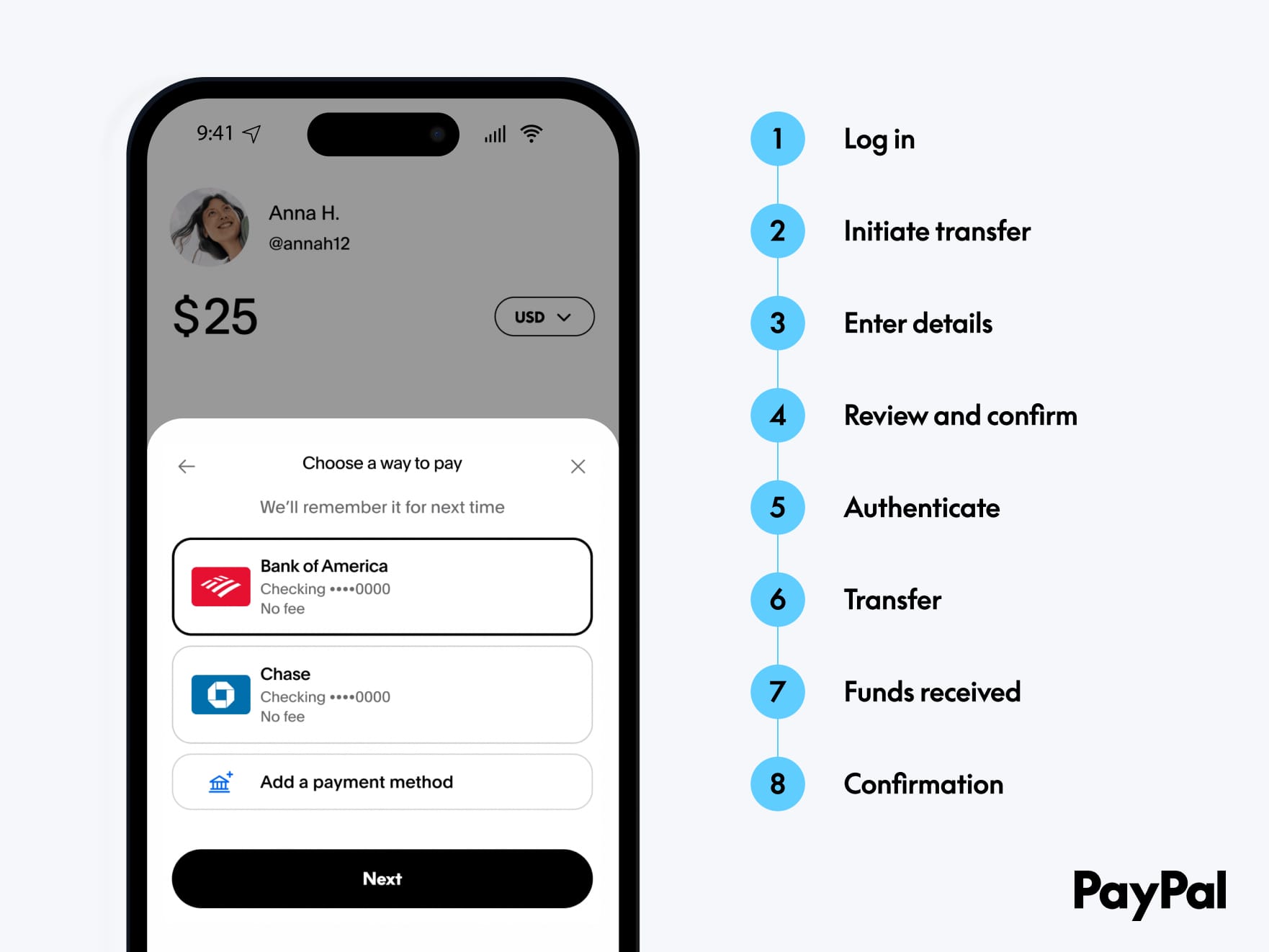
Conclusion
The ability to wire money instantly is a cornerstone of modern personal and business finance. By choosing the right tool—whether it is the integrated ease of Zelle, the global reach of Wise, or the institutional power of the FedNow network—users can manage their liquidity with unprecedented precision. As technology continues to bridge the gap between global financial institutions, the friction of moving money is rapidly disappearing, leaving behind a streamlined system where capital moves as fast as the data that represents it.
aViewFromTheCave is a participant in the Amazon Services LLC Associates Program, an affiliate advertising program designed to provide a means for sites to earn advertising fees by advertising and linking to Amazon.com. Amazon, the Amazon logo, AmazonSupply, and the AmazonSupply logo are trademarks of Amazon.com, Inc. or its affiliates. As an Amazon Associate we earn affiliate commissions from qualifying purchases.