
In an increasingly digital world, financial transactions are predominantly conducted online, through apps, or via contactless payments. Platforms like Cash App have revolutionized how individuals manage their money, send funds, and even invest. Yet, despite the undeniable convenience of digital currency, the need for physical paper money persists for many transactions and personal preferences. From small purchases at cash-only establishments to tipping service providers or teaching children about physical currency, cash retains its unique utility. This comprehensive guide will delve into how users can effectively bridge the gap between their digital funds on Cash App and the tangible world of paper money, all while keeping a sharp focus on prudent financial management.
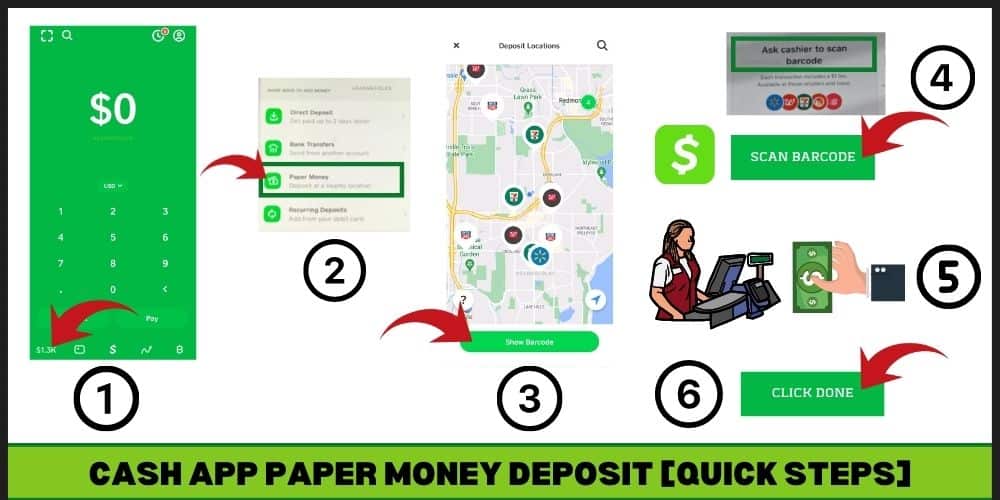
Understanding Cash App’s Core Functionality and the Need for Paper Money
Cash App, developed by Block, Inc. (formerly Square), has carved out a significant niche as a leading peer-to-peer payment service. It offers a swift, user-friendly platform for sending and receiving money, direct deposit services, investing in stocks and Bitcoin, and even filing taxes. At its heart, Cash App is designed for digital transactions, promoting a cashless approach to personal finance. However, financial literacy extends beyond simply moving digits; it involves understanding and managing all forms of currency.
The Digital-First Nature of Cash App
Cash App’s primary appeal lies in its efficiency as a digital wallet. Users can instantly send money to friends and family, pay for services, or receive their paychecks directly into their account. This digital-first design minimizes the need for physical bank branches, checks, or even traditional debit cards for many everyday transactions. Funds are held electronically, represented by a balance within the app, ready for immediate use across a variety of digital channels. This seamless integration into the digital economy has made it a favorite for countless individuals seeking modern financial solutions.
Why Physical Cash Still Matters in a Digital Economy
Despite the undeniable march towards a cashless society, paper money maintains an indispensable role. For starters, not all businesses accept digital payments; smaller vendors, farmers’ markets, or certain independent establishments may operate on a cash-only basis. Furthermore, privacy concerns can drive individuals to prefer cash transactions, as they leave no digital footprint. For budgeting, some individuals find that physically holding and spending cash helps them to better visualize their expenditures and stick to financial limits, preventing overspending that can sometimes be obscured by digital transactions. Emergency situations, such as power outages or system failures, can also render digital payment systems temporarily unusable, making a small stash of physical cash a wise contingency. Understanding these scenarios is crucial for a well-rounded approach to personal finance.
Bridging the Gap: Cash App as a Financial Tool
While Cash App excels in digital transactions, it also provides critical mechanisms to access physical cash, effectively bridging the digital and physical divide. This capability transforms Cash App from a mere payment app into a more versatile financial tool, allowing users to leverage its digital efficiency while retaining the flexibility to convert funds into physical currency when required. For savvy financial management, knowing these options is paramount to ensuring liquidity and preparedness for various financial scenarios.
The Primary Gateway: Utilizing Your Cash Card for ATM Withdrawals
The most direct and widely utilized method for obtaining paper money from your Cash App balance is through the Cash Card. The Cash Card is a customizable, free debit card issued by Sutton Bank and powered by Visa. It’s directly linked to your Cash App balance, allowing you to spend funds wherever Visa debit cards are accepted, and crucially, to withdraw cash from ATMs.
Activating and Linking Your Cash Card
Before you can withdraw cash, you first need to order and activate your Cash Card. This process is straightforward:
-
Order Your Card: Within the Cash App, navigate to the “Cash Card” tab. You’ll have options to design your card with various colors and even custom etchings. Provide your shipping address, and the card typically arrives within 5-10 business days.
-
Activate Your Card: Once your card arrives, return to the “Cash Card” tab in the app. Tap “Activate Cash Card” and follow the on-screen prompts, which usually involve scanning the QR code on the card’s packaging or manually entering the CVV and expiration date.
-
Set Up a PIN: During activation or shortly after, you’ll be prompted to set a four-digit Personal Identification Number (PIN). This PIN is essential for ATM withdrawals and certain in-store purchases, acting as a security measure to protect your funds. Remember this PIN, but avoid writing it down or sharing it with anyone.
Once activated and a PIN is set, your Cash Card is fully linked to your Cash App balance, ready for both digital and physical transactions. This seamless integration allows your digital funds to become instantly accessible in a physical format.
Navigating ATM Fees and Surcharges
A critical aspect of responsible financial management when using your Cash Card for ATM withdrawals is understanding the associated fees. Cash App itself charges a standard $2.50 fee for ATM withdrawals. However, this is often compounded by additional surcharges levied by the ATM operator. These operator fees can vary widely, typically ranging from $2.00 to $5.00 per transaction, significantly impacting the total cost of accessing your cash.
For example, withdrawing $100 could incur a $2.50 Cash App fee plus a $3.00 ATM operator fee, meaning you pay $5.50 just to get your own money. To mitigate these costs, Cash App offers a valuable feature: fee-free ATM withdrawals for users who receive at least $300 in qualifying direct deposits into their Cash App account each month. Once this threshold is met, Cash App waives its $2.50 fee for future withdrawals. While this doesn’t cover the ATM operator’s surcharge, it still represents a significant saving for regular users.
Smart financial planning dictates that you should always check for ATM operator fees before confirming a withdrawal. Most ATMs display these fees on screen, allowing you to cancel the transaction if the cost is prohibitive. Prioritizing direct deposits into your Cash App can also be a strategic move to reduce ongoing withdrawal expenses, contributing to better overall financial health.
Daily Limits and Best Practices for Cash Withdrawals
To ensure security and manage risk, Cash App imposes limits on ATM withdrawals. Typically, users can withdraw up to $310 per transaction, $1,000 per day, and $1,000 per week. These limits are subject to change and can vary based on account verification status. It’s crucial to be aware of these caps, especially when planning to access larger sums of cash. Attempting to withdraw more than the limit will result in a declined transaction, which can be frustrating and time-consuming.
Best practices for ATM withdrawals include:
-
Plan Ahead: Know how much cash you need and ensure your Cash App balance can cover it, plus any fees.
-
Locate ATMs Wisely: Use reputable ATMs in well-lit, secure locations. Avoid standalone ATMs in isolated areas.
-
Be Vigilant: Always be aware of your surroundings when at an ATM. Shield your PIN entry from view.
-
Check Your Balance: Before heading to an ATM, confirm your current Cash App balance to avoid declined transactions.
-
Consider Direct Deposit: If you frequently need cash, setting up direct deposit can save you on Cash App’s withdrawal fees.
By adhering to these practices, users can efficiently and securely manage their cash access through the Cash Card, making it a reliable component of their personal finance strategy.
Alternative Strategies for Converting Digital Funds to Physical Cash
While the Cash Card is the primary method, it’s not the only way to get paper money from your Cash App funds. Savvy users can employ several other strategies, leveraging the app’s features and broader financial ecosystems to meet their cash needs. These alternatives can be particularly useful if you don’t have your Cash Card on hand, if ATM fees are too high, or if you prefer different transaction methods.
Leveraging In-Store Cashback Options (with linked Cash Card)
Many retailers, particularly grocery stores, pharmacies, and convenience stores, offer a “cashback” option at the point of sale when you make a purchase using a debit card. If you have your Cash Card linked to your Cash App balance, you can utilize this feature to get cash without having to visit an ATM.
Here’s how it typically works:
-
Make a Purchase: Buy an item, even a small one, at a participating store.
-
Select Debit/PIN: When prompted to pay, select “Debit” and enter your Cash Card PIN.
-
Request Cashback: The payment terminal will often ask if you want cashback and present a few common amounts (e.g., $20, $40, $60) or allow you to enter a custom amount.
-
Receive Cash: The requested cashback amount will be added to your purchase total, deducted from your Cash App balance, and then handed to you by the cashier.
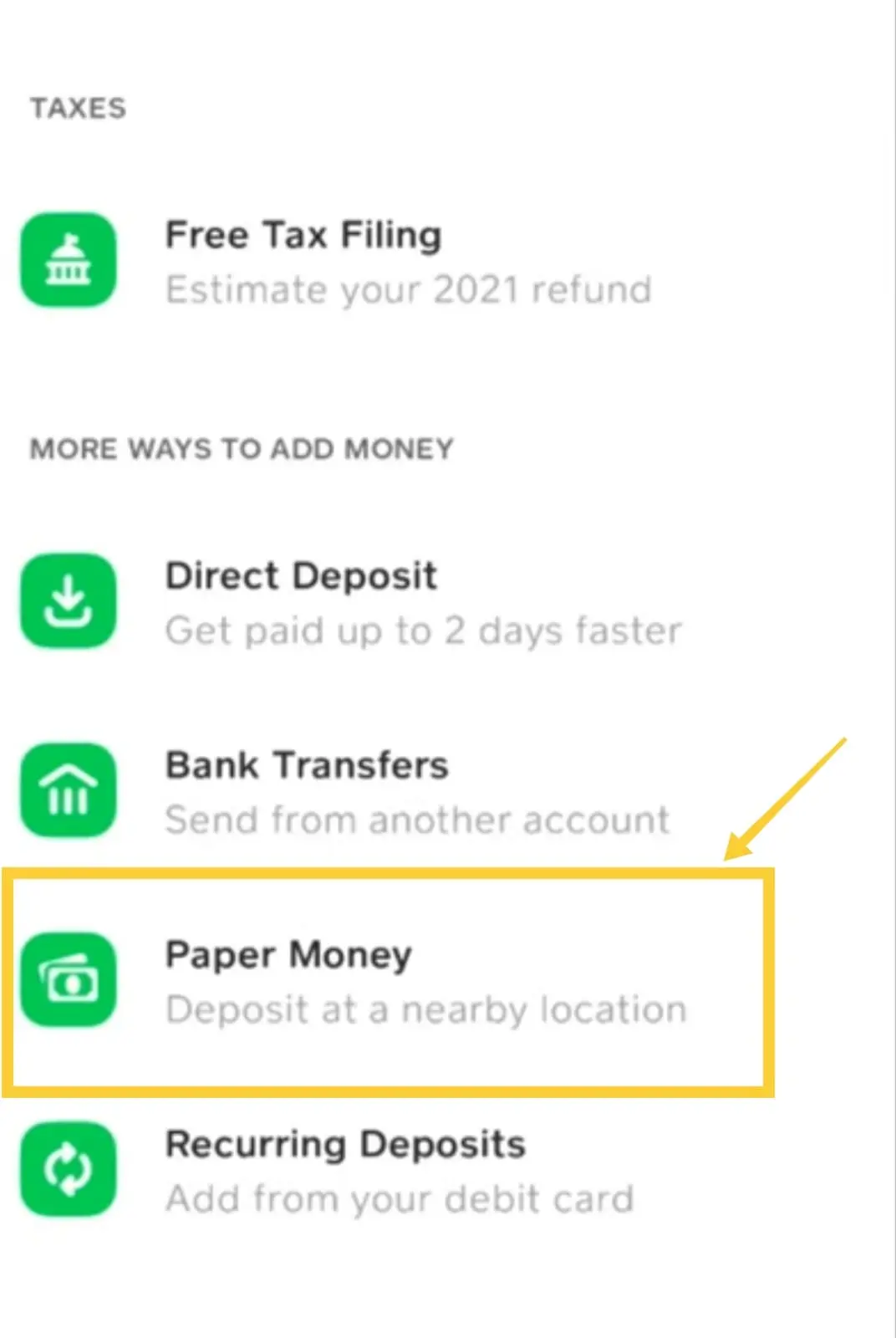
The significant advantage of this method is that most stores do not charge a fee for cashback, making it a potentially cheaper alternative to ATM withdrawals, especially if you haven’t qualified for fee-free ATM access through direct deposit. However, cashback limits usually apply, often ranging from $20 to $100 per transaction, and not all stores offer the service. It’s a convenient option for smaller cash needs while making everyday purchases.
Peer-to-Peer Transfers for Cash Exchange
Cash App’s core functionality is peer-to-peer (P2P) transfers. You can leverage this to obtain cash by sending money to a trusted friend or family member who can then provide you with physical cash in return.
The process is simple:
-
Send Funds: Open Cash App, enter the amount of cash you need, and send it to your trusted contact.
-
Receive Cash: Your contact receives the digital funds instantly and can then give you the equivalent amount in physical currency.
This method avoids ATM fees entirely and can be a lifesaver if you’re in a situation where no ATMs are conveniently available, or if you’ve forgotten your Cash Card. It relies heavily on trust and the immediate availability of cash from your contact. While highly flexible, it’s crucial to only use this method with individuals you completely trust to avoid potential scams or misunderstandings. It’s a prime example of how the social network aspect of digital payment apps can be adapted for practical financial needs.
Direct Deposit Integration: Getting Paid into Cash App for Easier Access
While not a direct “how-to” for getting cash out, leveraging Cash App’s direct deposit feature significantly enhances your ability to manage and access paper money. By having your paycheck, government benefits, or tax refunds directly deposited into your Cash App account, you centralize your funds.
The benefits for cash access are substantial:
-
Centralized Funds: Your primary income source flows directly into Cash App, making your balance consistently robust and ready for withdrawal.
-
Fee Waiver Qualification: As mentioned, qualifying direct deposits ($300+ monthly) unlock fee-free ATM withdrawals from Cash App, saving you money in the long run.
-
Immediate Access: Funds are available as soon as they are deposited, often sooner than traditional banks, providing quicker access to your money for digital or physical use.
Setting up direct deposit involves getting your Cash App routing and account numbers (found in the “Banking” tab of the app) and providing them to your employer or benefits provider. This proactive step transforms Cash App into a more primary banking solution, making all withdrawal methods, including obtaining paper money, more efficient and cost-effective.
Maximizing Financial Security and Efficiency When Accessing Cash
Accessing physical cash from a digital platform introduces unique financial security considerations. Responsible users must prioritize safeguarding their funds and personal information. Furthermore, efficient management of these transactions contributes to a healthier overall financial picture.
Safeguarding Your Cash App Account and Cash Card
Security should always be a top priority when dealing with your money, whether digital or physical.
-
Strong, Unique Password: Use a robust password for your Cash App account and enable two-factor authentication (2FA) for an extra layer of security.
-
PIN Protection: Never share your Cash Card PIN. Memorize it and avoid writing it down. If you suspect your PIN has been compromised, change it immediately within the app.
-
Monitor Transactions: Regularly check your Cash App activity. Report any unauthorized transactions immediately to Cash App support.
-
Protect Your Card: Treat your Cash Card like any other debit card. Don’t leave it unattended, and report it lost or stolen immediately through the app to deactivate it.
-
Beware of Scams: Be vigilant against phishing attempts, fake support accounts, or requests for money from unknown individuals. Cash App will never ask for your PIN or password.
By maintaining these security measures, you minimize risks associated with both your digital balance and physical cash withdrawals.
Budgeting and Tracking Cash App Transactions
For effective personal finance, tracking where your money goes is crucial. Cash App provides a convenient transaction history within the app, allowing you to review all your ins and outs, including ATM withdrawals and cashback transactions.
-
Regular Review: Periodically review your transaction history to identify spending patterns, spot any unauthorized activity, and ensure accuracy.
-
Categorize Spending (Mentally or Externally): While Cash App doesn’t offer robust built-in budgeting tools like some banking apps, you can mentally categorize your spending or export your transaction data to a spreadsheet or third-party budgeting app.
-
Set Cash Limits: If you use physical cash for specific categories (e.g., dining out, entertainment), set a weekly or monthly cash limit and stick to it. This helps prevent the “mystery money” phenomenon where cash disappears without a clear record.
Integrating your Cash App activity into your broader budgeting strategy ensures you have a holistic view of your financial health, rather than treating Cash App as a separate, untracked pool of funds.
When to Opt for Digital vs. Physical Funds
Making informed decisions about whether to use digital funds or convert them to physical cash is a hallmark of good financial management.
-
Digital First: For most online purchases, bill payments, and transfers to friends, sticking to digital transactions via Cash App is generally more convenient and often more secure.
-
Cash for Specific Needs: Opt for paper money when dealing with cash-only vendors, for privacy, or when you find it helps you budget more effectively for discretionary spending.
-
Cost-Benefit Analysis: Always consider the fees associated with ATM withdrawals. If you need a small amount, cashback might be more economical. If you need a large sum, and qualify for fee-free withdrawals, an ATM might be the most efficient.
Understanding these scenarios helps you optimize your financial behavior, minimizing costs and maximizing convenience.
Beyond Withdrawals: Cash App’s Broader Role in Your Personal Finance Ecosystem
While this guide has focused on obtaining paper money, it’s essential to view Cash App within the broader context of your personal finance ecosystem. Its features extend far beyond simple transfers, offering opportunities for wealth building and holistic financial management.
Investing and Saving Features
Cash App allows users to invest in fractional shares of stocks and buy/sell Bitcoin directly within the app. For those looking to grow their wealth, these features provide an accessible entry point into the investment world. Integrating these capabilities means that your digital balance isn’t just for spending; it can be a source for building long-term assets. While not directly related to getting paper money, the availability of these features influences how you manage your overall funds within the app. Smart users allocate funds for spending, saving, and investing, all potentially originating from their Cash App balance.
Budgeting and Expense Tracking within the App
While Cash App’s native budgeting tools are basic, its detailed transaction history provides a solid foundation for personal expense tracking. Users can review their spending patterns, helping them identify areas for potential savings or adjustments to their financial habits. For more advanced budgeting, users can download their transaction statements and import them into external budgeting software or spreadsheets. This enables a deeper analysis of where money is going, facilitating more informed financial decisions that impact both digital and physical cash usage.

The Future of Digital Wallets and Cash Access
The financial landscape is continuously evolving. As digital wallets like Cash App become even more sophisticated, we can expect further innovations in how users interact with their money, including how they access physical cash. Future developments might include expanded networks of fee-free ATMs, innovative partnerships with retailers for cash services, or even more seamless integration with smart devices for secure cash transactions. Staying informed about these trends is part of being a financially savvy individual, ensuring you can adapt and utilize the most efficient and cost-effective methods for managing your money, whether it remains digital or needs to be converted into paper.
In conclusion, Cash App offers a robust set of options for managing your money, including the crucial ability to convert digital funds into paper money. By understanding and strategically utilizing your Cash Card, exploring alternative methods like cashback and peer-to-peer transfers, and prioritizing financial security, you can effectively bridge the gap between your digital wallet and the persistent need for physical cash. Embracing Cash App as a versatile financial tool, rather than just a payment app, empowers you to take greater control over your personal finance journey.
aViewFromTheCave is a participant in the Amazon Services LLC Associates Program, an affiliate advertising program designed to provide a means for sites to earn advertising fees by advertising and linking to Amazon.com. Amazon, the Amazon logo, AmazonSupply, and the AmazonSupply logo are trademarks of Amazon.com, Inc. or its affiliates. As an Amazon Associate we earn affiliate commissions from qualifying purchases.