
In the rapidly evolving landscape of personal finance, the transition from traditional banking institutions to agile, mobile-first financial tools has been nothing short of revolutionary. Cash App, a leader in the peer-to-peer payment space, has successfully bridged the gap between digital balances and physical utility through its “Cash Card.” For many users, the transition from a digital account to a tangible Visa debit card is a pivotal step in managing their daily liquidity. However, when you are relying on a new financial tool to manage your expenses, the question of “how long does a Cash App card take to come” becomes more than a curiosity—it becomes a matter of financial planning.
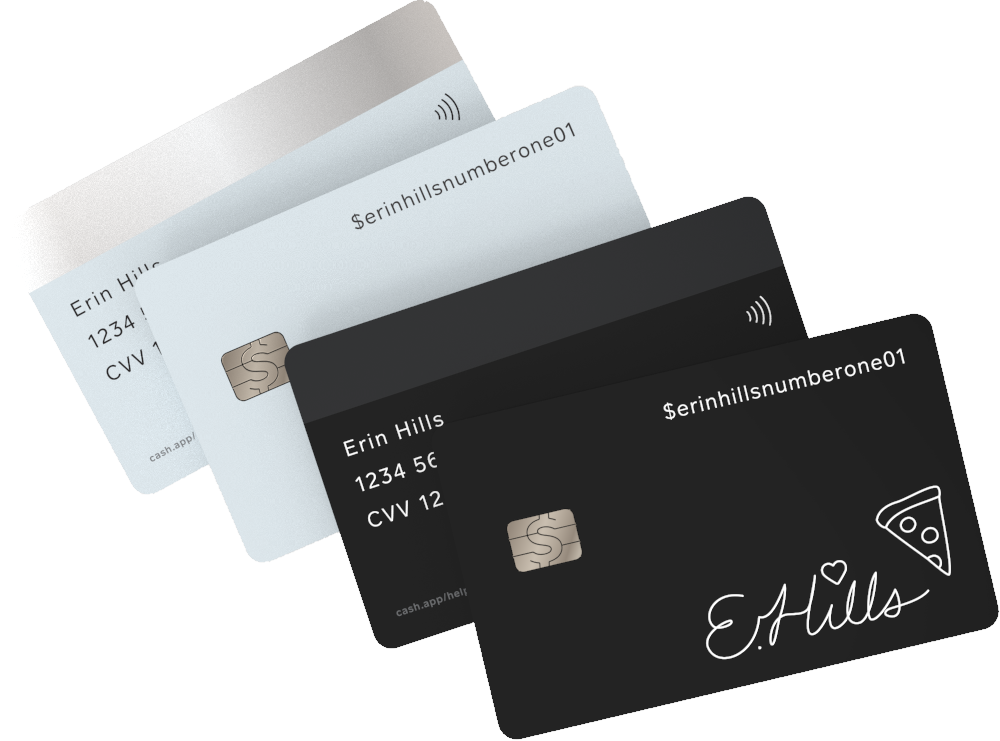
The Cash Card is not just a piece of plastic; it is an extension of your digital wallet that allows you to spend your balance at retail locations, withdraw funds from ATMs, and take advantage of specialized “Boosts” or discounts. Understanding the logistics of its delivery and how it fits into your broader personal finance strategy is essential for any modern consumer.
The Standard Delivery Timeline: What to Expect
When you order a Cash Card through the app, you are initiating a multi-stage process that involves verification, production, and logistics. Cash App officially states that users should expect their physical card to arrive within 7 to 10 business days. However, to manage your expectations and your budget effectively, it is important to break down what happens during this window.
The Processing Phase
Once you finalize your design—whether it is a classic black finish, a glow-in-the-dark variant, or a custom-etched metal card—the request is sent to the card issuer. During the first 24 to 48 hours, your account information is verified. Cash App must ensure that the user requesting the card has a verified identity, which is a standard regulatory requirement in the financial services industry to prevent fraud and money laundering. This processing phase is the silent engine behind your card order, ensuring that the physical asset is correctly linked to your digital routing and account numbers.
The Shipping Window
After the card is printed and encoded, it enters the United States Postal Service (USPS) ecosystem. The “7 to 10 business days” estimate primarily accounts for standard mail delivery times. It is crucial to remember that “business days” do not include Saturdays, Sundays, or federal holidays. If you order your card on a Friday afternoon, the clock realistically begins on the following Monday. For users living in the continental United States, delivery is typically prompt. However, those in more remote areas or U.S. territories may experience the longer end of the 10-day spectrum.
Why the Timeline Matters for Your Budget
If you are planning to use your Cash Card for a specific upcoming expense—such as a trip or a scheduled bill payment—relying on the 10-day window is a safer bet than hoping for a 7-day arrival. In the world of personal finance, buffer time is your best friend. If your card hasn’t arrived by the 14th day (accounting for weekends), it is usually time to investigate whether there was a logistical error or a delivery failure.
Maximizing Financial Utility While You Wait
One of the most significant advantages of modern fintech platforms is that the digital and physical worlds are not entirely dependent on one another. While you wait for the mail carrier to deliver your physical Cash Card, your financial life does not have to remain on hold.
Instant Access via the Virtual Card
The moment you are approved for a Cash Card, the app provides you with a virtual version of the card. This includes a 16-digit card number, an expiration date, and a CVV code. From a financial management perspective, this is a game-changer. You can immediately link this virtual card to online retailers, subscription services, or utility providers. This ensures that you can begin utilizing your Cash App balance for essential spending without needing the physical plastic in hand.
Integration with Digital Wallets
To bridge the gap for in-person transactions, Cash App allows you to add your virtual Cash Card to Apple Pay or Google Pay. This is an essential tip for those who need immediate access to their funds for groceries, fuel, or other daily necessities. By utilizing Near Field Communication (NFC) technology at the register, you can spend your balance at any merchant that accepts contactless payments. This effectively eliminates the “waiting period” for many users, as the physical card becomes a secondary tool rather than a primary gatekeeper to their funds.
Tracking Your Card in Real-Time
Cash App has integrated tracking features that allow you to monitor the status of your order. By navigating to the “Cash Card” tab in the app, you can see if the card is still in the “Processing” stage or if it has been “Shipped.” While this doesn’t provide a GPS-style tracking of the envelope itself, it gives you a clear indication of when the 7-to-10-day window officially begins.
Troubleshooting Delays and Ensuring Delivery
Despite the efficiency of modern logistics, delays can occur. In the context of personal finance, a lost or delayed debit card is a security risk and a functional inconvenience. Knowing how to handle these situations is a vital part of financial literacy.
Verifying Mailing Accuracy
The most common reason for a delayed Cash Card is an incorrect or incomplete mailing address. In the hustle of setting up a new financial tool, it is easy to overlook a typo in a zip code or an omitted apartment number. If your card has not arrived within two weeks, the first step is to verify the address provided in your account settings. Standard mail is not typically forwardable for “non-secure” financial documents, meaning if the address is wrong, the card is often returned to the sender or destroyed by the postal service for security reasons.
Identifying External Factors
External factors such as extreme weather, seasonal surges in mail volume (like the December holiday season), or local postal disruptions can add several days to the delivery timeline. When evaluating the arrival of your card, consider the broader logistical environment. If you are in the midst of a major storm or a national holiday period, adding an extra 3 to 5 days to the standard window is a realistic adjustment.
Reordering a Lost Card
If the 10-business-day window has passed and there are no external delays, the card may be lost in transit. In this scenario, you should report the card as “not arrived” within the app. Cash App will typically deactivate the original card number for your protection and issue a new one. While this resets the waiting period, it is a necessary step to ensure that a lost card does not fall into the wrong hands, potentially compromising your personal finances.
The Role of the Cash Card in a Modern Financial Strategy
Once the card arrives and you complete the activation process (usually by scanning a QR code provided in the mailer), it is important to understand how to use this tool to optimize your financial health.
Utilizing “Boosts” for Instant Savings
One of the unique features of the Cash Card is “Boosts.” These are instant rewards that allow you to save money at specific merchants—ranging from coffee shops and grocery stores to major retailers and gas stations. Unlike traditional credit card rewards that may take a billing cycle to appear, Boosts are applied immediately at the point of sale. Integrating these into your spending habits can lead to significant monthly savings, turning a simple debit card into a powerful tool for micro-budgeting.
ATM Access and Liquidity
For many, the physical Cash Card is the primary way to access cash. Cash App offers ATM fee reimbursements for users who receive a certain amount of direct deposits into their account. This makes the Cash Card a viable alternative to a traditional bank account for those who prefer to keep their finances centralized in a single app. Knowing your withdrawal limits and the locations of fee-free ATMs is a key part of managing your liquidity.
Security Protocols
From a personal finance standpoint, the security of your card is paramount. Cash App allows users to “Lock” their card instantly from the app if it is misplaced. This feature provides a level of control that traditional banks are only recently beginning to emulate. Furthermore, setting up push notifications for every transaction ensures that you have a real-time audit log of your spending, making it easier to spot unauthorized charges and maintain an accurate budget.

Conclusion
The journey of a Cash App card from the digital request to your physical mailbox is a streamlined process designed for the modern age. While the 7-to-10-business-day window is the standard expectation, the true value lies in the platform’s ability to provide digital access while the physical logistics unfold. By understanding the timeline, utilizing virtual tools, and maintaining a proactive approach to security, you can ensure that this financial tool serves your needs effectively. In an era where “time is money,” knowing exactly when and how your financial tools will arrive is the first step toward masterfully managing your personal economy.
aViewFromTheCave is a participant in the Amazon Services LLC Associates Program, an affiliate advertising program designed to provide a means for sites to earn advertising fees by advertising and linking to Amazon.com. Amazon, the Amazon logo, AmazonSupply, and the AmazonSupply logo are trademarks of Amazon.com, Inc. or its affiliates. As an Amazon Associate we earn affiliate commissions from qualifying purchases.