
In an increasingly digitized financial landscape, tools that bridge the gap between virtual funds and everyday spending are invaluable. The Cash App Card, often seen as a simple extension of the popular peer-to-peer payment application, is in fact a versatile debit card capable of significantly streamlining your personal finance management. Far from being limited to a niche set of online transactions, this card offers broad utility, integrating seamlessly into your daily spending habits and providing unique avenues for savings. Understanding its full potential is key to maximizing the value it brings to your financial life.
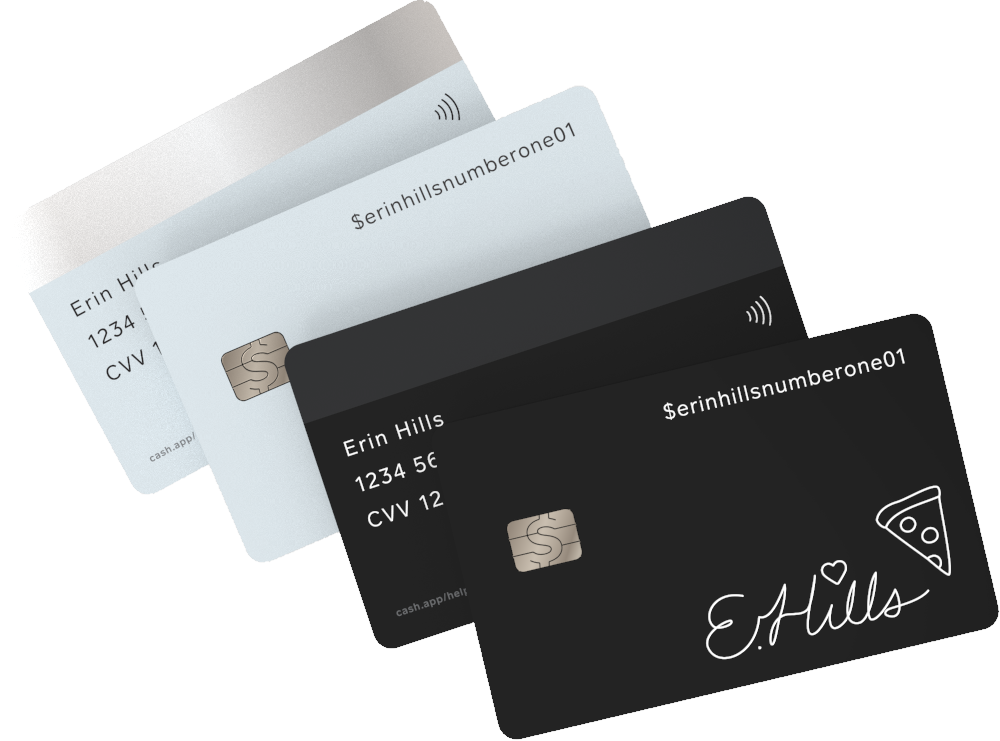
This article delves into the comprehensive usability of your Cash App Card, exploring where and how you can leverage its features for everything from routine purchases to strategic financial planning. We’ll examine its functionality across various merchant types, highlight its unique benefits like “Boosts,” and guide you through best practices for secure and efficient money management.
The Cash App Card: Your Everyday Financial Companion
At its core, the Cash App Card transforms your digital Cash App balance into a tangible spending instrument, recognized virtually anywhere. It’s a powerful tool that empowers users to control and access their funds with unprecedented flexibility.
What is the Cash App Card? Unlocking Your Balance
The Cash App Card is a free, customizable Visa debit card directly linked to your Cash App balance. Unlike a credit card, it draws funds directly from the money you hold in your Cash App account. This means you can spend only what you have, making it an excellent tool for budgeting and avoiding debt. It serves as a crucial bridge, allowing you to move beyond peer-to-peer transfers and online payments, bringing your digital money into the physical world of commerce.
With its sleek design and simple ordering process directly through the app, the Cash App Card has quickly become a favorite for those seeking a convenient alternative to traditional bank debit cards or a supplementary tool for specific spending categories. Its primary advantage lies in its seamless integration with the Cash App ecosystem, where managing your balance, sending money, and tracking transactions are all just a few taps away.
Getting Started: Activation, PIN, and Basic Security
Ordering your Cash App Card is straightforward; simply navigate to the “Card” tab within the Cash App. Once it arrives in the mail, activating it is equally simple, typically involving scanning a QR code or entering the card’s CVV and expiration date through the app. This instant activation ensures you can start using your card almost immediately.
Setting a Personal Identification Number (PIN) is a critical step, enabling secure transactions at physical terminals and ATMs. Beyond the PIN, Cash App offers robust in-app security features. You can instantly lock your card from the app if it’s lost or stolen, preventing unauthorized use. This immediate control provides peace of mind, allowing you to manage potential risks proactively without having to contact a bank or financial institution. Understanding and utilizing these basic security measures from the outset is fundamental to safeguarding your funds and ensuring a smooth user experience.
Unleashing Your Card: Versatile Spending Opportunities
The beauty of the Cash App Card lies in its expansive acceptance. As a Visa debit card, it benefits from one of the most widely recognized payment networks globally, meaning your Cash App balance is accessible in a vast array of scenarios.
In-Store and Online Purchases: Shop Anywhere Visa is Accepted
The most common use of your Cash App Card will be for everyday purchases, both in physical stores and across the digital expanse of the internet.
-
Physical Stores: Your Cash App Card functions identically to any standard debit card. You can swipe it, insert it into chip readers, or tap it at contactless payment terminals wherever Visa is accepted. This includes grocery stores, gas stations, restaurants, clothing boutiques, and virtually any retail establishment that processes card payments. The convenience of using your Cash App balance for these routine transactions eliminates the need to transfer funds to a separate bank account or carry physical cash.
-
Online Shopping: For e-commerce, simply input your Cash App Card number, expiration date, and CVV (the three-digit code on the back) at checkout. From major online retailers like Amazon and eBay to smaller independent shops, your Cash App Card provides a secure and efficient way to pay for goods and services directly from your account balance. This flexibility makes it an ideal choice for managing online subscriptions, making impulse buys, or carefully planned larger purchases.
The widespread acceptance of Visa ensures that your Cash App Card is a reliable payment method in almost any commercial setting, giving you unparalleled freedom in how you spend your money.
ATM Withdrawals: Accessing Physical Cash On Demand
While digital payments are increasingly prevalent, there are still times when physical cash is necessary. Your Cash App Card allows you to withdraw cash from ATMs, offering an important layer of financial flexibility.
-
Finding ATMs: You can use any ATM that displays the Visa or Plus (Visa’s global ATM network) logo. To avoid potential fees, Cash App offers a feature to locate fee-free ATMs directly within the app. Some users may also qualify for ATM fee reimbursements if they receive qualifying direct deposits into their Cash App account, further enhancing the cost-effectiveness of this feature.
-
Withdrawal Limits and Fees: It’s important to be aware of daily and weekly ATM withdrawal limits, which Cash App sets for security purposes. Additionally, while some ATMs are fee-free, others may charge a service fee, which will be deducted from your withdrawal. Always check the ATM screen for any potential charges before completing your transaction. Accessing cash via your Cash App Card is a convenient way to manage expenses in cash-only establishments or when you simply prefer physical currency.
Bill Payments and Subscriptions: Streamlining Regular Expenses
Your Cash App Card isn’t just for spontaneous purchases; it can also be a powerful tool for managing your recurring expenses and subscriptions.
-
Recurring Payments: Many utility companies, internet providers, and streaming services allow you to set up automatic payments using a debit card. By using your Cash App Card, you can centralize these payments, drawing directly from your Cash App balance. This can simplify your bill management, ensuring payments are made on time and reducing the risk of late fees.
-
Online Subscriptions: From Netflix to Spotify, gym memberships to software subscriptions, your Cash App Card can be designated as the primary payment method. This is particularly useful if you receive direct deposits into your Cash App account, as it allows your essential services to be paid for directly from your income source, keeping your financial flows consolidated.
By integrating your Cash App Card into your routine bill payments, you can streamline your financial responsibilities, making it easier to track and manage your monthly outflows.
Smart Spending and Savings with Cash App Boosts
One of the most compelling features that sets the Cash App Card apart from many traditional debit cards is “Cash Boosts.” These aren’t just discounts; they’re instant savings directly applied at the point of purchase, offering a unique opportunity to make your money go further.
Maximizing Value: How Cash Boosts Work
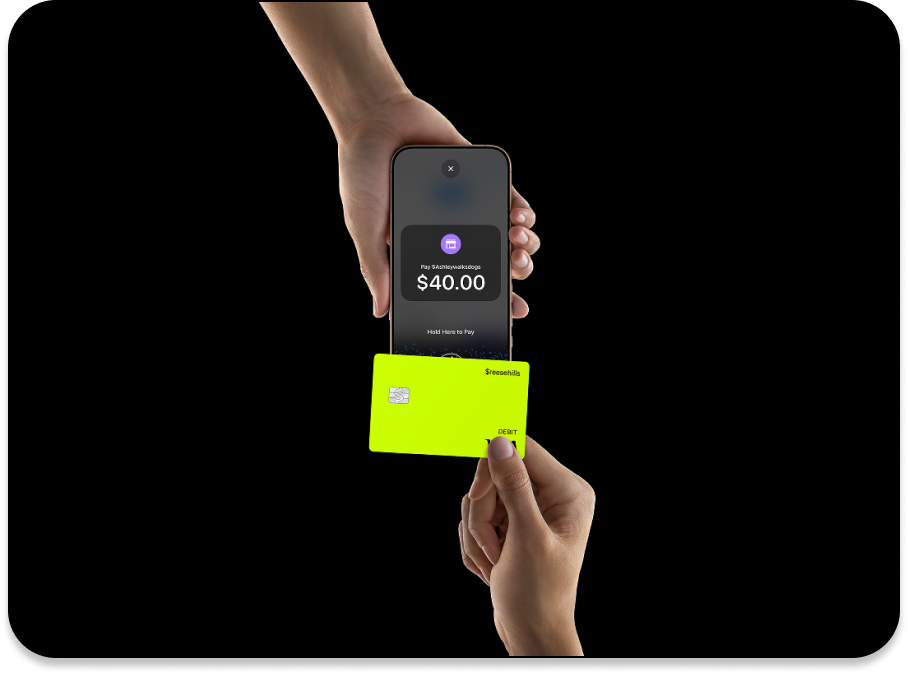
Cash Boosts are immediate discounts or rewards offered by Cash App in partnership with various merchants. When you activate a Boost in your app and use your Cash App Card at the specified merchant, the discount is applied instantly, reducing the total cost of your purchase.
-
Instant Discounts: Unlike cashback programs that require you to wait for rewards or points to accumulate, Boosts deliver savings in real-time. For example, if you activate a “10% off at your favorite coffee shop” Boost and spend $5, you’ll only be charged $4.50. This immediate gratification makes Boosts a highly engaging and practical savings tool.
-
Activating and Switching Boosts: You can only have one Boost active at a time, but switching between them is incredibly easy and can be done instantly through the Cash App. This flexibility allows you to tailor your savings strategy to your immediate spending plans. Before heading to the grocery store, for instance, you can activate a Boost for that particular chain. Then, before grabbing lunch, you can switch to a restaurant-specific Boost.
-
Examples of Common Boost Categories: Cash App frequently updates its Boost offerings, which typically include popular categories such as:
-
Food & Dining: Discounts at fast-food chains, coffee shops, and restaurants.
-
Retail: Savings at department stores, clothing outlets, and online retailers.
-
Travel: Discounts on ride-sharing services or specific travel vendors.
-
General Spending: Broader Boosts like “Save $1 on any purchase over $10.”
-
By regularly checking and strategically activating Boosts, you can significantly reduce your everyday expenses, making your Cash App Card an active participant in your savings goals.
Strategic Planning: Integrating Boosts into Your Budget
To truly maximize the benefits of Boosts, it’s wise to integrate them into your financial planning rather than just using them opportunistically.
-
Planning Purchases Around Boosts: Before making a significant purchase or even routine grocery runs, quickly check your Cash App for relevant Boosts. If a Boost aligns with a planned expense, it’s an effortless way to save money. This proactive approach turns passive spending into an active saving strategy.
-
The Cumulative Effect of Small Savings: While individual Boosts might seem small, their cumulative effect over time can be substantial. A few dollars saved on coffee here, a percentage off groceries there – these small, consistent savings add up, freeing up funds for other financial goals, whether it’s building an emergency fund, paying down debt, or investing.
Leveraging Cash Boosts effectively transforms your Cash App Card from a mere payment method into a dynamic savings instrument, actively contributing to your personal finance objectives.
Advanced Financial Management with Your Cash App Card
Beyond everyday transactions and immediate savings, the Cash App Card can play a role in more sophisticated financial management strategies, especially when integrated with the broader Cash App ecosystem.
Direct Deposit Benefits: Early Access and Centralized Funds
One of the most powerful features associated with having a Cash App account, which your card draws from, is the ability to set up direct deposit.
-
How to Set Up Direct Deposit: Cash App provides a routing and account number within the app, which you can give to your employer or benefits provider. This allows your paycheck, tax refund, or government benefits to be deposited directly into your Cash App account.
-
Advantages: Faster Access to Paychecks and Easy Fund Management: A key benefit for many users is the potential to receive paychecks up to two days earlier than traditional banks. This “early access” can be a game-changer for budgeting and managing cash flow. Furthermore, having your primary income source flow directly into Cash App centralizes your funds, making it incredibly easy to manage your money, pay bills, and use your Cash App Card for all your spending from a single platform. This integration simplifies financial oversight and reduces the need to transfer funds between multiple accounts.
Budgeting and Spending Insights: Keeping Track of Your Money
While Cash App isn’t a dedicated budgeting application, its transaction history and instant notifications offer valuable tools for personal finance tracking.
-
Using Cash App’s Transaction History for Tracking: Every transaction made with your Cash App Card, whether a purchase, ATM withdrawal, or Boost application, is instantly recorded and viewable within the app. This detailed history provides a clear overview of your spending patterns. By regularly reviewing your transaction log, you can identify where your money is going, spot unnecessary expenses, and gain insights into your financial habits.
-
Integrating Card Usage into a Personal Finance Strategy: For those using external budgeting apps or spreadsheets, the clear transaction records from Cash App make it easy to categorize expenses and integrate your card usage into your broader financial plan. Because your card draws from a single balance, it can act as a dedicated spending account, making it simpler to track expenditures for specific categories if you choose to load funds for that purpose. For instance, you could allocate a certain amount for “entertainment” to your Cash App balance and use the card exclusively for those expenses, providing a natural spending limit.
By leveraging these features, your Cash App Card becomes more than just a payment method; it transforms into a functional component of your overall financial management strategy, offering convenience and control.
Navigating Limits and Ensuring Security
While the Cash App Card offers immense utility, understanding its operational limits and adhering to best security practices are crucial for a seamless and safe financial experience.
Understanding Transaction Limits and Fees
Like most financial tools, the Cash App Card comes with certain limits and potential fees designed to protect users and maintain system integrity.
-
Daily/Weekly Spending Limits: Cash App imposes limits on how much you can spend with your card daily and weekly. These limits vary by user verification level and are in place to mitigate fraud. While generally generous enough for everyday use, it’s wise to be aware of them, especially for larger planned purchases, to avoid unexpected transaction declines. You can typically find these limits within your Cash App profile settings.
-
ATM Withdrawal Limits: Similar to spending, there are daily and weekly limits on ATM withdrawals. Always check these limits before attempting a large cash withdrawal.
-
Potential Fees: While using your Cash App Card for purchases generally incurs no fees, certain transactions might. Out-of-network ATMs, for example, may charge a service fee, in addition to any Cash App fees if you don’t qualify for reimbursements. For international transactions, if you were to use the card abroad (where Visa is accepted), Cash App’s terms and conditions regarding foreign transaction fees would apply, and it’s essential to review them beforehand. Typically, for a US-issued Cash App Card, its primary design and optimal use are within the domestic US financial ecosystem.
Always consult Cash App’s official terms of service for the most up-to-date information on limits and fees, as these can change.
Protecting Your Funds: Security Best Practices
Security is paramount when dealing with any financial instrument, and the Cash App Card is no exception. Taking proactive steps can significantly reduce your risk.
-
PIN Protection and App Security: Never share your PIN with anyone. Memorize it and avoid writing it down. Your Cash App account itself should be protected with a strong, unique password or biometric authentication (fingerprint, face ID) if available on your device. Ensure your phone’s operating system and the Cash App are always updated to the latest versions for the best security patches.
-
Instant Card Lock: One of the most powerful security features is the ability to instantly lock your card from within the Cash App. If you misplace your card, suspect unauthorized use, or simply want to pause spending, a single tap can disable the card, preventing any transactions. You can reactivate it just as easily once it’s safe.
-
Reporting Lost/Stolen Cards: In the event your card is lost or stolen, immediately lock it via the app and then report it to Cash App customer support to ensure appropriate measures are taken, including ordering a replacement card.
-
Awareness of Scams and Phishing Attempts: Be vigilant against phishing emails, texts, or calls pretending to be from Cash App. Cash App will never ask for your PIN, sign-in code, or full card number outside of the secure app interface. Always double-check sender information and never click on suspicious links.
By diligently adhering to these security best practices, you can confidently and safely leverage your Cash App Card for all your financial needs.
In conclusion, the Cash App Card is a remarkably versatile and powerful financial tool that extends the utility of your Cash App balance far beyond peer-to-peer payments. Its broad acceptance as a Visa debit card, coupled with innovative features like Cash Boosts and seamless integration with direct deposit, makes it an excellent choice for everyday spending, strategic savings, and robust financial management. By understanding its capabilities, navigating its limits, and prioritizing security, you can unlock the full potential of your Cash App Card and empower your personal finance journey.
aViewFromTheCave is a participant in the Amazon Services LLC Associates Program, an affiliate advertising program designed to provide a means for sites to earn advertising fees by advertising and linking to Amazon.com. Amazon, the Amazon logo, AmazonSupply, and the AmazonSupply logo are trademarks of Amazon.com, Inc. or its affiliates. As an Amazon Associate we earn affiliate commissions from qualifying purchases.