
In an increasingly digital world, mobile payment applications have become indispensable tools for managing personal finances, facilitating transactions, and even engaging with investment opportunities. Among the leaders in this transformative space is Cash App, a technology platform that has redefined the ease and speed with which individuals and businesses interact with their money. Far more than just a simple peer-to-peer transfer service, Cash App has evolved into a comprehensive digital financial ecosystem, offering a surprising breadth of functionalities that extend well beyond its initial remit. This article delves into the myriad ways and places one can leverage Cash App, showcasing its technological versatility and its impact on modern financial interactions.
The Core Functionality: Sending and Receiving Money Instantly
At its heart, Cash App was engineered for speed and simplicity in money transfers, a technological marvel that put financial agency directly into users’ hands. Its user-friendly interface and robust backend infrastructure ensure that sending and receiving funds is as straightforward as sending a text message.
Peer-to-Peer Transfers: Seamlessly Connecting Individuals
The foundational utility of Cash App lies in its peer-to-peer (P2P) transfer capabilities. This feature allows users to send and receive money from friends, family, or anyone with a Cash App account, bypassing the traditional delays and complexities associated with bank transfers. The system leverages instant push notifications and real-time transaction processing, making it ideal for splitting bills, repaying small debts, or sending gifts. Each user receives a unique identifier, known as a $Cashtag, which simplifies transactions by allowing funds to be sent or requested using a memorable username rather than lengthy bank account numbers. This technological abstraction layer makes financial interactions more human-centric and less prone to errors.
The underlying architecture supporting these transfers relies on secure, encrypted channels that protect sensitive financial information. When a user initiates a transfer, Cash App’s sophisticated algorithms quickly verify the transaction details, ensuring the money reaches the intended recipient typically within seconds. This immediacy is a significant departure from older systems that might take days to clear, positioning Cash App as a crucial component of the modern instant payment landscape.
Requesting Payments: Effortless Bill Splitting and Debt Collection
Beyond simply sending money, Cash App also empowers users to request funds from others. This feature is particularly useful in social settings, such as splitting dinner bills, collecting contributions for group activities, or reminding someone of a borrowed amount. Users can send a request for a specific sum directly to another Cash App user, who then has the option to approve or decline the payment. This bidirectional capability enhances the app’s utility, turning it into a proactive tool for managing shared expenses and informal debts without awkward conversations or manual calculations.
The technological design behind payment requests is built for clarity and accountability. Each request clearly outlines the amount and sender, providing a transparent record within the app’s activity feed. This digital paper trail, combined with the ease of execution, reduces friction in financial interactions and promotes a more streamlined approach to personal accounting.
Beyond P2P: Expanding Your Financial Horizon with Cash App
While P2P transfers form the backbone of its service, Cash App has aggressively expanded its feature set, integrating more sophisticated financial tools directly into its platform. These advancements transform it from a mere transfer app into a more comprehensive digital wallet and financial management hub.
Direct Deposit: Your Paycheck, Your Control
A significant leap in Cash App’s functionality is its ability to facilitate direct deposits. Users can obtain an account number and routing number through the app, effectively providing them with a virtual bank account. This allows employers to directly deposit paychecks, unemployment benefits, or government stimulus payments into a user’s Cash App balance. The technological innovation here lies in democratizing access to banking services, offering a digital alternative for those who may prefer not to use traditional banks or who seek quicker access to their funds.
The benefits are manifold: faster access to funds (often up to two days earlier than traditional banks), convenience, and the ability to manage funds entirely within the app. This feature leverages robust financial technology to securely integrate with the Automated Clearing House (ACH) network, ensuring reliable and compliant processing of direct deposits. It transforms Cash App into a primary financial conduit for many, reducing reliance on physical banking infrastructure.
Cash App Card: Bridging Digital and Physical Transactions
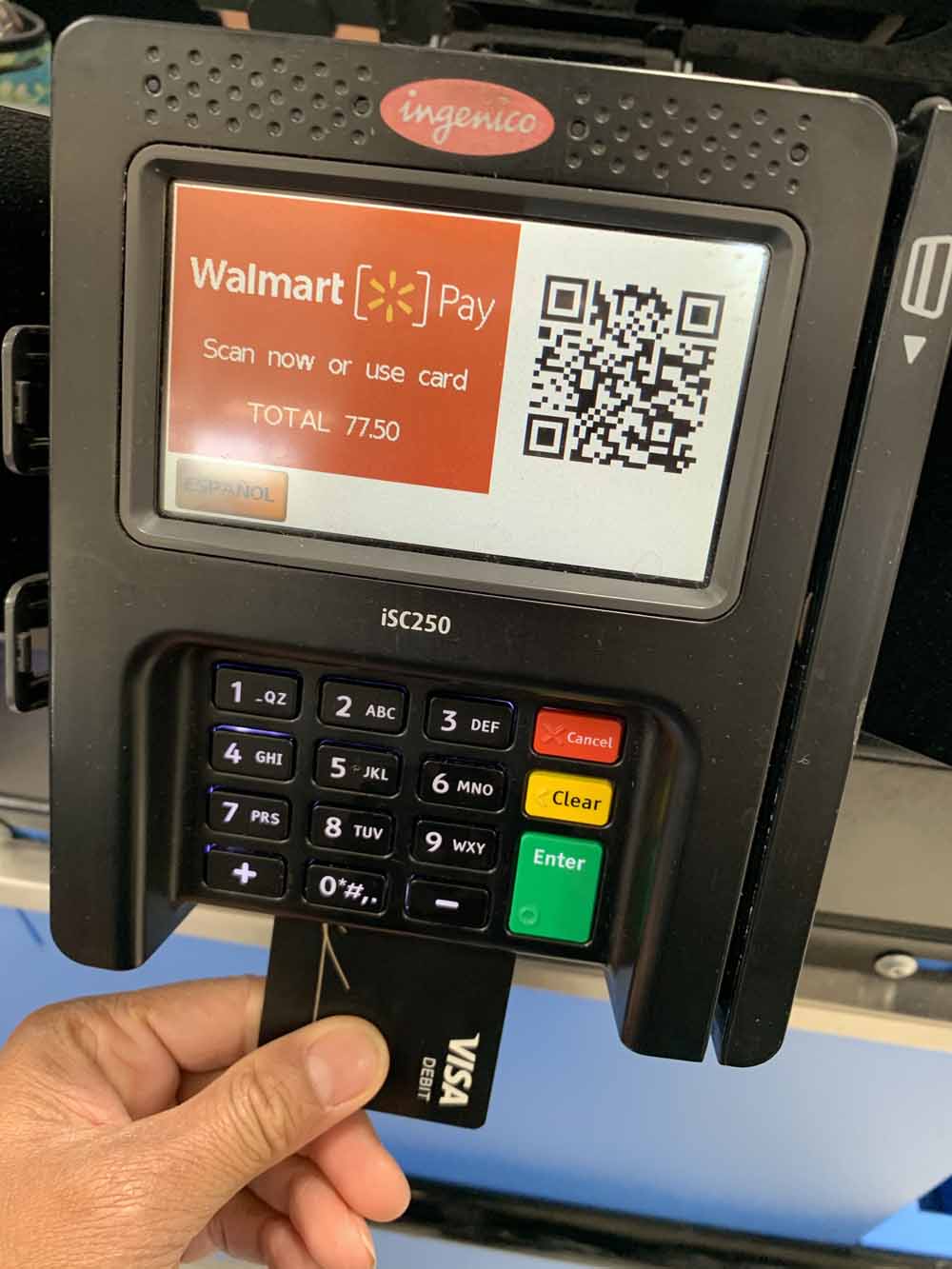
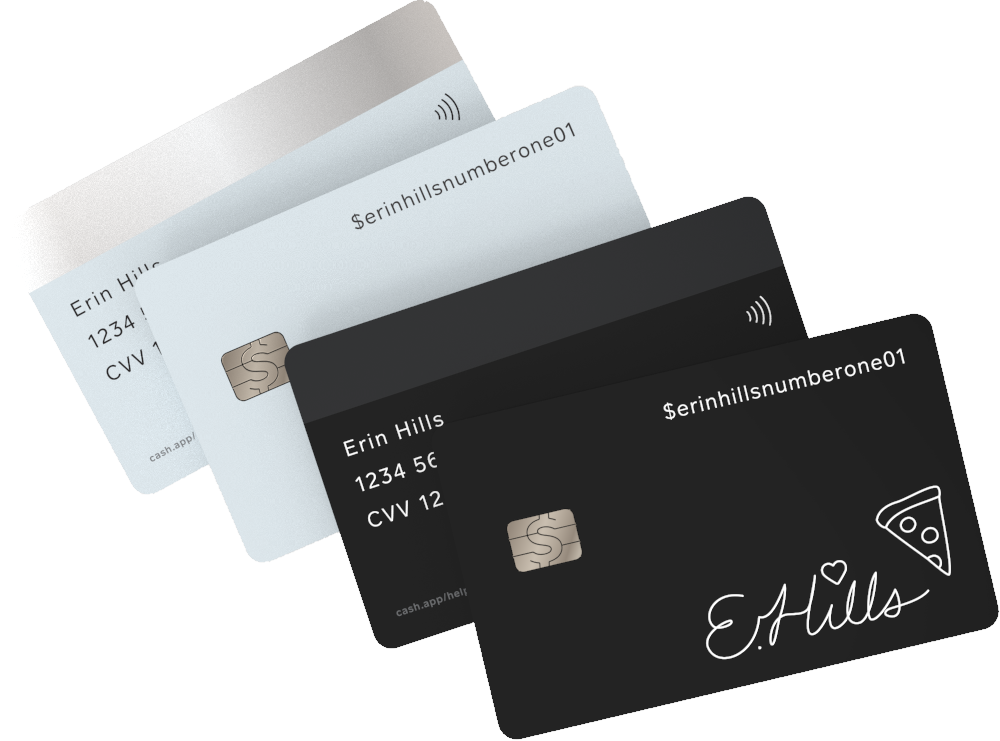
To further extend its utility into the physical world, Cash App offers a customizable, free debit card powered by Visa. This “Cash Card” is linked directly to the user’s Cash App balance, allowing them to spend their funds anywhere Visa is accepted—online, in physical stores, or at ATMs. The card represents a seamless technological bridge between the digital funds stored within the app and the ubiquitous payment terminals of the retail world.
A standout feature of the Cash Card is “Boosts”—instant discounts applied at the point of sale. Users can select specific merchants or categories (e.g., coffee shops, restaurants, gas stations) within the app, and when they use their Cash Card at these locations, a predetermined discount is automatically applied. This innovative loyalty program is a prime example of how Cash App integrates smart technology to deliver tangible value to its users, enhancing their spending power and engaging them further with the platform. The real-time application of these discounts, often powered by geolocation and merchant identification technology, provides immediate gratification and incentives for users.
Investing in Stocks & Bitcoin: Democratizing Access to Markets
Perhaps one of Cash App’s most ambitious technological integrations is its foray into investment services. The app allows users to buy and sell fractional shares of stocks and exchange-traded funds (ETFs) with as little as $1. It also provides a straightforward platform for purchasing, selling, and even sending Bitcoin. This feature dramatically lowers the barrier to entry for investing, making it accessible to a broader demographic who might otherwise find traditional brokerage platforms intimidating or expensive.
From a technology perspective, Cash App simplifies complex financial instruments into an intuitive, mobile-first experience. The app handles the intricacies of market orders, custodial services, and regulatory compliance, presenting users with a clean interface to monitor their investments. For Bitcoin, it offers a secure, albeit basic, wallet functionality that allows users to hold and transfer cryptocurrency directly from the app, leveraging blockchain technology in a user-friendly manner. This integration positions Cash App not just as a payment tool, but as an entry point into the world of digital assets and traditional markets, all powered by sophisticated backend financial technology designed for simplicity.
Cash App for Businesses: Empowering Small Enterprises
Recognizing the evolving needs of the economy, Cash App has also extended its technological capabilities to serve small businesses and sole proprietors, offering them simplified payment solutions.
Accepting Payments: Simple Solutions for Merchants
Small businesses, freelancers, and service providers can utilize Cash App to accept payments from customers effortlessly. By creating a Cash App for Business profile, merchants can receive funds via their $Cashtag or by generating QR codes that customers can scan to pay. This method provides a low-cost, low-barrier alternative to traditional point-of-sale (POS) systems or credit card processors, which often come with monthly fees and complex setup procedures.
The technology behind business payments focuses on efficiency and accessibility. A customer simply scans a QR code or enters the business’s $Cashtag, enters the amount, and confirms the payment. The funds typically arrive instantly, providing businesses with immediate liquidity. This digital solution is particularly beneficial for mobile vendors, pop-up shops, or individuals offering services, allowing them to process transactions with just a smartphone and the Cash App.
Streamlining Operations: Managing Transactions and Invoicing
While not as robust as dedicated accounting software, Cash App for Business provides basic tools for managing transactions. Businesses can view their payment history, track incoming funds, and easily transfer their Cash App balance to an external bank account. This level of operational streamlining, though basic, is crucial for micro-businesses and freelancers who need simple, integrated solutions for financial tracking. The app’s clear transaction logs contribute to easier reconciliation, allowing entrepreneurs to quickly understand their cash flow without needing specialized financial software.
Security and Technological Safeguards: Trusting Your Digital Wallet
Given that Cash App handles sensitive financial transactions, its technological infrastructure prioritizes security and user protection. Robust security measures are paramount to maintaining user trust and safeguarding digital assets.
Encryption and Fraud Protection: Fortifying Your Finances
Cash App employs advanced encryption protocols to protect all data transmitted between the user’s device and its servers. This ensures that personal and financial information, including bank details and transaction data, remains confidential and secure from unauthorized access. Beyond encryption, the platform integrates sophisticated fraud detection algorithms that continuously monitor transactions for suspicious activity. These AI-powered systems can identify unusual spending patterns or login attempts, flagging potential fraud and often taking proactive measures to protect accounts.
Furthermore, Cash App adheres to industry-standard security practices, including compliance with Payment Card Industry Data Security Standard (PCI DSS) for card transactions. These technological safeguards are crucial for building a reliable digital payment ecosystem.
User Control and Privacy Settings: Empowering the Individual
Users are also empowered with various security features they can enable and manage. This includes options for PINs, fingerprint recognition, or Face ID for app access and transaction authorization, adding an extra layer of biometric security. Users receive real-time notifications for every transaction, allowing them to immediately identify and report any unauthorized activity. Cash App’s privacy settings give users control over how their data is shared and managed, aligning with modern data protection principles. This combination of robust backend security and user-configurable safeguards creates a comprehensive security posture, fostering confidence in the app’s integrity.
The Future of Cash App: Innovations and Evolving Use Cases
Cash App’s journey from a niche P2P app to a multifaceted financial platform demonstrates its commitment to technological innovation. Its future promises even greater integration and expanded utility.
Expanding Digital Payment Ecosystems: Seamless Integrations
The trajectory of Cash App suggests an ongoing effort to expand its digital payment ecosystem. This could involve deeper integrations with more merchants, potentially moving beyond Boosts to offer more direct payment options or loyalty programs within partner networks. As the demand for seamless digital transactions grows, Cash App is poised to explore innovations like NFC payments, enhanced invoicing for businesses, or even more sophisticated budgeting tools built directly into the app. Its technological agility allows it to quickly adapt to market demands and integrate emerging payment technologies.
Competing in the Fintech Landscape: Driving Innovation
Cash App operates in a highly competitive fintech landscape, constantly pushing the boundaries of what a mobile payment app can do. Its continued innovation in areas like fractional stock investing and simplified Bitcoin trading highlights its role in democratizing access to financial services. As it evolves, Cash App is likely to continue leveraging AI for personalized financial insights, expanding its suite of financial tools, and exploring new payment rails. Its focus on user experience and accessibility, driven by cutting-edge technology, positions it as a key player driving the future of mobile-first finance.
In conclusion, Cash App is far more than a simple tool for sending money to friends. It is a technologically advanced platform that has woven itself into the fabric of modern financial life. From instant peer-to-peer transfers and direct deposits to a versatile debit card, simplified investing, and business payment solutions, Cash App offers a comprehensive digital ecosystem. Its continuous evolution, underpinned by robust security and an intuitive user experience, solidifies its position as a go-to application for managing money in the digital age, continually redefining where and how we interact with our finances.
aViewFromTheCave is a participant in the Amazon Services LLC Associates Program, an affiliate advertising program designed to provide a means for sites to earn advertising fees by advertising and linking to Amazon.com. Amazon, the Amazon logo, AmazonSupply, and the AmazonSupply logo are trademarks of Amazon.com, Inc. or its affiliates. As an Amazon Associate we earn affiliate commissions from qualifying purchases.