
In the rapidly evolving landscape of fintech, few platforms have managed to bridge the gap between social connectivity and financial utility as effectively as Cash App. Originally launched in 2013 by Block, Inc. (formerly Square), the service has transitioned from a simple peer-to-peer (P2P) payment tool into a multifaceted financial ecosystem. Understanding how Cash App works is no longer just about knowing how to send five dollars to a friend for coffee; it is about navigating a platform that facilitates banking, stock market investing, cryptocurrency trading, and even tax preparation.

The Fundamentals of Peer-to-Peer Payments
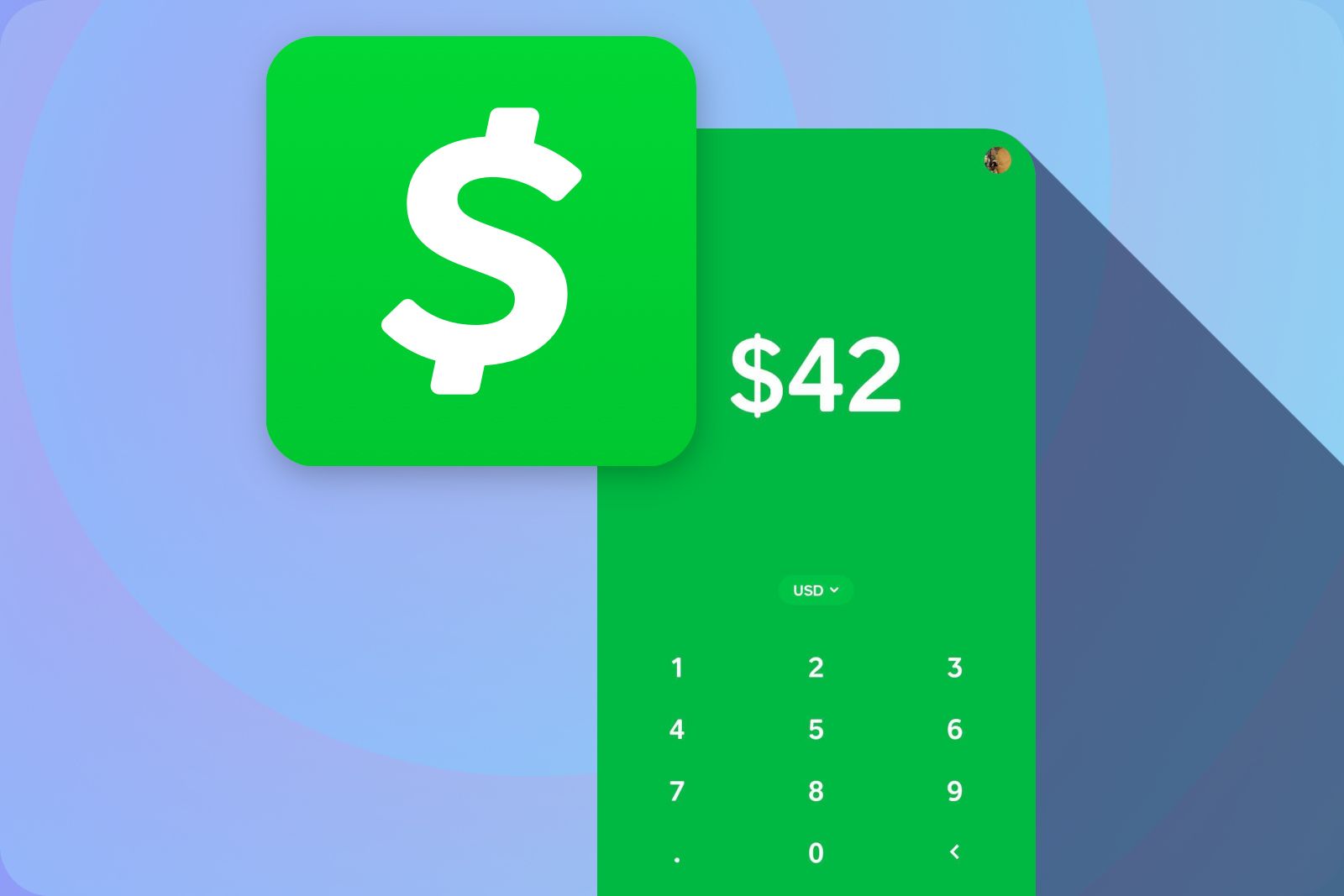
At its core, Cash App functions as a digital wallet that simplifies the movement of money. Unlike traditional banking, which often requires account numbers, routing codes, and multi-day waiting periods for transfers, Cash App leverages a proprietary identifier known as a $Cashtag. This unique username allows users to send and receive funds without sharing sensitive banking details, creating a layer of privacy and convenience that has defined the modern mobile payment era.
Setting Up Your Account and $Cashtag
The onboarding process is designed for speed. After downloading the application, users link a mobile number or email address to verify their identity. To actually move money, a user must link a funding source—typically a debit card or a bank account via the Plaid integration. Once the account is active, the user selects a $Cashtag. This handle becomes their financial address. When someone wants to send you money, they simply search for your $Cashtag, enter the amount, and hit “Pay.”
Sending and Receiving Funds
When you receive money through Cash App, it does not automatically move to your personal bank account. Instead, it sits in your “Cash App Balance,” a virtual holding pen. From here, you have two choices: leave the money in the app to spend elsewhere or “Cash Out.”
The “Cash Out” feature offers two distinct speeds. The Standard transfer is free and typically takes one to three business days to arrive in your linked bank account. The Instant transfer, however, happens almost immediately for a small percentage fee (usually around 1.5%). This dual-speed model is a cornerstone of the app’s revenue strategy and provides users with flexibility based on their immediate liquidity needs.
Understanding Limits and Verification
To maintain compliance with financial regulations and mitigate fraud, Cash App imposes initial limits on unverified accounts. Initially, users may be limited to sending $250 within a seven-day period and receiving $1,000 within a thirty-day period. To lift these restrictions, users must go through a verification process that includes providing their full legal name, date of birth, and the last four digits of their Social Security number. Once verified, these limits are significantly increased, allowing the app to serve as a more robust financial tool for larger transactions.
Banking Features and the Cash Card
As the platform matured, it began to incorporate features traditionally reserved for retail banks. While Cash App is not a bank itself—it is a financial platform that partners with banks like Sutton Bank and Lincoln Savings Bank—it offers a suite of services that mimic a traditional checking account.
Direct Deposit and Early Payday
One of the most significant shifts in how Cash App works is its ability to handle direct deposits. Users are assigned a routing number and an account number, just as they would have at a traditional bank. By directing their paycheck to these numbers, users can centralize their finances. A major draw for this feature is “Early Payday,” which allows users to receive their funds up to two days earlier than they would at many traditional institutions, depending on when the employer submits the payroll file.
The Cash Card: A Physical Extension
To make the digital balance more accessible in the physical world, the platform offers the Cash Card. This is a customizable Visa debit card linked directly to the user’s Cash App balance. It can be used anywhere Visa is accepted, both online and in physical stores. Because the card draws directly from the app balance, it functions like a debit card rather than a credit card, preventing users from spending money they do not have and avoiding the pitfalls of high-interest debt.
Cash Boosts: Instant Rewards and Savings
The Cash Card distinguishes itself from traditional bank cards through a feature called “Boosts.” These are merchant-specific discounts that users can toggle on within the app. For example, a user might activate a “10% off at any grocery store” boost or a “minimum $1 off at a coffee shop” boost. When the user swipes their Cash Card at that location, the discount is applied instantly to the transaction. Unlike traditional credit card rewards that require users to accumulate points over months, Boosts provide immediate financial gratification and tangible savings on daily expenses.
Investing and Wealth Building Within the App
Perhaps the most revolutionary aspect of how Cash App works is its democratization of investing. By integrating stock and Bitcoin trading directly into a payment app, the platform has lowered the barrier to entry for millions of first-time investors.
Fractional Stock Trading
In the past, investing in high-value stocks like Berkshire Hathaway or Amazon required significant capital because investors had to buy whole shares. Cash App utilizes fractional sharing, allowing users to buy as little as $1 worth of a company’s stock. This “micro-investing” strategy allows users to build a diversified portfolio incrementally. The interface is intentionally minimalist, stripping away the complex jargon and charts found on professional trading platforms to make the experience feel as intuitive as sending a text message.
Bitcoin Integration and the Lightning Network
Cash App was one of the earliest mainstream financial tools to fully embrace Bitcoin. Users can buy, sell, and hold Bitcoin directly within the app. Beyond simple trading, the platform has integrated the Lightning Network, a “Layer 2” payment protocol that allows for nearly instantaneous Bitcoin transfers with extremely low fees. This makes Bitcoin not just a speculative asset but a functional currency that can be moved across the globe in seconds. Users can also choose to “Get Paid in Bitcoin,” automatically converting a percentage of their direct deposit into the cryptocurrency.
Round Ups: Automating Your Savings
To encourage long-term wealth building, Cash App offers a “Round Ups” feature. When enabled, every purchase made with the Cash Card is rounded up to the nearest dollar. The “spare change” is then automatically invested into a stock of the user’s choice or into Bitcoin. This passive investment strategy leverages the power of dollar-cost averaging, allowing users to build positions in assets over time without having to manually execute trades or set aside large lump sums.
Security, Fees, and Business Applications
Operating in the financial sector requires a high degree of trust and a transparent cost structure. Cash App utilizes several layers of security to protect user funds, though the onus of safety often falls on the user’s awareness of social engineering and scams.
Protecting Your Assets
Security features within the app include “Security Locks,” which require a PIN or biometric authentication (FaceID or TouchID) for every payment. Furthermore, the app sends real-time notifications for every account action, allowing users to spot unauthorized activity immediately. However, because P2P payments are often instantaneous and difficult to reverse, the platform emphasizes that users should only send money to people they know and trust.
Navigating the Fee Structure
For the average consumer, Cash App is largely free. There are no monthly maintenance fees, no fees to send money from a linked bank account, and no fees for standard deposits. The platform generates revenue through specific channels:
-
Instant Deposits: The 1.5% fee for moving money to a bank account immediately.
-
Credit Card Payments: Sending money using a linked credit card incurs a 3% fee.
-
Bitcoin Spreads: While the app may not charge a high flat fee, there is a “spread” or a small fee built into the price of Bitcoin transactions.
-
Business Accounts: Users who use the app to sell goods or services are charged a 2.75% transaction fee.
Cash App for Business
The “Business Account” setting is a specialized way for entrepreneurs and freelancers to use the app. Unlike personal accounts, business accounts can receive unlimited amounts of money and are equipped to handle high-volume transactions. While the 2.75% fee applies, it simplifies the invoicing process and allows small business owners to accept payments via $Cashtag or QR code without the need for expensive point-of-sale hardware. This has made the platform a favorite for creators, tutors, and local service providers who require a mobile-first financial solution.
By combining peer-to-peer agility with traditional banking stability and modern investment opportunities, Cash App has redefined the relationship between the consumer and their capital. It functions not just as an app, but as a comprehensive financial hub that empowers users to move, grow, and manage their money with unprecedented ease.
aViewFromTheCave is a participant in the Amazon Services LLC Associates Program, an affiliate advertising program designed to provide a means for sites to earn advertising fees by advertising and linking to Amazon.com. Amazon, the Amazon logo, AmazonSupply, and the AmazonSupply logo are trademarks of Amazon.com, Inc. or its affiliates. As an Amazon Associate we earn affiliate commissions from qualifying purchases.