
In the rapidly evolving landscape of personal finance, traditional banking institutions are no longer the sole gatekeepers of wealth management and monetary transactions. Leading the charge toward a more decentralized and mobile-centric financial future is Cash App. Originally launched as Square Cash in 2013 by Block, Inc., the platform has expanded far beyond its initial utility as a peer-to-peer (P2P) payment tool. Today, it serves as a multifaceted financial hub that integrates banking services, stock market investing, cryptocurrency trading, and consumer rewards into a single, streamlined interface. Understanding how Cash App works is essential for anyone looking to optimize their personal cash flow, diversify their investment portfolio, or simply navigate the digital economy with greater efficiency.
Understanding the Core Mechanics of Cash App
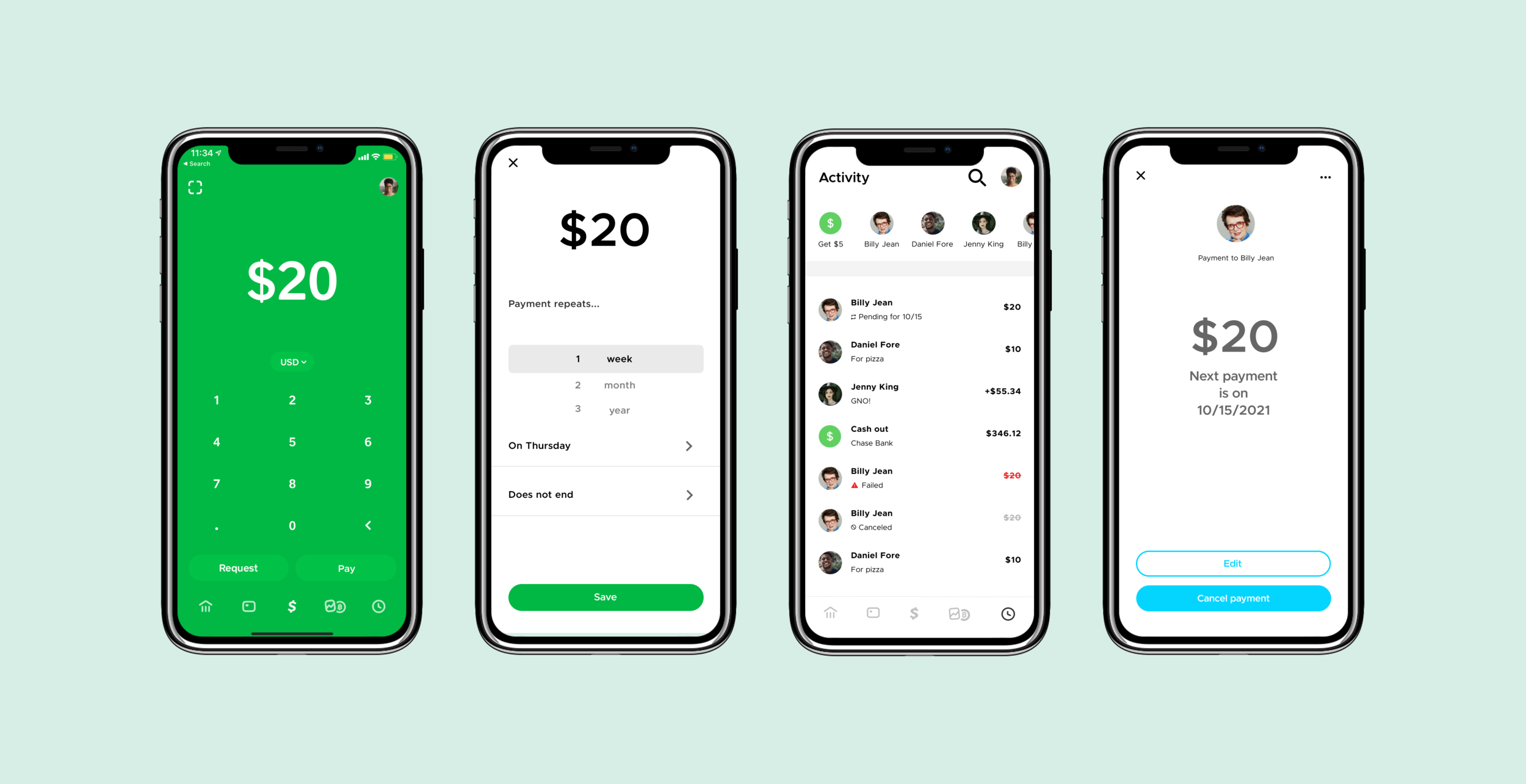
At its most fundamental level, Cash App operates as a digital wallet and a payment processor. Unlike a traditional bank account that requires physical paperwork and strict credit checks, opening a Cash App account is a digital-first process that prioritizes accessibility. Once a user downloads the application, they are assigned a unique identifier known as a $Cashtag. This alphanumeric handle allows users to send and receive funds without disclosing sensitive information like bank account numbers or routing details.
The Digital Wallet and P2P Payments
The primary function of Cash App is facilitating the movement of money between individuals. When you receive money, it sits in your “Cash Balance,” a virtual ledger within the app. From here, you have three choices: keep the money in the app for future spending, send it to another user, or “Cash Out” to a linked external bank account or debit card.
The speed of these transactions is one of the platform’s most significant advantages. Standard deposits to a linked bank account are free but typically take one to three business days to clear. For users who require immediate access to their funds, the “Instant Transfer” feature allows for the near-instantaneous movement of money to a debit card for a small percentage fee (usually ranging from 0.5% to 1.75%).
Linking Financial Infrastructure
To fund the Cash App ecosystem, users must link an external financial source. This is typically done through a debit card, a credit card, or a direct bank account connection via services like Plaid. While sending money from a linked bank account or debit card is free, Cash App charges a 3% fee for transactions funded by a credit card. This distinction is crucial for budget-conscious users who want to avoid unnecessary overhead in their daily transactions.
Fee Structures and Business Accounts
While Cash App is largely free for personal use, it operates on a “freemium” model. Beyond the instant transfer and credit card fees, the platform offers specialized “Business Accounts.” These are designed for entrepreneurs, freelancers, and small business owners. Business accounts can accept unlimited payments from customers, but they are subject to a 2.75% transaction fee. In exchange, these accounts can often accept payments via a unique URL, making it easier for side hustlers to monetize their services without complex point-of-sale hardware.
Maximizing Personal Finance with the Cash Card and Boosts
One of the most innovative aspects of Cash App is how it bridges the gap between digital funds and physical world utility. The “Cash Card” is a customizable Visa debit card that is directly linked to the user’s Cash App balance. It allows users to spend their digital funds at any merchant that accepts Visa, effectively turning the app into a viable alternative to a traditional checking account.
The Visa Debit Card Experience
The Cash Card is not just a payment tool; it is a centerpiece of the app’s personal finance strategy. Because the card draws directly from the app balance, it encourages a “prepaid” mindset, which can be an effective budgeting tool for those trying to limit their spending to a specific weekly or monthly allowance. Users receive notifications for every transaction in real-time, providing an immediate feedback loop on their spending habits.
Leveraging Instant Discounts via “Boosts”
The standout feature of the Cash Card is “Boosts.” This is a unique rewards program that offers instant discounts at popular retailers, restaurants, and service providers. Unlike traditional credit card rewards that require users to accumulate points over months before redeeming them, Boosts are applied at the moment of purchase. For example, a user might activate a “10% off at any grocery store” Boost. When they swipe their Cash Card at a supermarket, the discount is applied immediately, and the reduced amount is deducted from their balance. For the savvy consumer, strategic use of Boosts can result in hundreds of dollars in annual savings on essential expenses.
ATM Access and Direct Deposits
Cash App has also introduced features that mirror traditional banking. Users can set up direct deposits, allowing their paychecks to be sent directly to their Cash App balance. In many cases, these funds are available up to two days earlier than they would be at a traditional bank. Furthermore, while Cash App is digital, it acknowledges the need for physical currency. The Cash Card can be used at any ATM. While Cash App often charges a small fee for ATM withdrawals, these fees are frequently reimbursed for users who receive a minimum amount of direct deposits each month, further blurring the line between a fintech app and a full-service bank.

Investing and Wealth Building Within the Platform
Beyond daily transactions, Cash App has democratized access to the financial markets. The “Investing” section of the app allows users to enter the world of equities and cryptocurrencies with minimal friction, making it a powerful tool for building long-term wealth.
Fractional Stock Trading for Beginners
For many, the stock market feels inaccessible due to the high price of individual shares in major tech or retail companies. Cash App solves this through fractional share trading. Users can invest as little as $1 in their favorite companies. By allowing users to buy a “piece” of a share, the platform lowers the barrier to entry for young investors and those with limited disposable income. The interface is intentionally simplified, stripping away the complex jargon and technical charts of traditional brokerage firms to focus on the core fundamentals of buying and holding assets.
Bitcoin Integration and Crypto Management
Cash App was one of the first mainstream financial platforms to embrace Bitcoin. Users can buy, sell, and even send Bitcoin to other users or external wallets. The app also features a “Paid in Bitcoin” option, where a percentage of a user’s direct deposit can be automatically converted into Bitcoin upon arrival. For those following a “Dollar Cost Averaging” (DCA) strategy, the app allows for recurring purchases, automating the investment process and removing the emotional stress of market volatility.
Automated Savings and Round-Ups
In alignment with modern personal finance trends, Cash App offers an “Auto-Invest” feature and a “Round-Ups” tool. Round-Ups work by rounding up every Cash Card purchase to the nearest dollar and investing the difference into a chosen stock or Bitcoin. This “set it and forget it” approach to micro-investing helps users build a portfolio over time without feeling the impact on their daily cash flow.
Security, Safety, and Financial Protection
As with any platform handling liquid assets, security is a paramount concern. Cash App employs a multi-layered security infrastructure to protect user funds and data. However, because the platform operates differently than a traditional bank, users must be proactive in their digital hygiene.
Verification and Account Limits
To prevent fraud and comply with “Know Your Customer” (KYC) regulations, Cash App requires identity verification. Unverified users face strict limits on how much they can send or receive. By providing a full name, date of birth, and the last four digits of a Social Security Number, users can unlock higher transaction limits and access features like Bitcoin withdrawals and stock trading. This verification process is a critical step in ensuring the platform remains a safe environment for legitimate financial activity.
Protecting Funds from Scams
The speed and finality of P2P payments make them a target for social engineering scams. Cash App emphasizes that users should only send money to people they know and trust. Unlike credit card transactions, which often have robust chargeback protections, a P2P payment is usually permanent. To mitigate risk, Cash App includes security features like “Security Lock,” which requires a passcode or biometric ID (FaceID/TouchID) for every payment, and “Notification Toggles” that alert users to every account action.
Regulatory Compliance and Insurance
A common question regarding Cash App is whether it is a bank. Technically, Cash App is a financial platform, not a bank. However, its banking services are provided by partner banks, such as Sutton Bank and Lincoln Savings Bank. Because of these partnerships, the funds held in a user’s Cash App balance are often eligible for FDIC insurance up to $250,000, provided the user has a verified account and a Cash Card. This insurance offers a crucial layer of protection, giving users the peace of mind that their money is safe even in the unlikely event of institutional failure.
The Future of Digital Banking: Is Cash App a Bank Replacement?
As Cash App continues to iterate, it is increasingly positioning itself as a comprehensive replacement for the traditional brick-and-mortar bank. For a generation that values mobility, transparency, and integrated functionality, the platform offers a compelling value proposition. It combines the utility of a checking account, the rewards of a credit card, and the growth potential of an investment brokerage into a single ecosystem.
By streamlining the complexities of personal finance—from splitting a dinner bill to purchasing fractional shares of a Fortune 500 company—Cash App has transformed the way millions of people interact with money. While it may not yet offer complex financial products like mortgages or high-limit personal loans, its trajectory suggests a move toward becoming an all-encompassing “super-app” for the modern financial life. For the individual looking to take control of their financial destiny, understanding the nuances of how Cash App works is no longer just a technical curiosity; it is a foundational skill in the digital age.
aViewFromTheCave is a participant in the Amazon Services LLC Associates Program, an affiliate advertising program designed to provide a means for sites to earn advertising fees by advertising and linking to Amazon.com. Amazon, the Amazon logo, AmazonSupply, and the AmazonSupply logo are trademarks of Amazon.com, Inc. or its affiliates. As an Amazon Associate we earn affiliate commissions from qualifying purchases.