
In an era defined by digital convenience and unprecedented market access, the landscape of purchasing a used car has been fundamentally transformed. Gone are the days when local dealerships or newspaper classifieds were the primary, often limited, avenues for finding a pre-owned vehicle. Today, the internet offers a vast, dynamic marketplace, teeming with options that can satisfy almost any budget and preference. For the financially savvy consumer, understanding “where to find used cars online” is not just about identifying websites; it’s about mastering a strategic approach to a significant personal finance decision. This guide delves into the economic advantages and crucial financial considerations of navigating the online used car market, equipping you with the insights to make a wise, cost-effective investment.
The Financial Imperative: Why Used Cars Online Make Cents
The decision to purchase a used car often stems from a sound financial rationale. New cars famously depreciate rapidly, losing a substantial portion of their value the moment they leave the showroom floor. By opting for a pre-owned vehicle, especially one sourced online, buyers can significantly mitigate this financial drain, securing a valuable asset at a fraction of its original cost. The digital realm further amplifies these savings by broadening the market and fostering competitive pricing.
Unlocking Savings Through Depreciation Avoidance
The most compelling financial argument for buying a used car is the immediate and substantial savings gained by letting the first owner absorb the steepest curve of depreciation. A new car can lose 15-25% of its value in the first year alone, and up to 50% or more within three to five years. When you buy a used car, you are essentially purchasing an asset that has already undergone this initial, drastic value reduction. This means more car for your money, a lower purchase price, and often lower insurance premiums, which are typically based on the vehicle’s current market value. Online marketplaces facilitate this by providing transparent access to a wide range of vehicles across various age and mileage brackets, allowing buyers to pinpoint the optimal balance between price and remaining lifespan.
The Power of a Broader Market for Better Deals
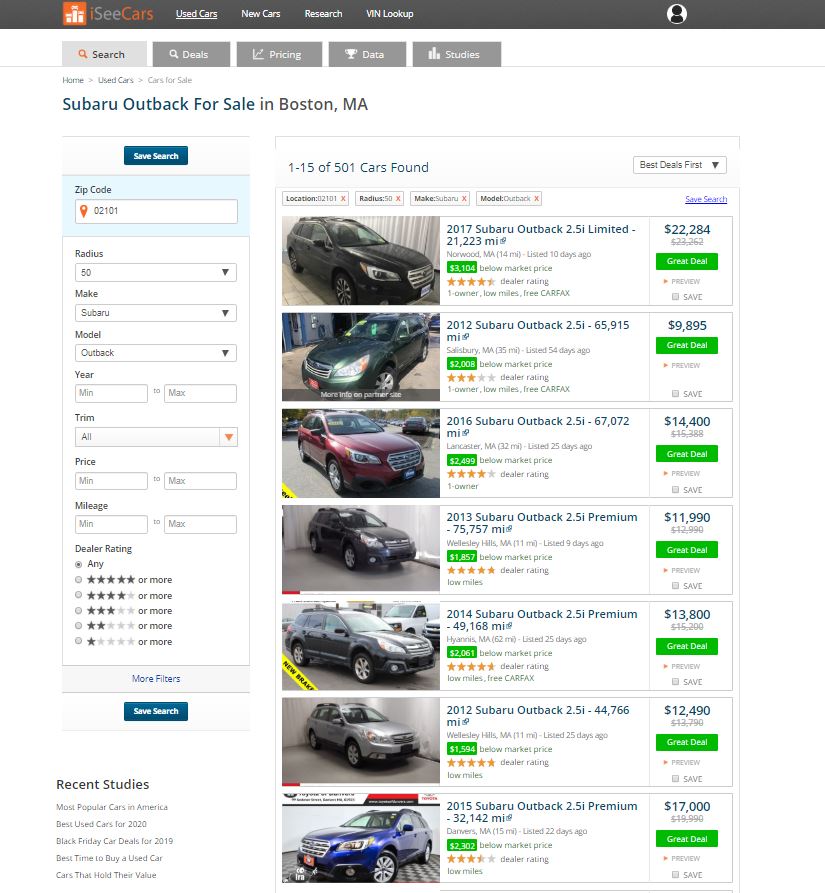
Traditional car shopping often limited consumers to the inventory of local dealerships, which could mean fewer choices and less competitive pricing. The internet obliterates these geographical constraints, opening up a nationwide, and sometimes international, inventory of used vehicles. This expanded market brings several financial benefits. Firstly, it increases the likelihood of finding the exact make, model, and trim level you desire at a competitive price, as you’re no longer constrained by local supply. Secondly, the sheer volume of listings creates a more perfect market, driving down prices as sellers compete for attention. Sites like AutoTrader, CarGurus, and Cars.com aggregate listings from thousands of dealerships and private sellers, while platforms like eBay Motors and Facebook Marketplace offer direct peer-to-peer sales, often at even more attractive prices due to lower overheads. This extensive reach empowers buyers to compare prices more effectively, ensuring they secure the best possible deal.
Strategic Sourcing: Navigating Online Marketplaces for Value
Finding the right used car online is as much about financial strategy as it is about vehicle specifications. Different platforms cater to different needs and offer varying levels of financial protection and transparency. Understanding these nuances is key to optimizing your budget and ensuring a financially sound purchase.
Public Aggregators and Dealership Portals
For many, the first port of call will be large public aggregators like AutoTrader, CarGurus, and Cars.com. These sites act as comprehensive databases, pulling listings from thousands of dealerships nationwide, and often including private seller listings as well.
-
Financial Benefits: These platforms excel at price comparison. Tools like CarGurus’ “deal rating” algorithm help buyers quickly identify vehicles priced below market value, flagging potential bargains. They provide extensive filters for budget, mileage, year, and features, allowing buyers to narrow down choices to financially viable options. Many also integrate financing tools or links to dealership financing applications, streamlining the financial planning process.
-
Considerations: While convenient, these sites primarily list vehicles from established businesses, meaning prices might be less negotiable than with private sellers. However, the trade-off is often increased reliability, professional detailing, and sometimes limited warranties or inspection guarantees.
Peer-to-Peer Platforms for Direct Savings
For those comfortable with a more direct transaction, peer-to-peer marketplaces offer the potential for significant savings. Facebook Marketplace, Craigslist, and eBay Motors (for private listings) connect individual sellers directly with buyers, cutting out dealership markups.
-
Financial Benefits: The primary advantage here is often lower prices, as private sellers typically do not have the overhead costs of a dealership. There’s also generally more room for negotiation, allowing astute buyers to haggle for a better deal. eBay Motors, in particular, offers auction formats that can sometimes result in exceptional bargains, provided buyers understand the bidding process and potential risks.
-
Considerations: With greater potential savings comes increased risk. These platforms offer fewer financial safeguards, meaning buyers must exercise heightened due diligence regarding vehicle condition, payment security, and seller legitimacy. Independent inspections become paramount, and careful management of funds is critical to avoid scams.
Specialized Online Retailers and Auctions
Beyond general marketplaces, specialized online retailers like Carvana, Vroom, and Shift offer an entirely digital car-buying experience, including delivery. Online auction sites like Copart or IAAI cater to salvage or wholesale buyers, though some also offer ready-to-drive vehicles.
-
Financial Benefits: These retailers offer fixed pricing, eliminating the need for negotiation and providing price transparency. Many offer robust return policies, often a 7-day money-back guarantee, providing peace of mind. While their prices might not always be the absolute lowest, the convenience and often stringent reconditioning standards can justify the cost. Auction sites, on the other hand, can present opportunities for significant financial gains for those willing to take on higher risk, potentially buying cars well below retail value.
-
Considerations: Fixed pricing means less flexibility. While convenient, the ability to inspect the vehicle in person before purchase is limited, relying heavily on provided reports and photos. Auction sites demand significant expertise in vehicle assessment and financial risk management, as “as-is” sales can lead to unforeseen repair costs.
Due Diligence: Protecting Your Investment with Financial Scrutiny

Once potential vehicles are identified, the next critical step is financial due diligence. This involves thoroughly investigating the vehicle’s history, condition, and true value to ensure your investment is sound and free from hidden liabilities. Skipping these steps can lead to unexpected repair costs, legal issues, and significant financial losses.
Comprehensive Vehicle History Reports
A Vehicle History Report (VHR) from services like CarFax or AutoCheck is an indispensable tool in evaluating a used car’s financial risk. These reports compile data from various sources—DMVs, insurance companies, police departments, service records—to provide a detailed financial and operational history of the vehicle.
- Key Financial Revelations: VHRs can expose past accidents (and the extent of damage, which impacts resale value and safety), flood damage, odometer fraud, salvage titles (a major red flag for resale value and financing), theft records, and consistent maintenance history. A well-maintained vehicle with a clean history is a much safer financial bet than one with a checkered past, as it suggests lower future repair costs and better resale potential. Always invest in one, or ensure the seller provides a recent, legitimate report.
Independent Inspections and Valuation Tools
Even with a clean VHR, a pre-purchase inspection (PPI) by a qualified, independent mechanic is a non-negotiable financial safeguard. This professional assessment can uncover existing mechanical issues, safety concerns, or impending failures that are not visible to the untrained eye or disclosed in a VHR.
- Financial Protection: A PPI costs a small fee (typically $100-$200) but can save thousands in post-purchase repairs. The mechanic can identify issues that can be used as leverage for price negotiation or, if severe enough, convince you to walk away from a financially draining purchase. Furthermore, online valuation tools like Kelley Blue Book (KBB), NADAguides, or Edmunds provide crucial financial benchmarks. These tools help you understand the fair market value based on condition, mileage, and features, ensuring you don’t overpay and providing a solid basis for negotiation.
Secure Transactions: Financing and Finalizing Your Online Purchase
The final stages of buying a used car online involve navigating financing options and ensuring a secure, legally compliant transaction. This requires careful attention to detail to protect your financial interests and avoid scams.
Exploring Online Financing Options
Before you even begin serious shopping, it’s financially prudent to secure pre-approval for a car loan. This establishes your budget, gives you leverage with sellers, and prevents you from being swayed by unfavorable financing offers at the point of sale.
-
Online Lenders: Many reputable banks, credit unions, and specialized online lenders (e.g., LightStream, Capital One Auto Finance) offer competitive rates and convenient online application processes. Comparing offers from multiple lenders can significantly reduce your interest payments over the life of the loan, saving you hundreds or thousands of dollars. Always pay close attention to interest rates, loan terms, and any associated fees.
-
Dealership Financing (Aggregators): While buying from an online aggregator, dealerships often offer their own financing. While convenient, always compare their offers to your pre-approved rates. Sometimes, dealerships have incentives, but it’s essential to ensure you’re getting the best financial deal overall.
Secure Online Payment Methods and Title Transfer
When it comes to transferring funds, especially for private sales, caution is paramount. Never use unsecured payment methods like wire transfers or gift cards.
-
Escrow Services: For private sales, consider using a reputable third-party escrow service. This service holds your payment until you have received the car and confirmed its condition and the title. While incurring a small fee, it offers significant financial protection against fraud.
-
Certified Checks/Cashier’s Checks: These are safer alternatives to cash for direct payments. For large transactions, consider conducting the exchange at a bank, where the authenticity of the check can be verified, and immediate title transfer assistance might be available.
-
Digital Payment Platforms (Limited Use): For smaller down payments or deposits, some digital platforms might be acceptable, but always verify seller identity and ensure the platform offers buyer protection.
-
Title and Registration: Ensure you receive a clear title, properly signed and notarized (if required by your state). This document is your proof of ownership and essential for registering the vehicle. Understand the sales tax implications and registration fees in your state, budgeting these into your total purchase cost.
Beyond the Buy: Maximizing Long-Term Value and Potential Earnings
A financially astute car purchase doesn’t end with the transaction. Strategic management of your vehicle can further enhance its long-term financial value, and for some, even open avenues for additional income.
Long-Term Cost of Ownership Considerations
When evaluating used cars online, look beyond the sticker price. Factor in the long-term costs of ownership, which include insurance, fuel efficiency, maintenance, and potential future repairs.
-
Insurance Costs: Research insurance premiums for specific models before buying. Some vehicles, due to their safety ratings, repair costs, or theft rates, are significantly more expensive to insure.
-
Fuel Efficiency: Higher MPG translates to substantial savings over years of ownership, especially with fluctuating fuel prices. Online listings often provide EPA estimates, allowing for direct comparison.
-
Maintenance and Reliability: Research common issues for specific makes and models. Vehicles known for reliability, even used, tend to have lower maintenance costs and better resale value. Websites like Consumer Reports or JD Power can provide valuable insights into vehicle dependability. Choosing a financially reliable vehicle is as important as choosing an affordable one.
The Potential for Online Car Flipping as a Side Hustle
For those with a keen eye for value, mechanical aptitude, and a strategic understanding of the market, buying and selling used cars online can evolve from a personal necessity into a lucrative side hustle.
-
Identifying Undervalued Assets: The internet’s vast market allows for the identification of undervalued vehicles—cars that are priced low due to minor cosmetic issues, lack of seller marketing, or owners needing a quick sale.
-
Strategic Reconditioning and Marketing: With a modest investment in repairs, detailing, and professional photography, a financially savvy individual can increase a vehicle’s market value. Platforms like Facebook Marketplace or Craigslist become channels not just for buying, but for selling these reconditioned cars for a profit.
-
Understanding Market Dynamics: Success in car flipping requires continuous market research, an understanding of popular models, seasonal demand, and efficient transaction processes. It’s a testament to how “where to find used cars online” can extend beyond personal acquisition to generate significant online income, effectively transforming a personal finance decision into a small business venture.
In conclusion, the internet has democratized access to used cars, presenting an unparalleled opportunity for financial prudence. By strategically leveraging online marketplaces, diligently performing financial due diligence, securing transactions, and considering long-term value, buyers can navigate this digital landscape with confidence. “Where to find used cars online” is not merely a question of platforms; it’s a strategic pathway to making one of the most significant personal finance decisions with wisdom and foresight, safeguarding your wealth while securing a valuable asset.
aViewFromTheCave is a participant in the Amazon Services LLC Associates Program, an affiliate advertising program designed to provide a means for sites to earn advertising fees by advertising and linking to Amazon.com. Amazon, the Amazon logo, AmazonSupply, and the AmazonSupply logo are trademarks of Amazon.com, Inc. or its affiliates. As an Amazon Associate we earn affiliate commissions from qualifying purchases.