
Selling a vehicle can often feel like a protracted and stressful ordeal. Between setting the right price, preparing the car, marketing it effectively, and navigating negotiations, the process can drain both your time and your wallet. However, when circumstances demand a swift sale – perhaps you’re relocating, need capital for a new investment, or simply wish to offload an unneeded asset – understanding the financial levers and strategic approaches to expedite the process becomes paramount. This guide delves into the essential financial considerations, market insights, and practical steps to ensure you sell your vehicle not just quickly, but also at a competitive price, optimizing your return and streamlining the transaction from start to finish.
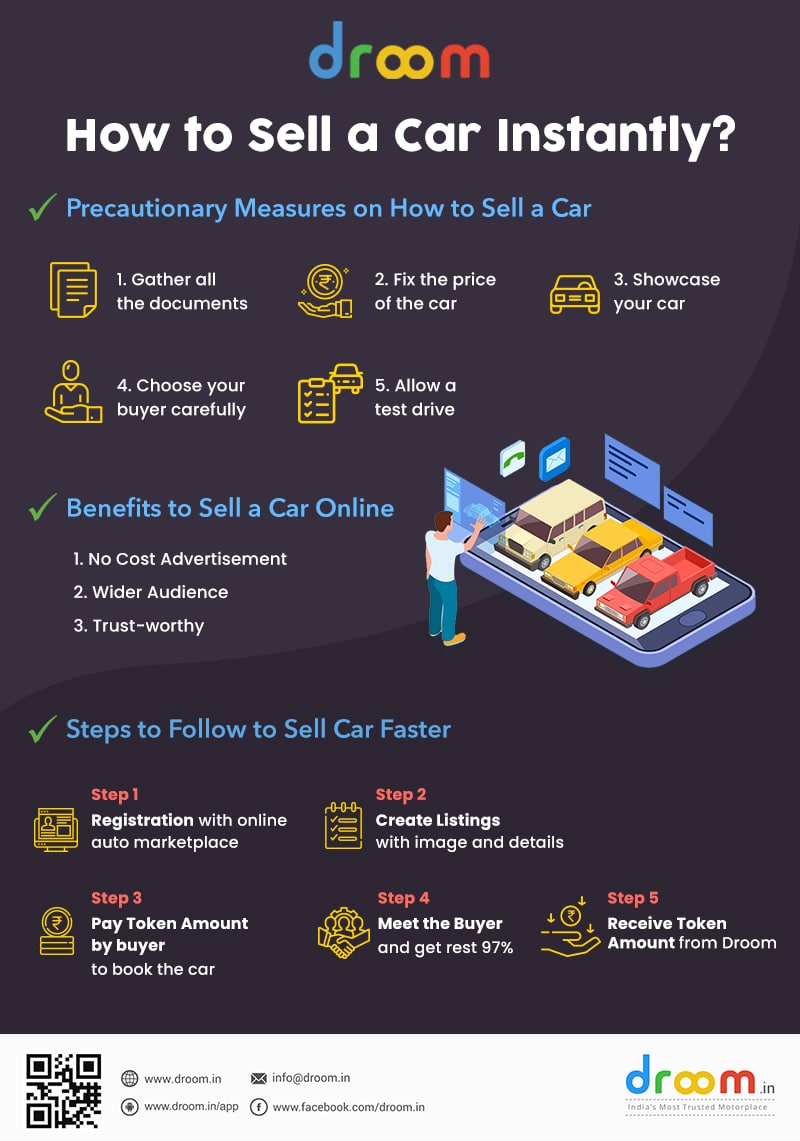
Understanding Your Vehicle’s True Market Value
The cornerstone of any fast and successful vehicle sale is an accurate understanding of its market value. Pricing too high will deter potential buyers, leading to a long wait, while pricing too low means leaving money on the table. In a fast-sale scenario, finding that sweet spot is critical to attracting immediate interest.
Leveraging Online Valuation Tools
The digital age has armed sellers with powerful tools to ascertain vehicle value with remarkable precision. Platforms like Kelley Blue Book (KBB), Edmunds, NADAguides, and AutoTrader provide instant estimates based on make, model, year, mileage, condition, and even your geographical location. These tools aggregate vast datasets of past sales, dealer inventory, and market trends, offering a robust starting point. For a quick sale, it’s often wise to look at the “trade-in value” as a floor and the “private party sale value” as a ceiling, aiming for a price point closer to the private party estimate but perhaps at the lower end of its range to create urgency. Comparing valuations across multiple platforms can help you triangulate a realistic and competitive asking price.
Assessing Condition and Impact on Price
The physical and mechanical condition of your vehicle significantly influences its market value and, crucially, its appeal for a fast sale. Be honest with yourself about dings, scratches, tire wear, interior cleanliness, and any mechanical quirks. While a pristine vehicle commands a premium, a car in “good” or “fair” condition will still sell quickly if priced correctly. Keep in mind that for a fast sale, extensive, costly repairs might not yield a proportional return on investment. Buyers looking for a quick deal are often willing to overlook minor cosmetic flaws for a good price. Documenting the vehicle’s condition transparently, ideally with a third-party inspection report, can build trust and speed up the buyer’s decision-making process.
Researching Local Market Trends
National averages are a good starting point, but local market dynamics can swing prices considerably. Factors like regional demand for specific vehicle types (e.g., SUVs in snowy climates), the prevalence of competitive dealerships, and the economic health of your area can all play a role. Scour local online marketplaces (Craigslist, Facebook Marketplace, local classifieds) and dealer websites to see what comparable vehicles are listed for and, more importantly, what they are actually selling for. Pay attention to how long similar vehicles have been listed. A car that has been sitting for weeks or months is often overpriced. Adjusting your price based on local supply and demand ensures your vehicle stands out as a compelling financial offer in your immediate vicinity.
Strategic Pricing for a Quick Sale
Once you have a solid understanding of your vehicle’s market value, the next step is to craft a pricing strategy that signals value and encourages immediate action from potential buyers. A fast sale often hinges on making your price undeniably attractive without sacrificing too much of your potential profit.
The Psychology of Pricing: Odd Numbers and Anchor Points
Pricing isn’t just about the number; it’s about perception. Instead of rounding up to a clean $10,000, consider $9,995. This subtle psychological trick makes the price appear significantly lower than it is, often anchoring the buyer’s perception in the “nine thousand” range rather than “ten thousand.” Furthermore, when advertising, if you initially list a slightly higher price (within reason) and then drop it, you can create a perception of a “deal” or a “limited-time offer,” even if the final price is what you intended all along. This strategy of using anchor points can be effective in prompting faster decisions.
Setting a Competitive Price Range
For a fast sale, it’s rarely advisable to aim for the absolute top of your vehicle’s valuation range. Instead, target the lower end of the “private party sale” estimate or slightly below average for similar vehicles in your condition. This strategy positions your vehicle as a strong contender from the outset, attracting a larger pool of serious buyers who are looking for value. Be prepared to justify your price with documentation of condition, maintenance records, and market research. A competitive price range tells buyers you’re serious about selling and have done your homework, which can expedite the negotiation phase.
Factoring in Depreciation and Urgency
Every day your vehicle sits on the market, it depreciates. This financial reality is crucial for a fast sale. If your goal is speed, you must factor in the implicit cost of depreciation versus the potential gain of holding out for a few hundred extra dollars. Sometimes, selling a car $500 below your ideal price today is financially wiser than holding onto it for another month, incurring insurance costs, potential maintenance, and further depreciation. Clearly communicating your reason for selling (e.g., “moving next week,” “new car arrived”) can also create a sense of urgency for the buyer, implicitly justifying a slightly more aggressive price.
Optimizing Your Vehicle for Maximum Return
While a quick sale often means less time for extensive preparations, smart, targeted efforts can significantly enhance your vehicle’s appeal and financial outcome without major investments. The goal is to make the car presentable and desirable enough to justify your asking price and expedite the decision-making process.
Cost-Benefit Analysis of Minor Repairs and Detailing
Before rushing to list, evaluate any minor repairs or detailing services through a financial lens. Small fixes like replacing a cracked taillight, repairing a minor dent, or a professional interior detail can dramatically improve perceived value for a relatively low cost. For example, a $100 detail could help you sell the car for $500 more. However, be wary of costly mechanical repairs that might not yield a proportional return. If the car has a major issue (e.g., transmission problems), it’s often more financially prudent to sell it “as-is” at a discounted price, fully disclosing the issues, rather than sinking thousands into repairs that you might not recoup in a fast sale. Focus on repairs that eliminate immediate red flags for buyers and enhance safety or appearance.
Gathering Essential Documentation for a Smooth Transaction
A complete dossier of your vehicle’s history instantly builds trust and signals a serious seller, significantly speeding up the transaction. This includes:
-
Title/Pink Slip: Ensure it’s clear and in your possession. If there’s a lien, have the payoff amount ready.
-
Maintenance Records: A well-documented service history demonstrates proper care and can alleviate buyer concerns about hidden issues.
-
Vehicle History Report (e.g., CarFax, AutoCheck): Many buyers will request this. Having one ready to share upfront adds transparency and saves time.
-
Owner’s Manual: A small detail that adds to the perceived completeness of the vehicle.
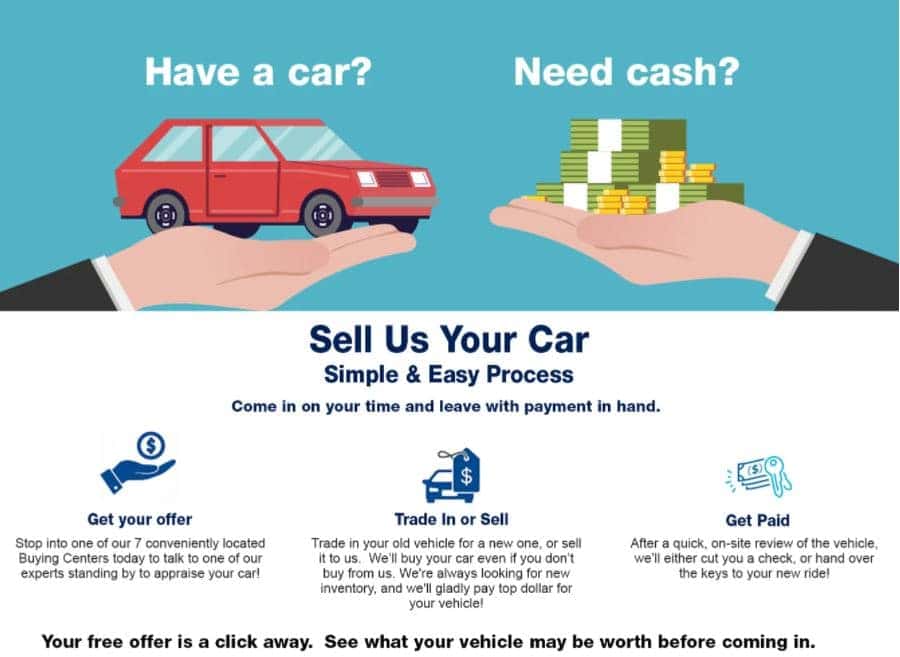
Having all these documents organized and ready can prevent delays during the negotiation and finalization stages, as buyers won’t have to wait for you to retrieve them.
Highlighting Features that Add Value
When creating your listing, focus on features that make your vehicle stand out and justify its price. This isn’t just about luxury add-ons but also practical elements. Did you recently put new tires on it? Is the air conditioning ice cold? Does it have a premium sound system, good fuel economy, or a recent safety inspection? Clearly articulating these benefits, especially those that save the buyer future expenses (like new tires), can create a compelling financial argument for your asking price and accelerate interest. Use high-quality photos that showcase these features effectively.
Navigating the Sales Process: Financial Prudence
The actual sales process, from listing to negotiation, requires a strategic approach focused on financial security and efficiency. Each step presents opportunities to either speed up or inadvertently slow down the transaction.
Choosing the Right Sales Channel (Private vs. Dealership vs. Online Platform)
The choice of sales channel significantly impacts both speed and financial return:
-
Private Sale: Generally yields the highest financial return but requires the most effort and time. This is often the best choice for maximizing profit if you have a moderate time frame.
-
Dealership Trade-in/Cash Offer: The fastest option, often completed in hours, but typically offers the lowest financial return. Ideal for extreme urgency or convenience.
-
Online Car Buying Services (e.g., Carvana, Vroom, Peddle): A hybrid option, offering a relatively quick sale with a competitive, though not always top-tier, financial offer. Less hassle than private sales, usually takes a few days.
-
Online Marketplaces (e.g., Facebook Marketplace, Craigslist, AutoTrader): A blend of private sale flexibility with broader reach. Success depends on pricing and engagement.
For a fast sale, consider online car buying services or a dealership offer as benchmarks for the minimum you could get, and then try for a private sale at a slightly higher price on online marketplaces for a few days before opting for the faster, lower-return options.
Handling Offers and Negotiation Strategies
When an offer comes in, your negotiation strategy needs to be geared towards speed and efficiency.
-
Be Prepared to Concede: For a fast sale, rigidity in negotiation is your enemy. Have a minimum acceptable price in mind, but be prepared to accept a reasonable offer that is slightly below your ideal. The cost of holding out for a few hundred dollars might outweigh the benefit in terms of insurance, depreciation, and lost time.
-
Highlight Value, Not Just Price: When countering an offer, remind the buyer of the value you’ve provided (recent maintenance, new tires, clean title, included history report). Frame your counter-offer as a fair reflection of this value.
-
Set Expectations: If you’re using urgency as a selling point (“I need to sell by Friday”), ensure your negotiation reflects that. Don’t drag out conversations.
Safeguarding Against Financial Scams
A fast sale should never compromise financial security. Be vigilant against common scams:
-
Fake Checks/Money Orders: Never accept a check for more than the asking price with a request to wire back the difference. Verify all payment methods with your bank before releasing the vehicle or title.
-
Phishing Attempts: Be cautious of requests for personal banking information or unusual payment app requests.
-
Test Drive Scams: Always accompany the buyer on test drives, or ensure their license is valid and you have a clear understanding of their identity.
-
Cash Transactions: For cash, meet at your bank to verify authenticity and deposit immediately.
Prioritize secure payment methods (bank transfers, verified cashier’s checks, cash deposited at a bank) to ensure the financial transaction is legitimate and finalized quickly.
Expediting the Transaction and Finalizing the Deal
The final hurdles of selling a vehicle involve paperwork and payment. A well-prepared seller can navigate these steps with speed and confidence, turning a handshake into a completed financial transaction.
Streamlining Paperwork and Title Transfer
Having all your ducks in a row for the paperwork is essential for a fast closing.
-
Title (Certificate of Ownership): Ensure the title is readily available, signed correctly (but not excessively), and free of any liens. If there’s a lien, have the payoff letter and release documentation prepared from your lender.
-
Bill of Sale: Prepare a comprehensive bill of sale that includes details of the buyer and seller, vehicle information (VIN, make, model, year, mileage), the agreed-upon price, and the date and time of sale. This protects both parties financially and legally. Many state DMVs offer templates.
-
Odometer Disclosure Statement: Most states require this. Ensure it’s accurately filled out.
-
Release of Liability: In many jurisdictions, you must file a “release of liability” or “notice of transfer” with the DMV to protect yourself from any incidents or parking tickets incurred by the new owner after the sale. This is a critical financial and legal protection.
Having these documents pre-filled as much as possible, ready for signatures, minimizes delays and confusion for the buyer.
Receiving Payment Securely
The method of payment is crucial for a fast and secure financial close.
-
Banker’s Check/Cashier’s Check: Ideal, but verify with the issuing bank (not just your bank) during business hours, preferably while the buyer is present. Be aware of sophisticated fakes.
-
Wire Transfer: Highly secure, but requires sharing banking details. Confirm the funds are cleared in your account before releasing the vehicle.
-
Cash: Best handled at your bank to verify authenticity and deposit immediately. Avoid large sums of cash exchanges in isolated locations.
-
Third-Party Escrow Services: While slower, they offer maximum security for larger transactions by holding funds until both parties fulfill their obligations.
-
Avoid Personal Checks or Payment Apps like PayPal/Venmo for large sums: These are generally unsecured for large, irreversible transactions and carry a higher risk of chargebacks or fraud.
Insist on payment methods that provide instant or near-instant verification and irreversibility to complete the financial transaction without lingering worries.

Post-Sale Financial Considerations (Insurance, Loan Payoff)
Even after the keys are handed over, there are a few financial loose ends to tie up.
-
Insurance: Immediately notify your insurance company of the sale to cancel coverage or adjust your policy. This prevents you from paying for unnecessary coverage and ensures you’re not liable for any incidents post-sale.
-
Loan Payoff: If you had a loan on the vehicle, ensure the lender is paid off promptly and receive a lien release. Keep documentation of the payoff.
-
Registration/Tags: Depending on your state, you may need to surrender your license plates or remove them from the vehicle. Understand the financial implications and requirements for your specific state.
By proactively addressing these post-sale financial steps, you ensure a clean break and prevent any lingering financial liabilities or costs. Selling your vehicle fast requires a blend of market intelligence, strategic pricing, efficient preparation, and financially savvy transaction management. By focusing on these key areas, you can transform a potentially lengthy process into a swift and profitable endeavor, freeing up your capital and your time for future financial goals.
aViewFromTheCave is a participant in the Amazon Services LLC Associates Program, an affiliate advertising program designed to provide a means for sites to earn advertising fees by advertising and linking to Amazon.com. Amazon, the Amazon logo, AmazonSupply, and the AmazonSupply logo are trademarks of Amazon.com, Inc. or its affiliates. As an Amazon Associate we earn affiliate commissions from qualifying purchases.