
Buying a used car is a significant financial decision that, when approached strategically, can offer tremendous value. It’s an opportunity to acquire reliable transportation without the immediate depreciation hit of a new vehicle, making it a cornerstone of responsible personal finance for many. However, the process can seem daunting, fraught with potential pitfalls for the uninitiated. This guide will demystify the journey, providing a professional, insightful, and engaging roadmap from initial budgeting to driving off in your new-to-you vehicle, all within the lens of prudent money management.
I. Laying the Financial Foundation: Budgeting and Financing
The first, and arguably most critical, step in buying a used car is to establish a clear financial framework. This isn’t just about the purchase price; it encompasses the full spectrum of ownership costs. A well-defined budget prevents overspending, mitigates financial stress, and ensures your new vehicle remains an asset, not a liability.
Determining Your True Budget
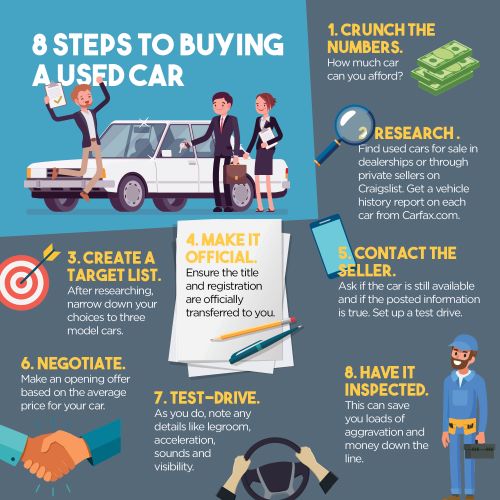
Before you even start browsing, you need to understand how much you can truly afford. This involves a realistic assessment of your income, existing expenses, and savings. Consider the “20/4/10 rule” as a guideline: put down at least 20%, finance for no more than four years, and keep your total monthly car expenses (payment, insurance, fuel, maintenance) under 10% of your gross income. While a guideline, it emphasizes a holistic view of affordability. Remember to factor in a contingency fund for unexpected repairs, which are more common with used vehicles. Your budget should be a firm ceiling, not a flexible target.
Understanding Used Car Loan Options
Unless you’re paying cash, financing will be a key component of your used car purchase. Don’t simply accept the first offer. Research various lenders, including banks, credit unions, and online lenders, before stepping foot in a dealership. Credit unions often offer highly competitive rates. Get pre-approved for a loan – this not only gives you a clear understanding of your borrowing power and interest rate but also empowers you to negotiate the car’s price as a cash buyer. Understand the difference between fixed and variable interest rates, loan terms, and any associated fees. A lower monthly payment over a longer term might seem appealing, but it significantly increases the total interest paid over the life of the loan.
The Hidden Costs of Car Ownership
Beyond the purchase price and loan payments, a car comes with a host of ongoing expenses that can quickly erode your budget if not accounted for.
-
Insurance: Premiums vary widely based on the car’s make, model, age, your driving history, and location. Get quotes for specific vehicles you’re considering before buying.
-
Fuel: Estimate your annual mileage and factor in current fuel prices. Older cars often have lower fuel efficiency.
-
Maintenance & Repairs: All cars require routine maintenance (oil changes, tire rotations). Used cars, by their nature, are more likely to need repairs. Allocate a monthly amount for this – a general rule of thumb is 1-2% of the car’s purchase price annually for maintenance.
-
Registration & Taxes: Don’t forget state-specific registration fees, property taxes, and sales tax on the purchase.
-
Depreciation: While new cars suffer the most from depreciation, used cars continue to lose value, albeit at a slower rate. This is an “opportunity cost” to consider for future resale value.
II. The Hunt Begins: Research and Selection
With your financial blueprint in hand, you’re ready to dive into the market. This phase is about intelligent research, matching your needs with available options, and leveraging information to make an informed choice.
Identifying Your Needs vs. Wants
Before you get swayed by flashy features, make a list of your non-negotiable needs. Do you require ample cargo space, specific safety features, good fuel economy for a long commute, or all-wheel drive for challenging weather? Distinguish these from “wants” like premium sound systems or leather seats. Prioritizing needs helps narrow down your search and prevents emotional impulse buying that doesn’t align with your practical requirements or budget. Consider your lifestyle: Are you commuting solo, ferrying a family, or needing a vehicle for weekend adventures?
Where to Search for Used Cars (Dealerships, Private Sellers, Online Platforms)
The used car market is vast and varied, with several primary avenues for purchase, each offering distinct advantages and disadvantages:
-
Dealerships (New and Used Car Lots): Offer convenience, often have certified pre-owned (CPO) options with warranties, and handle paperwork. However, prices are typically higher due to overhead and profit margins. CPO vehicles undergo multi-point inspections and come with factory-backed warranties, offering peace of mind but at a premium.
-
Private Sellers: Often provide the best prices as there’s no middleman. Negotiation can be more flexible. The downside is the lack of warranties, and you bear the full responsibility for checking the car’s condition and history. Scams can also be a risk.
-
Online Platforms (e.g., CarGurus, Autotrader, Craigslist, Facebook Marketplace): These aggregators allow you to browse a vast inventory from both dealers and private sellers, often with robust search filters. They are excellent for market research and initial screening but require vigilance, especially when dealing with private parties.
Essential Research: Vehicle History Reports and Reliability Ratings
Once you’ve identified potential candidates, deep dive into their individual histories and general reliability.
-
Vehicle History Reports (VHRs): Services like Carfax and AutoCheck are indispensable. They can reveal accidents, flood damage, salvage titles, odometer rollbacks, service records, and ownership history. Never buy a used car without reviewing its VHR. While not foolproof, they provide critical insights into a car’s past.
-
Reliability Ratings: Consult reputable sources like Consumer Reports, J.D. Power, and Kelley Blue Book (KBB) for reliability ratings and common issues for specific makes and models. These resources can highlight known mechanical problems, owner satisfaction levels, and average maintenance costs. Understanding a model’s typical lifespan and potential problem areas can save you significant money down the line.
III. Inspecting and Test Driving: The Crucial Steps
Research can only take you so far. The physical inspection and test drive are paramount to assessing a car’s current condition and ensuring it meets your expectations. This is where you move from theory to tangible reality.
The Importance of a Pre-Purchase Inspection (PPI)
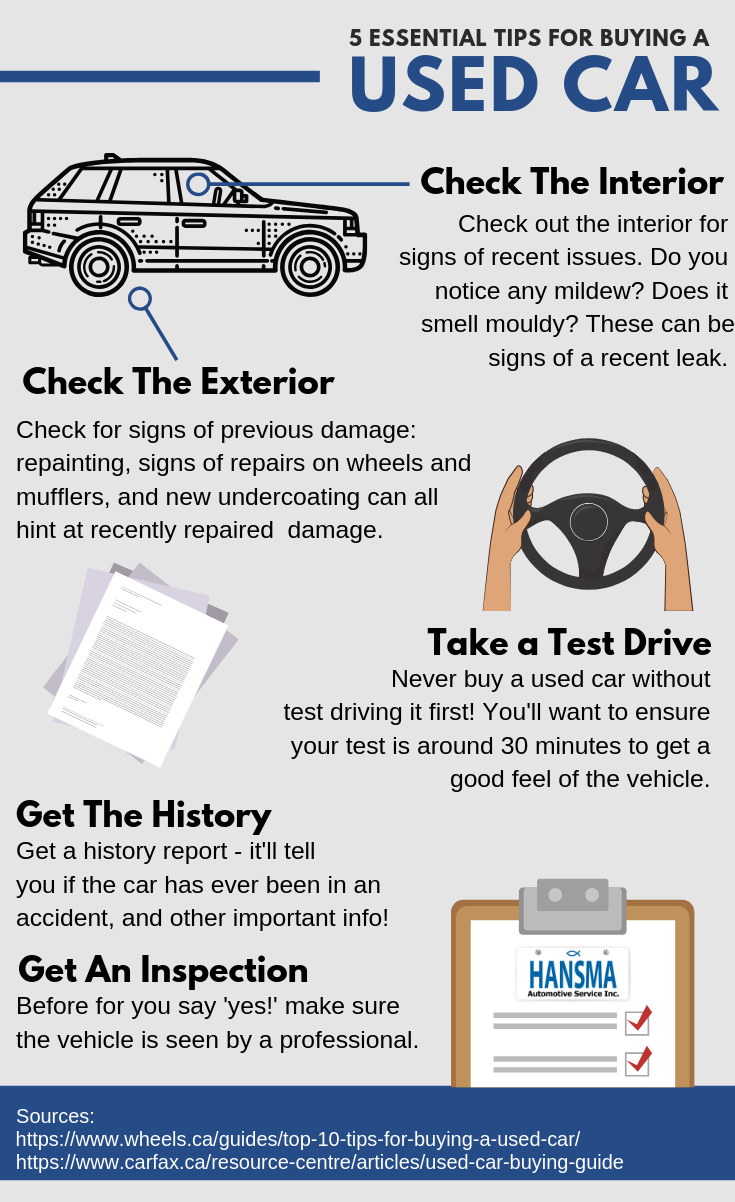
This is a non-negotiable step for any used car purchase, especially from a private seller. Arrange for an independent, certified mechanic to inspect the vehicle thoroughly. This should be a mechanic of your choosing, not one recommended by the seller. A PPI can uncover existing mechanical issues, impending repairs, safety concerns, and even evidence of undisclosed accidents that might not appear on a VHR. It typically costs $100-$200 but can save you thousands in unexpected repair bills. If a seller refuses a PPI, walk away – it’s a major red flag.
Maximizing Your Test Drive
A test drive isn’t just a quick spin around the block; it’s a critical evaluation. Drive the car in various conditions: city streets, highways, over bumps, and during turns.
-
Listen: Pay attention to unusual noises – clunks, squeaks, grinding, whines.
-
Feel: How does the steering feel? Is it loose or tight? Do the brakes feel spongy or grabby? How does the transmission shift? Smoothly or with jerks?
-
Observe: Check all lights, gauges, air conditioning, heater, power windows, and sound system. Ensure the car tracks straight and doesn’t pull to one side.
-
Park: Practice parallel parking and backing up to test visibility and maneuverability.
-
Take Your Time: Don’t rush. Drive for at least 20-30 minutes. If possible, bring a trusted friend or family member for a second opinion.
What to Look For: Red Flags and Green Lights
During your inspection and test drive, keep an eye out for tell-tale signs:
-
Red Flags: Rust on the body or frame, mismatched paint panels (suggesting prior bodywork), fluid leaks under the car, dashboard warning lights illuminated, excessive smoke from the exhaust, uneven tire wear, a strong musty smell inside (indicating water damage), or a “check engine” light.
-
Green Lights: A clean interior and exterior (indicates care), a well-maintained service history (if available), new tires or brakes, all features working correctly, and a confident, transparent seller.
IV. Negotiation and Closing the Deal
Once you’ve found the right car and are confident in its condition, it’s time to negotiate the price. This phase requires research, patience, and a bit of strategy to ensure you get the best possible deal.
Researching Fair Market Value
Before making an offer, arm yourself with data. Use resources like KBB, Edmunds, and NADAguides to determine the fair market value of the specific car you’re interested in, considering its year, make, model, trim, mileage, and condition. These tools provide a range, and knowing the low and high ends empowers you in negotiations. Factor in any issues identified during the PPI; these can be used to justify a lower offer.
Strategies for Effective Negotiation
-
Be Prepared to Walk Away: This is your strongest leverage. If you can’t reach a price you’re comfortable with, be ready to move on. There will always be other cars.
-
Start Low, but Be Realistic: Make a reasonable offer below the asking price, based on your research. Don’t insult the seller with an absurdly low offer, but leave room for counter-offers.
-
Focus on the Out-the-Door Price (OTD): When dealing with dealerships, they might try to shift focus to monthly payments. Always negotiate the total OTD price, which includes taxes, fees, and the car’s price.
-
Highlight PPI Findings: If the mechanic found issues, use them to justify a lower price or request that the seller address them before purchase.
-
Stay Calm and Objective: Emotions can lead to poor financial decisions. Stick to your budget and research.
-
Don’t Rush: Take your time, think through counter-offers, and don’t feel pressured into an immediate decision.
Understanding the Paperwork and Title Transfer
Once you’ve agreed on a price, carefully review all paperwork before signing anything.
-
Bill of Sale: Ensure it accurately reflects the agreed-upon price, vehicle identification number (VIN), mileage, and details of both parties.
-
Title (Certificate of Ownership): This is the most crucial document. Ensure the seller is the legal owner and that the title is clear (no liens). In most states, the seller must sign the title over to you.
-
Odometer Disclosure Statement: Required by law to verify the mileage.
-
Lemon Law Disclosure (if applicable): Some states have “lemon laws” for used cars.
-
Registration and Plates: Understand the process for registering the car in your name and obtaining license plates. Dealerships usually handle this; private sales require you to visit the DMV.
V. Post-Purchase Considerations: Protecting Your Investment
Your financial responsibility doesn’t end when you drive the car home. Proactive measures after the purchase will protect your investment and ensure long-term value.
Warranties and Extended Service Plans
-
Implied Warranties: Some states offer implied warranties (e.g., “warranty of merchantability”) even for used cars, meaning it’s fit for its ordinary purpose.
-
Dealership Warranties: Many dealerships offer their own warranties, especially on CPO vehicles. Understand the coverage, deductible, and duration.
-
Extended Service Plans (ESPs) / Extended Warranties: These are separate contracts that cover certain repairs after the original warranty expires. While they can provide peace of mind, they are often expensive and may not cover everything. Carefully read the fine print, compare costs, and assess if the coverage truly justifies the expense based on the car’s reliability and your risk tolerance. For a highly reliable car, an ESP might be unnecessary.
Insurance Implications
Update your auto insurance policy immediately after purchasing the car. You’ll need proof of insurance to register the vehicle. Compare rates from multiple providers, as coverage costs can vary significantly for different used car models, even if they’re similar in price. Understand comprehensive, collision, liability, and uninsured motorist coverages. Your financial institution (if you financed) will likely require certain coverage levels.

Routine Maintenance for Longevity
To maximize the lifespan and resale value of your used car, adhere to a strict maintenance schedule. Consult the owner’s manual for recommended service intervals. Regular oil changes, tire rotations, fluid checks, and timely attention to minor issues prevent them from becoming costly major repairs. Keep detailed records of all maintenance and repairs – this will be invaluable if you ever decide to sell the car.
Buying a used car is a journey that requires diligence, research, and a disciplined financial approach. By understanding your budget, thoroughly researching vehicles, meticulously inspecting and test driving, negotiating effectively, and diligently maintaining your purchase, you can navigate the process confidently. A smart used car purchase is not just about getting from point A to point B; it’s about making a financially sound decision that serves your needs for years to come.
aViewFromTheCave is a participant in the Amazon Services LLC Associates Program, an affiliate advertising program designed to provide a means for sites to earn advertising fees by advertising and linking to Amazon.com. Amazon, the Amazon logo, AmazonSupply, and the AmazonSupply logo are trademarks of Amazon.com, Inc. or its affiliates. As an Amazon Associate we earn affiliate commissions from qualifying purchases.