
The quest for a “good” 6-month premium for car insurance is a universal one among drivers. In a financial landscape where every dollar counts, optimizing essential expenses like insurance can significantly impact one’s personal budget. However, defining “good” is far from straightforward. It’s not merely about finding the lowest number; rather, it’s about striking a balance between adequate financial protection, reliable service, and a price that fits your financial circumstances. This comprehensive guide will delve into the intricacies of car insurance premiums, explore the myriad factors that influence them, and equip you with the knowledge to make an informed, financially savvy decision.
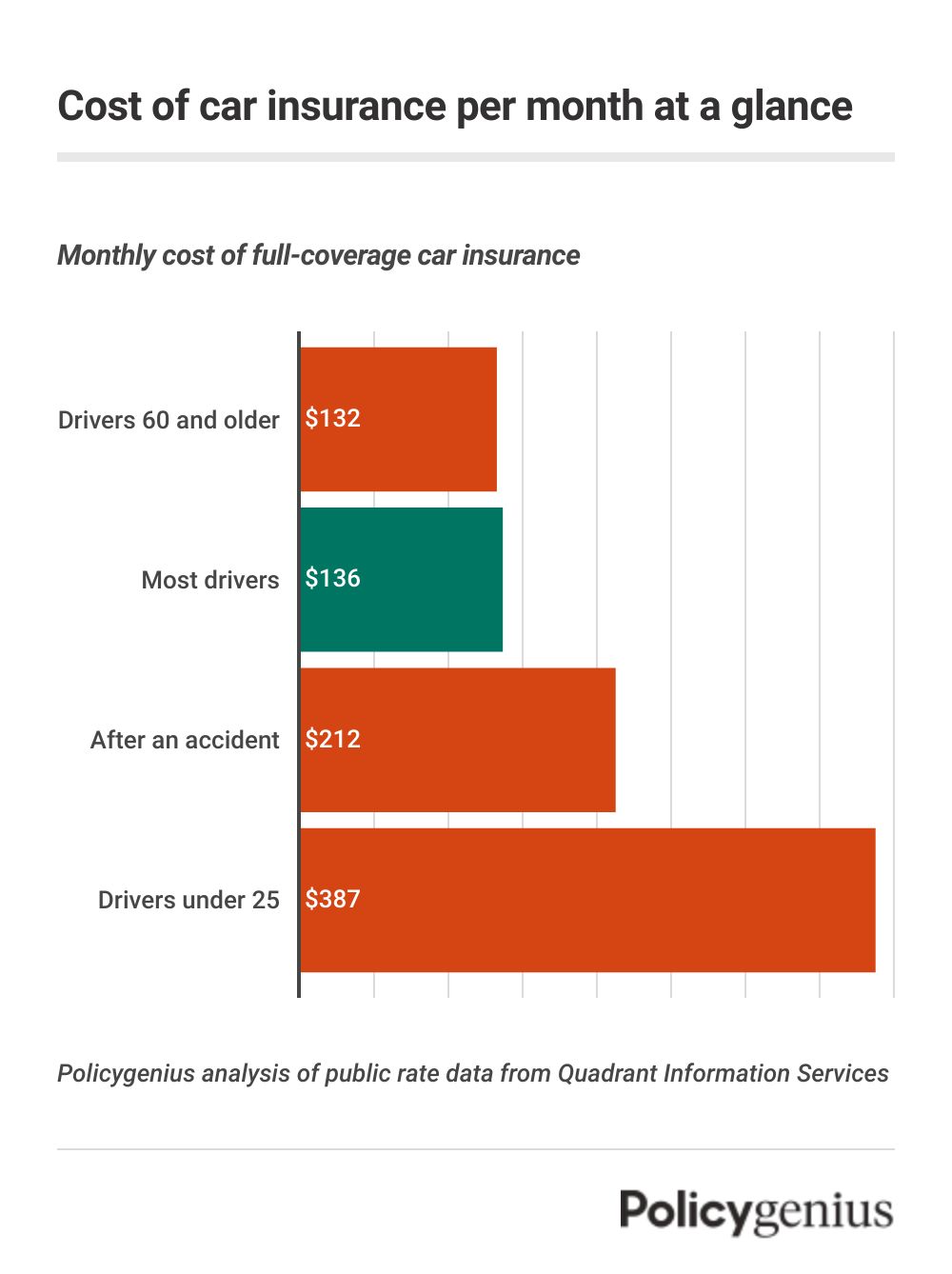
Understanding Car Insurance Premiums: More Than Just a Number
At its core, a car insurance premium is the amount of money you pay an insurance company for coverage. For many drivers, these policies are structured around 6-month terms, requiring a renewal or a new policy every half-year. This periodicity offers both flexibility and frequent opportunities to reassess your coverage and potentially secure better rates.
What Constitutes a Premium?
An insurance premium isn’t arbitrarily determined. It’s the result of complex actuarial calculations designed to assess risk. Insurers analyze a vast array of data points to predict the likelihood of you filing a claim and the potential cost of that claim. This risk assessment directly translates into the premium you are quoted. Higher perceived risk often means a higher premium, as the insurer is taking on a greater potential financial liability. This includes the expected costs for liability, collision, comprehensive, and other specific coverages you select, minus any deductibles you agree to pay out-of-pocket before the insurance kicks in.
Why 6-Month Policies are Common
The 6-month policy term is a prevalent model in the car insurance industry, offering several advantages over annual or month-to-month plans. For consumers, it provides a regular opportunity to shop around and compare rates without being locked into a long-term contract, which is particularly beneficial as personal circumstances or market conditions change. It also allows insurers to re-evaluate their risk assessment for you more frequently, ensuring premiums remain aligned with your current profile. This can be a double-edged sword, as it means rates can adjust upwards more frequently, but also downwards if your risk profile improves. From a financial planning perspective, knowing you’ll have a premium review every six months encourages proactive financial management and budgeting for potential changes.
The Dynamic Nature of Insurance Costs
Car insurance premiums are not static. They are influenced by a constantly shifting landscape of factors, from individual driving habits and vehicle technology to broader economic conditions and regional accident rates. A premium that was considered “good” six months ago might not be the most competitive or appropriate today. Inflation, increasing repair costs, rising healthcare expenses, and even the prevalence of distracted driving can all contribute to upward pressure on premiums across the board. Understanding this dynamic nature is crucial for anyone trying to secure and maintain a financially sound insurance plan.
Key Factors Influencing Your 6-Month Car Insurance Premium
To truly grasp what constitutes a “good” premium, you must first understand the multitude of variables that insurance companies consider when calculating your rate. These factors can vary significantly from one individual and one policy to another.
Personal Profile & Driving History
Your personal details and how you’ve handled yourself on the road are paramount.
-
Age and Gender: Younger, less experienced drivers typically face higher premiums due to a statistically higher risk of accidents. While some states have restricted gender as a rating factor, where permitted, it can influence rates.
-
Marital Status: Married individuals often receive lower rates, as statistics suggest they are less likely to file claims.
-
Credit Score: In most states, your credit-based insurance score (a variation of your credit score) plays a significant role. Individuals with higher scores are often seen as more financially responsible and, statistically, less likely to file claims, leading to lower premiums.
-
Driving Record: This is perhaps the most obvious factor. Accidents, speeding tickets, and other moving violations will almost certainly increase your premium. Conversely, a clean driving record often earns significant discounts.
-
Location: Where you live and park your car influences your premium due to varying rates of theft, vandalism, and accidents in different zip codes. Urban areas typically have higher rates than rural ones.
-
Occupation: Certain professions are considered lower risk and may qualify for discounts.
Vehicle Characteristics
The car you drive is another major determinant of your premium.
-
Make, Model, Year: Luxury vehicles, sports cars, and newer models generally cost more to insure due to higher repair costs and greater appeal to thieves.
-
Safety Features: Vehicles equipped with advanced safety features (e.g., anti-lock brakes, airbags, adaptive cruise control) may qualify for discounts, as they reduce the likelihood or severity of accidents.
-
Theft Rates: Cars that are frequently stolen are more expensive to insure under comprehensive coverage.
-
Engine Size & Horsepower: More powerful engines can correlate with higher speeds and thus higher accident risk.
Coverage Choices & Deductibles
The type and amount of coverage you select have a direct impact on your premium.
-
Liability Coverage: Required by most states, this covers damages to others and their property. Higher limits offer greater financial protection but increase your premium.
-
Collision Coverage: Pays for damage to your own vehicle in an accident, regardless of fault.
-
Comprehensive Coverage: Covers damage to your car from non-collision incidents like theft, vandalism, fire, or natural disasters.
-
Uninsured/Underinsured Motorist Coverage: Protects you if you’re hit by a driver without adequate insurance.
-
Medical Payments/Personal Injury Protection (PIP): Covers medical expenses for you and your passengers.
-
Deductibles: This is the amount you pay out-of-pocket before your insurance kicks in. Choosing a higher deductible typically lowers your premium, but means you’ll pay more upfront if you file a claim.
Insurer-Specific Factors
Each insurance company has its own underwriting models, risk assessments, and operational costs, which lead to variations in pricing. Some insurers might specialize in certain demographics, offering more competitive rates to, for example, safe drivers over a certain age. Their administrative efficiency, marketing costs, and even their financial reserves can subtly influence the premiums they offer to maintain profitability and competitiveness. This highlights the importance of shopping around, as a “good” premium can vary significantly from one provider to another for the exact same coverage.
Strategies for Finding a “Good” 6-Month Premium
Armed with an understanding of how premiums are calculated, the next step is to actively seek out a premium that aligns with your financial goals and protection needs.

Define “Good” for Your Needs
Before comparing quotes, define what “good” means to you. Is it the absolute lowest cost, even if it means minimal coverage? Or is it a balance of comprehensive protection with a manageable premium? A financially prudent approach often leans towards adequate coverage at a competitive price. Consider your driving habits, the value of your vehicle, your financial ability to cover potential out-of-pocket expenses (like deductibles), and your overall risk tolerance. For instance, if you have an older car with low market value, you might decide to drop collision and comprehensive coverage, significantly lowering your premium, provided you are financially prepared to replace the car yourself. Conversely, if you rely heavily on your car for work, robust coverage might be a non-negotiable expense.
Shop Around Aggressively
This is arguably the most critical step. Never settle for the first quote you receive. Insurance rates can vary by hundreds of dollars for the same coverage from different providers. Obtain quotes from at least three to five different insurance companies, including large national carriers, smaller regional insurers, and online-only providers. Use online comparison tools, but also consider speaking with independent insurance agents who can provide quotes from multiple companies. Make sure you are comparing identical coverage limits, deductibles, and policy features to ensure an accurate comparison. Re-evaluate your options at every 6-month renewal.
Leverage Discounts
Insurance companies offer a wide array of discounts that can significantly reduce your premium. Proactively inquire about every discount you might qualify for:
-
Multi-Policy/Bundling Discount: Combining car insurance with home, renters, or life insurance from the same provider.
-
Good Driver/Safe Driver Discount: For maintaining a clean driving record over a specified period.
-
Defensive Driving Course Discount: Completing an approved defensive driving course.
-
Vehicle Safety Features Discount: For cars with anti-lock brakes, airbags, anti-theft devices.
-
Low Mileage Discount: If you drive fewer miles than average.
-
Good Student Discount: For young drivers who maintain a certain GPA.
-
Professional/Affinity Group Discount: For members of specific organizations or professions.
-
Pay-in-Full Discount: Paying your entire 6-month premium upfront instead of monthly installments.
-
Automatic Payment/Paperless Billing Discount: Enrolling in automated payments or receiving electronic documents.
Optimize Your Policy
Beyond shopping for quotes, actively manage your policy to find savings.
-
Adjusting Deductibles: If you have an emergency fund capable of covering a higher deductible ($1,000 instead of $500), increasing it can substantially lower your premium. This is a common financial strategy for reducing insurance costs across various types of policies.
-
Re-evaluating Coverage Needs: As your car ages, its market value depreciates. You might consider dropping collision and comprehensive coverage on older vehicles if the annual premium for these coverages exceeds 10% of the car’s value, or if you can comfortably afford to replace the vehicle out-of-pocket. Similarly, if your financial situation has changed, you might reconsider higher liability limits.
-
Reviewing Covered Drivers: Ensure only necessary drivers are listed on your policy. Removing infrequent or high-risk drivers (if they truly don’t drive your vehicle) can reduce rates.
Maintaining a Favorable Premium Over Time
Securing a “good” premium is not a one-time event. It requires ongoing vigilance and proactive management to ensure you continue to receive the best value for your money.
Regular Policy Reviews
Don’t wait until your renewal notice arrives to think about your insurance. Conduct a brief review of your policy and your circumstances at least once a year, or ideally, every 6 months. Key life events – buying a new car, getting married, moving to a new area, improving your credit score, or having a child turn driving age – can all impact your rates and necessitate policy adjustments. These are prime opportunities to seek new quotes and ensure your coverage still aligns with your needs.
Improve Your Driving Record & Credit Score
These are long-term financial strategies that pay dividends in the form of lower insurance premiums. Driving safely and avoiding accidents or tickets is the most direct way to keep your rates down. Similarly, maintaining a good credit score (by paying bills on time, keeping credit utilization low, and not opening too many new accounts) will contribute to a better insurance score, which many insurers use in their pricing models. These financial habits reflect overall responsibility and are rewarded by the insurance industry.
Consider Usage-Based Insurance (UBI)
Many insurers now offer telematics programs (also known as usage-based insurance or UBI) that monitor your driving habits (e.g., mileage, speed, braking, time of day) via a device plugged into your car or a smartphone app. Safe drivers can often earn significant discounts through these programs. If you’re confident in your safe driving habits, enrolling in a UBI program can be an excellent financial tool to prove your low-risk profile and secure a lower premium.
Understand Renewal Increases and How to Address Them
It’s common for premiums to increase at renewal, even if you haven’t had any accidents. Market-wide factors, inflation, or subtle shifts in your insurer’s risk assessment models can all play a role. Don’t simply accept the new rate. Use it as a trigger to shop around again. Presenting a lower quote from a competitor can sometimes prompt your current insurer to match or beat it, especially if you’ve been a loyal customer with a good payment history. If they cannot or will not, be prepared to switch providers.
The Financial Wisdom Behind Smart Car Insurance Choices
Ultimately, finding a “good” 6-month premium is an exercise in shrewd personal finance management. It involves more than just minimizing an expense; it’s about optimizing a crucial financial safety net.
Insurance as a Financial Safety Net
Car insurance isn’t just a legal requirement; it’s a critical component of your financial protection strategy. In the event of an accident, theft, or other covered peril, it shields you from potentially catastrophic financial losses that could derail your savings, investments, or even lead to bankruptcy. A “good” premium secures this protection at a cost you can comfortably afford, preventing you from being underinsured and exposed to significant financial risk.
Budgeting for Insurance
Integrating car insurance premiums into your regular financial budget is essential. Whether you pay monthly or for the full 6-month term, having a clear understanding of this fixed cost allows you to plan your finances effectively. Consider setting aside funds monthly if you opt for the pay-in-full discount, as this can lead to additional savings over time. Consistent budgeting ensures you’re never caught off guard by renewal costs and can proactively explore better options.

The Cost of Being Underinsured
While seeking a low premium is wise, being underinsured carries significant financial risks. If your liability limits are too low, you could be personally sued for damages exceeding your coverage after a serious accident, potentially losing assets. Similarly, if you forego adequate collision and comprehensive coverage to save money, you’ll be on the hook for all repair or replacement costs if your vehicle is damaged or stolen. A “good” premium strikes the balance, providing robust protection without becoming an undue financial burden.
In conclusion, a “good” 6-month premium for car insurance is a personalized financial metric. It’s the sweet spot where comprehensive coverage meets an affordable price, tailored to your individual risk profile, vehicle, and financial capacity. By diligently shopping around, leveraging discounts, understanding policy nuances, and managing your financial and driving behaviors, you empower yourself to make intelligent decisions that safeguard both your vehicle and your financial well-being.
aViewFromTheCave is a participant in the Amazon Services LLC Associates Program, an affiliate advertising program designed to provide a means for sites to earn advertising fees by advertising and linking to Amazon.com. Amazon, the Amazon logo, AmazonSupply, and the AmazonSupply logo are trademarks of Amazon.com, Inc. or its affiliates. As an Amazon Associate we earn affiliate commissions from qualifying purchases.