
The question “how much do you pay for auto insurance?” is deceptively simple, often eliciting a wide range of responses that can leave individuals confused and wondering if they’re paying too much or too little. In reality, there is no single, universal answer. Auto insurance premiums are a highly individualized financial product, meticulously calculated by insurers based on a complex interplay of factors unique to each driver, vehicle, and geographic location. Understanding these variables is not just an academic exercise; it’s a critical step in managing a significant household expense and ensuring you have adequate financial protection on the road.
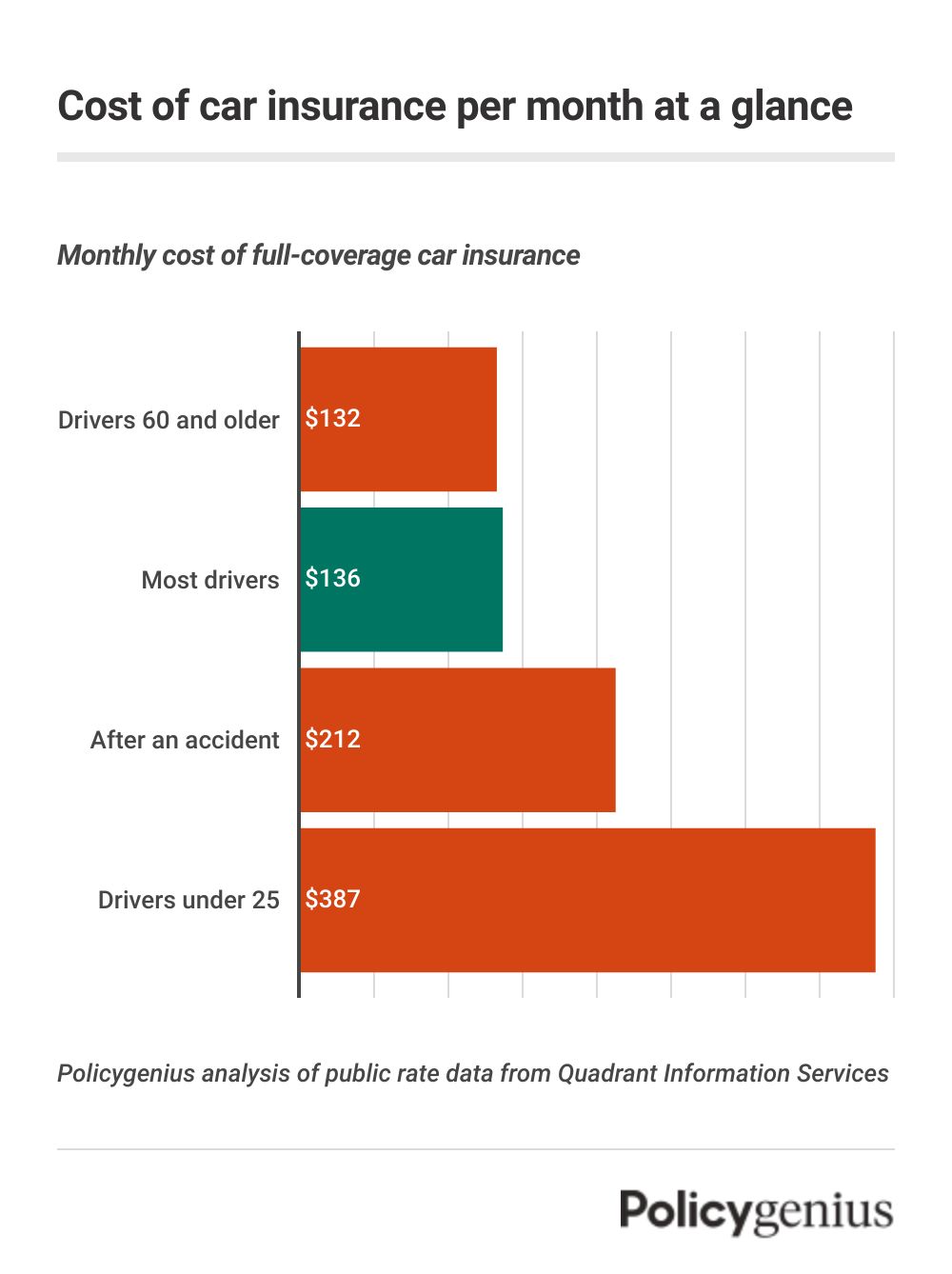
For many, auto insurance represents a substantial recurring cost, a mandatory financial safeguard against the unpredictable nature of driving. From fender benders to major accidents, the potential financial liabilities can be staggering, making comprehensive coverage an absolute necessity. However, the cost of this peace of mind can fluctuate dramatically. This article delves into the intricate world of auto insurance pricing, breaking down the myriad elements that contribute to your premium and, more importantly, equipping you with the knowledge to potentially reduce your financial outlay without compromising essential protection.
Understanding the Variability of Auto Insurance Costs
The notion that auto insurance premiums are uniform is a common misconception. In truth, the price you pay is a dynamic figure, a reflection of the perceived risk you present to an insurance company. Each insurer employs sophisticated algorithms, drawing on vast datasets and actuarial science, to assess this risk. They are in the business of predicting the likelihood of you filing a claim and the potential cost of that claim. The higher the perceived risk, the higher your premium will be.
The Myth of a Single Price
If you were to ask ten different friends what they pay for auto insurance, you’d likely get ten different answers, even if they live in the same city. This isn’t due to random pricing; it’s because each individual’s circumstances create a unique risk profile. Everything from your age to the type of car you drive to your past driving habits contributes to this profile. This individualized assessment means that a price quote isn’t just a number; it’s a highly personalized financial projection.
Key Factors Influencing Your Premium
The primary categories of factors influencing your premium can broadly be split into three groups: driver-related characteristics, vehicle-related characteristics, and policy-related choices. These elements combine to form a comprehensive picture that an insurer uses to determine your annual or semi-annual payment. Understanding these categories is the first step towards demystifying your auto insurance bill and identifying potential areas for savings.
Dissecting the Driver-Related Factors
Your personal profile as a driver is arguably the most significant determinant of your auto insurance costs. Insurers are keen to understand your driving history, habits, and even your financial responsibility, as these elements provide strong indicators of future claim likelihood.
Your Driving Record: The Ultimate Scorecard
This is perhaps the most obvious and impactful factor. A clean driving record—devoid of accidents, speeding tickets, or other moving violations—signals a low-risk driver. Conversely, a history of accidents, especially those where you were at fault, or multiple traffic violations, will almost certainly lead to higher premiums. Insurers view these incidents as strong predictors of future claims. The recency and severity of these incidents also play a significant role; a minor speeding ticket from five years ago will have less impact than an at-fault accident last month.
Age and Experience: A Predictable Curve
Age is a crucial demographic factor. Statistically, young, inexperienced drivers (typically under 25) pose a higher risk due to a lack of driving experience and a tendency towards riskier behavior. As a result, they face some of the highest premiums. Rates generally decrease as drivers mature and gain more experience, typically leveling off in their 30s through 60s. After a certain age (often 70+), rates might begin to creep up again due to increased accident risk associated with age-related physical changes.
Geographic Location: Urban vs. Rural Risks
Where you live can profoundly affect your insurance costs. Urban areas, with their higher traffic density, increased risk of accidents, theft, and vandalism, typically incur higher premiums than rural or suburban areas. Even within the same city, premiums can vary significantly by ZIP code, reflecting local crime rates, accident statistics, and even the prevalence of uninsured motorists. Insurers analyze these hyper-local risks to fine-tune their pricing.
Credit Score: An Unexpected Predictor
In many states, your credit score, or more accurately, your credit-based insurance score, is a significant factor in determining your auto insurance premiums. Insurers use these scores as a proxy for financial responsibility, finding a statistical correlation between higher credit scores and a lower likelihood of filing claims. While controversial, this practice is widespread. A strong credit history can lead to substantial savings, highlighting the broader financial interconnectedness of personal finance.
Gender and Marital Status: Fading but Present Influences
Historically, and to some extent still today, gender and marital status could play a role. Young men, statistically, have been associated with higher accident rates than young women, leading to higher premiums for male drivers in certain age brackets. Similarly, married individuals often receive lower rates than single individuals, as they are statistically perceived as more stable and less prone to risky driving behaviors. However, the influence of these factors is diminishing, with some states outright banning gender as a rating factor.
Vehicle-Related Elements and Their Impact
Beyond the driver, the vehicle itself contributes substantially to the overall insurance cost. The type of car you drive can influence everything from the likelihood of theft to the expense of repairs after an accident.
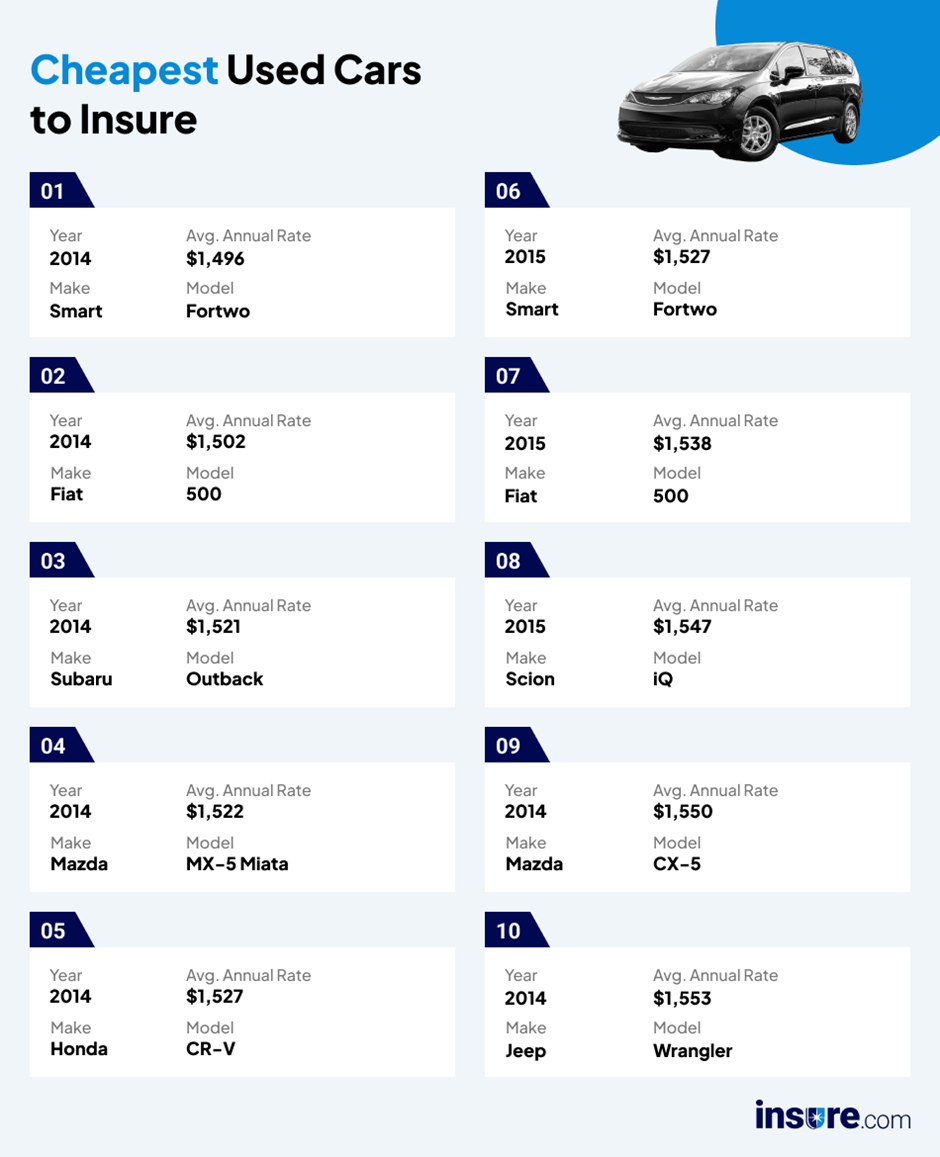
Make, Model, and Year: From Sedan to Sports Car
The specific vehicle you insure is a major rating factor. Insurers consider several aspects:
-
Repair Costs: Cars with expensive parts or specialized repair requirements will cost more to insure. Luxury vehicles, high-performance cars, and vehicles with advanced technology often fall into this category.
-
Theft Rates: Models that are frequently stolen or are high targets for parts theft will carry higher comprehensive coverage premiums.
-
Safety Ratings: Vehicles with higher safety ratings (from organizations like the IIHS or NHTSA) may qualify for discounts, as they are less likely to result in severe injuries or fatalities in an accident, potentially reducing medical and liability payouts.
-
Engine Size/Horsepower: Faster, more powerful cars are statistically associated with higher accident rates and thus higher premiums.
Safety Features and Anti-Theft Devices: A Discount Opportunity
Modern vehicles equipped with advanced safety features like anti-lock brakes (ABS), electronic stability control, multiple airbags, adaptive cruise control, lane departure warnings, and automatic emergency braking systems can often qualify for discounts. Similarly, anti-theft devices such as car alarms, immobilizers, and GPS tracking systems can reduce comprehensive premiums, as they deter theft and improve recovery rates. Investing in these features can offer a tangible return in insurance savings.
Vehicle Usage: Commute vs. Leisure
How much you drive and for what purpose also matters. A vehicle used for a long daily commute typically incurs higher premiums than one driven only for leisure or short errands, simply because more time on the road increases exposure to risk. Some insurers offer discounts for low-mileage drivers or usage-based insurance programs (telematics) that monitor driving habits and mileage in real-time.
Coverage Choices and Deductibles: Tailoring Your Protection
Beyond personal and vehicle factors, the most direct control you have over your premium lies in the types and amounts of coverage you choose. This is where personal financial planning intersects directly with your insurance policy.
Types of Coverage: Beyond the Basics
Auto insurance policies are composed of various coverage types, each addressing a specific financial risk:
-
Liability Coverage: Mandatory in most states, this pays for damages (bodily injury and property damage) you cause to others in an at-fault accident. Higher limits provide greater financial protection but increase premiums.
-
Collision Coverage: Pays for damage to your own vehicle resulting from a collision with another object or vehicle, regardless of fault.
-
Comprehensive Coverage: Covers damage to your vehicle from non-collision events, such as theft, vandalism, fire, hail, or hitting an animal.
-
Personal Injury Protection (PIP) / Medical Payments (MedPay): Covers medical expenses for you and your passengers after an accident, regardless of fault. PIP may also cover lost wages and essential services.
-
Uninsured/Underinsured Motorist (UM/UIM) Coverage: Protects you if you’re hit by a driver who has no insurance or insufficient insurance to cover your damages.
Each addition of coverage naturally increases your overall premium. It’s crucial to balance the desire for comprehensive protection with your budget.
Deductibles: The Out-of-Pocket Variable
A deductible is the amount you agree to pay out-of-pocket before your insurance coverage kicks in for a claim (typically for collision and comprehensive coverage). Choosing a higher deductible (e.g., $1,000 instead of $500) will generally lower your premium, as you are taking on more of the initial financial risk. This is a common strategy for drivers who have sufficient emergency savings to cover a higher deductible if an incident occurs.
Policy Limits: How Much Protection Do You Need?
Policy limits define the maximum amount an insurer will pay for a covered loss. For liability, these are often expressed as a series of numbers (e.g., 100/300/50), representing bodily injury per person, bodily injury per accident, and property damage. While minimum liability limits are set by state law, they are often insufficient to cover serious accidents. Opting for higher limits provides greater financial security but comes at an increased cost. It’s a critical decision that reflects your personal risk tolerance and financial assets.
Add-Ons and Endorsements: Customizing Your Policy
Beyond the core coverages, insurers offer various endorsements or add-ons that can customize your policy. These might include roadside assistance, rental car reimbursement, new car replacement, gap insurance, or even custom parts and equipment coverage. While these add convenience and extra protection, each one will incrementally increase your overall premium.
Strategies for Reducing Your Auto Insurance Costs
Given the numerous factors influencing your premiums, it’s clear that drivers are not entirely at the mercy of insurance companies. There are proactive steps you can take to manage and potentially reduce your auto insurance expenses.
Shop Around Regularly: The Power of Comparison
This is arguably the most effective strategy. Insurance rates vary significantly between providers for the exact same coverage. It’s recommended to obtain quotes from at least 3-5 different companies every 6-12 months, or whenever your policy is up for renewal, or after any significant life event (marriage, moving, buying a new car). Online comparison tools have made this process much simpler. Loyalty can sometimes be rewarded, but often, new customer discounts or simply the differing risk assessment models of various insurers can lead to substantial savings by switching.
Leverage Discounts: Don’t Leave Money on the Table
Insurance companies offer a wide array of discounts, and it’s your responsibility to ensure you’re getting all that you qualify for. Common discounts include:
-
Bundling Discount: Combining auto and home/renters insurance with the same provider.
-
Multi-Car Discount: Insuring more than one vehicle on the same policy.
-
Good Student Discount: For young drivers with strong academic records.
-
Defensive Driving Course Discount: Completing an approved safety course.
-
Low Mileage Discount: For drivers who don’t drive much annually.
-
Telematics/Usage-Based Insurance: Programs that monitor your driving habits (speed, braking, mileage) via an app or device, often leading to discounts for safe drivers.
-
Anti-Theft Device/Safety Feature Discount: As discussed earlier.
-
Paying in Full: Some insurers offer a discount for paying your entire premium upfront.
Always ask your agent about all available discounts.
Maintain a Clean Driving Record: Your Best Long-Term Strategy
While easier said than done, avoiding accidents and traffic violations is the most powerful long-term strategy for keeping your premiums low. A clean record demonstrates responsible driving behavior, making you a more attractive customer to insurers.
Re-evaluate Your Coverage Needs Annually: As Life Changes, So Should Your Policy
Your insurance needs evolve. If your car is older and paid off, you might consider dropping collision and comprehensive coverage to save money, particularly if the cost of these coverages outweighs the vehicle’s actual cash value. If you’ve paid off your mortgage or significantly increased your assets, you might consider increasing your liability limits. Regularly assessing your financial situation and risk tolerance will ensure you’re not overpaying for unnecessary coverage or under-insured for potential risks.
Improve Your Credit Score: A Holistic Financial Benefit
Since credit-based insurance scores are used in many states, improving your overall credit score can indirectly lead to lower auto insurance premiums. This involves responsible credit management, such as paying bills on time, keeping credit utilization low, and avoiding excessive new credit applications.
Consider Your Vehicle Choice Wisely: Before You Buy
If saving on insurance is a priority, research insurance costs for different vehicle models before making a purchase. A seemingly affordable car might come with surprisingly high insurance premiums due to its theft rate, repair costs, or performance characteristics.

Empowering Drivers with Financial Knowledge
The answer to “how much do you pay for auto insurance?” is multifaceted, reflecting a personalized assessment of risk and financial choices. While the average American driver pays hundreds, or even thousands, of dollars annually, understanding the contributing factors empowers you to be an informed consumer. By diligently managing your driving record, leveraging available discounts, regularly comparing quotes, and making thoughtful coverage decisions, you can significantly influence your auto insurance costs. This financial literacy doesn’t just save you money; it ensures you have the right level of protection, making your journey on the road both safer and more economically sound.
aViewFromTheCave is a participant in the Amazon Services LLC Associates Program, an affiliate advertising program designed to provide a means for sites to earn advertising fees by advertising and linking to Amazon.com. Amazon, the Amazon logo, AmazonSupply, and the AmazonSupply logo are trademarks of Amazon.com, Inc. or its affiliates. As an Amazon Associate we earn affiliate commissions from qualifying purchases.