
In the intricate world of personal finance, few expenses are as mandatory and yet as varied as car insurance. For many drivers, “full coverage” isn’t merely a preference; it’s a necessity, mandated by lenders or simply a sound financial decision to protect against unforeseen circumstances. However, the quest for the cheapest full coverage insurance is often fraught with confusion, as prices fluctuate wildly based on a myriad of personal factors, vehicle specifications, and even the insurer’s internal algorithms. This comprehensive guide aims to demystify the process, providing you with the insights and strategies needed to navigate the insurance landscape effectively and secure the most cost-effective full coverage policy without compromising on essential protection.
Understanding Full Coverage Insurance: More Than Just a Policy
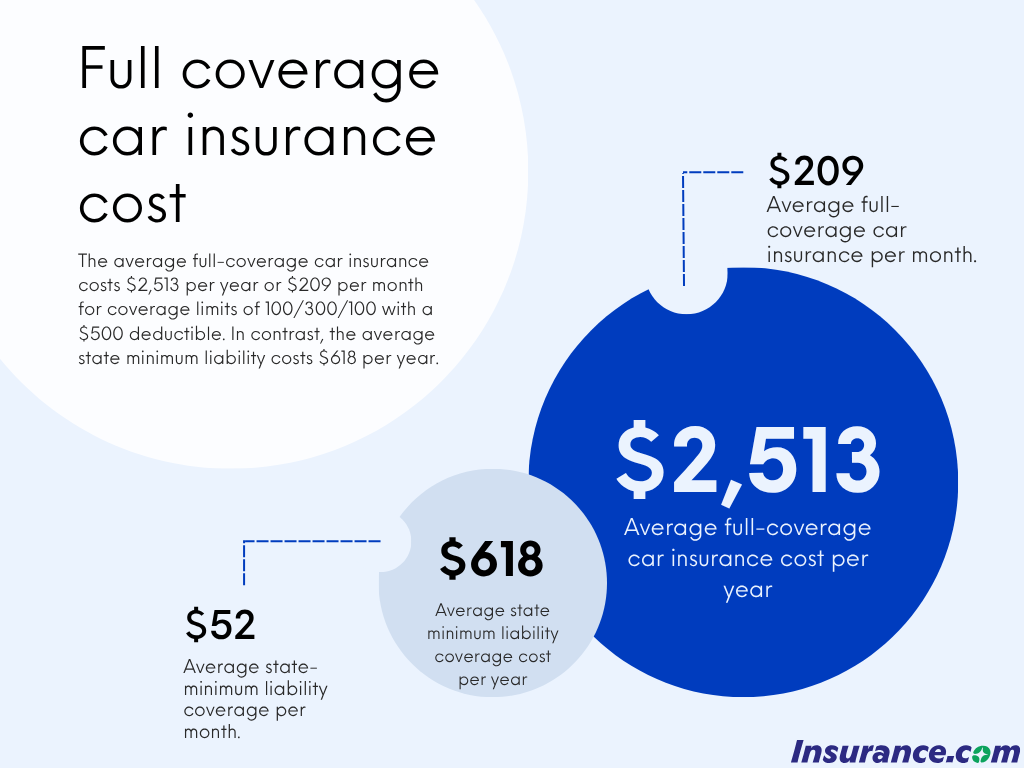
Before diving into how to find the cheapest options, it’s crucial to understand what “full coverage” truly entails. Unlike a simple liability policy, which only covers damages you cause to others, full coverage offers a robust shield for your own vehicle, regardless of fault.
What “Full Coverage” Truly Means
The term “full coverage” is a colloquialism, not an actual type of policy. Instead, it refers to a combination of several distinct coverages that, when combined, offer comprehensive protection. Typically, a full coverage policy includes:
-
Liability Coverage: This is the foundational component, legally required in most states. It covers damages (both bodily injury and property damage) you cause to other drivers, passengers, or property if you are at fault in an accident. State laws dictate minimum liability limits, but higher limits are often recommended for greater financial protection.
-
Collision Coverage: This pays for damages to your own vehicle resulting from a collision with another vehicle or object (e.g., a tree, a guardrail), regardless of who is at fault. It’s particularly vital for newer or more valuable cars.
-
Comprehensive Coverage: Also known as “other than collision,” this protects your car against damages not caused by a collision. This includes theft, vandalism, fire, natural disasters (like hail or floods), falling objects, and hitting an animal.
-
Other Potential Add-ons: While not strictly part of the “core three,” full coverage often implies or benefits from additional protections like uninsured/underinsured motorist coverage (UIM/UM), personal injury protection (PIP), medical payments coverage (MedPay), and roadside assistance. These further bolster your financial safety net.
Why Cheap Isn’t Always Best (But Value Is)
The pursuit of the absolute cheapest policy can be a double-edged sword. While saving money is paramount in personal finance, skimping on critical coverage can lead to devastating out-of-pocket expenses if an accident or incident occurs. The goal isn’t just “cheap”; it’s finding the best value. This means securing adequate protection for your assets and financial well-being at the most competitive price point available for your specific circumstances. A policy that seems cheap upfront but offers low liability limits or high deductibles might leave you exposed to significant financial risk down the line.
Key Factors Influencing Your Insurance Premium
The cost of full coverage insurance is not arbitrary; it’s the result of a complex algorithm that assesses risk. Understanding these factors is the first step toward strategically reducing your premiums.
Personal Driving Profile
Your individual characteristics and history play a monumental role in premium calculation:
-
Age and Gender: Younger, less experienced drivers (especially males under 25) typically face higher rates due to statistical higher accident rates. As drivers mature and gain experience, rates tend to decrease, assuming a clean record.
-
Driving Record: This is arguably the most significant factor. Tickets, at-fault accidents, and DUIs dramatically increase premiums and can disqualify you from certain insurers or discounts. A clean driving record is your most powerful tool for saving money.
-
Credit Score (where permitted): In many states, insurers use a credit-based insurance score as a predictor of claim likelihood. A higher credit score often correlates with lower premiums, as individuals with better credit are statistically less likely to file claims. (Note: California, Hawaii, Massachusetts, and Michigan prohibit the use of credit scores for setting auto insurance rates).
-
Location: Urban areas generally have higher rates due to increased traffic density, theft rates, and vandalism. Rural areas typically see lower premiums. Even within the same city, zip codes can yield different rates.
-
Marital Status: Married individuals often receive lower rates, as they are statistically considered safer drivers.
-
Occupation and Education: Some insurers offer discounts based on certain professions or higher education levels, seeing these groups as lower risk.
Vehicle Characteristics
The car you drive significantly impacts your comprehensive and collision premiums:
-
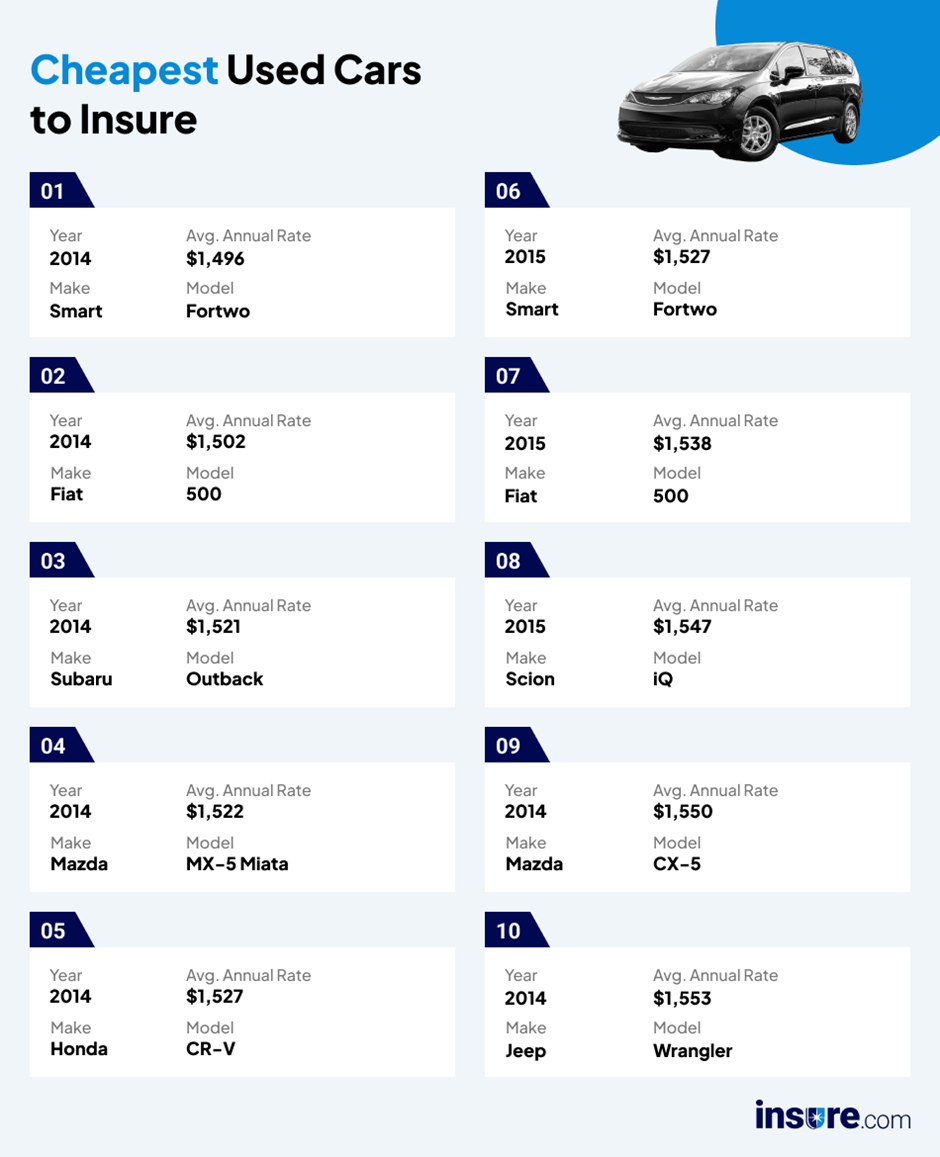
Make, Model, and Year: Newer, more expensive vehicles cost more to repair or replace, leading to higher premiums. Certain models known for higher theft rates or costly parts will also command higher rates.
-
Safety Features: Cars equipped with advanced safety features (e.g., automatic emergency braking, lane-keeping assist, anti-lock brakes) may qualify for discounts, as they reduce the likelihood or severity of accidents.
-
Engine Size and Horsepower: High-performance vehicles are often associated with aggressive driving, leading to higher rates.
-
Anti-Theft Devices: Factory-installed alarms, immobilizers, or tracking systems can earn you discounts on comprehensive coverage.
Policy Specifics
Your choices when configuring the policy also have a direct bearing on the price:
-
Deductibles: The amount you agree to pay out-of-pocket before your insurance kicks in. Choosing a higher deductible for collision and comprehensive coverage will lower your premium, but means you’ll pay more upfront in case of a claim.
-
Coverage Limits: Opting for higher liability limits increases your premium, but provides crucial financial protection against large claims. Finding the right balance is key.
-
Add-ons: While beneficial, adding roadside assistance, rental car reimbursement, or new car replacement coverage will incrementally increase your total premium.
-
Payment Frequency: Many insurers offer a discount for paying your premium in full annually or semi-annually, rather than monthly.
The Insurer’s Business Model
Each insurance company has its own underwriting guidelines, risk assessment models, and operational costs. Some insurers might specialize in high-risk drivers, others in bundling policies, and some might prioritize a strong digital presence to reduce overhead. This is why quotes vary so dramatically between providers for the exact same coverage.
Top Strategies for Finding the Cheapest Full Coverage
Armed with an understanding of how premiums are calculated, you can now proactively employ strategies to reduce your costs.
Shop Around Aggressively
This is, by far, the most impactful strategy. Never settle for the first quote you receive.
-
Comparison Websites: Utilize online aggregators that allow you to compare quotes from multiple insurers simultaneously. These can be a great starting point for identifying competitive rates.
-
Independent Agents: These agents work with several different insurance companies and can do the shopping around for you, often finding deals you might miss. They can also offer personalized advice.
-
Direct Quotes: Don’t hesitate to visit the websites of major insurers directly. Sometimes, they offer exclusive online-only discounts. Aim to get quotes from at least 3-5 different companies, including national giants and potentially smaller regional carriers.
Leverage Discounts
Insurance companies offer a plethora of discounts; make sure you’re claiming every single one you qualify for.
-
Bundling Discounts: Insuring multiple policies with the same provider (e.g., auto and home/renters insurance) can lead to significant savings.
-
Good Driver/Accident-Free Discounts: Reward for maintaining a clean driving record over several years.
-
Good Student Discounts: For young drivers who maintain a certain GPA.
-
Low Mileage Discounts: If you drive fewer miles than average (e.g., working from home, using public transport).
-
Anti-Theft Device Discounts: For vehicles equipped with alarms, immobilizers, or GPS tracking.
-
Telematics Programs: Many insurers offer programs (often through a smartphone app or device plugged into your car) that monitor your driving habits (speeding, harsh braking, time of day). Safe drivers can earn substantial discounts.
-
Multi-Car Discounts: For insuring multiple vehicles under one policy.
-
Defensive Driving Course Discounts: Completing an approved defensive driving course can sometimes reduce your premium.
-
Professional/Affiliation Discounts: Check if your employer, alumni association, or other groups offer discounts.
Optimize Your Policy
Review your policy details regularly to ensure you’re paying only for what you need.
-
Adjust Deductibles: If you have a healthy emergency fund, consider increasing your collision and comprehensive deductibles. Moving from a $500 to a $1,000 deductible can noticeably lower your premium. Just be sure you can comfortably afford the deductible if you need to file a claim.
-
Re-evaluate Coverage Needs: For older cars whose market value is very low, the cost of collision and comprehensive coverage might exceed the car’s actual worth. In such cases, dropping these coverages could be a financially sound decision.
-
Drop Unnecessary Add-ons: Review if you truly need rental car reimbursement or roadside assistance, especially if you have an alternative (e.g., through a credit card or auto club membership).
Improve Your Financial Health
Indirect financial improvements can also impact your insurance rates.
-
Maintain a Good Credit Score: As mentioned, a strong credit score can lead to lower premiums in most states. Regularly review your credit report for errors and strive to improve your score through timely payments and responsible credit management.
-
Pay in Full: If feasible, paying your entire premium upfront for a six-month or annual term often comes with a discount, avoiding monthly installment fees.
Leading Insurance Providers and Their Cost-Saving Potential
While no single insurer is definitively “the cheapest” for everyone, certain companies are frequently cited for offering competitive rates or catering to specific driver profiles.
National Giants vs. Regional Specialists
-
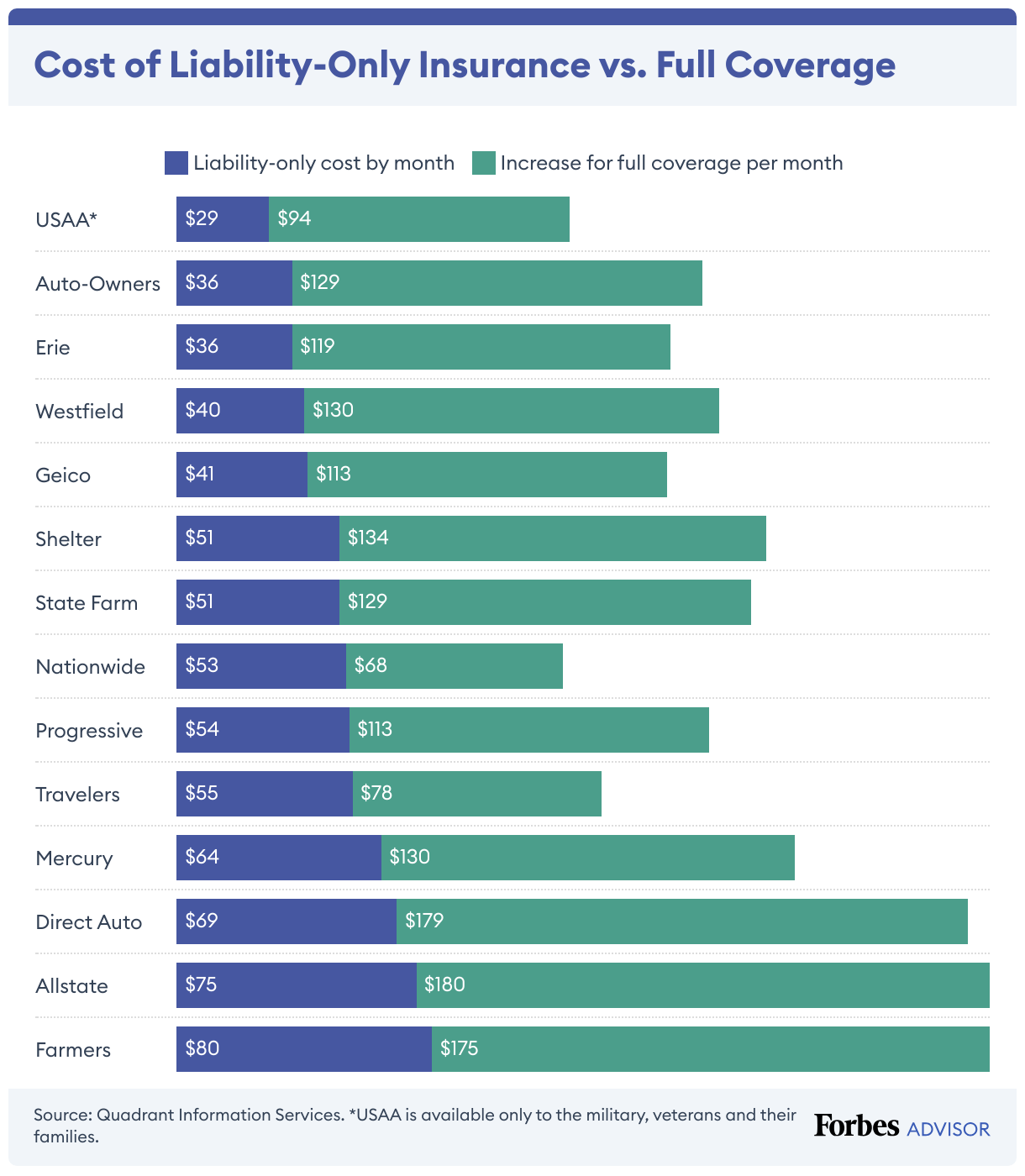
National Providers (e.g., GEICO, Progressive, State Farm, Allstate): These companies have vast resources, extensive advertising budgets, and often a broad range of discounts. They can offer competitive rates for a wide spectrum of drivers and are known for their strong digital platforms and customer service. Their large customer base allows them to spread risk more effectively.
-
Regional or Local Providers: Sometimes, smaller, localized insurance companies can offer highly competitive rates because they have lower overhead, a more targeted customer base, and a deeper understanding of specific regional risks. An independent agent is often the best way to uncover these hidden gems.
Companies Often Cited for Competitive Rates
While individual results vary, certain insurers are commonly known for their aggressive pricing models:
-
GEICO: Often recognized for competitive rates, particularly for drivers with clean records. Their direct-to-consumer model helps reduce overhead.
-
Progressive: Known for its “Name Your Price” tool and Snapshot telematics program, which can offer significant discounts for safe drivers.
-
USAA: Exclusively for military members, veterans, and their families, USAA consistently receives high marks for customer satisfaction and offers some of the most competitive rates available, often due to their specific low-risk demographic.
-
Erie Insurance & Amica Mutual: These companies frequently receive high customer satisfaction ratings and can offer strong value, particularly if you qualify for their specific underwriting criteria or live in their service areas.
-
Online-Only Insurers: Companies like Lemonade or Root Insurance use technology to streamline processes and offer personalized rates based on actual driving behavior (Root). While not always the cheapest, their model can significantly reduce costs for safe, tech-savvy drivers.
The Role of Online-Only Insurers
The rise of online and app-based insurance providers has introduced new dynamics to the market. By minimizing physical branches and relying heavily on digital platforms, these companies can often reduce their operational costs. This efficiency can sometimes translate into lower premiums for consumers, especially those who prefer managing their policies online and are comfortable with telematics-based pricing. They emphasize speed, convenience, and data-driven personalization.
Beyond the Price Tag: What Else to Consider
While cost is a primary concern, a truly “cheap” policy also delivers when you need it most. Don’t let the pursuit of the lowest premium overshadow other vital considerations.
Customer Service and Claims Experience
The true test of an insurer comes when you need to file a claim. A company with excellent customer service, a streamlined claims process, and responsive adjusters can turn a stressful situation into a manageable one. Check independent ratings from organizations like J.D. Power or Consumer Reports, and read customer reviews to gauge an insurer’s reputation for handling claims. A slightly higher premium might be worth it for peace of mind and reliability.
Financial Stability of the Insurer
Ensure the company you choose is financially sound and has the capacity to pay out large claims. Ratings from agencies like A.M. Best provide insights into an insurer’s financial strength and stability. Opting for a company with a strong financial rating is crucial for ensuring your protection.
Policy Flexibility and Digital Tools
Modern insurers offer varying degrees of flexibility in policy management. Consider whether the company provides user-friendly mobile apps, online portals for managing your policy, making payments, and accessing ID cards. The ease of doing business with an insurer can greatly enhance your overall experience.
Conclusion
Finding the cheapest full coverage insurance is less about uncovering a secret insurer and more about meticulous research, strategic comparison, and understanding your own unique risk profile. There isn’t a single “cheapest” provider because rates are intensely personalized. By diligently shopping around, leveraging every applicable discount, optimizing your policy structure, and maintaining a solid financial and driving record, you empower yourself to significantly reduce your insurance costs.
Remember, the goal is not merely to find the lowest price, but to secure the best value – a robust full coverage policy that provides comprehensive financial protection without overpaying. Treat your insurance selection as an ongoing financial strategy; review your policy and get new quotes annually, especially after major life events or vehicle changes. With an informed approach, you can confidently navigate the insurance market, protect your assets, and keep more money in your pocket.
aViewFromTheCave is a participant in the Amazon Services LLC Associates Program, an affiliate advertising program designed to provide a means for sites to earn advertising fees by advertising and linking to Amazon.com. Amazon, the Amazon logo, AmazonSupply, and the AmazonSupply logo are trademarks of Amazon.com, Inc. or its affiliates. As an Amazon Associate we earn affiliate commissions from qualifying purchases.