
In the realm of personal finance, understanding and optimizing recurring expenses is paramount to achieving long-term financial stability and growth. Among the most significant of these costs for many individuals is car insurance – a mandatory outlay that can vary wildly depending on a multitude of factors. While the sticker price of a vehicle often dominates purchase considerations, the ongoing cost of insuring that asset can add thousands of dollars to its total cost of ownership annually. For the financially savvy, selecting a vehicle that inherently qualifies for lower insurance premiums is a strategic move, directly impacting monthly budgets and freeing up capital for savings, investments, or other financial goals. This article will delve into the intricacies of car insurance pricing, identifying vehicle characteristics that typically lead to more affordable rates, and providing a comprehensive guide for making financially informed automotive choices.
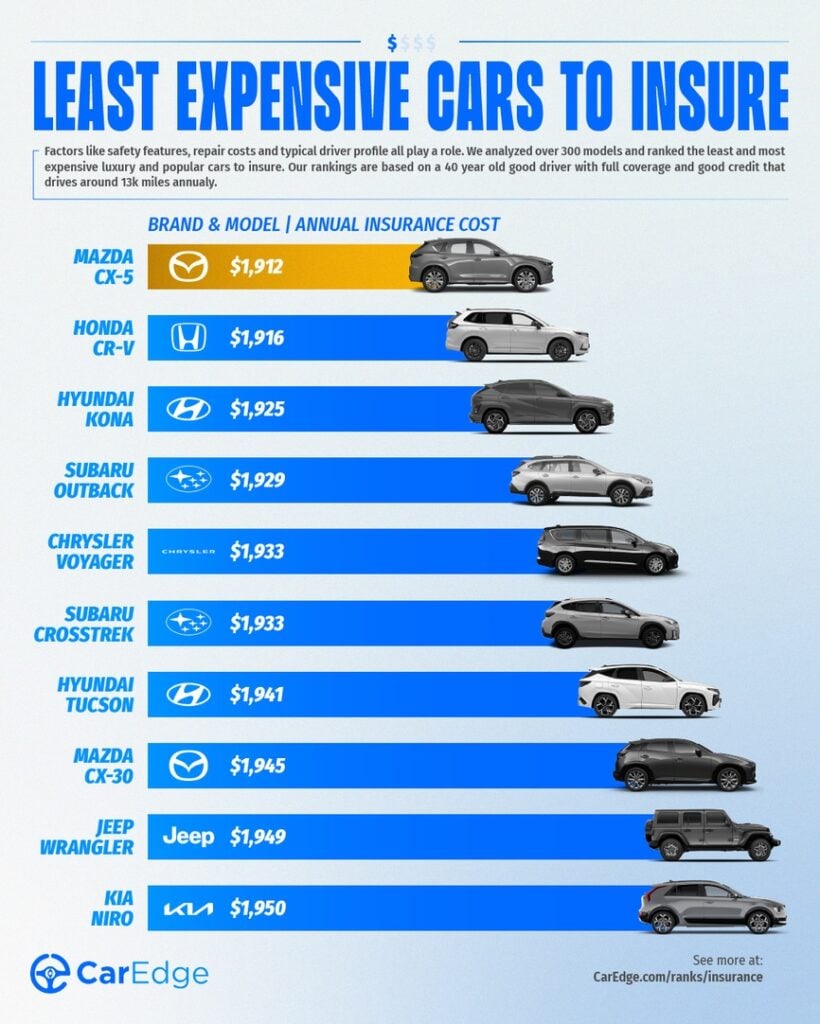
The Core Factors Influencing Your Insurance Premium
Before we pinpoint specific car models, it’s crucial to understand the foundational elements that insurance companies assess when calculating your premium. Insurers operate on risk assessment; the higher they perceive your risk of filing a claim, the more you will pay. This evaluation is a complex interplay of personal data and vehicle attributes.
Driver Demographics and Driving Record
Your personal profile is the first layer of assessment. Factors like your age, gender (though some states are phasing out gender as a factor), marital status, and even your residential location significantly influence rates. Younger, less experienced drivers, for instance, typically face higher premiums due to statistical likelihood of accidents. Similarly, living in areas with high theft rates or frequent accidents can inflate costs. Your credit score, in many states, also plays a role as insurers correlate financial responsibility with driving responsibility. Most critically, your driving record – a history clear of accidents, speeding tickets, or other violations – is arguably the most powerful lever you have to keep your rates down. A clean record signals a lower risk driver, directly translating into financial savings.
Vehicle-Specific Attributes
Beyond your personal data, the vehicle itself is a treasure trove of information for an insurer. Every aspect of a car, from its safety features to its repair costs, feeds into the actuarial models.
-
Safety Ratings: Cars with higher safety ratings (from organizations like the IIHS or NHTSA) are less likely to result in severe injuries or fatalities in an accident, which means lower potential payouts for medical claims.
-
Repair Costs and Parts Availability: Vehicles that are expensive to repair, either due to specialized parts, complex engineering, or luxury components, will naturally command higher comprehensive and collision premiums. Conversely, common models with readily available, affordable parts are cheaper to insure.
-
Theft Rates: Certain car models are more frequently targeted by thieves, leading to higher comprehensive coverage costs. Insurers track these statistics diligently.
-
Engine Size and Performance: High-performance vehicles, sports cars, and those with powerful engines are often associated with aggressive driving and a higher likelihood of accidents, thus incurring steeper insurance costs.
-
Vehicle Type: Generally, sedans, minivans, and certain SUVs are perceived as safer and less prone to high-speed incidents compared to sports cars or luxury performance vehicles.
Understanding these intertwined factors allows consumers to make more financially astute decisions when both buying a car and selecting an insurance policy.
Identifying the Sweet Spot: Vehicle Types Generally Associated with Lower Rates
With a grasp of the underlying principles, we can now narrow down the types of vehicles that historically tend to have lower insurance premiums. The common thread among these cars is their alignment with an insurer’s desire for predictability, safety, and affordability in repairs.
Sedans and Minivans: The Practical Choice
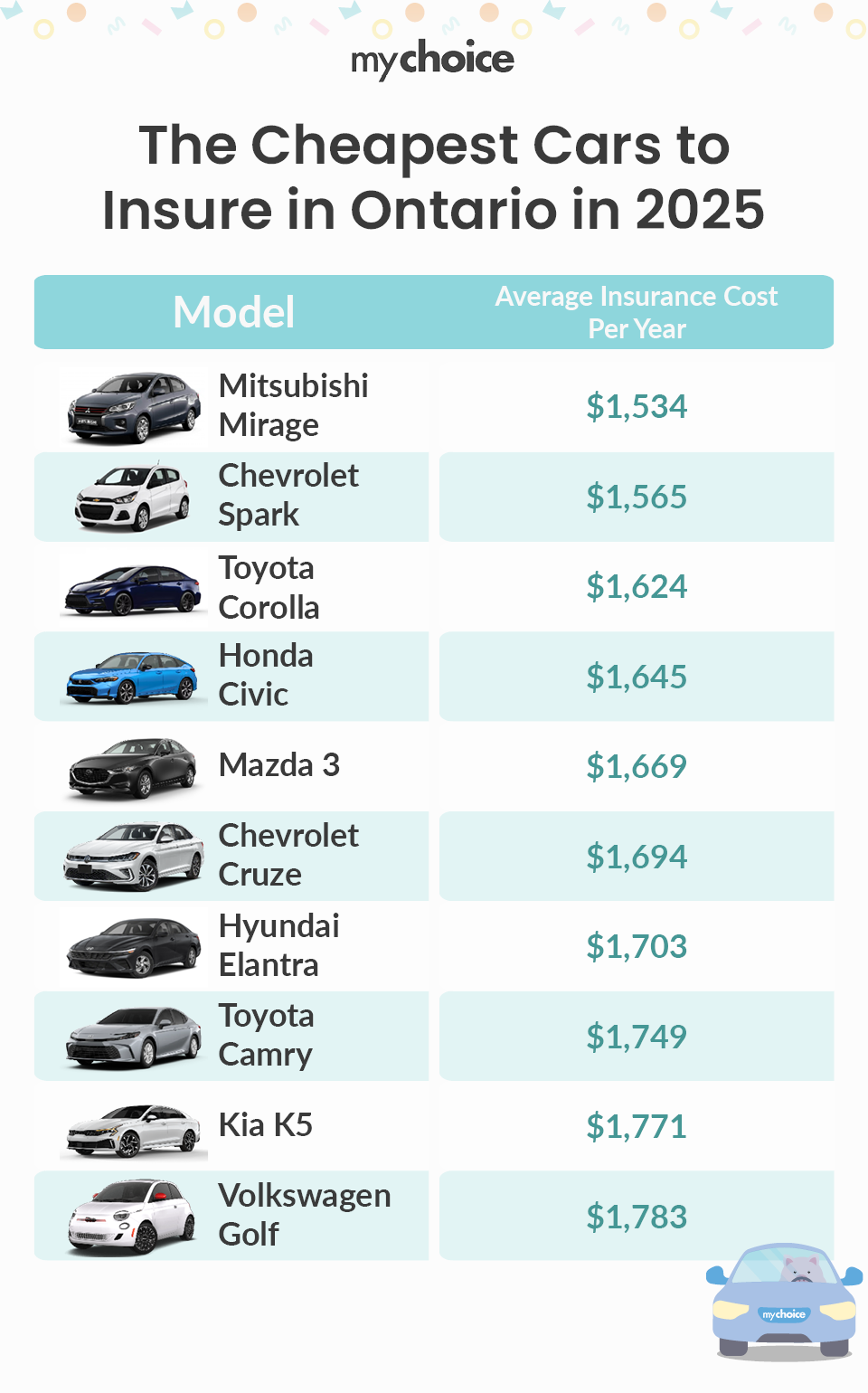
For decades, the humble sedan has been a cornerstone of the automotive market, and for good reason. Models like the Honda Civic, Toyota Corolla, and Subaru Legacy consistently rank among the most affordable to insure. Their prevalence on the road means parts are abundant and mechanics are familiar with their repairs. More importantly, they are typically driven by individuals seeking reliable transportation rather than high-octane performance, reducing the perceived risk of accidents. Minivans, such as the Honda Odyssey or Toyota Sienna, share similar characteristics. They are family-oriented vehicles, often equipped with robust safety features and driven conservatively, making them attractive to insurers due to their low-risk profile. Opting for these practical vehicles is a clear financial play, directly contributing to lower monthly expenses.
Older, Reliable Models: Depreciation and Cost Savings
While a brand-new car offers the allure of the latest technology, it also comes with immediate depreciation – and often, higher insurance costs. Older vehicles, particularly those known for their longevity and reliability (think many models from Toyota, Honda, or Subaru from 5-10 years ago), often present a sweet spot for insurance savings. Their market value is lower, meaning potential payouts for total loss claims are reduced. Furthermore, basic maintenance and repair parts are typically more affordable and easier to source. This strategy emphasizes a critical financial concept: total cost of ownership. By considering a well-maintained, slightly older model, consumers can save not only on the purchase price but also significantly on ongoing insurance premiums, freeing up capital for other financial priorities like retirement savings or debt reduction.
Safety First: Vehicles with Advanced Features
Modern automotive technology isn’t just about entertainment; it’s increasingly about safety. Vehicles equipped with advanced driver-assistance systems (ADAS) like automatic emergency braking, lane-keeping assist, blind-spot monitoring, and adaptive cruise control are proving their worth in accident prevention. Insurers are taking notice, and many now offer discounts for vehicles that integrate these features. While the initial purchase price of a car with advanced ADAS might be slightly higher, the long-term savings on insurance premiums, coupled with the reduced risk of accidents (and associated deductibles or increased future premiums), often make them a financially sound investment. Prioritizing safety features is not just about personal well-being; it’s a shrewd financial decision.
Beyond the Vehicle: Strategies to Further Reduce Your Insurance Costs
While choosing the right car is a critical first step, the financially astute consumer understands that maximizing savings requires a multi-faceted approach. Your vehicle choice is a powerful lever, but your policy management and financial habits can amplify those savings.
Smart Policy Management
Many insurance providers offer a plethora of discounts that go unclaimed simply because policyholders aren’t aware of them or don’t proactively seek them out.
-
Bundling Policies: Combining your auto insurance with home, renters, or life insurance through the same provider often results in significant multi-policy discounts. This is a simple, effective financial synergy.
-
Increasing Deductibles: Opting for a higher deductible on your comprehensive and collision coverage can substantially lower your monthly premium. This strategy requires having an emergency fund readily available to cover the higher deductible should you need to file a claim, reinforcing good personal finance habits.
-
Loyalty and Good Customer Discounts: Staying with the same insurer for an extended period, or having a consistently clean payment history, can often unlock loyalty benefits.
-
Low-Mileage Discounts: If you work from home or have a short commute, inquire about low-mileage discounts.
-
Good Student Discounts: For families with young drivers, maintaining good grades can translate into meaningful savings.
-
Telematics Programs: Many insurers offer programs that monitor your driving habits (speed, braking, mileage) via an app or device. Safe drivers can earn significant discounts, aligning responsible driving with financial rewards.
Regular Rate Comparisons and Negotiation
One of the biggest mistakes consumers make is letting their auto insurance policy automatically renew year after year without shopping around. The insurance market is highly competitive, and rates can fluctuate based on new data, company strategies, and your changing personal circumstances. Make it a point to obtain quotes from at least three different insurers annually, or whenever a significant life event occurs (e.g., getting married, moving, buying a new car). Don’t be afraid to use a competitive offer from one company to negotiate a better rate with your current provider. This proactive financial management can yield hundreds of dollars in savings each year.
Maintaining a Clean Driving Record
While mentioned earlier, its importance cannot be overstated. A clean driving record is the single most impactful factor within your control for securing and maintaining low insurance rates. Avoiding accidents and traffic violations not only prevents immediate financial penalties (fines, increased premiums) but also builds a long-term profile of a low-risk driver, leading to sustained savings. This isn’t just about obeying the law; it’s about making a deliberate financial choice to drive responsibly.
The Financial Ripple Effect: Why Lower Insurance Rates Matter for Your Money
The impact of choosing a car with lower insurance rates extends far beyond the immediate savings on your monthly premium. It’s a strategic financial decision that contributes to broader financial health and long-term wealth accumulation.
Budgeting and Cash Flow Management
For many households, recurring expenses like car insurance represent a significant drain on monthly cash flow. By strategically reducing this cost, you free up disposable income. This additional cash can then be directed towards more productive uses: building an emergency fund, accelerating debt repayment (e.g., credit cards, student loans), or increasing contributions to investment accounts. Better cash flow management provides greater financial flexibility and resilience against unexpected expenses, a cornerstone of sound personal finance.
Long-Term Financial Planning
The cumulative savings from lower insurance rates can be substantial over years, even decades. Imagine saving $30-50 per month on insurance. Over 20 years, invested wisely, that seemingly small amount could grow into tens of thousands of dollars through the power of compounding. This emphasizes the importance of looking beyond immediate costs to the long-term financial implications of every purchasing decision. A car chosen for its low insurance rates isn’t just a vehicle; it’s an investment in your future financial well-being.
Informed Automotive Purchase Decisions
This discussion fundamentally reframes the car-buying process. Instead of viewing it solely through the lens of purchase price or desired features, consumers are encouraged to adopt a total cost of ownership (TCO) perspective. TCO includes depreciation, maintenance, fuel, and, crucially, insurance. By integrating potential insurance costs into the initial decision-making process, individuals can make more holistic and financially responsible choices, ensuring that their automotive assets align with their broader financial goals rather than detracting from them. It transforms car buying from a mere consumer act into a strategic financial transaction.

Conclusion
Navigating the complexities of car insurance rates doesn’t have to be a daunting task. For the financially astute individual, understanding the factors that influence premiums and making proactive choices can lead to significant, long-term savings. By opting for vehicles known for their safety, affordability of repair, and low theft rates – typically reliable sedans, minivans, or slightly older models – consumers lay a strong foundation for lower insurance costs. However, the journey to optimized rates doesn’t end there. Diligent policy management, regular comparison shopping, and, most importantly, maintaining a pristine driving record are all vital components of a comprehensive financial strategy. Ultimately, every dollar saved on car insurance is a dollar that can be redirected towards building an emergency fund, paying down debt, or investing for the future. In the grand scheme of personal finance, choosing a car with the lowest insurance rates is not just about a specific make or model; it’s about making a smart, informed decision that supports your broader financial aspirations and contributes to a more secure future.
aViewFromTheCave is a participant in the Amazon Services LLC Associates Program, an affiliate advertising program designed to provide a means for sites to earn advertising fees by advertising and linking to Amazon.com. Amazon, the Amazon logo, AmazonSupply, and the AmazonSupply logo are trademarks of Amazon.com, Inc. or its affiliates. As an Amazon Associate we earn affiliate commissions from qualifying purchases.