
Navigating the bustling streets and diverse landscapes of New York, from Manhattan’s urban jungle to the serene Adirondacks, often requires a reliable vehicle. But owning a car comes with responsibilities, paramount among them being car insurance. For many New Yorkers, the monthly premium can be a significant financial consideration, often varying widely based on a myriad of factors unique to both the driver and the state itself. Understanding “how much is car insurance per month in New York” is not just about a single number; it’s about dissecting a complex financial equation influenced by state regulations, personal circumstances, and market dynamics. This article delves into the intricacies of car insurance costs in the Empire State, offering insights to help you budget effectively and potentially reduce your monthly financial outlay.
Understanding the Cost Landscape of Car Insurance in New York
New York consistently ranks among the most expensive states for car insurance in the United States. This isn’t arbitrary; a confluence of factors unique to the state contributes to higher average premiums compared to the national average. For residents, this translates into a need for careful financial planning when it comes to vehicle ownership.
Average Monthly Premiums: What to Expect
While it’s challenging to pinpoint an exact average that applies to everyone, general estimates suggest that New York drivers can expect to pay anywhere from $150 to $350 per month, or even more, for car insurance. This range is broad because it encompasses a vast spectrum of drivers, vehicles, and coverage choices.
-
Lower End: Drivers with clean records, older vehicles, higher deductibles, and minimal coverage (though still meeting state requirements) might find premiums closer to the $150-$200 mark. These individuals typically reside in areas with lower accident rates and less traffic congestion.
-
Higher End: Conversely, younger drivers, those with recent accidents or infractions, drivers of new or luxury vehicles, and individuals opting for comprehensive coverage with lower deductibles, especially in high-density areas like NYC boroughs, could easily face premiums upwards of $300-$500 per month. Teenagers, in particular, often bear the brunt of the highest rates due to their perceived higher risk.
It’s crucial to understand that these are just averages. Your personal quote will depend heavily on specific details, which we will explore further. The takeaway here is that car insurance in New York is a substantial recurring expense that demands consideration in any personal finance budget.
Factors Driving Up Costs in the Empire State
Several systemic and environmental factors contribute to New York’s elevated insurance rates:
-
No-Fault Insurance System: New York operates under a no-fault insurance system, meaning that in the event of an accident, your own insurance company pays for your medical expenses and lost wages, regardless of who was at fault. While designed to streamline claims and reduce litigation, it often leads to higher Personal Injury Protection (PIP) components, which increases base premiums.
-
Population Density and Traffic Congestion: Major urban centers like New York City, Buffalo, and Rochester are densely populated, leading to higher traffic volumes, increased risk of accidents, and thus, more claims. More claims invariably drive up the cost of insurance for everyone in those regions.
-
High Repair Costs: Labor costs for auto repairs, parts prices, and even the cost of towing tend to be higher in New York compared to many other states. Insurers factor these potential payout costs into their premium calculations.
-
Higher Theft Rates: Certain areas within New York experience higher rates of vehicle theft or vandalism, which directly impacts comprehensive coverage costs. Insurers assess these risks at a granular level, influencing rates based on your specific zip code.
-
Mandatory Minimum Coverage Requirements: While not the highest in the nation, New York’s mandatory minimum liability and PIP requirements are substantial enough to establish a relatively high baseline cost compared to states with leaner requirements.
Key Factors Influencing Your Individual Premium
While state-level factors set a baseline, your personal circumstances and choices are paramount in determining your specific monthly car insurance premium. Understanding these variables empowers you to make informed financial decisions.
Driver-Specific Variables
Your identity as a driver plays a significant role in how insurers assess your risk and, consequently, your premium.
-
Age and Driving Experience: Younger drivers (especially teenagers and those under 25) and very senior drivers often face higher rates due to statistical evidence suggesting higher accident rates. As drivers gain experience and maintain a clean record, premiums typically decrease.
-
Driving Record: This is perhaps the most impactful factor. Accidents (at-fault or not), speeding tickets, DUIs, and other moving violations signal higher risk to insurers, leading to substantial premium hikes. A clean driving record is your strongest asset for lower rates.
-
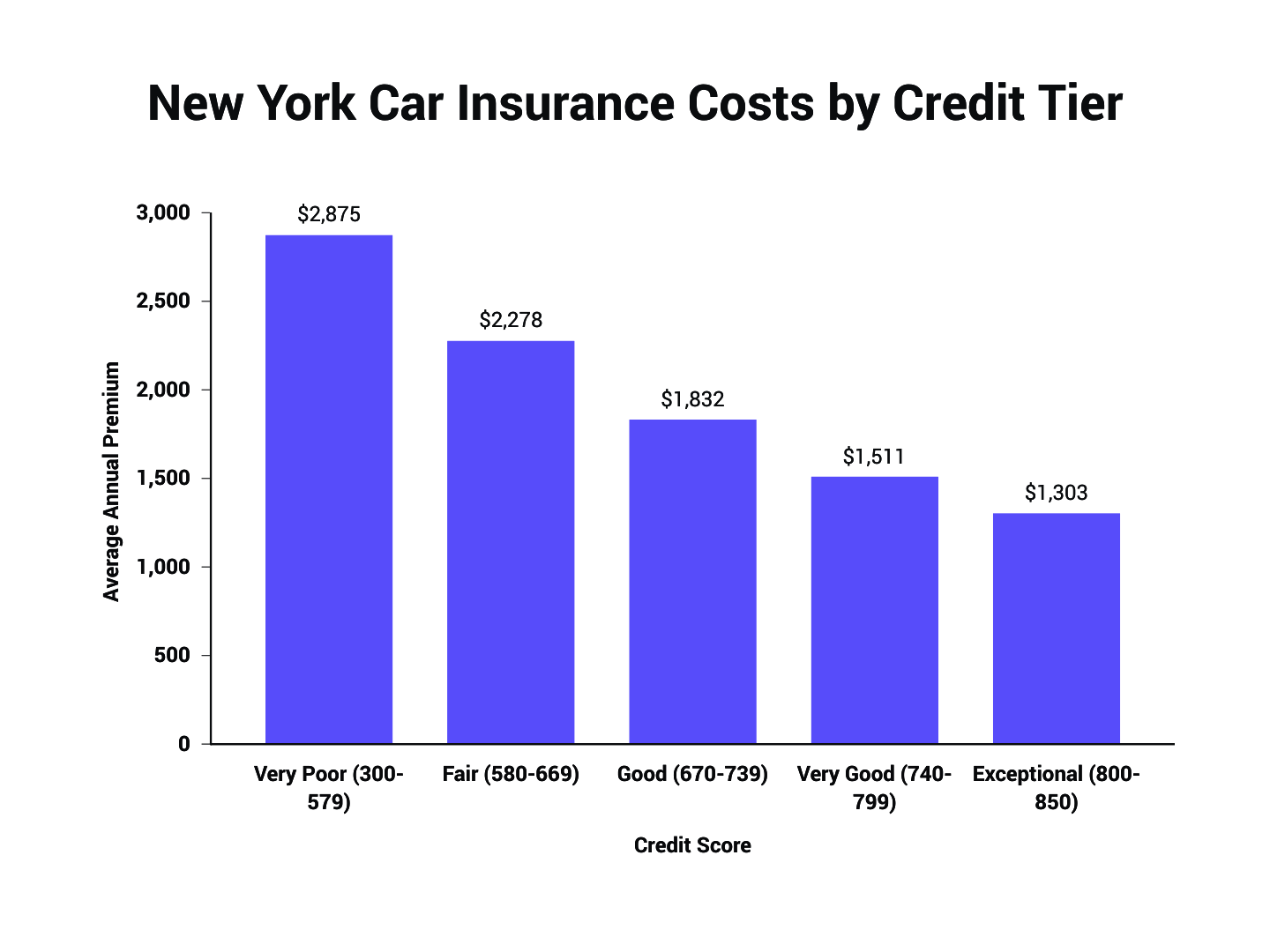
Credit Score (Insurance Score): In New York, insurers can use credit-based insurance scores as a factor in pricing, though less heavily than in some other states. A good credit score often correlates with responsible financial behavior, which insurers interpret as a lower risk. Conversely, a poor credit score can lead to higher premiums.
-
Marital Status: Married individuals often receive slightly lower rates than single drivers, as they are statistically perceived as more stable and less prone to risky driving behaviors.
-
Location within New York: As mentioned, your specific zip code can dramatically affect rates. Urban areas with high traffic density, crime rates, and accident statistics will have higher premiums than suburban or rural areas. Moving a few miles can sometimes lead to a noticeable difference in cost.
Vehicle-Specific Variables
The car you drive is another crucial piece of the premium puzzle, directly impacting potential repair and replacement costs for the insurer.
-
Make, Model, and Year: Luxury, high-performance, and newer vehicles generally cost more to insure due to higher repair costs, more expensive parts, and greater replacement value. More common, modest vehicles often have lower insurance costs.
-
Safety Features: Cars equipped with advanced safety features (e.g., automatic emergency braking, lane-keeping assist, anti-lock brakes, airbags) may qualify for discounts, as they reduce the likelihood and severity of accidents.
-
Theft Rate: Vehicles that are popular targets for theft or vandalism will carry higher comprehensive insurance premiums, particularly in areas with higher crime rates.
Coverage Choices and Deductibles
Beyond the mandatory minimums, the types and amounts of coverage you choose, along with your deductibles, significantly shape your monthly premium.
-
Minimum Requirements vs. Comprehensive Coverage: New York mandates specific levels of bodily injury liability, property damage liability, and Personal Injury Protection (PIP). While sticking to these minimums might offer the lowest immediate cost, it often leaves drivers financially vulnerable in serious accidents. Adding collision, comprehensive, uninsured/underinsured motorist, and higher liability limits will increase your premium but provide much greater financial protection.
-
Liability Limits: Choosing higher liability limits (e.g., $100,000/$300,000 bodily injury instead of $25,000/$50,000) will increase your premium but better protect your assets in case of a major at-fault accident. This is a critical financial decision for asset protection.
-
Deductibles: Your deductible is the amount you pay out-of-pocket before your insurance kicks in for collision and comprehensive claims. Choosing a higher deductible (e.g., $1,000 instead of $250 or $500) will lower your monthly premium, but you must be prepared to pay that higher amount if you file a claim. This is a trade-off between monthly savings and potential out-of-pocket costs.
Navigating New York’s Unique Insurance Requirements

Understanding the mandatory components of car insurance in New York is not just a legal obligation; it’s a fundamental aspect of managing your financial risk and budgeting for your vehicle.
Mandatory Coverage: The No-Fault System
New York’s no-fault system is central to its insurance requirements. All drivers must carry specific minimum coverages:
-
Bodily Injury Liability: Minimum of $25,000 per person and $50,000 per accident. This covers medical expenses and lost wages for others if you are at fault in an accident.
-
Property Damage Liability: Minimum of $10,000 per accident. This covers damage to other people’s property (e.g., their car, fence, building) if you are at fault.
-
Personal Injury Protection (PIP): Minimum of $50,000 per person. This is the “no-fault” component, covering your own medical expenses, lost wages, and other necessary expenses (like household help) up to the limit, regardless of who caused the accident. This coverage is crucial for ensuring immediate financial support for injuries.
-
Uninsured Motorist (UM) Coverage: Minimum of $25,000 per person and $50,000 per accident. This protects you if you are injured by a driver who doesn’t have insurance or is a hit-and-run driver. Given the number of uninsured drivers, this is a vital protection.
Meeting these minimums is non-negotiable for legal operation of a vehicle in New York. However, relying solely on these minimums often means inadequate financial protection in the event of a serious accident, potentially exposing your personal assets to lawsuits. Many financial advisors recommend carrying higher liability limits than the state minimums.
Optional but Recommended Protections
While not legally required, several optional coverages offer significant financial peace of mind and are often wise investments for New York drivers.
-
Collision Coverage: Pays for damage to your own vehicle resulting from a collision with another car or object, regardless of fault. Essential for newer or financed vehicles.
-
Comprehensive Coverage: Protects your vehicle from non-collision incidents such as theft, vandalism, fire, natural disasters, and hitting an animal. Given high theft rates in some parts of NY, this is often a prudent choice.
-
Underinsured Motorist (UIM) Coverage: Similar to UM, but applies when the at-fault driver has some insurance, but not enough to cover your damages. This bridges the gap, protecting you financially.
-
Medical Payments (MedPay): While PIP covers a lot, MedPay can supplement it by covering medical and funeral expenses for you and your passengers, often with broader coverage than PIP (e.g., covering injuries sustained while a pedestrian hit by a car).
-
Rental Car Reimbursement: Covers the cost of a rental car while your vehicle is being repaired after a covered incident.
-
Roadside Assistance: Covers services like towing, jump-starts, tire changes, and fuel delivery.
For many New Yorkers, especially those with new or financed vehicles, a robust policy that includes collision and comprehensive coverage, along with higher liability limits, offers a much more secure financial position than a bare-bones policy, even if it comes with a higher monthly premium.
Strategies to Lower Your Car Insurance Costs in New York
Given the inherently higher costs of car insurance in New York, actively seeking ways to reduce your monthly premium is a smart financial move. There are numerous strategies available to help manage this significant expense.
Maximizing Discounts
Insurance companies offer a wide array of discounts, and diligently pursuing these can significantly cut down your monthly payments.
-
Bundling Policies: One of the most common and effective discounts. Insurers often provide substantial savings (10-20% or more) if you bundle your car insurance with other policies, such as home, renters, or life insurance, with the same provider.
-
Good Student Discount: Students with a B average or better can often qualify for a discount, as they are perceived as more responsible.
-
Safe Driver/Good Driver Discount: Maintaining a clean driving record (no accidents or violations) for a certain period (e.g., 3-5 years) can earn you significant savings. Many insurers also offer accident forgiveness programs.
-
Defensive Driving Course Discount: Completing an approved defensive driving course can not only refresh your skills but also lead to a discount and potentially points reduction on your license.
-
Anti-Theft Device Discount: If your vehicle has factory-installed or aftermarket anti-theft devices (alarms, tracking systems), you may qualify for a discount on your comprehensive coverage.
-
Low Mileage Discount: If you drive fewer miles than average (e.g., less than 7,500-10,000 miles per year), you might be eligible for a discount, as your exposure to risk is lower.
-
Multi-Car Discount: Insuring multiple vehicles under the same policy with the same provider typically results in a discount for each vehicle.
-
Professional Affiliation/Membership Discounts: Some insurers offer discounts to members of certain professional organizations, alumni associations, or employers.
-
Payment Discounts: Paying your premium in full annually (instead of monthly) or setting up automatic payments can sometimes lead to small discounts.
Always inquire with your insurer about all available discounts and periodically review your policy to ensure you’re getting all you’re entitled to.
Smart Shopping and Comparison
One of the most powerful tools in your arsenal for reducing car insurance costs is the act of comparison shopping.
-
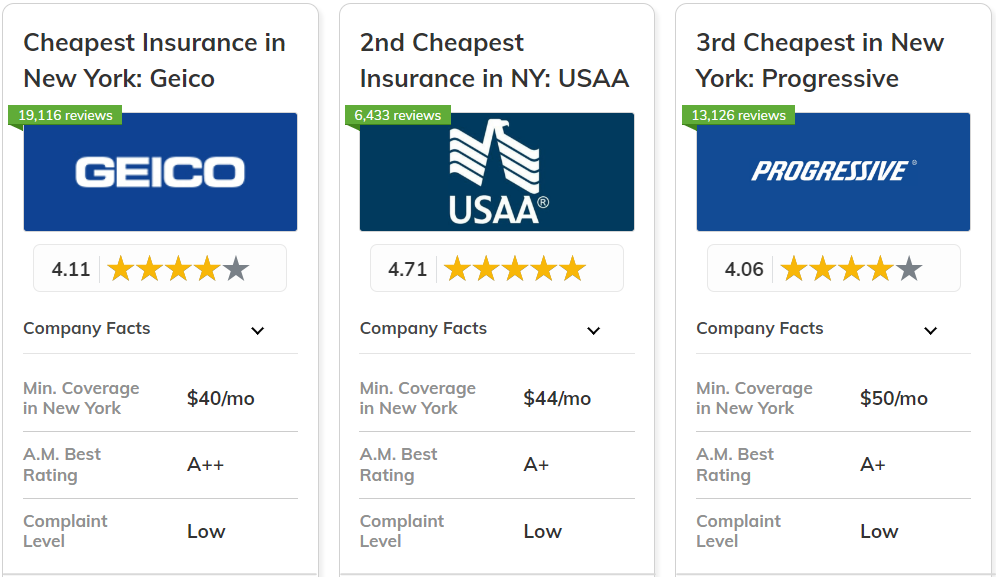
Get Multiple Quotes: Never settle for the first quote you receive. Insurance rates can vary wildly between different providers for the exact same coverage. Obtain quotes from at least three to five different companies – including major national insurers, smaller regional players, and direct-to-consumer online providers.
-
Utilize Independent Agents: An independent insurance agent works with multiple insurance companies and can shop around on your behalf, often finding you the best rates and coverage combinations without you having to do all the legwork.
-
Review Annually: Your personal circumstances, driving record, and the market can change. What was the best rate last year might not be this year. Make it a habit to re-evaluate your insurance needs and get new quotes at least once a year, especially at renewal time or after a major life event (e.g., marriage, new car, moving).
Adjusting Your Coverage Wisely
Periodically assessing your coverage levels and deductibles can lead to significant savings.
-
Increase Your Deductibles: If you have a healthy emergency fund and can comfortably afford a higher out-of-pocket expense in case of a claim, increasing your collision and comprehensive deductibles (e.g., from $500 to $1,000) can substantially lower your monthly premium. This is a calculated risk that requires financial preparedness.
-
Drop Collision and Comprehensive on Older Cars: For older vehicles whose market value is low, the cost of collision and comprehensive coverage might outweigh the potential payout if the car is totaled. If your car is only worth a few thousand dollars, it might be more financially prudent to drop these coverages and self-insure for potential damage, saving a significant amount on monthly premiums.
-
Review All Optional Coverages: Assess if you truly need every optional add-on. For instance, if you have robust roadside assistance through a credit card or auto club, you might not need to pay for it on your insurance policy.
-
Maintain a Good Credit Score: As insurers use credit-based insurance scores in New York, maintaining a healthy credit score can indirectly lead to lower premiums. This reinforces the broader financial discipline needed for lower rates.
By actively combining these strategies – leveraging discounts, diligently comparing quotes, and making informed decisions about your coverage – New York drivers can significantly mitigate the financial burden of car insurance, ensuring they are adequately protected without overspending.
In conclusion, the question of “how much is car insurance per month in New York” doesn’t have a simple, universal answer. It’s a complex interplay of state laws, personal demographics, driving habits, vehicle characteristics, and coverage choices. By understanding these financial dynamics and proactively applying cost-saving strategies, New Yorkers can navigate the insurance landscape more effectively, secure robust coverage, and optimize their monthly financial outlay.
aViewFromTheCave is a participant in the Amazon Services LLC Associates Program, an affiliate advertising program designed to provide a means for sites to earn advertising fees by advertising and linking to Amazon.com. Amazon, the Amazon logo, AmazonSupply, and the AmazonSupply logo are trademarks of Amazon.com, Inc. or its affiliates. As an Amazon Associate we earn affiliate commissions from qualifying purchases.