
Navigating the world of auto insurance can feel like deciphering a complex financial puzzle. Whether you’re a first-time car owner, looking to switch providers, or simply want to better understand your existing policy, the question “What do I need to get auto insurance?” is fundamental. It’s not just about compliance with the law; it’s about safeguarding your financial well-being against the unpredictable nature of the road. This comprehensive guide will break down the essentials, from the types of information you’ll need to gather to the critical decisions you’ll make when selecting the right coverage.
Understanding the Fundamentals of Auto Insurance
Before you even begin collecting documents, it’s crucial to grasp the foundational principles of auto insurance. This isn’t just another bill; it’s a financial safety net designed to protect you, your vehicle, and others involved in an accident.
Why Auto Insurance is Mandatory (and Smart)
In almost every state across the U.S., carrying a minimum level of auto insurance is a legal requirement. This isn’t an arbitrary rule; it’s designed to ensure that victims of car accidents receive compensation for damages and injuries caused by an at-fault driver. Driving without insurance can lead to severe penalties, including hefty fines, license suspension, vehicle impoundment, and even jail time in some jurisdictions.
Beyond legal compliance, auto insurance is a smart financial decision. A single accident, even a minor one, can result in thousands of dollars in repairs, medical bills, and potential legal fees. Without insurance, these costs fall directly on you, potentially leading to bankruptcy or long-term financial hardship. Insurance mitigates this risk by transferring a significant portion of that financial burden to an insurer for a manageable premium.
Key Types of Coverage: Beyond the Basics
Auto insurance isn’t a one-size-fits-all product; it’s a collection of different coverage types, each designed to address specific risks. Understanding these components is vital for building a policy that truly protects you.
Liability Coverage (Bodily Injury & Property Damage)
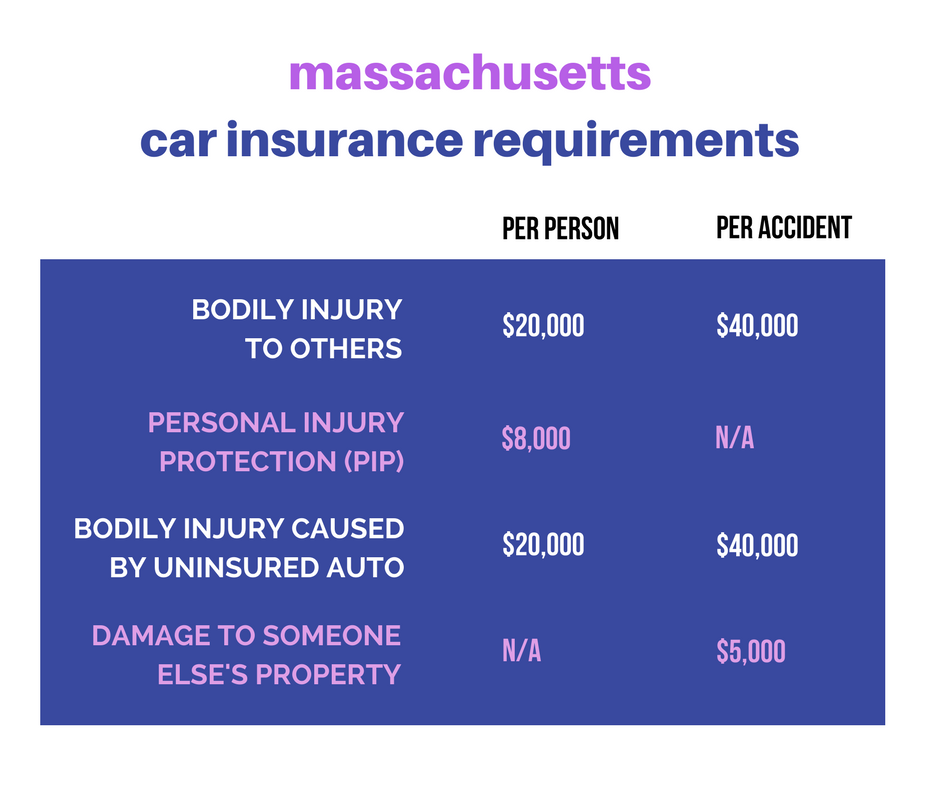
This is the cornerstone of any auto insurance policy and the most common mandatory coverage. If you are at fault in an accident, liability coverage pays for the damages and injuries sustained by the other party.
-
Bodily Injury Liability: Covers medical expenses, lost wages, and pain and suffering for others involved in an accident where you are at fault.
-
Property Damage Liability: Covers repairs or replacement of another person’s property (e.g., their car, fence, or building) that you damage in an accident.
Collision Coverage
This optional coverage pays for damage to your vehicle resulting from a collision with another vehicle or object, regardless of who is at fault. It’s especially important if you have a newer car, a car with a high market value, or if you couldn’t afford to repair or replace your car out-of-pocket.
Comprehensive Coverage
Also optional, comprehensive coverage protects your vehicle from non-collision-related incidents. This includes damage from theft, vandalism, fire, natural disasters (like floods or hail), falling objects, or even hitting an animal.
Uninsured/Underinsured Motorist (UM/UIM)
Despite mandatory insurance laws, many drivers still operate without sufficient coverage. UM/UIM protects you if you’re involved in an accident with a driver who has no insurance (uninsured) or not enough insurance (underinsured) to cover your damages and medical bills. This coverage can often extend to hit-and-run incidents.
Personal Injury Protection (PIP) / Medical Payments (MedPay)
These coverages pay for medical expenses for you and your passengers, regardless of who is at fault for the accident. PIP, primarily in “no-fault” states, can also cover lost wages and essential services. MedPay is generally more limited, covering just medical bills.
Factors Influencing Your Premium
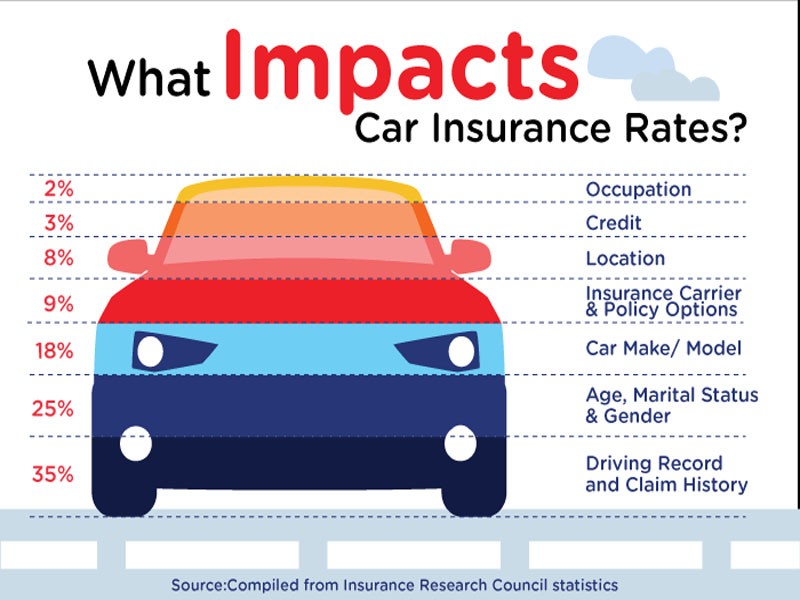
Your auto insurance premium isn’t arbitrarily assigned. It’s the result of a complex calculation that considers numerous factors, all designed to assess the level of risk you present to the insurer. These factors include:
-
Driving Record: A history of accidents or traffic violations (speeding tickets, DUIs) will significantly increase your premium. A clean record will often lead to lower rates.
-
Vehicle Type: The make, model, year, and safety features of your car impact costs. Sports cars or luxury vehicles are generally more expensive to insure due to higher repair costs and theft rates.
-
Age and Gender: Younger, less experienced drivers (especially males under 25) typically pay higher premiums.
-
Location: Urban areas with higher traffic density, theft rates, and accident rates often have higher premiums than rural areas.
-
Credit Score: In many states, your credit-based insurance score (which is related to your credit score) is a significant factor, as studies suggest a correlation between creditworthiness and likelihood of filing claims.
-
Marital Status: Married individuals often receive slightly lower rates than single individuals, statistically considered less risky.
-
Annual Mileage: The more you drive, the higher the perceived risk of an accident, potentially leading to higher premiums.
-
Previous Insurance History: Lapses in coverage can indicate higher risk and result in higher rates when you re-apply.
Gathering Your Information: The Application Process Demystified
Once you understand the basic components of auto insurance, the next step is to prepare for the application process. This involves collecting specific personal, vehicle, and historical data that insurance providers will use to generate your quote and policy.
Personal Information Required
Your identity and demographic details are essential for the insurer to verify who you are and to assess certain risk factors.
-
Driver’s License Details: Your full name, driver’s license number, and the state of issue are critical. This allows insurers to check your driving record.
-
Date of Birth: Used to determine your age and experience level.
-
Address: Your primary residence helps determine geographic risk factors and local premium rates.
-
Social Security Number (SSN): While not always required for an initial quote, it may be requested to run a credit check for your credit-based insurance score, which can impact your premium. You are not typically legally required to provide your SSN, but refusing may result in a less competitive quote or the inability to complete the application with certain insurers.
Vehicle Information Essentials
Details about the car you want to insure are paramount, as the vehicle itself is a major factor in the risk assessment.
-
VIN (Vehicle Identification Number): This unique 17-character code identifies your specific vehicle. It’s usually found on the dashboard (visible through the windshield), on the driver’s side door jamb, or on your vehicle’s registration or title. The VIN allows insurers to accurately identify the make, model, year, engine size, and safety features of your car.
-
Make, Model, Year: Even without the VIN, these details provide a general starting point for a quote.
-
Mileage: Current odometer reading and estimated annual mileage are used to assess how much the vehicle is driven.
-
Primary Use: Is the car used for daily commuting, pleasure driving, business, or ridesharing? The intended use impacts risk.
-
Location of Overnight Parking: Where the car is parked overnight (e.g., garage, driveway, street) can influence theft and vandalism risk.
-
Safety and Anti-Theft Features: Details about airbags, anti-lock brakes, alarm systems, and tracking devices can sometimes qualify you for discounts.
Driving History: Your Record Matters
Your past behavior behind the wheel is a strong indicator of future risk. Insurers will access your motor vehicle report (MVR) to review your history.
-
Accidents: Dates and details of any accidents you’ve been involved in, regardless of fault.
-
Traffic Violations: Records of speeding tickets, reckless driving, DUIs, or other moving violations.
-
Previous Insurance History: Information about your past insurers, policy numbers, and any gaps in coverage. Having continuous coverage often results in better rates.
Navigating Your Options: Choosing the Right Policy
Once you have all your information ready, it’s time to shop for insurance. This stage involves comparing offers and making informed decisions that align with your budget and protection needs.
Comparing Quotes: More Than Just Price
While price is undoubtedly a significant factor, it shouldn’t be the only one. When comparing quotes from different providers, ensure you’re comparing apples to apples.
-
Equivalent Coverage Levels: Make sure each quote offers the same liability limits, deductibles, and additional coverages (collision, comprehensive, etc.). A cheaper quote might just offer less protection.
-
Reputation and Customer Service: Research the insurer’s financial stability, customer reviews, and claims handling process. A low-cost policy is of little value if the company is difficult to deal with when you need to file a claim.
-
Policy Inclusions: Look for specific endorsements or riders that might be beneficial, such as roadside assistance, rental car reimbursement, or new car replacement.
Understanding Deductibles and Limits
These two terms are crucial for understanding how your policy works and how much you might pay out-of-pocket.
-
Deductible: This is the amount you agree to pay yourself before your insurance coverage kicks in for a claim (typically for collision and comprehensive). A higher deductible usually means a lower premium, but you’ll pay more out-of-pocket if you file a claim.
-
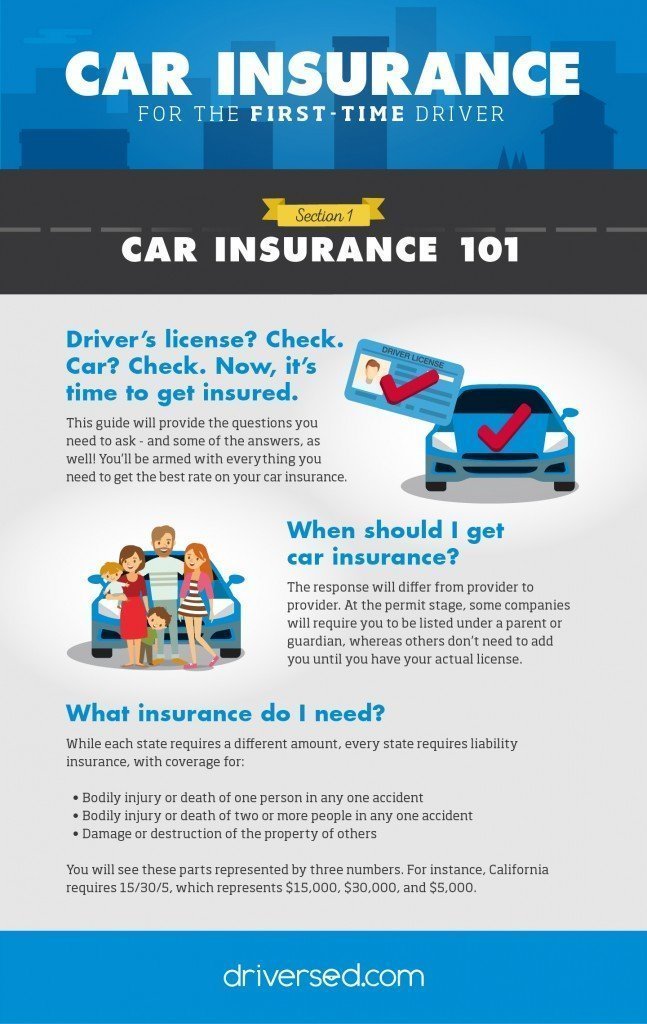
Limits: These are the maximum amounts your insurer will pay for a covered loss. Liability limits are usually expressed as three numbers (e.g., 25/50/25), representing thousands of dollars for bodily injury per person, bodily injury per accident, and property damage per accident, respectively. Higher limits offer more protection but result in higher premiums.
Exploring Discounts to Save Money
Discounts are a powerful tool for reducing your premium. Always ask your potential insurer about all available discounts.
-
Good Driver Discount: For drivers with a clean record over a specified period.
-
Multi-Policy/Bundling Discount: Combining auto insurance with other policies (like home or renters insurance) from the same provider.
-
Safe Vehicle Features: Discounts for cars with advanced safety features (e.g., anti-lock brakes, airbags, advanced driver-assistance systems).
-
Good Student Discount: Available to high school or college students who maintain a certain GPA.
-
Low Mileage Discount: For those who drive below a certain annual mileage threshold.
-
Anti-Theft Devices: For vehicles equipped with alarms or tracking systems.
-
Defensive Driving Course: Completing an approved defensive driving course can sometimes earn a discount.
The Role of Your Insurance Agent vs. Online Platforms
You have options when it comes to purchasing insurance:
-
Independent Agents: They work with multiple insurance companies and can shop around on your behalf to find the best rates and coverage. They offer personalized advice and can be invaluable for complex situations.
-
Captive Agents: Represent only one insurance company (e.g., State Farm, Allstate). They have deep knowledge of their company’s products but are limited to those offerings.
-
Online Platforms/Direct Insurers: Websites that allow you to get quotes and purchase policies directly. They often offer competitive rates but require you to do more of the research and comparison yourself.
Each option has its merits. An agent can offer expert guidance, while online platforms can provide quick, convenient comparisons for those comfortable doing their own research.
Beyond the Basics: Maintaining and Optimizing Your Policy
Getting auto insurance isn’t a one-time event; it’s an ongoing relationship. Regularly reviewing and optimizing your policy can ensure you always have the right coverage at the best price.
Regular Policy Review and Adjustments
Life changes, and so should your insurance policy.
-
Annual Review: Make it a habit to review your policy at least once a year, or whenever it’s up for renewal. Premiums can change, and new discounts may become available.
-
Life Events: Inform your insurer about significant life changes. Getting married, moving, buying a new car, adding a new driver to your household (especially a young driver), or even paying off your car loan can all impact your rates and coverage needs. For instance, if you pay off your car, you might consider dropping collision and comprehensive coverage if the vehicle’s value is low enough that it wouldn’t be financially sensible to repair it after an accident.
-
Driving Habits: If your commute changes or you start driving significantly less, inquire about low-mileage discounts or usage-based insurance programs that track your driving behavior.
What to Do After an Accident: A Quick Overview
While the focus of this article is getting insurance, knowing what to do in the unfortunate event of an accident is crucial for leveraging your policy.
-
Ensure Safety: Move to a safe location if possible. Check for injuries.
-
Call 911: Report the accident to the police, especially if there are injuries, significant damage, or if local laws require it.
-
Exchange Information: Get names, contact details, insurance information, and vehicle details from all parties involved.
-
Document Everything: Take photos of the scene, vehicle damage, and any relevant surroundings.
-
Do Not Admit Fault: Stick to the facts when speaking with others or law enforcement.
-
Contact Your Insurer: Report the accident to your insurance company as soon as possible, providing them with all the details you’ve gathered. They will guide you through the claims process.
Financial Tools for Managing Your Insurance
Modern insurance companies often provide online portals or mobile apps that act as powerful financial tools.
-
Digital ID Cards: Access your insurance ID card directly from your phone.
-
Payment Management: Easily view billing statements, make payments, and set up automatic payments.
-
Policy Documents: Access your policy details, declaration pages, and other important documents digitally.
-
Claims Tracking: Monitor the status of any claims you’ve filed.
-
Quote Comparisons: Some apps allow you to easily request quotes for additional coverage or changes.
In conclusion, getting auto insurance is a multi-faceted process that requires preparation, understanding, and ongoing engagement. By diligently gathering your information, thoroughly comparing your options, and regularly reviewing your policy, you can ensure you have the essential financial protection needed for your journey on the road. It’s an investment in your peace of mind and financial security, safeguarding you against the unpredictable costs of driving.
aViewFromTheCave is a participant in the Amazon Services LLC Associates Program, an affiliate advertising program designed to provide a means for sites to earn advertising fees by advertising and linking to Amazon.com. Amazon, the Amazon logo, AmazonSupply, and the AmazonSupply logo are trademarks of Amazon.com, Inc. or its affiliates. As an Amazon Associate we earn affiliate commissions from qualifying purchases.