
In the intricate landscape of personal finance, few assets carry as much financial weight and legal imperative as your automobile. With the privilege of driving comes the critical responsibility of securing adequate car insurance, a financial safeguard against unforeseen liabilities and damages. Yet, merely possessing a policy isn’t enough; understanding how to effectively check and verify your car insurance is a cornerstone of prudent financial management. This comprehensive guide will delve into the multifaceted reasons why verification is crucial, the various methods at your disposal, and the financial implications of maintaining an accurate and current understanding of your coverage.
Why Verifying Your Car Insurance is Crucial for Financial Stability
Car insurance is more than just a legal requirement; it’s a vital financial instrument designed to protect you from potentially devastating costs. Proactively checking your insurance status and details is not just good practice; it’s an essential element of sound personal finance.
Avoiding Legal and Financial Penalties
Driving without valid car insurance is illegal in most jurisdictions, carrying significant financial repercussions. These can range from hefty fines, license suspension, vehicle impoundment, and even jail time. Each of these penalties represents a direct financial drain, not to mention the secondary costs like impound fees, legal fees, and increased future insurance premiums. Regularly checking your insurance ensures you’re always compliant, saving you from these avoidable financial burdens. Furthermore, if you’re involved in an accident without insurance, you could be personally liable for all damages and injuries, which can amount to hundreds of thousands of dollars, potentially leading to bankruptcy.
Ensuring Adequate Coverage for Accidents
The primary financial purpose of car insurance is to cover the costs associated with accidents. If your coverage lapses or you mistakenly believe you have more robust protection than you do, an accident can quickly turn into a financial nightmare. Verifying your policy details confirms that your liability limits are sufficient to protect your assets, and that your collision and comprehensive coverages are active if you rely on them for vehicle repair or replacement. It’s a proactive step to ensure your financial safety net is intact when you need it most.
Protecting Your Assets and Liabilities
Your car is often one of your most significant assets, and your financial liabilities can skyrocket in the event of an accident where you are at fault. Car insurance acts as a shield for your existing wealth and future earnings. By regularly checking your policy, you ensure that your assets—your home, savings, investments—are not vulnerable to claims from a severe accident. It allows you to confirm that your policy covers not just damage to your vehicle but also medical expenses and property damage for other parties involved, protecting you from significant out-of-pocket costs and legal judgments.
Traditional Methods for Insurance Verification
Before the digital age revolutionized access to financial information, checking car insurance relied on physical documentation and direct communication. These methods remain entirely valid and, in some contexts, are still the most reliable ways to verify your policy.
Reviewing Your Insurance Policy Documents
Your official insurance policy document is the ultimate source of truth regarding your coverage. Whether received in physical mail or downloaded digitally, this document outlines every detail: policy number, coverage types, limits, deductibles, premium amounts, policy period, and named drivers. It’s imperative to keep this document organized and accessible. Periodically reviewing it—especially upon renewal or making significant changes—helps you understand your financial commitment and protection. Discrepancies should be addressed immediately with your insurer to prevent future financial surprises.
Contacting Your Insurance Provider Directly
For any uncertainties or specific queries, directly contacting your insurance provider remains one of the most reliable methods. You can call their customer service line, visit a local agent’s office, or utilize their online chat support. When contacting them, have your policy number and personal identification ready. This direct interaction allows you to confirm coverage status, ask about specific benefits, update information, or even request a fresh copy of your insurance ID card or declaration page. It’s an invaluable resource for financial clarity and problem resolution.
Checking Your Insurance ID Card
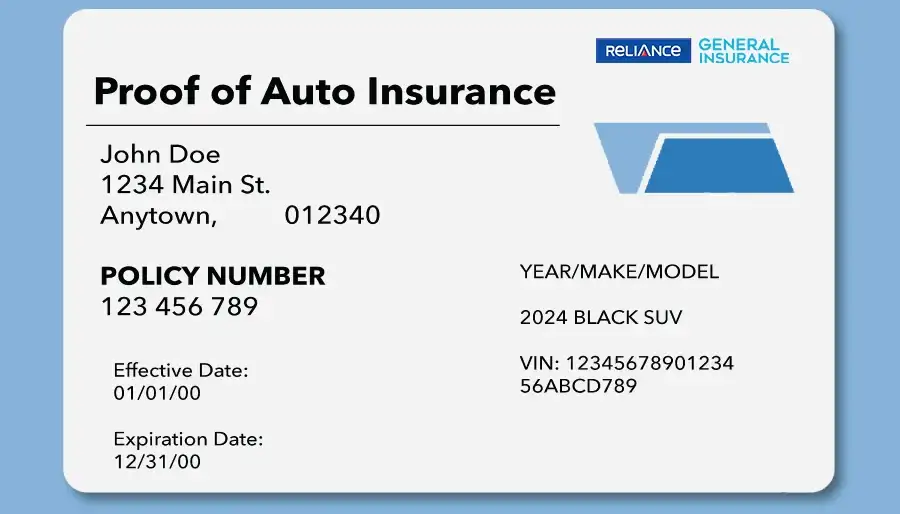
Every insured driver receives an insurance ID card, a condensed summary of your proof of insurance. This card typically includes your policy number, effective dates, vehicle details, and the name of the insured. It’s legally required to carry this card in your vehicle in most places and is the quickest way to provide proof of insurance during a traffic stop or minor accident. While it offers a snapshot, it’s crucial to ensure the dates are current and the vehicle information is accurate. If you receive a new vehicle or your policy renews, ensure you have the most up-to-date card to avoid financial penalties for expired documentation.
Leveraging Digital Tools for Instant Verification
The advent of digital technology has significantly streamlined how individuals manage and check their financial accounts, including car insurance. These digital financial tools offer convenience and immediate access, making proactive financial management easier than ever.
Utilizing Online Insurance Portals and Apps
Most major insurance companies now offer secure online customer portals and dedicated mobile applications. These platforms serve as comprehensive financial dashboards for your policy. After logging in with your credentials, you can typically:
-
View your policy details in real-time.
-
Download or print your insurance ID cards and declaration pages.
-
Make premium payments or set up auto-pay, managing your financial obligations.
-
Update personal or vehicle information, affecting your policy’s accuracy and potential premiums.
-
Initiate a claim, which is a critical financial process.
-
Review billing statements and payment history.
These digital tools empower you with instant access to your insurance financial data, allowing for quick verification and proactive management.
State-Specific Online Verification Systems
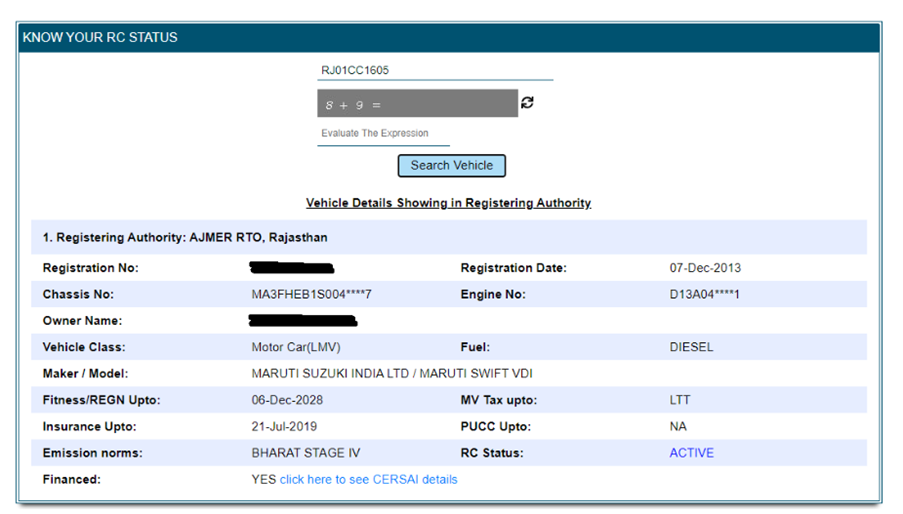
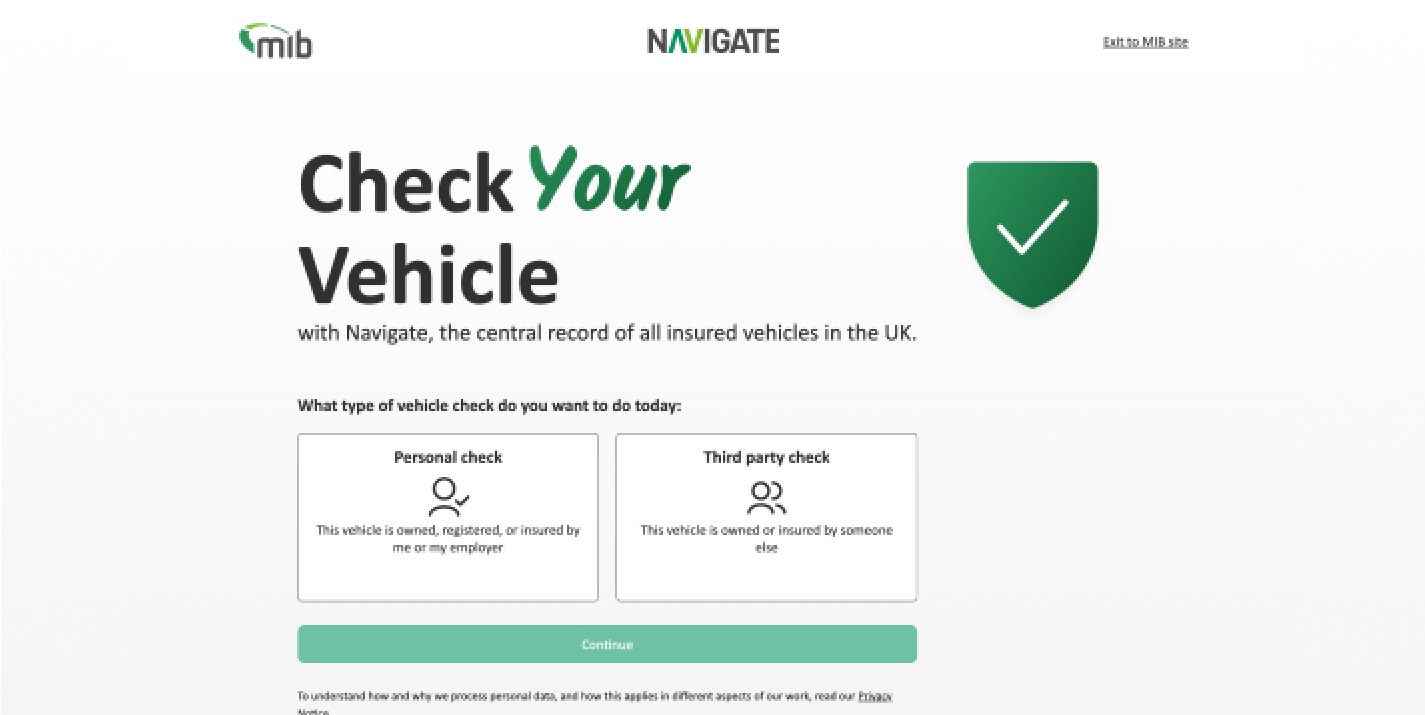
Several states have implemented online insurance verification systems, often accessible through their Department of Motor Vehicles (DMV) or equivalent agency websites. These systems allow law enforcement or even the public (in some cases, with proper authorization) to check the insurance status of a vehicle against a central database. For individuals, these portals can sometimes confirm whether their insurer has reported their active policy to the state, adding an extra layer of financial security and compliance confirmation. It’s a crucial financial infrastructure to reduce uninsured driving.
Third-Party Aggregators and Comparison Sites
While primarily known for helping consumers compare insurance quotes and potentially save money, many third-party aggregators and comparison websites can also offer tools to retrieve or verify policy information, especially if you initially purchased through them. Be cautious, however, and always cross-reference any information from these sites with your actual insurer’s official portal or direct communication. They can be valuable financial tools for discovery but should not be the sole source of truth for your active policy details.
When and How Often Should You Check Your Car Insurance?
Financial discipline extends to how frequently you review your insurance. While it might seem mundane, regular checks can prevent significant financial pitfalls and ensure your coverage always aligns with your needs.
Annually at Renewal Time
The annual renewal period is the most critical time for a comprehensive insurance check-up. Before automatically renewing, take the time to:
-
Review your current policy details against your actual needs. Has anything changed?
-
Check for any new discounts you might be eligible for (e.g., safe driver, multi-policy).
-
Compare your current premium with quotes from other providers to ensure you’re still getting competitive financial value.
-
Confirm your chosen payment plan and method.
This annual financial audit ensures your policy remains optimized for cost and coverage.
After Significant Life Changes
Life events often have significant financial implications, and car insurance is no exception. It’s imperative to check and potentially adjust your policy after:
-
Purchasing a New Vehicle: Different cars have different insurance costs and coverage requirements.
-
Adding or Removing a Driver: Especially young drivers, who significantly impact premiums.
-
Changing Your Address: Your geographic location is a major factor in premium calculation.
-
Major Accidents or Violations: These will likely affect your rates and might necessitate a review of your coverage strategy.
-
Marriage or Divorce: These changes can alter who is covered and your financial obligations.
Always notify your insurer promptly about these changes to ensure your policy accurately reflects your current situation and to avoid financial issues during a claim.
Before Driving a New Vehicle or Lending Yours
If you’re about to drive a newly purchased vehicle, even temporarily, confirm it’s covered under your existing policy or that you’ve secured new coverage. Similarly, before lending your car to another person, understand the financial implications: does your policy extend to other drivers? Is there a permissive use clause? Knowing these details upfront can prevent significant financial complications if an incident occurs.
If You Suspect Fraud or Errors
Trust your instincts. If a bill seems unusually high, a policy document looks off, or you receive communication that doesn’t seem right, immediately check your insurance status. Fraudulent activities or administrative errors can have severe financial consequences. Prompt verification can help you catch and rectify these issues before they escalate.
Understanding Your Policy Details During Verification
Simply checking that you have insurance isn’t enough; you must also understand what your insurance covers. This deep dive into policy specifics is vital for making informed financial decisions.
Deciphering Coverage Types and Limits
Your policy will detail various coverage types, each with its own financial limits:
-
Liability Coverage: Pays for damages and injuries you cause to others. Understanding your limits (e.g., 50/100/25) is crucial for protecting your personal assets.
-
Collision Coverage: Pays for damage to your vehicle from a collision, regardless of fault.
-
Comprehensive Coverage: Covers damage to your car from non-collision events like theft, vandalism, fire, or natural disasters.
-
Uninsured/Underinsured Motorist (UM/UIM): Protects you if you’re hit by a driver with insufficient or no insurance, covering medical bills and property damage.
-
Medical Payments/Personal Injury Protection (PIP): Covers medical expenses for you and your passengers, regardless of fault.
Each of these components represents a specific financial protection or risk mitigation strategy.
Deductibles and Premiums: What They Mean for Your Wallet
-
Premiums: The regular payments you make to maintain your policy. Understanding how they are calculated and what factors influence them (driving record, vehicle type, location) helps you manage your ongoing financial commitment.
-
Deductibles: The amount you must pay out-of-pocket before your insurance coverage kicks in for collision or comprehensive claims. A higher deductible typically means a lower premium, representing a financial trade-off between upfront cost and potential future out-of-pocket expense. Choose a deductible you can comfortably afford in an emergency.
Endorsements and Exclusions: Hidden Financial Implications
Your policy may include endorsements (additions that modify coverage) or exclusions (specific situations not covered). These can have significant financial implications. For example, an endorsement might add rental car reimbursement, while an exclusion might limit coverage if you use your personal vehicle for ride-sharing. Scrutinize these details to avoid unexpected financial burdens.
Importance of Accurate Personal Information
Ensure all personal details (name, address, date of birth, driver’s license number) and vehicle information (VIN, make, model, year) on your policy are precisely correct. Inaccuracies can lead to claims being denied or delayed, causing significant financial stress and potentially invalidating your coverage when you need it most.
What to Do If Your Insurance Information is Incorrect or Missing
Discovering an error or missing information can be alarming, but prompt action can mitigate potential financial fallout.
Immediate Contact with Your Insurer
As soon as you notice an error or discrepancy, contact your insurance provider. Explain the issue clearly and provide any supporting documentation. It’s crucial to get the correction formally recorded and confirmed. If your policy appears missing, they can confirm its status.
Documenting Communications
Maintain a detailed record of all communications with your insurer, including dates, times, names of representatives, and a summary of the discussion. Keep copies of any corrected policy documents or confirmation emails. This documentation is your financial proof and can be invaluable if disputes arise later.
Seeking Professional Financial Advice
If the issue is complex, involves significant financial risk, or you suspect foul play, consider seeking advice from a financial advisor or a legal professional specializing in insurance. They can offer guidance on your rights and the best course of action to protect your financial interests.
In conclusion, understanding how to check your car insurance is a fundamental aspect of responsible personal finance. It empowers you to maintain legal compliance, protect your assets, and navigate the road with confidence, knowing that your financial security is robustly maintained. By utilizing traditional methods alongside modern digital tools and maintaining a proactive approach to verification, you ensure your car insurance always serves its intended purpose: a dependable financial safety net.
aViewFromTheCave is a participant in the Amazon Services LLC Associates Program, an affiliate advertising program designed to provide a means for sites to earn advertising fees by advertising and linking to Amazon.com. Amazon, the Amazon logo, AmazonSupply, and the AmazonSupply logo are trademarks of Amazon.com, Inc. or its affiliates. As an Amazon Associate we earn affiliate commissions from qualifying purchases.