
In an increasingly uncertain world, insurance serves as a critical financial safety net, protecting individuals and businesses from unforeseen perils. From safeguarding our homes and vehicles to ensuring our health and securing our loved ones’ futures, insurance provides a layer of security that is often indispensable. However, the cost of this vital protection can be a significant concern for many. The quest for “cheap” insurance isn’t about compromising on necessary coverage, but rather about optimizing value – finding the right balance between comprehensive protection and affordable premiums. This guide delves into the strategies, insights, and financial wisdom required to navigate the complex insurance landscape and secure coverage that fits both your needs and your budget.
Understanding the Quest for Affordable Coverage
The term “cheap insurance” can be misleading if not properly understood. It doesn’t inherently mean low-quality or insufficient coverage. Instead, it speaks to the desire for financial efficiency, ensuring that one pays the lowest possible premium for the highest possible value. This nuanced understanding is the first step toward effective insurance shopping.
The Fundamental Need for Insurance
Insurance is fundamentally about risk transfer. Instead of bearing the full financial burden of a potential catastrophe – a car accident, a house fire, a major illness – individuals pay a smaller, predictable premium to an insurance company. In return, the insurer assumes the financial risk, agreeing to pay out a much larger sum if a covered event occurs. This mechanism provides peace of mind and prevents financial ruin. Without adequate insurance, a single unfortunate event could wipe out savings, lead to insurmountable debt, or even jeopardize one’s ability to maintain a stable financial future. Therefore, the goal isn’t to avoid insurance, but to find it at a sustainable price.
Defining “Cheap” Insurance: Value vs. Low Cost
Simply chasing the absolute lowest premium without understanding what it covers is a common pitfall. A policy might appear cheap, but it could come with high deductibles, limited coverage, numerous exclusions, or inadequate limits that leave you exposed to significant out-of-pocket expenses when a claim arises. True “cheap insurance” is about finding a policy that offers:
-
Adequate Coverage: Enough to protect against significant financial loss without over-insuring minor risks.
-
Reasonable Premiums: A cost that is sustainable within your budget.
-
Reliable Insurer: A company with a strong financial rating and a reputation for fair claims handling.
The objective, therefore, is to achieve optimal value, where the cost-benefit ratio is favorable. It’s about being smart with your money, not just spending less.
Key Factors Influencing Insurance Premiums
Insurance premiums are not arbitrary figures. They are meticulously calculated based on a vast array of data points and actuarial science, reflecting the perceived risk an individual or entity presents to the insurer. Understanding these underlying factors is crucial for identifying areas where you might be able to influence your costs.
Personal Risk Profile
Every insurance policy begins with an assessment of the applicant’s risk profile. For auto insurance, this includes driving history (accidents, violations), type of vehicle, age, and even credit score in some states. For health insurance, factors like age, pre-existing conditions (though less impactful under ACA), and lifestyle choices (smoking) play a role. Home insurance considers the property’s location, age, construction, and claims history. The higher the perceived risk of a claim, the higher the premium. Conversely, demonstrating a lower risk often leads to lower rates.
Type and Extent of Coverage
The specific components and limits of your policy directly impact its cost. Choosing comprehensive coverage over basic liability will naturally increase premiums. Opting for higher coverage limits (e.g., $500,000 liability instead of $100,000) also adds to the price. Conversely, selecting a higher deductible – the amount you pay out-of-pocket before insurance kicks in – will typically lower your premium, as you are taking on more initial risk yourself. Tailoring your coverage to your actual needs, rather than opting for boilerplate solutions, can lead to significant savings.
Demographics and Location
Where you live, and to some extent, who you are, can heavily influence insurance costs. Urban areas often have higher auto and home insurance rates due to increased traffic density, higher crime rates, or greater exposure to natural disasters. Your age and gender can also be factors, particularly in auto insurance, where younger drivers and males historically have higher accident rates. These demographic and geographic data points are used by insurers to segment risk and price policies accordingly.
Provider Business Models and Overhead
Different insurance companies have different business models, operational efficiencies, and marketing strategies, all of which contribute to their pricing. Some operate primarily online, reducing overhead costs, while others maintain extensive networks of local agents. Some specialize in high-risk clients, while others target lower-risk demographics. Captive agents (who sell only one company’s products) and independent agents (who can quote policies from multiple carriers) also represent different sales channels with varying cost structures. Exploring a range of providers is essential because their underlying costs and target markets will result in different premium offerings for the exact same coverage.
Strategies to Secure More Affordable Insurance Rates
Once you understand what drives insurance costs, you can actively implement strategies to lower your premiums without sacrificing essential protection. This proactive approach is key to finding genuinely cheap insurance.
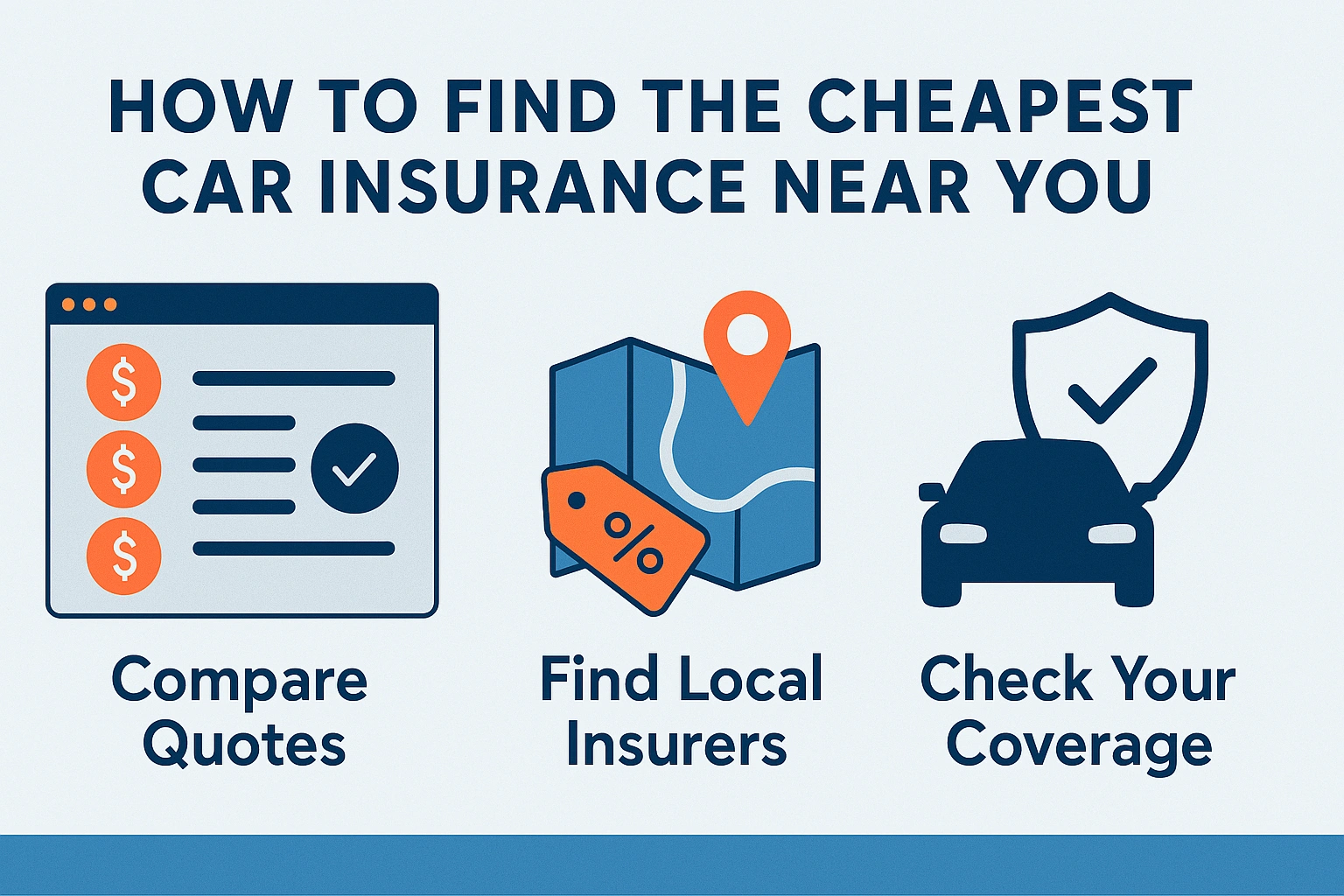
Comparison Shopping Across Multiple Providers
This is arguably the single most effective strategy. Do not settle for the first quote you receive or blindly renew your policy year after year. Insurance markets are competitive, and prices for the same coverage can vary significantly between companies. Utilize online comparison tools, consult independent agents, or directly contact multiple insurers to obtain a minimum of three to five quotes. This process often reveals substantial discrepancies, allowing you to choose the most cost-effective option.
Bundling Policies for Discounts
Many insurance companies offer discounts when you purchase multiple policies from them, such as combining auto and home insurance, or adding life insurance. These “multi-policy” or “bundling” discounts can sometimes be substantial, potentially saving you 10-25% on your total premiums. Always inquire about bundling options and compare the total bundled price against individual policies from different providers.
Maximizing Deductibles and Minimizing Coverage Extras
As mentioned earlier, a higher deductible means you pay more out-of-pocket before your insurance kicks in, which in turn lowers your premium. If you have a robust emergency fund, increasing your deductible from, say, $500 to $1,000 or even $2,500 can lead to noticeable savings. Similarly, scrutinize “extras” or add-ons to your policy. Do you really need roadside assistance if your vehicle is new and reliable? Are you paying for rental car reimbursement if you have a second vehicle or access to public transport? Trimming unnecessary coverage can reduce costs.

Improving Your Risk Profile
Taking steps to become a less risky client can directly translate into lower premiums:
-
Safe Driving: Maintain a clean driving record free of accidents and tickets. Consider telematics programs (usage-based insurance) that monitor your driving habits and reward safe drivers.
-
Good Credit: In many states, a good credit score is correlated with responsible financial behavior, which insurers link to a lower likelihood of filing claims.
-
Home Security: Installing alarms, smoke detectors, carbon monoxide detectors, deadbolts, and even smart home security systems can qualify you for discounts on home insurance.
-
Health & Lifestyle: Maintaining good health, not smoking, and participating in wellness programs can sometimes reduce health or life insurance premiums.
Leveraging Discounts and Special Programs
Beyond bundling and risk reduction, many insurers offer a variety of discounts:
-
Loyalty Discounts: For long-term customers.
-
Good Student Discounts: For young drivers with strong academic records.
-
Multi-Vehicle Discounts: For insuring more than one car.
-
Occupation/Affinity Discounts: For members of certain professional organizations, alumni associations, or employers.
-
Low Mileage Discounts: For drivers who don’t log many miles annually.
-
Anti-Theft Device Discounts: For vehicles equipped with approved security features.
Always ask your agent or insurer about every available discount you might qualify for.
Reviewing Policies Annually
Your insurance needs and life circumstances change over time. A yearly review of your policies ensures that your coverage remains appropriate and that you’re not overpaying. Have you paid off your car? You might no longer need gap insurance. Have you installed a new roof? That could warrant a discount on home insurance. A quick annual check-up can uncover new opportunities for savings or alert you to necessary adjustments in coverage.
Navigating Different Insurance Types for Cost Savings
The strategies for finding cheap insurance often vary depending on the specific type of coverage you need. Tailoring your approach to each category can yield better results.
Auto Insurance: Usage-Based vs. Traditional
For auto insurance, consider telematics programs that track your driving behavior. Safe, low-mileage drivers can often receive significant discounts. Also, assess the value of your vehicle. If your car is older and has a low market value, the cost of collision and comprehensive coverage might outweigh the potential payout in the event of an accident. In such cases, dropping these coverages and relying solely on liability might be a financially prudent choice, assuming you can cover minor damages yourself.
Homeowner’s/Renter’s Insurance: Mitigation & Preventative Measures
Beyond security systems, take steps to mitigate potential risks to your home. Reinforcing your roof, upgrading plumbing and electrical systems, and making your home more resilient to natural disasters (e.g., hurricane shutters, earthquake retrofitting) can often lead to discounts. For renters, renter’s insurance is often remarkably inexpensive but provides crucial protection for your personal belongings and liability. Don’t overlook it as an affordable necessity.
Health Insurance: High-Deductible Plans & HSAs
For health insurance, if you are generally healthy and rarely visit the doctor, a high-deductible health plan (HDHP) coupled with a Health Savings Account (HSA) can be a cost-effective solution. HDHPs have lower monthly premiums, and HSAs offer triple tax advantages (tax-deductible contributions, tax-free growth, tax-free withdrawals for qualified medical expenses), allowing you to save for future medical costs while lowering your taxable income.
Life Insurance: Term vs. Whole Life Considerations
When it comes to life insurance, term life insurance is almost always “cheaper” than whole life insurance for the same coverage amount. Term life provides coverage for a specific period (e.g., 10, 20, or 30 years) and is designed purely for income replacement, making it ideal for young families or individuals with outstanding debts. Whole life, while offering a savings component and lifelong coverage, comes with significantly higher premiums and is typically considered an investment product rather than just pure protection. For most people seeking affordable coverage, term life is the clear choice.
The Role of Financial Planning in Long-Term Insurance Savings
Finding cheap insurance isn’t just about tactical moves in the short term; it’s an integral part of broader financial planning. A robust financial strategy can reduce your overall reliance on insurance for minor incidents, allowing you to focus on securing coverage for truly catastrophic events.
Building an Emergency Fund to Self-Insure Minor Risks
A well-funded emergency savings account is your first line of defense against unexpected financial shocks. By having 3-6 months’ worth of living expenses saved, you can afford to take on higher deductibles for your insurance policies, knowing that you can cover the initial out-of-pocket costs if a claim arises. This “self-insurance” for smaller risks directly translates to lower insurance premiums. It also means you won’t need to file claims for minor incidents that might otherwise raise your future premiums.
Understanding Your True Coverage Needs
Financial planning helps you gain clarity on what assets you truly need to protect and what risks you genuinely cannot afford to bear yourself. Are you over-insured for an asset that has depreciated significantly? Do you have sufficient liability coverage given your net worth? A holistic view of your finances allows you to tailor your insurance portfolio precisely, avoiding both under-insurance and the costly mistake of over-insurance. This understanding is dynamic and should evolve with your life stages – marriage, children, homeownership, career changes, and retirement all impact your insurance requirements.
Working with an Independent Insurance Agent or Financial Advisor
While online tools are excellent for comparison, an independent insurance agent or a financial advisor can provide invaluable guidance. An independent agent works with multiple insurance companies, allowing them to shop around on your behalf and find the best rates for your specific situation. A financial advisor, on the other hand, can integrate your insurance needs into your broader financial plan, helping you determine appropriate coverage limits, identify potential gaps, and even strategize how insurance fits into your long-term wealth protection and growth goals. Their expertise can uncover savings and optimize coverage in ways that self-service options might miss.
In conclusion, finding “cheap” insurance is a journey that combines diligent research, smart decision-making, and proactive financial management. By understanding the factors that influence premiums, implementing savvy strategies, and integrating insurance into your overall financial plan, you can secure the vital protection you need without straining your budget. It’s about being an informed consumer, constantly evaluating your options, and making choices that align with your financial well-being.
aViewFromTheCave is a participant in the Amazon Services LLC Associates Program, an affiliate advertising program designed to provide a means for sites to earn advertising fees by advertising and linking to Amazon.com. Amazon, the Amazon logo, AmazonSupply, and the AmazonSupply logo are trademarks of Amazon.com, Inc. or its affiliates. As an Amazon Associate we earn affiliate commissions from qualifying purchases.