
The excitement of buying a new car is undeniable. From test drives to envisioning yourself behind the wheel of your dream vehicle, the process can be exhilarating. However, amidst the thrill of selecting the perfect make, model, and trim, many prospective car owners overlook a critical financial step that can significantly impact their overall budget: obtaining an insurance quote before finalizing the purchase. This seemingly small oversight can lead to unexpected expenses, budget overruns, and even buyer’s remorse. Understanding your potential insurance costs upfront isn’t just a smart financial move; it’s an essential component of responsible car ownership, empowering you to make informed decisions that align with your financial goals. By proactively seeking insurance quotes, you gain clarity on the true cost of owning a vehicle, allowing you to budget more accurately and avoid unwelcome surprises after you’ve driven off the lot.
Why Pre-Purchase Insurance Quotes Are Essential for Your Wallet
Embarking on the car buying journey without a clear understanding of your insurance costs is akin to setting sail without checking the weather — you might be in for a rough ride. Insurance premiums represent a significant ongoing expense, often as substantial as your monthly car payment, fuel costs, and maintenance combined. Integrating this crucial piece of the financial puzzle into your decision-making process offers profound benefits, safeguarding your budget and enhancing your financial foresight.
Budgeting Accuracy
The sticker price or monthly loan payment of a car only tells part of the financial story. A truly accurate car budget must encompass all associated costs, and insurance is a major player. Knowing your estimated insurance premium allows you to create a realistic and comprehensive monthly budget. This prevents you from committing to a car payment that, when combined with an unexpectedly high insurance premium, strains your finances. For instance, a vehicle that appears affordable might carry a much higher insurance premium due to its performance, theft risk, or repair costs, fundamentally altering its true affordability for you. By getting quotes beforehand, you can factor in these crucial numbers, ensuring your budget remains balanced and sustainable.
Understanding Total Cost of Ownership
Purchasing a car involves more than just the initial price tag. The total cost of ownership (TCO) includes depreciation, fuel, maintenance, repairs, registration, and, critically, insurance. Many buyers are acutely aware of fuel economy and maintenance costs but frequently underestimate or entirely neglect the insurance component of TCO. Getting insurance quotes for different models you’re considering provides a holistic view of ownership expenses. This broader perspective enables a more financially prudent decision, allowing you to weigh the trade-offs between a cheaper car with higher insurance and a more expensive one with lower premiums. It transforms a potentially emotional purchase into a strategic financial investment, where every dollar spent is accounted for and understood.
Avoiding Sticker Shock
Imagine you’ve found your dream car, negotiated a fantastic deal, and are ready to sign the papers. Then, you contact your insurance provider only to discover that the annual premium for this particular vehicle is hundreds, or even thousands, more than you anticipated. This “insurance sticker shock” can be devastating, forcing you to either stretch your budget uncomfortably thin or back out of a deal you were excited about. By obtaining quotes in advance, you eliminate this risk. You’ll know exactly what you’re getting into, allowing you to confidently proceed with your purchase, secure in the knowledge that your insurance costs are manageable and predictable. This proactive approach saves you from potential disappointment, financial strain, and the hassle of last-minute budget adjustments.
Factors Influencing Your Car Insurance Premium
Car insurance premiums are not arbitrary figures; they are meticulously calculated based on a complex interplay of various factors. Understanding these elements can demystify the quoting process and help you anticipate why certain vehicles or circumstances might lead to higher or lower rates. Each variable contributes to the insurer’s assessment of risk, ultimately determining the cost you’ll pay for coverage.
Driver-Related Factors
Your personal profile plays a significant role in how insurance companies assess your risk. Key elements include your age, with younger, less experienced drivers typically facing higher premiums. Your driving record is paramount; a history of accidents, traffic violations, or DUIs will almost certainly result in elevated costs. Your location is also critical, as urban areas with higher traffic density and theft rates usually translate to more expensive insurance than rural areas. Additionally, your credit score (in many states) can influence premiums, as insurers often correlate higher scores with responsible behavior. Even your marital status can be a factor, with married individuals sometimes receiving lower rates due to statistical data suggesting they are less likely to file claims.
Vehicle-Related Factors
The car itself is a major determinant of its insurance cost. The make, model, and year directly influence repair costs, parts availability, and the vehicle’s market value. Luxury cars, sports cars, and vehicles with expensive imported parts generally cost more to insure. The engine size and overall performance capability can also increase premiums, as they are often associated with a higher risk of accidents. Safety features, such as advanced driver-assistance systems (ADAS), anti-lock brakes, and airbags, can lead to discounts because they reduce the likelihood or severity of accidents. Conversely, vehicles with high theft rates, easily identifiable through reports from organizations like the National Insurance Crime Bureau (NICB), will typically command higher premiums. The cost to replace or repair the vehicle if it’s damaged is a fundamental aspect of the premium calculation.
Coverage Choices and Deductibles
Beyond personal and vehicle factors, the type and amount of coverage you choose, alongside your deductible, significantly impact your premium. State laws mandate minimum liability coverage, which pays for damages and injuries you cause to others. However, most drivers opt for additional coverage:
-
Comprehensive coverage protects against non-collision incidents like theft, vandalism, fire, and natural disasters.
-
Collision coverage pays for damages to your own vehicle resulting from an accident, regardless of fault.
-
Uninsured/Underinsured Motorist coverage protects you if you’re hit by a driver without sufficient insurance.
-
Medical Payments/Personal Injury Protection (PIP) covers medical expenses for you and your passengers.
-
Roadside Assistance and Rental Reimbursement are optional add-ons.
Each additional coverage increases your premium. Similarly, your deductible – the amount you pay out-of-pocket before your insurance kicks in for comprehensive and collision claims – directly affects your rate. A higher deductible generally means a lower premium, and vice-versa. Striking the right balance between robust protection and affordable premiums requires careful consideration of your financial situation and risk tolerance.
The Step-by-Step Process to Obtain Accurate Quotes
Securing accurate insurance quotes before buying a car doesn’t have to be a daunting task. With a systematic approach and the right information at hand, you can efficiently gather the data needed to make an informed financial decision. The goal is to obtain comprehensive and comparable quotes from multiple providers, ensuring you get the best coverage at the most competitive price.
Gather Necessary Information
Before you even begin contacting insurers, compile all the essential data they will need. This includes:
-
Personal Details: Your full name, date of birth, address, marital status, and driver’s license number for all drivers to be insured.
-
Driving History: Details on any accidents (fault or non-fault), traffic violations, or claims filed in the past 3-5 years.
-
Desired Coverage: Have a general idea of the types of coverage you want (e.g., liability limits, comprehensive, collision) and preferred deductible amounts. While you can adjust this later, an initial estimate helps.
-
Vehicle Information (for potential cars): If you have specific cars in mind, gather their make, model, year, trim level, and any available safety features. If you have a specific car identified, even a potential VIN can provide the most accurate quote. For multiple cars, you’ll need this information for each.
-
Current Insurance Details: If you already have insurance (e.g., for another car or renter’s insurance), your current policy number and provider can be helpful, especially for potential multi-policy discounts.
Utilize Online Comparison Tools
In the digital age, comparing insurance quotes has never been easier. Online comparison websites (aggregators) allow you to input your information once and receive quotes from multiple insurers simultaneously. This saves an immense amount of time and effort compared to visiting each insurer’s website individually. Popular tools include sites like Progressive, Geico, Allstate, and many independent aggregators that work with dozens of carriers. While convenient, remember that not all insurers participate in every comparison tool, so it’s wise to supplement this approach. You can also visit individual insurer websites directly to get quotes, often revealing options or discounts not always present on third-party aggregators.
Contact Insurance Agents/Brokers
While online tools offer speed, working with a licensed insurance agent or broker provides a personalized touch and expertise.
-
Captive agents work exclusively for one insurance company (e.g., State Farm, Farmers). They are experts on their company’s products and can help you navigate their specific offerings and discounts.
-
Independent agents or brokers work with multiple insurance companies. They can shop around on your behalf, comparing policies from various providers to find the best fit and price.
Agents can explain complex coverage options, identify potential discounts you might miss, and provide guidance tailored to your unique situation. They are particularly valuable if you have a complicated driving history, unique coverage needs, or want to bundle multiple policies (auto, home, life). They can also offer insights into an insurer’s customer service reputation and claims process, which are crucial considerations beyond just price.
Request Multiple Quotes
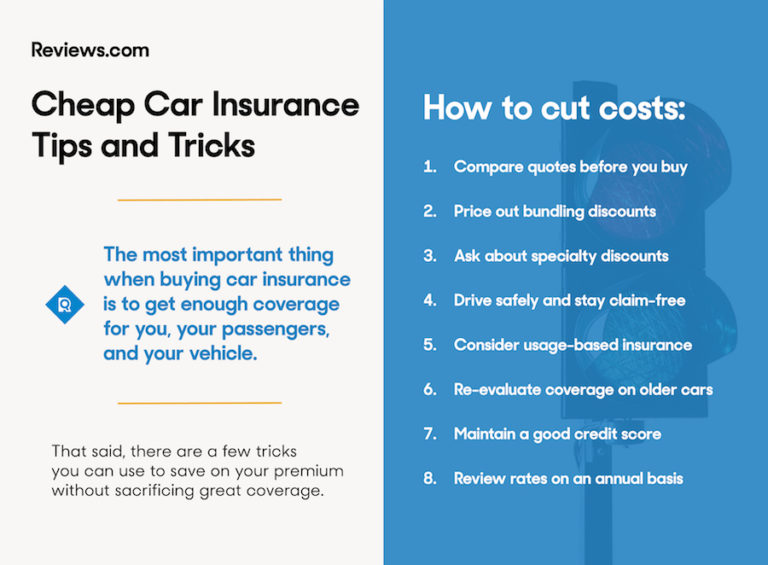
Regardless of whether you use online tools, agents, or a combination, the golden rule of insurance shopping is to obtain multiple quotes. Do not settle for the first quote you receive. Prices for identical coverage can vary significantly from one insurer to another because each company has its own underwriting criteria, risk assessment models, and discount structures. Aim for at least 3-5 quotes to ensure you’re getting a competitive rate. Keep all your quotes organized, noting the coverage details, deductibles, and total premium for easy comparison later. This due diligence can lead to substantial savings over the life of your car ownership.
Interpreting and Comparing Your Insurance Quotes
Once you’ve collected several insurance quotes, the next crucial step is to analyze them effectively. It’s not enough to simply eyeball the bottom-line price; a deeper dive into the specifics of each offer is essential to ensure you’re making a truly informed financial decision. A seemingly cheaper quote might hide critical gaps in coverage, while a slightly higher one could offer invaluable peace of mind.
Beyond the Bottom Line: Understanding Coverage Details
The primary mistake many people make is choosing the cheapest quote without understanding what it actually covers. Carefully compare the following across all your quotes:
-
Liability Limits: Are the bodily injury and property damage liability limits consistent? Higher limits offer better protection against large claims, potentially saving you from significant out-of-pocket expenses if you’re at fault in a serious accident.
-
Deductibles: Are the deductibles for comprehensive and collision coverage the same? A lower deductible means you pay less out of pocket for a claim, but it also translates to a higher premium. Ensure you’re comfortable with the deductible amount for each quote.
-
Included Coverages: Check for specifics like uninsured/underinsured motorist coverage, medical payments/PIP, rental car reimbursement, and roadside assistance. Some quotes might include these as standard, while others offer them as optional add-ons, impacting the total price.
-
Exclusions: While less common in standard quotes, be aware of any specific exclusions that might apply.
Ensure you’re comparing “apples to apples” – that is, quotes that offer the same types and levels of coverage. If one quote is significantly lower, scrutinize its coverage details carefully to understand why.
Identifying Potential Discounts
Insurance companies offer a myriad of discounts that can significantly reduce your premium. When comparing quotes, identify which discounts have been applied and inquire about others you might qualify for. Common discounts include:
-
Bundling Discounts: Combining auto insurance with home, renters, or life insurance from the same provider often yields significant savings.
-
Good Driver Discounts: For drivers with a clean record over a specified period.
-
Safe Vehicle Discounts: For cars equipped with certain safety features like anti-lock brakes, airbags, or anti-theft devices.
-
Good Student Discounts: For young drivers who maintain a certain GPA.
-
Low Mileage Discounts: If you drive fewer miles than average.
-
Professional/Affiliation Discounts: For members of certain professions, alumni associations, or organizations.
-
Multi-Car Discounts: For insuring multiple vehicles with the same company.
-
Payment Discounts: For paying in full, enrolling in autopay, or choosing paperless billing.
An agent can be particularly helpful in uncovering all eligible discounts, ensuring you maximize your savings without compromising on essential coverage.
Reading the Fine Print
Finally, before committing to any policy, take the time to read the fine print. This includes understanding the terms and conditions, cancellation policies, claim processes, and any specific endorsements or limitations. While dense, this information is crucial for understanding your rights and responsibilities as a policyholder. Familiarize yourself with how to file a claim, what documentation is required, and the expected timeline for resolution. Knowing these details upfront can save you considerable stress and potential financial headaches if you ever need to use your insurance. Understanding the subtleties of each policy allows you to select the one that offers the best value, combining robust coverage with an affordable premium and reliable customer service.
Leveraging Quotes for Smart Car Buying Decisions
Armed with detailed insurance quotes, you’re no longer just a hopeful car buyer; you’re a strategic financial planner. This invaluable insight empowers you to make smarter decisions throughout the entire car acquisition process, potentially saving you thousands of dollars over the lifetime of your vehicle. The quotes transform from mere numbers into powerful negotiation and planning tools.
Adjusting Your Car Choice Based on Insurance Costs
The most immediate benefit of pre-purchase insurance quotes is the ability to adjust your car choice based on the full cost of ownership. You might discover that the sleek sports car you’ve been eyeing carries an exorbitant insurance premium due to its high performance and theft risk, making it financially unfeasible. Conversely, a slightly more expensive sedan with advanced safety features might surprisingly have a lower insurance premium, making its overall monthly cost (loan + insurance) more affordable than a cheaper alternative. These quotes allow you to:
-
Re-evaluate your priorities: If insurance on your dream car is too high, are there similar models that offer a better insurance rate?
-
Compare seemingly disparate options: See how a luxury used car’s insurance compares to a new economy car.
-
Optimize for long-term savings: Choosing a car that is cheaper to insure can lead to substantial savings over several years, offsetting a potentially higher purchase price or simply freeing up more of your budget.
This proactive approach ensures that your final car selection is not just emotionally appealing, but also financially sound and sustainable.
Negotiating with Dealerships
Knowledge is power, especially when negotiating with car dealerships. When you walk in knowing precisely what your insurance costs will be for various models, you gain a significant advantage. You’re no longer just negotiating the purchase price; you’re negotiating the total cost of owning that vehicle.
-
Leverage high insurance costs: If a particular model carries an unexpectedly high insurance premium, you can use this as a bargaining chip to negotiate a lower sale price or additional features. You can articulate that the high ongoing insurance cost impacts your total budget, justifying a deeper discount.
-
Avoid upsells: Dealerships might try to sell you expensive add-ons like extended warranties or premium service packages. Knowing your full financial picture, including insurance, helps you determine if these add-ons truly fit within your budget or if they are unnecessary extras that push you past your financial comfort zone.
-
Walk away confidently: If the numbers, including the insurance premium, don’t align with your budget even after negotiation, you can walk away from a deal with confidence, knowing you’ve done your due diligence and avoided a potential financial burden.
This comprehensive understanding prevents you from being swayed by purely emotional arguments and keeps you firmly grounded in financial reality.
Securing Your Policy Before Driving Off the Lot
The final, and perhaps most critical, step is to ensure your insurance policy is in place and active before you drive your new car off the dealership lot. It is illegal and incredibly risky to drive an uninsured vehicle.
-
Confirm policy start date: Work with your chosen insurance provider to set the effective date of your policy to coincide with your car purchase.
-
Proof of insurance: Most dealerships will require proof of insurance before allowing you to complete the sale and take possession of the vehicle. Have your insurance card or declaration page ready, either physically or digitally.
-
Temporary vs. permanent: If you’re still finalizing some details, some insurers can provide temporary coverage until your permanent policy is issued. Ensure you understand the terms of any temporary arrangements.
By handling the insurance aspect proactively, you eliminate any last-minute stress, ensure legal compliance, and protect your new investment from the moment it becomes yours. This seamless transition from quoting to coverage is the hallmark of a financially savvy car buyer.

Conclusion
The journey of buying a car is filled with choices, and making financially sound decisions is paramount. By understanding “how to get an insurance quote before buying a car” and diligently applying this knowledge, you transform a potentially overwhelming expense into a manageable and predictable cost. This proactive approach ensures budgeting accuracy, unveils the true total cost of ownership, and shields you from the dreaded insurance sticker shock. Leveraging competitive quotes empowers you to make smarter vehicle choices, strengthens your negotiation position at the dealership, and guarantees you’re legally protected the moment you take possession of your new ride. In the realm of personal finance, foresight is currency, and securing your insurance quote early is one of the smartest investments you can make in your next vehicle purchase.
aViewFromTheCave is a participant in the Amazon Services LLC Associates Program, an affiliate advertising program designed to provide a means for sites to earn advertising fees by advertising and linking to Amazon.com. Amazon, the Amazon logo, AmazonSupply, and the AmazonSupply logo are trademarks of Amazon.com, Inc. or its affiliates. As an Amazon Associate we earn affiliate commissions from qualifying purchases.