
In the intricate tapestry of personal finance, car insurance stands as a crucial, often mandatory, thread. It’s more than just a legal requirement; it’s a fundamental financial safeguard designed to protect individuals from the potentially catastrophic costs associated with vehicle accidents, theft, or damage. For anyone owning or operating a vehicle, understanding where to get car insurance and how to make the most financially sound decision is paramount. This article delves into the various avenues available, the financial factors at play, and how to integrate car insurance seamlessly into a robust personal financial plan.

The Financial Imperative of Car Insurance
Before exploring the ‘where,’ it’s vital to grasp the ‘why.’ Car insurance is not merely an expense; it’s an investment in financial stability and peace of mind. Without adequate coverage, a seemingly minor incident can spiral into a significant financial burden, capable of derailing savings, incurring debt, or even leading to bankruptcy.
The Cost of Risk: Why Insurance Isn’t Optional
Driving inherently involves risk. From minor fender-benders to severe collisions, the potential for property damage, personal injury, and even fatalities is ever-present. The financial implications of these events can be staggering: vehicle repair costs, medical bills, legal fees, and potential liability claims if you’re at fault. Car insurance transfers much of this financial risk from your personal balance sheet to an insurer, in exchange for regular premium payments. In most jurisdictions, carrying at least minimum liability insurance is a legal mandate, underscoring its societal and individual financial importance. Ignoring this requirement can lead to fines, license suspension, and severe financial penalties if an accident occurs.
Minimum Requirements vs. Comprehensive Protection: A Budgetary Balancing Act
While most states stipulate minimum liability coverage, these basic policies often provide insufficient protection against the full spectrum of potential financial losses. Minimum liability typically covers damages and injuries you inflict on others, but offers little to no protection for your own vehicle or medical expenses.
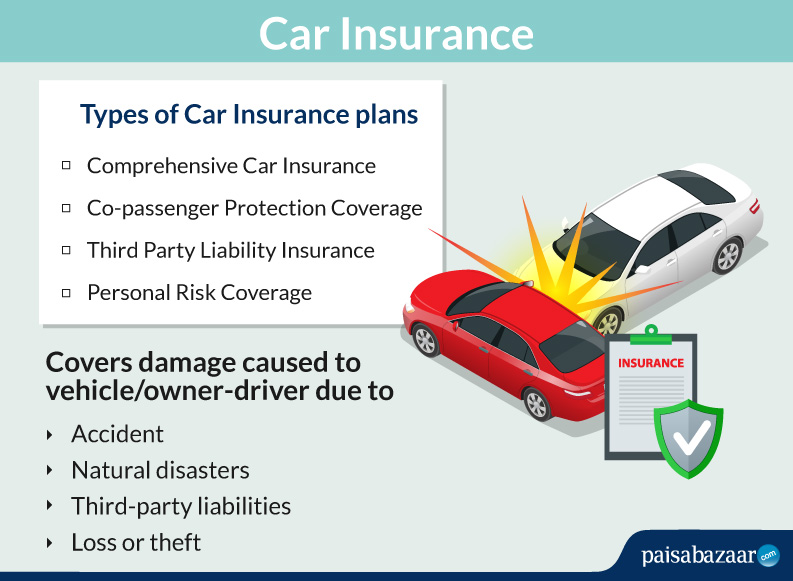
For many, the smart financial move is to opt for more comprehensive coverage, including:
-
Collision Coverage: Pays for damage to your own car resulting from a collision with another vehicle or object.
-
Comprehensive Coverage: Protects against non-collision incidents like theft, vandalism, fire, or natural disasters.
-
Uninsured/Underinsured Motorist Coverage: Safeguards you if you’re hit by a driver who lacks sufficient insurance.
-
Medical Payments/Personal Injury Protection (PIP): Covers medical expenses for you and your passengers, regardless of fault.
Choosing the right level of coverage involves a delicate budgetary balancing act. While comprehensive protection offers greater financial security, it also entails higher premiums. A careful assessment of your assets, risk tolerance, and ability to absorb out-of-pocket costs is crucial in determining the most financially prudent level of coverage for your specific situation.
Impact on Personal Finance: Avoiding Catastrophic Outlays
The primary financial benefit of car insurance is its ability to prevent catastrophic outlays. Imagine an accident that totals your car, injures you, and involves significant damage to another party’s property. Without insurance, you could face tens, if not hundreds, of thousands of dollars in expenses. Such an event could deplete emergency funds, force you into debt, or compromise long-term financial goals like retirement savings or home ownership. Car insurance acts as a financial shock absorber, allowing you to maintain your financial trajectory even in the face of unforeseen automotive incidents. It’s a proactive financial strategy that mitigates potential downside risk, making it an indispensable part of sound personal financial planning.
Key Avenues for Sourcing Car Insurance
Once the financial necessity of car insurance is understood, the next step is to explore the various channels through which one can acquire it. Each avenue offers distinct advantages and disadvantages, particularly from a financial and convenience perspective.
Direct Insurers: Online Platforms and Call Centers
Many insurance companies operate directly, allowing consumers to purchase policies without an intermediary. This approach has become increasingly popular due to its convenience and potential for cost savings.
-
Online Platforms: Websites and mobile apps offer 24/7 access to quotes, policy management, and claims processing. This self-service model can be highly efficient for individuals who are comfortable researching and making decisions independently. Companies like Geico, Progressive, and State Farm (though they also have agents) heavily promote their direct-to-consumer online channels.
-
Call Centers: Direct insurers also maintain extensive call centers, providing personalized assistance over the phone. This can be beneficial for those who prefer to speak with a representative to clarify policy details or discuss specific needs.
Financial Implication: Direct insurers often have lower overhead costs compared to those relying heavily on agent networks, which can sometimes translate into more competitive premiums. However, the onus is on the consumer to understand all policy terms and ensure adequate coverage.
Independent Agents and Brokers: Personalized Guidance and Multiple Quotes
Independent agents and brokers are licensed professionals who work with multiple insurance companies. They do not represent a single insurer but act as intermediaries for the consumer, helping them find the best policy from a range of providers.
-
Personalized Guidance: Agents can assess your specific needs, explain complex policy terms, and recommend suitable coverage levels. This personalized approach is invaluable for individuals with unique circumstances or those new to insurance.
-
Multiple Quotes: A key financial benefit is their ability to shop around on your behalf, providing quotes from several different companies. This can save consumers significant time and effort, and potentially uncover better deals than they might find on their own.
Financial Implication: While agents earn commissions from the insurers, their services are typically free to the consumer. Their expertise can lead to better coverage at a competitive price, and they can be instrumental in identifying discounts you might otherwise miss.
Captive Agents: Specializing in a Single Provider
Captive agents work exclusively for one insurance company, such as Allstate, Farmers, or State Farm. They are experts on their specific company’s products and services.
-
In-depth Product Knowledge: They have a deep understanding of their company’s policy offerings, discounts, and claims processes.
-
Local Presence: Many captive agents have local offices, providing a familiar point of contact for in-person consultations and community-based service.
Financial Implication: While you’re limited to one company’s offerings, captive agents can often find excellent packages and discounts within their product range, especially if you bundle multiple policies (e.g., home and auto) with the same insurer. Their specialized knowledge can help maximize savings within their specific brand’s ecosystem.
Comparison Websites and Aggregators: Efficiency in Shopping
Comparison websites (like NerdWallet, Bankrate, or Insure.com) allow consumers to input their information once and receive multiple quotes from various insurers simultaneously.
-
Time-Saving: These platforms significantly streamline the shopping process, making it easy to compare premiums side-by-side.
-
Transparency: They offer a quick overview of prices across different providers, aiding in initial financial assessment.
Financial Implication: While incredibly efficient for finding competitive pricing, these sites don’t always include every insurer, and the cheapest quote isn’t always the best value. It’s crucial to delve into the coverage details beyond just the premium before making a financial commitment. They serve as an excellent starting point for identifying potential financially attractive options.
Factors Influencing Your Car Insurance Premiums (and How to Save Money)
Understanding the “where” is only half the battle; knowing the “how” to secure the best financial deal is equally important. Car insurance premiums are highly personalized, determined by a complex interplay of various factors. Being aware of these elements can empower you to make financially savvy decisions.

Personal Profile: Age, Driving Record, Location, and Credit Score
-
Age and Driving Experience: Young, inexperienced drivers often face higher premiums due to statistical risk factors. As drivers mature and gain experience, rates typically decrease, assuming a clean record.
-
Driving Record: A clean driving record (absence of accidents, moving violations, or DUIs) is the single most impactful factor in securing lower rates. Each incident can significantly increase premiums for several years.
-
Location: Where you live and park your car influences rates. Urban areas with higher traffic density, theft rates, or vandalism statistics generally command higher premiums than rural areas.
-
Credit Score (in some states): Insurers often use a credit-based insurance score as a predictor of risk. A strong credit history can lead to lower premiums, while a poor one can result in higher costs. Maintaining good credit is a fundamental personal finance practice that extends its benefits to car insurance.
Vehicle Characteristics: Make, Model, Age, and Safety Features
The car you drive significantly impacts your premium.
-
Make and Model: Luxury cars, sports cars, and high-performance vehicles generally cost more to insure due to higher repair costs, increased likelihood of theft, and greater accident risk.
-
Age of Vehicle: Newer cars are often more expensive to insure due to their higher replacement value and more complex, costly repair technologies.
-
Safety Features: Vehicles equipped with advanced safety features (e.g., anti-lock brakes, airbags, anti-theft devices, driver-assist systems) may qualify for discounts, as they reduce the likelihood or severity of accidents and theft.
Policy Choices: Deductibles, Coverage Limits, and Add-ons
Your policy selections directly impact your premium.
-
Deductibles: This is the amount you pay out-of-pocket before your insurance kicks in. Choosing a higher deductible typically lowers your premium, but requires you to have a larger emergency fund readily available to cover that initial cost. This is a crucial financial decision.
-
Coverage Limits: The maximum amount an insurer will pay for a covered loss. Higher limits provide greater financial protection but increase premiums.
-
Add-ons: Features like roadside assistance, rental car reimbursement, or gap insurance offer additional convenience and protection but add to the overall cost. Evaluate these add-ons for their true financial value to your situation.
Discounts and Bundling Opportunities: Maximizing Savings
Insurers offer a multitude of discounts that can significantly reduce your financial outlay.
-
Multi-Policy Discount: Bundling your car insurance with other policies (e.g., home, renter’s, life insurance) from the same provider is one of the most common and effective ways to save.
-
Multi-Car Discount: Insuring multiple vehicles with the same company often results in a discount.
-
Good Student Discount: Students maintaining a certain GPA may qualify.
-
Low Mileage Discount: If you drive fewer miles annually, you might be eligible for a discount.
-
Defensive Driving Course Discount: Completing an approved defensive driving course can sometimes lower your rates.
-
Safety Feature Discounts: As mentioned, features like anti-theft devices, airbags, and automatic seatbelts can reduce premiums.
Actively inquiring about and applying for all eligible discounts is a vital step in optimizing the financial aspect of your car insurance.
Navigating the Application and Comparison Process
Finding the right car insurance policy involves more than just picking the lowest price. It requires a systematic approach, diligent comparison, and a clear understanding of what you’re buying. This process is inherently a financial one, aimed at maximizing value for your premium dollar.
Essential Information You’ll Need
Before seeking quotes, gather all necessary information to ensure accuracy and efficiency. This typically includes:
-
Personal Information: Name, address, date of birth, driver’s license number, occupation, marital status, and social security number (for credit checks).
-
Vehicle Information: Make, model, year, VIN (Vehicle Identification Number), current mileage, and primary use (commute, pleasure, business).
-
Driving History: Details of any accidents, tickets, or claims within the last 3-5 years.
-
Current Insurance Information: Your existing policy details if you have one.
Having this information readily available streamlines the quoting process and helps ensure you receive accurate, comparable estimates.
Understanding Policy Quotes: The Fine Print
When comparing quotes, it’s crucial to look beyond just the bottom-line premium. A cheaper policy might offer less coverage or have higher deductibles, potentially leaving you financially vulnerable.
-
Compare Apples to Apples: Ensure that all quotes reflect the same coverage types, limits, and deductibles. A direct comparison of dissimilar policies is misleading.
-
Review Exclusions: Understand what the policy doesn’t cover.
-
Check Deductibles: A lower premium with a high deductible means more out-of-pocket expense in case of a claim.
-
Look for Hidden Fees: While less common, be aware of any administrative fees or surcharges.
A thorough financial review of policy documents before committing is paramount to avoid unpleasant surprises later.
The Importance of Annual Reviews and Re-shopping
Your car insurance needs and the market landscape are not static.
-
Life Changes: Events like getting married, moving, buying a new car, or improving your credit score can significantly impact your rates.
-
Market Shifts: Insurers frequently adjust their pricing models, and new competitors may enter the market with more attractive offers.
Financial Strategy: Make it a habit to review your policy and re-shop for insurance at least once a year, or whenever a major life event occurs. This proactive financial management ensures you’re always getting the best value for your money and that your coverage aligns with your current needs. Loyalty discounts are a consideration, but they should be weighed against potential savings from switching.
Leveraging Financial Tools for Informed Decisions
In today’s digital age, numerous financial tools can assist in the car insurance selection process.
-
Online Calculators: Estimate potential savings from bundling or increasing deductibles.
-
Budget Planners: Integrate your insurance premiums into your overall budget to ensure affordability.
-
Review Platforms: Consult independent reviews of insurance companies to gauge customer service, claims experience, and overall satisfaction – factors that, while not directly financial, impact the value received for your premiums.
Using these tools empowers you to make data-driven financial decisions, optimizing your insurance spend.
Making the Smart Financial Choice for Your Auto Protection
Ultimately, securing car insurance is a significant financial decision that should be approached strategically. It’s about more than just fulfilling a legal obligation; it’s about safeguarding your financial future.
Balancing Cost and Coverage: A Strategic Approach
The ideal car insurance policy strikes a balance between affordable premiums and adequate coverage.
-
Assess Your Risk Tolerance: How much financial risk are you comfortable assuming? If you have substantial assets, higher liability limits are a wise financial move.
-
Consider Your Emergency Fund: Can your emergency fund comfortably cover a higher deductible if you choose one for lower premiums?
-
Evaluate Your Vehicle’s Value: For older cars with low market value, collision and comprehensive coverage might not be financially beneficial, as the cost of premiums could outweigh potential payouts. This is where financial analysis of depreciated asset value comes into play.
A strategic approach involves understanding your personal financial situation deeply and tailoring your insurance to fit.
The Long-Term Value of a Good Insurer
While price is a major factor, the long-term value of an insurer extends beyond the premium amount.
-
Reputation for Claims Handling: An insurer’s efficiency and fairness in processing claims directly impact your financial recovery after an incident. A company known for slow payments or difficult claims processes can add significant financial stress.
-
Customer Service: Responsive and helpful customer service can be invaluable during stressful situations.
Choosing an insurer with a strong reputation for reliability and customer satisfaction, even if it means a slightly higher premium, often proves to be the better financial decision in the long run.
Beyond the Premium: Customer Service and Claims Experience
The true test of an insurance policy, and by extension, the insurer, comes during a claim. A low premium means little if the claims process is a nightmare, causing delays, disputes, and further financial strain. Researching an insurer’s financial stability (via ratings from agencies like A.M. Best) and customer reviews for claims handling provides critical insight into the real-world value of their policies. This due diligence ensures that your financial investment in premiums translates into reliable financial protection when you need it most.
Integrating Car Insurance into Your Overall Financial Plan
Car insurance should not be viewed in isolation but as an integral component of your comprehensive financial plan.
-
Budgeting: Allocate a consistent portion of your budget for insurance premiums.
-
Emergency Fund: Ensure your emergency fund is sufficient to cover your chosen deductibles and any unforeseen out-of-pocket expenses.
-
Asset Protection: Consider your car insurance as part of your broader strategy to protect your assets and net worth from unforeseen liabilities.
By consciously integrating car insurance into your financial planning, you transform it from a mere expense into a powerful tool for financial stability and risk management, safeguarding your journey on the road and in life.
aViewFromTheCave is a participant in the Amazon Services LLC Associates Program, an affiliate advertising program designed to provide a means for sites to earn advertising fees by advertising and linking to Amazon.com. Amazon, the Amazon logo, AmazonSupply, and the AmazonSupply logo are trademarks of Amazon.com, Inc. or its affiliates. As an Amazon Associate we earn affiliate commissions from qualifying purchases.