
The question “what is the average percentage of child support?” is one frequently posed by parents navigating separation, divorce, or the establishment of paternity. While seemingly straightforward, the answer is anything but a simple number. Unlike a fixed tax rate or a universal deductible, child support calculations are deeply nuanced, varying significantly from case to case, state to state, and even based on individual financial circumstances. There isn’t a universally applicable “average percentage” that one can apply across the board because the system is designed to be highly individualized, prioritizing the specific needs of the child and the financial realities of both parents.
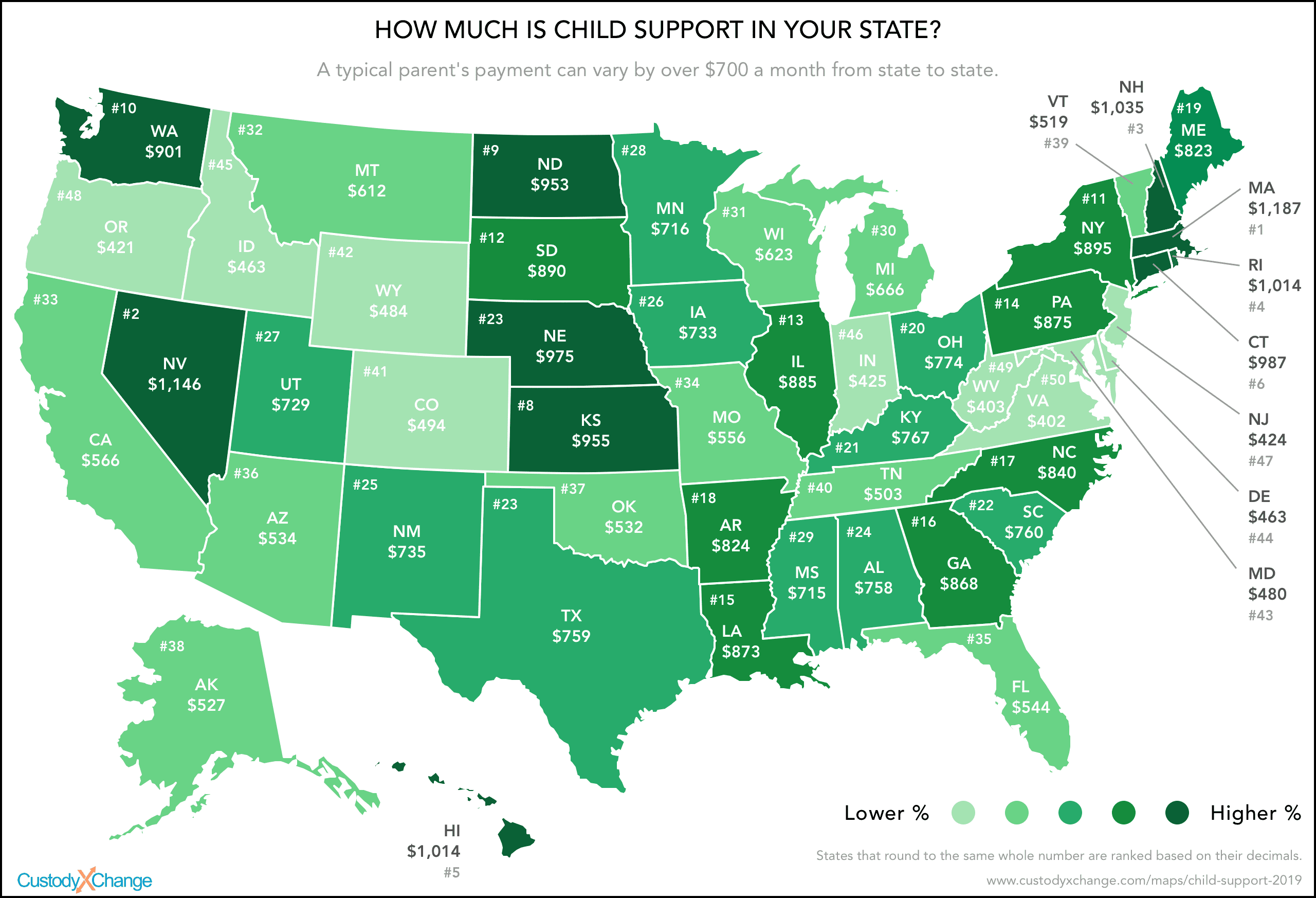
This article delves into the complexities of child support, exploring the various factors that influence its calculation, the different models states employ, and the financial implications for both paying and receiving parents. Our aim is to demystify the process, highlight why a simple “average percentage” is a misleading concept, and provide insight into how child support obligations are truly determined, all within the context of personal and family finance. Understanding these intricate details is crucial for anyone involved in or affected by child support arrangements, enabling better financial planning and informed decision-making.
The Myth of a Universal “Average Percentage”
The desire for a simple percentage stems from a natural inclination to seek clarity and predictability in complex situations. However, when it comes to child support, such a figure is fundamentally elusive. The legal and financial frameworks governing child support are designed to be dynamic, adapting to a myriad of variables rather than imposing a one-size-fits-all solution.
Why a Single Percentage Doesn’t Exist
Child support is not a punitive measure but a mechanism to ensure that children continue to receive financial support from both parents, irrespective of their parents’ marital status or living arrangements. This core principle necessitates a flexible approach. If a static “average percentage” were applied, it would invariably lead to inequities. For instance, a high-income parent might pay an insufficient amount to cover a child’s established lifestyle and needs, while a low-income parent might be unduly burdened. The legal system, therefore, eschews a generic percentage in favor of detailed guidelines that consider individual financial capacities and the child’s specific requirements. This prevents a fixed percentage from becoming either a windfall for one party or an undue hardship for another, thereby serving the paramount interest of the child’s welfare.
The Fundamental Goal of Child Support
At its heart, child support aims to maintain, as much as possible, the standard of living the child would have enjoyed had their parents remained together. It’s about ensuring the child’s basic needs—food, shelter, clothing, healthcare, education—are met, and that they also have access to opportunities and experiences consistent with their parents’ combined financial capabilities. This goal is far more intricate than simply dividing income by a percentage. It involves assessing the entirety of a family’s financial landscape: what they earned, what they spent, what assets they possessed, and what potential future expenses the child might incur. This holistic perspective is why calculations delve deep into financial records and future projections, rather than relying on a facile percentage. The financial responsibility is shared, reflecting the concept that both parents have an ongoing duty to contribute to their child’s upbringing, not just the custodial parent.
Key Factors Determining Child Support Obligations
Since a universal percentage is a myth, understanding the specific factors that do determine child support amounts becomes paramount. These variables form the backbone of most state guidelines and are crucial for accurate calculation.
Parental Income and Earning Capacity
The most significant factor in calculating child support is the income of both parents. This isn’t just about current paychecks; courts often consider “gross income,” which can include wages, salaries, bonuses, commissions, self-employment income, rental income, disability benefits, unemployment benefits, and even potential earning capacity if a parent is voluntarily underemployed or unemployed. Some states may also factor in assets and investment income. The idea is to determine the true financial resources available from each parent to contribute to the child’s support. Financial transparency is critical here; courts require detailed disclosures to prevent underreporting of income, which could unfairly diminish a parent’s contribution.
Custody Arrangements and Parenting Time
The amount of time each parent spends with the child directly impacts the calculation. Many states use a “shared parenting” or “overnight” credit system. If one parent has primary physical custody (meaning the child spends the majority of nights with them), the other parent typically pays a higher amount of support. However, in cases of true shared custody (where the child spends a roughly equal number of overnights with both parents), the support amount may be reduced for the non-custodial parent, or calculations might be more complex, often involving a deduction from the higher earner to the lower earner. The rationale is that the parent with more overnights incurs more direct daily expenses for the child.
Child’s Needs and Pre-existing Standards of Living
Beyond basic necessities, child support aims to maintain the child’s pre-separation standard of living. This can include expenses for extracurricular activities, private school tuition, specialized medical care, therapy, significant travel, or other costs that were part of the child’s life before the parents separated. Courts often consider “extraordinary expenses” which are usually beyond the standard support amount and are divided between parents. The financial assessment ensures that the child’s accustomed lifestyle is not unduly disrupted, provided it is within the reasonable financial capacity of the parents.
Other Financial Contributions and Deductions
Several other financial elements can influence the final child support order. These often include:
-
Healthcare Costs: The cost of health insurance premiums for the child, and often unreimbursed medical, dental, or prescription expenses, are usually allocated between parents.
-
Childcare Expenses: Costs associated with daycare, after-school care, or nannies necessary for a parent to work are typically included and shared.
-
Other Dependents: A parent paying support for other children (from a prior relationship) may receive a deduction or adjustment in their child support calculation.
-
Taxes: While not directly deducted, the tax implications for claiming the child as a dependent can be part of the overall financial arrangement.
-
Spousal Support (Alimony): If one parent is paying or receiving spousal support, this amount is often factored into their income for child support calculations.
Each of these factors contributes to a holistic financial picture, ensuring that the child support order is equitable and sustainable for both parents while primarily serving the child’s best interests.
Diverse State Calculation Models: A Closer Look
Because child support laws are primarily state-specific, there is no federal standard. Instead, states employ different models for calculating child support, each with its own methodology and nuances. Understanding these models is crucial to comprehending how an order is derived.
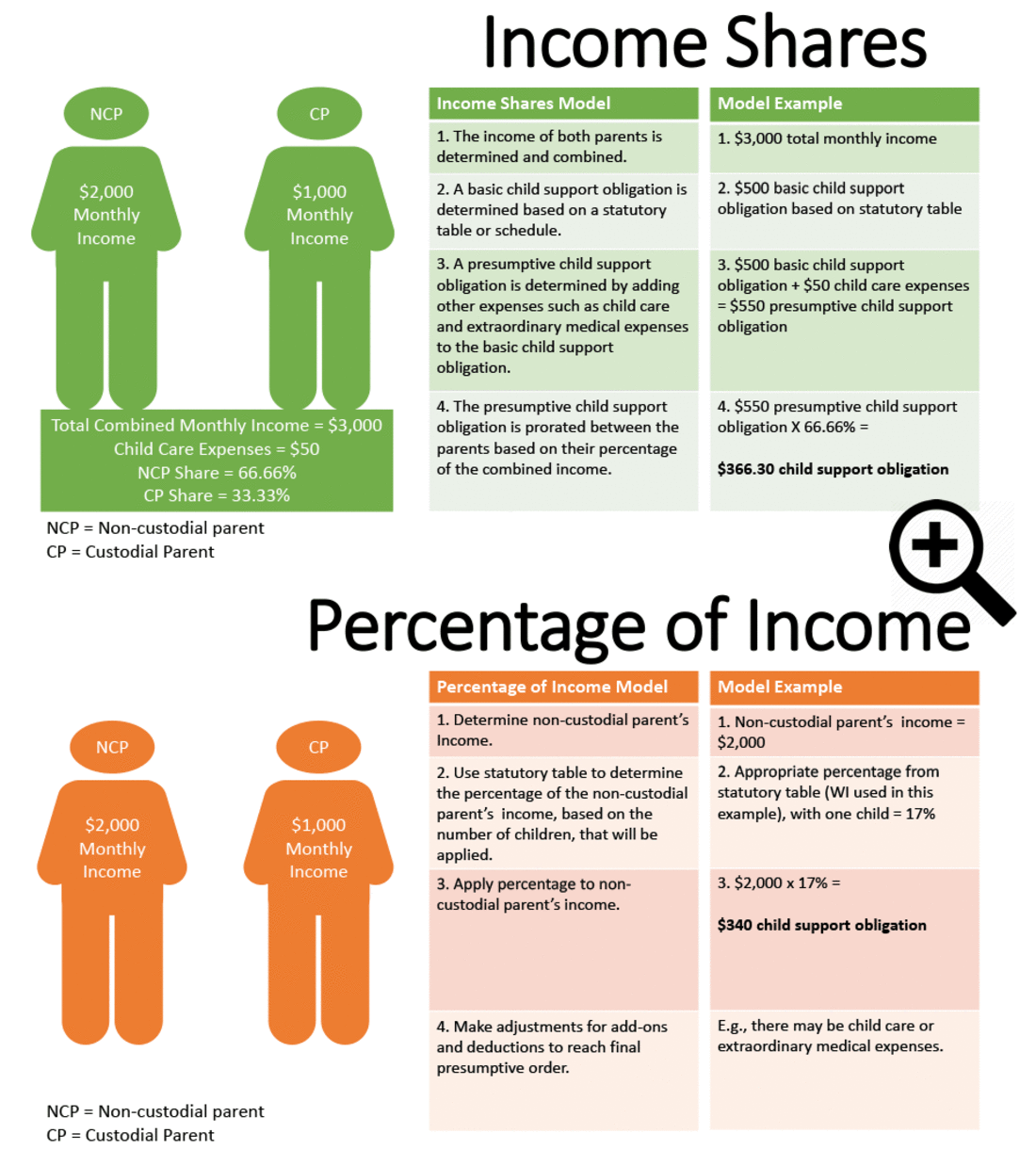
Income Shares Model
The Income Shares Model is the most prevalent approach, used in a majority of states. This model is based on the premise that a child should receive the same proportion of parental income they would have received if the parents lived together. The court first calculates the combined adjusted gross income of both parents. Then, it refers to a state-specific schedule or table that indicates how much parents at that income level would typically spend on their child(ren). This “basic support obligation” is then divided proportionally between the parents based on their respective contributions to the combined income. For example, if Parent A earns 60% of the combined income and Parent B earns 40%, then Parent A would be responsible for 60% of the basic support obligation, and Parent B for 40%. Adjustments are then made for factors like childcare, health insurance, and extraordinary expenses.
Percentage of Obligor’s Income Model
Less common for initial calculations but still used in some states, particularly for modifications or in simplified contexts, is the Percentage of Obligor’s Income Model. Under this model, child support is calculated as a fixed percentage of the non-custodial parent’s (obligor’s) net or gross income. The percentage may vary based on the number of children. For example, a state might mandate that the non-custodial parent pays 20% of their income for one child, 25% for two children, and so on. This model is often simpler to apply but can be less flexible in accounting for the custodial parent’s income or unique child needs, which is why many states have moved away from it as their primary model.
Melson Formula
A few states, such as Delaware and Hawaii, utilize the Melson Formula, which is a more complex, needs-based model. It goes beyond simply sharing income and first ensures that each parent can meet their own basic needs and then the basic needs of the children. It considers:
-
Self-Support Reserve: Each parent must retain sufficient income to meet their own minimum self-support needs.
-
Primary Support Allowance: A specific amount is allocated to meet the child’s primary needs.
-
Standard of Living Adjustment (SOLA): After basic needs are met, any remaining parental income is then used to contribute to a higher standard of living for the child, reflecting the parents’ combined disposable income.
This model is designed to be highly equitable, preventing parents from becoming impoverished by support payments while ensuring children benefit from their parents’ full financial capacity.
Hybrid Approaches and Deviations
Many states incorporate elements from these primary models, creating hybrid systems. Furthermore, all states provide for deviations from the standard guidelines in specific circumstances. A judge may deviate if applying the guidelines strictly would be unjust or inappropriate. Reasons for deviation could include a child’s extraordinary medical expenses, special educational needs, unusually high income of one or both parents, or other unique family situations. These deviations underscore the judiciary’s role in ensuring that child support orders are not just formulaic but also fair and tailored to individual realities.
Financial Implications for Both Paying and Receiving Parents
Child support is not merely a legal obligation; it carries significant financial implications for both parents, necessitating careful budgeting, planning, and often, lifestyle adjustments.
For the Paying Parent: Budgeting and Financial Planning
For the parent obligated to pay child support, the order represents a fixed, recurring financial commitment that reduces their disposable income. This often requires a significant overhaul of personal budgets. Paying parents must factor this expense into their monthly outgoings, alongside housing, utilities, transportation, and other personal costs. It’s crucial for these parents to:
-
Adjust Spending Habits: Identify areas where expenses can be reduced to accommodate the child support payment.
-
Re-evaluate Savings and Investments: Assess how the payment impacts their ability to save for retirement, emergencies, or other financial goals.
-
Consider Income Stability: Ensure their income stream is reliable to meet consistent payments.
-
Understand Tax Implications: While child support is generally not tax-deductible for the payer nor taxable income for the recipient, understanding who claims the child as a dependent can have significant tax consequences.
Failing to plan adequately can lead to financial strain, missed payments, and potential legal repercussions. Proactive financial management is key to maintaining stability.
For the Receiving Parent: Managing Funds for Child’s Welfare
For the parent receiving child support, these funds are intended solely for the benefit of the child. While they supplement household income, they are not a personal windfall. Receiving parents bear the primary responsibility for managing these funds to cover the child’s daily expenses, including food, housing costs (proportionate to the child’s share), clothing, educational materials, healthcare co-pays, and extracurricular activities. Effective management involves:
-
Detailed Budgeting: Tracking how child support funds are allocated to meet the child’s needs.
-
Anticipating Future Needs: Planning for larger expenses such as school trips, seasonal clothing, or potential medical needs.
-
Emergency Fund: Ensuring there’s a safety net for unexpected child-related costs.
-
Financial Literacy: Understanding how to stretch funds and make wise purchasing decisions for the child.
The receiving parent is often the direct manager of the child’s day-to-day expenses, making robust financial oversight critical for the child’s well-being and stability.
The Long-Term Financial Picture
Child support arrangements are rarely static throughout a child’s minority. Circumstances change, and these shifts can have profound long-term financial implications. As children grow, their needs evolve—from daycare to school uniforms, from basic healthcare to braces or specialized tutoring, and eventually to college expenses. Parents’ incomes can also change due to promotions, job loss, illness, or new family formations. It’s important for both parents to consider:
-
Future Modifications: Understanding that child support orders can be modified if there’s a substantial change in circumstances (e.g., significant income change, change in custody, major child needs).
-
College Expenses: While child support typically ends at emancipation (usually age 18 or high school graduation), parents may agree or be ordered to contribute to college costs.
-
Inflation: The purchasing power of child support may erode over time, although some orders might include cost-of-living adjustments.
-
Retirement Planning: The ongoing financial obligation or reliance on child support can impact parents’ ability to save for their own retirement, highlighting the need for comprehensive long-term financial planning.
The financial journey with child support is a marathon, not a sprint, requiring continuous awareness and adaptation.
Seeking Professional Guidance and Ensuring Compliance
Navigating child support laws and calculations can be overwhelming. Given the significant financial stakes and the complexity involved, seeking professional guidance is not just advisable, but often essential.
The Role of Legal Professionals
A family law attorney or mediator can provide invaluable assistance.
-
Legal Expertise: They understand state-specific guidelines, calculation models, and local court procedures. They can accurately assess your income, expenses, and potential child support obligations or entitlements.
-
Negotiation and Advocacy: An attorney can negotiate on your behalf to achieve a fair and reasonable child support order, or advocate for your position in court.
-
Documentation and Filings: They ensure all necessary paperwork is correctly completed and filed, minimizing delays and errors.
-
Understanding Rights and Obligations: They can clarify your legal rights and responsibilities, helping you avoid common pitfalls.
For those seeking to reach an amicable agreement, a mediator can facilitate discussions between parents, helping them reach mutually agreeable terms that a court can then ratify.
Financial Planners and Budgeting Resources
Beyond legal counsel, financial advisors or credit counselors can assist with the practical money management aspects:
-
Budgeting Assistance: Help parents create realistic budgets that incorporate child support payments (whether paying or receiving).
-
Financial Impact Analysis: Evaluate the long-term financial impact of child support on retirement, savings, and investment goals.
-
Debt Management: Provide strategies for managing debt while meeting child support obligations.
-
Resource Identification: Point to community resources or government programs that can offer additional support if needed.
Online budgeting tools and financial literacy websites can also provide valuable templates and advice for managing household finances with child support factored in.
Modification of Orders and Enforcement
Life circumstances are fluid. A significant change in income, a new job, a child’s emerging special needs, or a change in custody arrangements can all warrant a modification of an existing child support order. Legal professionals can guide parents through the modification process, ensuring that the new order accurately reflects current realities.
Likewise, if child support payments are not being made as ordered, enforcement mechanisms are in place. These can include wage garnishment, interception of tax refunds, suspension of driver’s licenses, or even liens on property. It is critical for receiving parents to understand these enforcement options and for paying parents to understand the consequences of non-compliance.

The Importance of Accurate Financial Disclosure
Throughout the child support process, accurate and complete financial disclosure is paramount. Both parents are typically required to submit detailed financial affidavits, including income statements, tax returns, bank statements, and lists of assets and debts. Intentional misrepresentation or concealment of financial information can lead to severe penalties, including fines, adverse court rulings, and even charges of contempt of court. Transparency ensures that the child support order is based on truthful information, leading to a more equitable and sustainable outcome for all parties involved.
In conclusion, the quest for an “average percentage” of child support is a pursuit of a non-existent figure. Child support is a complex financial mechanism tailored to individual family needs, governed by a patchwork of state-specific laws and guidelines. It demands a thorough understanding of financial factors, legal models, and personal budgeting to ensure children are adequately supported and parents can meet their obligations without undue hardship. Professional guidance from legal and financial experts is often indispensable in navigating this critical aspect of family finance.
aViewFromTheCave is a participant in the Amazon Services LLC Associates Program, an affiliate advertising program designed to provide a means for sites to earn advertising fees by advertising and linking to Amazon.com. Amazon, the Amazon logo, AmazonSupply, and the AmazonSupply logo are trademarks of Amazon.com, Inc. or its affiliates. As an Amazon Associate we earn affiliate commissions from qualifying purchases.