
In the intricate world of economics and personal finance, few concepts hold as much sway over our daily lives and long-term financial stability as inflation. Often discussed in hushed tones by economists or as a headline concern in financial news, the “rate of inflation” is more than just a theoretical metric; it’s a powerful force that dictates the purchasing power of your money, influences investment decisions, and shapes national economic policies. At its core, inflation represents the rate at which the general level of prices for goods and services is rising, and consequently, the purchasing power of currency is falling. Understanding this rate is fundamental for anyone looking to make informed financial decisions, whether you’re managing a household budget, planning for retirement, or running a business. This article will demystify the rate of inflation, exploring how it’s measured, what drives it, and critically, how it impacts your financial well-being, equipping you with the knowledge to navigate an ever-changing economic landscape.

Decoding Inflation: Core Concepts
To grasp the significance of the inflation rate, we must first establish a clear understanding of what inflation truly means and why its stability is crucial for economic health. It’s a phenomenon that subtly but persistently reshapes the value of our earnings and assets over time.
Defining Inflation: The Erosion of Purchasing Power
At its most fundamental level, inflation is the sustained increase in the general price level of goods and services in an economy over a period of time. When prices rise, each unit of currency buys fewer goods and services. Consequently, inflation reflects a reduction in the purchasing power per unit of money. Imagine that a basket of groceries cost $100 last year. If inflation runs at 3% this year, that same basket of groceries will now cost $103, meaning your $100 buys slightly less than it did before. This erosion of purchasing power is the most direct and tangible impact of inflation on individuals and businesses alike. It’s not about the price of a single item going up due to a specific supply issue; it’s about a widespread increase across the economy.
The Concept of a “Rate”: Quantifying Price Changes
The “rate” of inflation refers to the percentage change in the price level over a specific period, typically a month or a year. It quantifies how quickly prices are rising. For instance, if the annual inflation rate is 2%, it means that, on average, prices for goods and services across the economy have increased by 2% over the past year. This rate is crucial because it provides a measurable benchmark for economic performance and monetary policy effectiveness. Without a quantifiable rate, inflation would be an abstract concept, difficult to track or manage. Governments and central banks set inflation targets—often around 2% per annum—as they believe a low, stable, and predictable rate of inflation is conducive to economic growth. Too high an inflation rate can destabilize an economy, while deflation (a negative inflation rate, meaning prices are falling) can also be detrimental.
Why a Stable Inflation Rate Matters
A stable, predictable, and low inflation rate is generally considered beneficial for an economy. It allows businesses to plan investments with greater certainty, encourages consumers to spend rather than hoard cash (which loses value), and keeps real interest rates positive, incentivizing savings. When inflation is too high and volatile, it introduces significant uncertainty. Businesses struggle to forecast costs and revenues, making long-term planning difficult. Savers see their wealth rapidly diminish, and investors demand higher returns to compensate for the eroding value of money, which can stifle economic activity. Conversely, deflation can lead to delayed consumption (as consumers wait for even lower prices), reduced corporate profits, and increased real debt burdens, potentially spiraling into an economic recession. Therefore, central banks meticulously monitor and attempt to control the rate of inflation to maintain economic equilibrium.
How Inflation is Measured and Monitored
Understanding how the inflation rate is calculated is essential to interpreting economic news and appreciating its real-world implications. Governments and statistical agencies employ various tools and methodologies to provide an accurate picture of price changes across an economy.
The Consumer Price Index (CPI): Your Everyday Inflation Gauge
The most widely recognized and frequently cited measure of inflation for consumers is the Consumer Price Index (CPI). The CPI tracks the average change over time in the prices paid by urban consumers for a market basket of consumer goods and services. This “basket” is a hypothetical collection of goods and services that an average household typically buys, including food, housing, apparel, transportation, medical care, education, and recreation. Statistical agencies regularly collect price data for thousands of items within this basket from various retail outlets. By comparing the cost of this same basket over different periods, they can determine the percentage change, which gives us the CPI-based inflation rate. The composition of the basket is updated periodically to reflect changing consumer habits and the introduction of new products.
Beyond CPI: Producer Price Index (PPI) and Core Inflation
While CPI measures inflation from the consumer’s perspective, other indices provide different angles. The Producer Price Index (PPI) measures the average change over time in the selling prices received by domestic producers for their output. PPI often serves as an early indicator of future CPI changes, as increases in producer prices can eventually be passed on to consumers. Another crucial distinction is between “headline inflation” and “core inflation.” Headline inflation, typically what’s reported with the CPI, includes all items in the basket. Core inflation, however, strips out volatile items like food and energy prices, which can fluctuate wildly due to seasonal factors or geopolitical events. Economists often prefer to look at core inflation to get a clearer picture of underlying long-term inflation trends, as it removes the “noise” from temporary price shocks. Other measures, like the Personal Consumption Expenditures (PCE) price index, are favored by some central banks, including the U.S. Federal Reserve, for its broader coverage and dynamic weighting.
Calculating the Rate: Year-over-Year Percentage Change
The inflation rate is typically presented as a year-over-year percentage change. For instance, if the CPI in January 2023 was 300 and in January 2024 it was 306, the annual inflation rate would be calculated as:
((CPI in Current Period – CPI in Base Period) / CPI in Base Period) * 100%
((306 – 300) / 300) * 100% = (6 / 300) * 100% = 0.02 * 100% = 2%
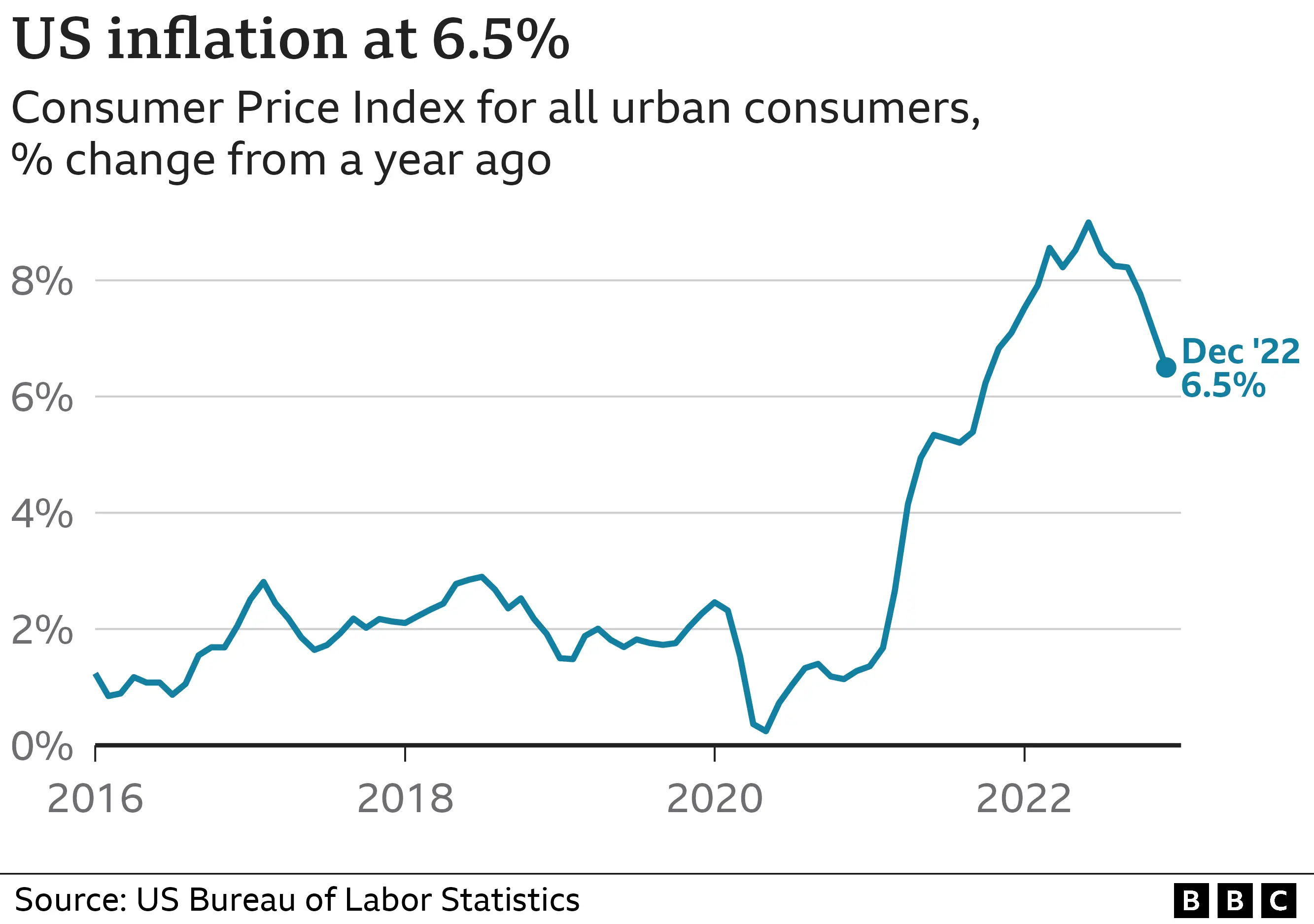
This means that, on average, prices have increased by 2% over the past year. Monthly or quarterly rates can also be calculated, but the annual rate provides the most common benchmark for tracking economic trends and for comparisons against central bank targets. Consistent monitoring and reporting of these rates allow policymakers, businesses, and individuals to assess the health of the economy and adjust their financial strategies accordingly.
The Forces Driving Inflationary Pressures
Inflation is rarely a monolithic phenomenon; it typically results from a complex interplay of various economic forces. Understanding these drivers is crucial for predicting inflationary trends and comprehending the responses of monetary authorities.
Demand-Pull vs. Cost-Push: The Primary Drivers
The two primary theories explaining inflation are demand-pull and cost-push inflation. Demand-pull inflation occurs when aggregate demand in an economy outpaces the economy’s ability to produce goods and services. Essentially, “too much money is chasing too few goods.” This can happen during periods of strong economic growth, increased government spending, or when consumers have excess cash and are willing to spend it. The increased demand bids up prices as supply struggles to keep pace. Cost-push inflation, on the other hand, arises from increases in the cost of production. This could be due to higher wages, increased prices for raw materials (like oil or essential commodities), or supply chain disruptions. When businesses face higher costs, they pass these on to consumers in the form of higher prices to maintain their profit margins. Both types of inflation can occur simultaneously, making the analysis of their origins complex.
Monetary Policy, Government Spending, and Expectations
Central banks play a pivotal role in influencing inflation through monetary policy. By adjusting interest rates or implementing quantitative easing/tightening programs, they can expand or contract the money supply. An overly loose monetary policy (e.g., very low interest rates, printing more money) can inject too much liquidity into the economy, fueling demand-pull inflation. Conversely, tightening monetary policy (raising rates) aims to cool demand and curb inflation. Government fiscal policy, particularly through deficit spending, can also contribute to demand-pull inflation if large government expenditures aren’t matched by increased productivity or taxation. Furthermore, inflationary expectations themselves can become a self-fulfilling prophecy. If consumers and businesses expect prices to rise in the future, consumers may buy sooner, and businesses may raise prices preemptively, leading to actual price increases. This feedback loop is a significant concern for policymakers.
Supply Chain Dynamics and Global Shocks
In an increasingly interconnected global economy, disruptions to supply chains can have a profound impact on inflation. Events such as natural disasters, pandemics (as seen with COVID-19), or geopolitical conflicts can severely restrict the availability of goods and raw materials, leading to cost-push inflation. For example, a shortage of semiconductor chips can impact the production of everything from cars to consumer electronics, driving up their prices. Similarly, sharp increases in global energy prices (oil, natural gas) can cascade through the entire economy, affecting transportation costs, manufacturing expenses, and ultimately, consumer prices. These global shocks highlight how domestic inflation rates are not solely determined by internal economic conditions but are increasingly susceptible to international events and complex supply chain vulnerabilities.
Navigating Inflation’s Impact on Your Finances
The rate of inflation, whether high or low, has tangible effects on every aspect of your financial life. Understanding these impacts is the first step toward building financial resilience.
The Direct Hit: Purchasing Power and Savings
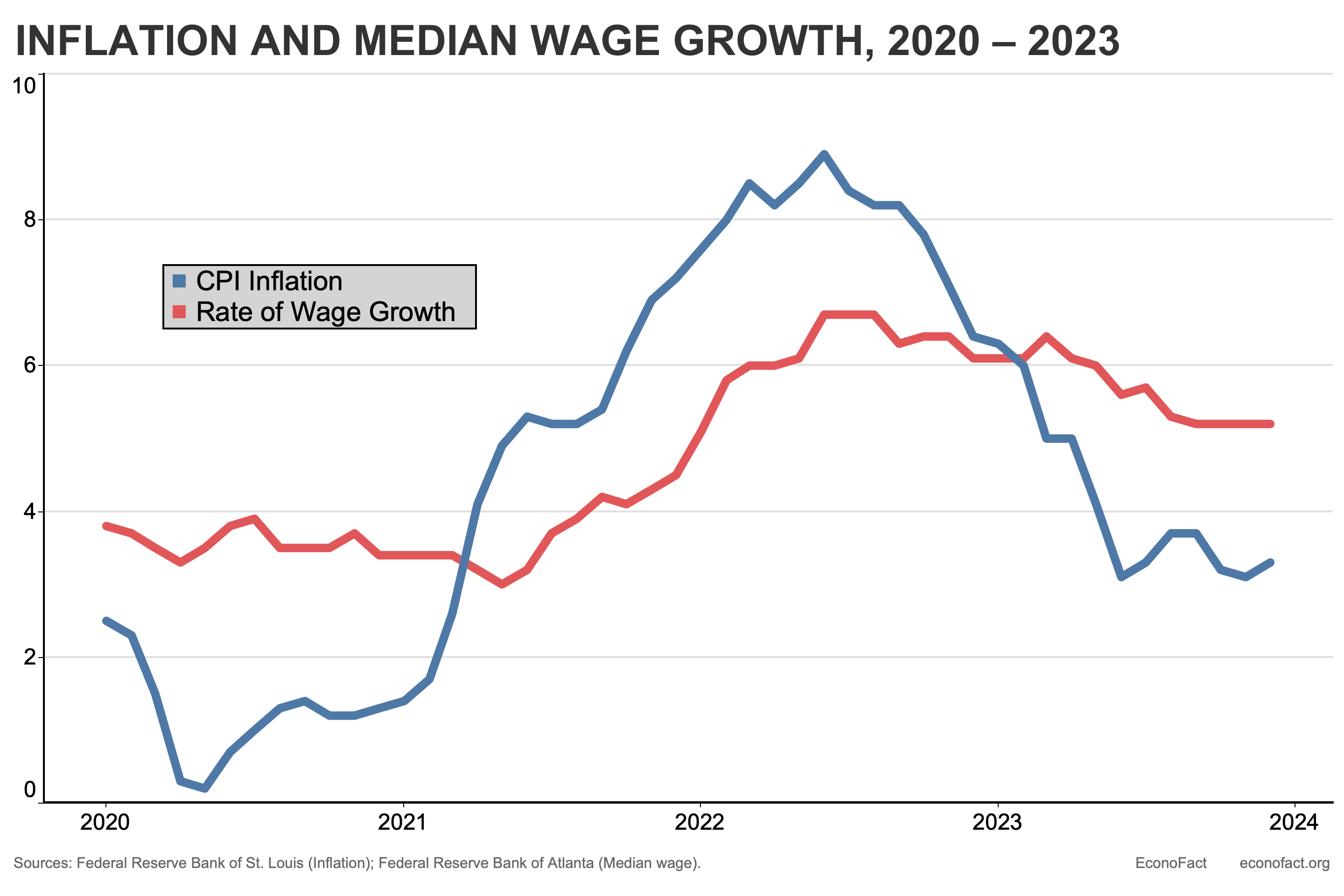
The most immediate and pervasive impact of inflation is the erosion of purchasing power. Every dollar you hold today will buy less tomorrow if inflation is positive. This is particularly detrimental to individuals living on fixed incomes, such as retirees, whose pensions or social security benefits may not keep pace with rising costs. For savers, high inflation is a silent thief. If your savings account offers an interest rate of 1% but the inflation rate is 3%, your real return is actually -2%. Your money might be growing numerically, but its actual buying power is diminishing. This makes traditional savings accounts less attractive during inflationary periods and encourages individuals to seek out alternative investments that offer inflation protection.
Investments, Debts, and Business Decisions
Inflation profoundly influences investment strategies. Assets that tend to perform well during inflationary times include real estate, commodities (like gold, oil, and agricultural products), and certain equities (stocks of companies that can easily pass on higher costs to consumers). Fixed-income investments like bonds can be negatively impacted, as their fixed interest payments become less valuable in real terms. Debt, on the other hand, can behave as a double-edged sword. For borrowers with fixed-rate debt (like a mortgage), inflation can effectively reduce the real value of their future payments, making the debt easier to repay with inflated future earnings. However, for lenders, inflation erodes the real value of the money they will be repaid. Businesses face critical decisions regarding pricing, inventory management, and wage negotiations. They must balance passing on rising costs to consumers without alienating them, while also managing increased input costs and potential wage demands from employees seeking to maintain their real income.
Strategies for Financial Resilience in an Inflated Economy
Building financial resilience against inflation involves proactive planning. For personal finance, consider investing in assets that historically perform well during inflationary periods, such as Treasury Inflation-Protected Securities (TIPS), real estate, or a diversified portfolio of stocks. Regularly review your investment portfolio to ensure it’s positioned to withstand price increases. For debt, fixed-rate loans become more appealing, as the real burden of repayment lessens over time. For businesses, strategies include locking in supply contracts, improving operational efficiencies to reduce costs, and having flexible pricing models. Crucially, maintaining a consistent income stream and exploring opportunities for income growth (e.g., skill development, side hustles) are vital to keep pace with rising costs. Staying informed about economic indicators and central bank policies also allows for timely adjustments to financial plans.
Conclusion
The rate of inflation is a fundamental economic indicator with far-reaching implications for individuals, businesses, and the broader economy. It is the silent force that dictates the purchasing power of our money, influencing everything from the cost of groceries to the value of our investments. By understanding its definition, how it’s measured through indices like the CPI, and the complex interplay of demand-pull, cost-push, and global factors that drive it, we gain a clearer perspective on economic realities. More importantly, recognizing inflation’s impact on savings, investments, and debt empowers us to adopt proactive financial strategies. In an ever-evolving economic landscape, a keen awareness of the rate of inflation is not merely academic; it is an indispensable tool for securing financial stability and making informed decisions that safeguard your money’s future.
aViewFromTheCave is a participant in the Amazon Services LLC Associates Program, an affiliate advertising program designed to provide a means for sites to earn advertising fees by advertising and linking to Amazon.com. Amazon, the Amazon logo, AmazonSupply, and the AmazonSupply logo are trademarks of Amazon.com, Inc. or its affiliates. As an Amazon Associate we earn affiliate commissions from qualifying purchases.