
In an increasingly health-conscious world, understanding and managing one’s calorie intake has become a cornerstone of effective weight management, athletic performance, and overall well-being. Gone are the days of relying solely on guesswork or complicated manual calculations. The digital revolution has fundamentally transformed how we approach nutrition, offering an unprecedented array of technological tools designed to accurately determine, track, and optimize our daily caloric consumption. From sophisticated mobile applications to integrated wearable devices and the burgeoning power of artificial intelligence, technology has demystified the science of energy balance, empowering individuals with data-driven insights to achieve their health goals with remarkable precision. This article explores the technological landscape that helps answer the perennial question: “What is my calorie intake?” and how to best utilize these innovations for personalized nutrition.
The Fundamental Role of Calorie Intake in Health and Fitness
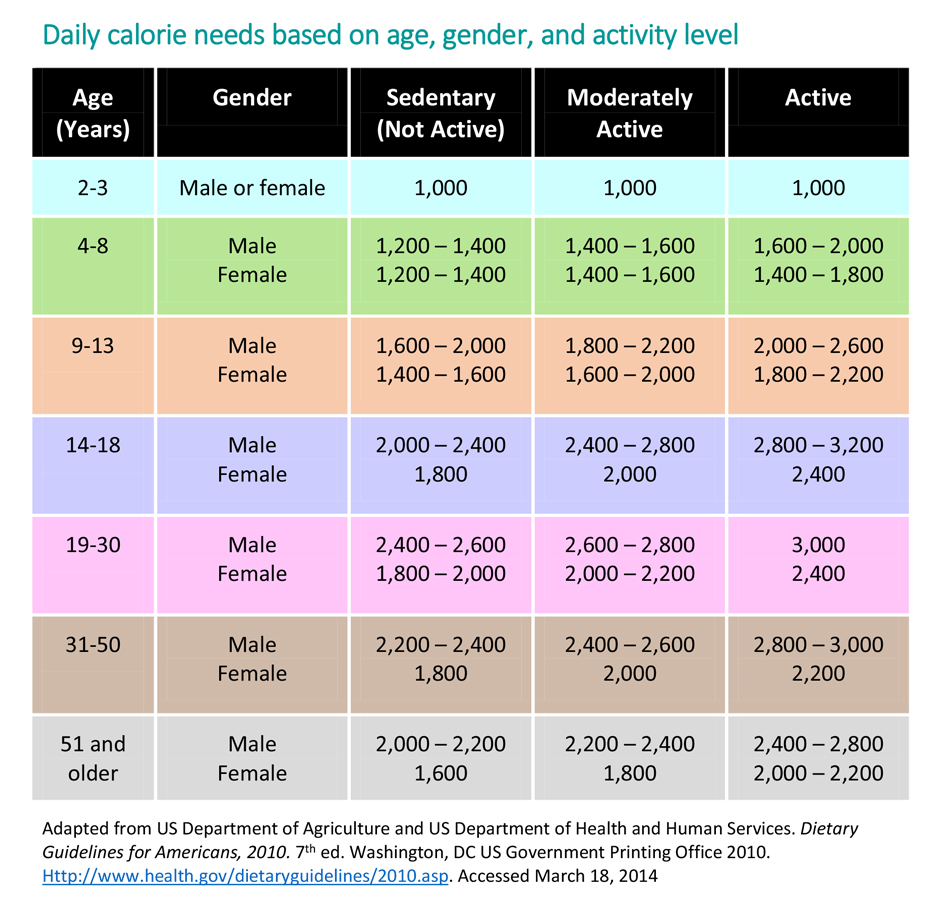
Before diving into the technological solutions, it’s crucial to grasp the foundational principles behind calorie intake. Calories are simply units of energy, and our bodies require them for every function, from breathing and thinking to exercising and repairing tissues. Understanding these fundamentals provides context for why precise tracking is so valuable and how technology can facilitate it.
Understanding Energy Balance
At its core, calorie intake relates to the concept of “energy balance.” If you consume more calories than your body expends, you’ll gain weight. If you consume fewer, you’ll lose weight. Maintaining a stable weight requires consuming roughly the same amount of calories your body burns. This seemingly simple equation is foundational to achieving specific body composition goals, whether it’s weight loss, muscle gain, or maintenance. Without a clear picture of caloric input, managing this balance becomes an arduous and often frustrating guessing game. Technology steps in to provide the clarity and data needed to shift from guesswork to informed decision-making.
Basal Metabolic Rate (BMR) and Total Daily Energy Expenditure (TDEE)
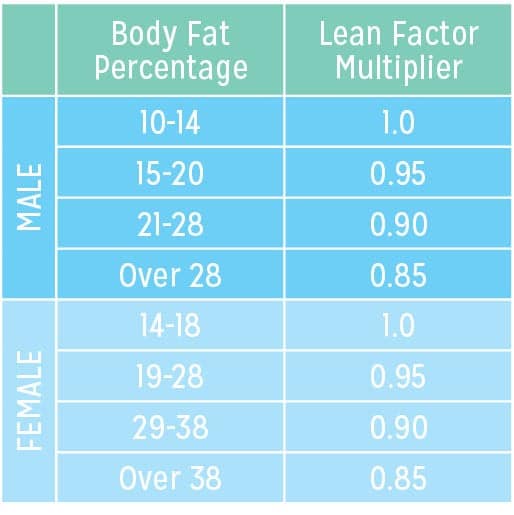
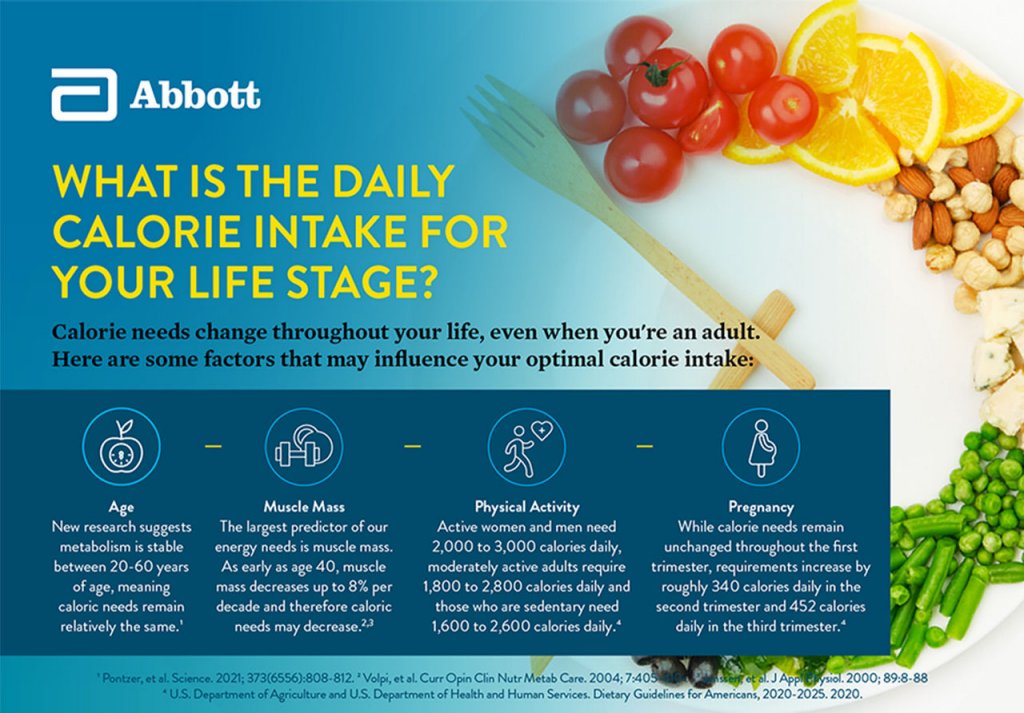
Determining your individual calorie needs begins with understanding two key metrics: Basal Metabolic Rate (BMR) and Total Daily Energy Expenditure (TDEE). Your BMR represents the minimum number of calories your body needs to perform essential functions at rest – essentially, the energy required to keep you alive without any activity. TDEE, on the other hand, factors in your BMR plus the calories burned through physical activity, digestion, and other daily movements. Historically, calculating these involved complex formulas and estimations. While the basic principles remain, modern technology offers more accessible and often more dynamic ways to estimate and adjust these figures, moving beyond static calculations to real-time adjustments based on your activity levels and physiological responses.
Navigating the Digital Landscape of Calorie Tracking Tools
The most accessible and widely used technological solutions for managing calorie intake are found in the palm of your hand: mobile applications and interconnected wearable devices. These tools have democratized nutrition tracking, making it easier than ever for the average user to log their meals and monitor their energy expenditure.
Dedicated Calorie Tracking Apps: Your Pocket Nutritionist
Mobile applications have revolutionized personal nutrition. Platforms like MyFitnessPal, LoseIt!, Cronometer, and MyPlate serve as comprehensive digital food diaries, offering vast databases of nutritional information. Users can log their meals by searching for specific foods, scanning barcodes on packaged products, or even creating custom entries for homemade dishes.
Key features often include:
-
Extensive Food Databases: Access to millions of food items with detailed nutritional breakdowns (calories, macronutrients, micronutrients).
-
Barcode Scanners: Quickly log packaged foods by simply scanning their barcodes, pulling up accurate nutritional data.
-
Meal Logging and Planning: Record meals throughout the day, track progress towards daily calorie and macro goals, and even plan meals in advance.
-
Recipe Builders: Input ingredients for homemade recipes, and the app automatically calculates the nutritional information per serving.
-
Goal Setting and Progress Tracking: Set weight, calorie, and macronutrient goals, then visualize progress through charts and reports.
-
Community Support: Many apps include social features, allowing users to connect with friends, share progress, and find motivation.
These apps transform the daunting task of calorie counting into an intuitive, gamified, and often motivating daily habit, providing instant feedback and insights into dietary patterns.
Wearable Technology and Smart Devices: The Automated Approach
Complementing calorie tracking apps are the ubiquitous wearable devices, such as smartwatches (Apple Watch, Garmin, Samsung Galaxy Watch) and fitness trackers (Fitbit, Whoop). These gadgets continuously monitor various physiological metrics, primarily focusing on activity levels and estimated calorie expenditure.
How they contribute to calorie management:
-
Activity Tracking: Wearables use accelerometers, gyroscopes, and heart rate sensors to estimate the calories burned during workouts and general daily movement.
-
Heart Rate Monitoring: More advanced devices provide continuous heart rate data, which can be used to refine calorie burn estimates during exercise and even during periods of rest.
-
Sleep Tracking: While not directly related to calorie intake, understanding sleep quality and duration can impact metabolism and food choices, with many apps integrating this data.
-
Seamless Integration: Many calorie tracking apps can sync directly with data from wearable devices. This means that as you log your food intake in one app, your activity data from your wearable automatically adjusts your estimated calorie needs or daily allowance, providing a more dynamic and personalized energy balance equation. This integration provides a holistic view, ensuring that your calorie targets are responsive to your actual energy expenditure, moving beyond static estimations to a more adaptive approach.
Advanced Technologies for Personalized Calorie Management
Beyond basic apps and wearables, the cutting edge of technology offers even more granular control and personalized insights into calorie intake and its impact. These innovations leverage sophisticated algorithms and specialized hardware to provide a deeper understanding of individual metabolic responses.
AI and Machine Learning in Nutrition
Artificial Intelligence (AI) and Machine Learning (ML) are rapidly transforming personalized nutrition. Instead of just tracking data, AI can analyze vast amounts of user information—including dietary habits, activity levels, sleep patterns, and even genetic predispositions—to offer highly tailored recommendations.
-
Intelligent Meal Planning: AI-powered platforms can suggest meal plans that not only meet calorie and macronutrient targets but also consider food preferences, allergies, and nutrient deficiencies. They can adapt recommendations over time based on user feedback and progress.
-
Predictive Analysis: AI can learn individual metabolic responses to different foods and activity levels, predicting how certain dietary choices might impact energy levels, mood, or weight fluctuations.
-
Image-Based Food Recognition: Emerging AI tools allow users to simply take a picture of their meal, and the AI will attempt to identify the food items and estimate portion sizes and nutritional content. While still imperfect, this technology promises to significantly reduce the manual effort of food logging.
-
Nutrient Timing Optimization: AI can help optimize nutrient timing based on individual workout schedules and recovery needs, ensuring that calories are consumed effectively to support performance and muscle repair.
Digital Kitchen Gadgets and Smart Scales
The kitchen itself is becoming a hub of technological innovation for calorie control.
-
Smart Food Scales: These scales go beyond simply weighing food. They often connect via Bluetooth to calorie tracking apps, automatically logging the weight of ingredients and calculating their nutritional values. Some can even identify foods placed on them or provide recipes with pre-calculated macros.
-
Smart Ovens and Cooking Devices: While less focused on “calorie intake” directly, these devices can offer precise cooking control, potentially reducing nutrient loss or helping prepare healthier meals. Some can even suggest recipes with calculated nutritional information.
-
Smart Nutrition Scanners: Handheld devices are in development that can analyze the chemical composition of food, offering highly accurate nutritional breakdowns, including calories, in real-time. While not yet mainstream, they represent a significant leap in precision.
Emerging Biofeedback and Metabolic Tracking
For those seeking the ultimate in personalized data, advanced biofeedback and metabolic tracking technologies offer unprecedented insights:
-
Continuous Glucose Monitors (CGMs): Initially designed for diabetics, CGMs are increasingly being used by health enthusiasts to understand how different foods impact their blood sugar levels. While not directly measuring calories, they provide crucial feedback on how your body processes energy from food, helping to identify optimal food choices and timing for stable energy and fat loss.
-
Metabolic Carts and Indirect Calorimetry: These highly accurate (but typically clinical or lab-based) devices measure oxygen consumption and carbon dioxide production to directly calculate BMR and calorie expenditure. While not consumer-friendly, the principles from such research inform the algorithms used in more accessible tracking devices, continually refining their accuracy.
-
Biometric Patches and Advanced Wearables: Future wearables may integrate more sophisticated sensors to track metabolites, hormones, and other biomarkers, offering even deeper insights into an individual’s unique metabolic state and true energy needs.
Best Practices for Effective Tech-Enabled Calorie Tracking
While technology offers powerful tools, its effectiveness hinges on how users engage with it. Leveraging these innovations requires a combination of consistency, accuracy, and a critical understanding of the data.
Accuracy and Consistency: The Pillars of Success
The adage “garbage in, garbage out” perfectly applies to calorie tracking.
-
Accurate Data Entry: Be diligent about logging everything you eat and drink. Overlooking snacks, condiments, or beverages can significantly skew your totals. Use measuring cups and food scales (especially smart ones) for precise portioning, rather than guessing.
-
Understanding Food Labels: Learn to read and interpret nutritional labels, and be aware of common discrepancies or serving size ambiguities.
-
Consistency is Key: Make logging a daily habit. Even if you miss a meal, get back on track with the next. Consistent data provides the most reliable insights into your dietary patterns and progress over time.
Customization and Goal Alignment
Technology should serve your unique goals, not dictate them.
-
Set Realistic Goals: Use the goal-setting features within apps to define achievable calorie and macronutrient targets based on your TDEE and health objectives (e.g., sustainable weight loss of 1-2 pounds per week).
-
Adjust Based on Progress: Your body’s needs change as you lose weight, gain muscle, or alter your activity levels. Regularly review your data and adjust your calorie targets as needed within the app to continue making progress.
-
Focus Beyond Just Calories: While calories are central, leverage the macro and micronutrient tracking features of advanced apps to ensure you’re getting a balanced diet rich in protein, healthy fats, complex carbohydrates, vitamins, and minerals.
Data Privacy and Security Considerations
As with any technology that collects personal data, it’s essential to be mindful of privacy and security.
-
Choose Reputable Apps: Opt for well-established and trusted calorie tracking apps and wearable brands with transparent privacy policies.
-
Understand Data Usage: Read the terms and conditions to understand how your personal health and dietary data are collected, stored, and potentially used.
-
Secure Your Accounts: Use strong, unique passwords for all your health-related apps and enable two-factor authentication where available.
In conclusion, the question “What is my calorie intake?” is no longer a rhetorical one. Thanks to an explosion of technological innovation, individuals now have an unprecedented arsenal of tools to precisely answer this query and, more importantly, to actively manage their nutritional intake for optimal health. From the convenience of mobile apps and the continuous feedback of wearables to the intelligent guidance of AI and emerging metabolic insights, technology has transformed nutrition from an opaque science into an empowering, data-driven journey. By embracing these tools with accuracy, consistency, and a mindful approach to privacy, anyone can unlock a deeper understanding of their body and harness the power of personalized nutrition to achieve their wellness aspirations.
aViewFromTheCave is a participant in the Amazon Services LLC Associates Program, an affiliate advertising program designed to provide a means for sites to earn advertising fees by advertising and linking to Amazon.com. Amazon, the Amazon logo, AmazonSupply, and the AmazonSupply logo are trademarks of Amazon.com, Inc. or its affiliates. As an Amazon Associate we earn affiliate commissions from qualifying purchases.