
For millions of Americans, Social Security represents a cornerstone of their financial planning, offering a vital income stream during retirement, disability, or for survivors. Yet, despite its profound importance, many individuals remain unclear about how to determine their future benefits. This lack of clarity can lead to significant gaps in retirement planning and potential financial anxiety. Understanding your estimated Social Security benefit is not merely an academic exercise; it’s a fundamental step toward building a robust and secure financial future. This comprehensive guide will walk you through the precise methods to ascertain your projected Social Security payments, delve into the factors that influence these amounts, and highlight why this knowledge is indispensable for your long-term financial well-being.

Understanding the Importance of Your Social Security Benefit Estimate
Before diving into the “how-to,” it’s crucial to grasp the profound implications of knowing your estimated Social Security benefits. This isn’t just a number; it’s a vital piece of your financial puzzle.
Why Knowing Your Benefits Matters for Retirement Planning
Social Security was never intended to be a sole source of retirement income, but rather a foundation upon which other savings and investments are built. By knowing your estimated benefit, you can more accurately project your retirement income streams. This allows you to:
-
Identify potential income gaps: If your projected Social Security benefit combined with your other retirement savings falls short of your desired retirement lifestyle, you can adjust your savings strategy accordingly.
-
Set realistic retirement goals: Understanding your baseline income helps in formulating a more achievable budget and lifestyle plan for your post-work years.
-
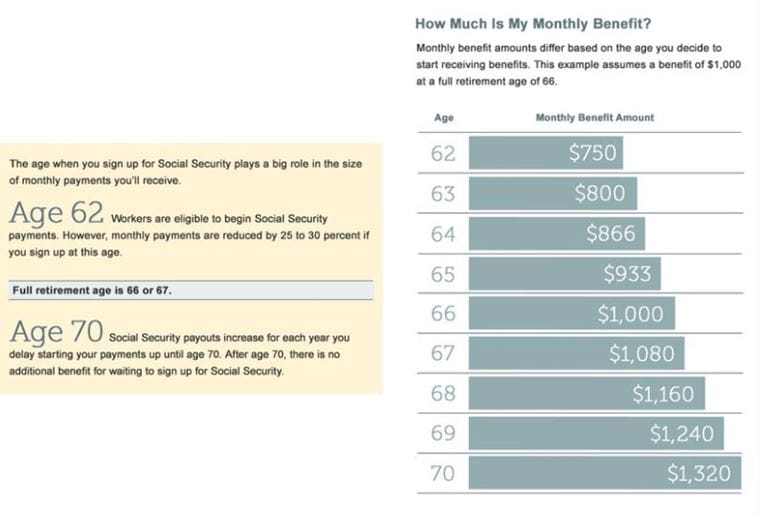
Make informed claiming decisions: Knowing your benefit at different ages (e.g., early retirement at 62, full retirement age, or delayed retirement at 70) allows you to weigh the financial trade-offs of when to start receiving payments.
Beyond Retirement: Disability and Survivor Benefits
While retirement benefits often take center stage, Social Security also provides critical safety nets for unexpected life events. Your Social Security statement also details potential disability benefits, which provide income if you become unable to work due due to a severe medical condition. Furthermore, it outlines survivor benefits, which can offer financial support to your spouse, children, or dependent parents upon your death. Knowing these potential benefits adds another layer of security and allows for comprehensive life planning, reducing the burden on other insurance policies or emergency funds.
Dispelling Common Misconceptions
Many individuals harbor misconceptions about Social Security, such as believing it’s a personal savings account or that it will run out entirely. While the system faces long-term solvency challenges, it’s designed to pay out benefits for the foreseeable future, albeit potentially with adjustments. Understanding your estimated benefit through official channels helps to dispel these myths and provides an accurate basis for your financial planning, empowering you to make decisions based on facts, not speculation.
The Official Path: Your Online My Social Security Account
The most direct, efficient, and accurate way to find out how much Social Security you will get is through your personalized “my Social Security” online account, managed by the Social Security Administration (SSA). This digital portal is a treasure trove of personalized information.
Setting Up Your My Social Security Account
If you haven’t already, creating a “my Social Security” account is the first step. The process is straightforward:
-
Visit the SSA website: Go to www.ssa.gov/myaccount.
-
Click “Create an Account”: You will need to agree to the terms of service.
-
Verify your identity: This is a crucial security step. You’ll typically need to provide personal information such as your name, date of birth, Social Security number, and potentially answer security questions based on your credit history or previous interactions with government agencies.
-
Create your username and password: Choose a strong, unique password to protect your sensitive financial data.
Once created, your account provides immediate access to your Social Security statement and other valuable tools.
Navigating Your Social Security Statement Online
Your personalized Social Security Statement is the centerpiece of your “my Social Security” account. This document summarizes your earnings history and provides estimated future benefits.
-
Accessing the statement: After logging in, you’ll see an option to “Review your Social Security Statement.”
-
Understanding the layout: The statement is typically broken down into several key sections, making it easy to digest complex information.
What Information Your Statement Provides
Your online Social Security Statement offers a wealth of personalized data, including:
-
Estimated Retirement Benefits: This is often the most anticipated section, showing your estimated monthly benefit at different claiming ages: age 62 (early retirement), your full retirement age (FRA), and age 70 (delayed retirement). These estimates are based on your earnings history and projections of future earnings.
-
Estimated Disability Benefits: Provides an estimate of the monthly benefit you could receive if you became disabled and qualified for Social Security Disability Insurance (SSDI).
-
Estimated Survivor Benefits: Details the potential benefits your family members (spouse, children, dependent parents) could receive upon your death.
-
Your Earnings Record: A complete listing of your annual earnings as reported to the SSA. It is absolutely critical to review this section carefully for any discrepancies, as your benefits are directly calculated from these reported earnings. Errors can be corrected, but it requires prompt attention.
-
Medicare Information: Provides an overview of Medicare eligibility and how to apply.
-
Information on the Social Security Program: General facts about the program, how it’s funded, and its long-term outlook.
Regularly reviewing your statement ensures your earnings record is accurate and keeps you informed about your projected benefits, allowing for timely adjustments to your financial strategy.
Key Factors Influencing Your Social Security Benefit Amount
Your Social Security benefit isn’t a fixed sum; it’s a personalized calculation influenced by several critical factors. Understanding these elements empowers you to make strategic decisions that can significantly impact your future payments.
Your Earnings Record: The Foundation of Your Benefits
The most significant factor determining your Social Security benefit is your earnings record. The SSA calculates your “Average Indexed Monthly Earnings” (AIME) based on your 35 highest-earning years.
-
Indexing: Your past earnings are “indexed” to account for changes in average wages over time, ensuring that earlier earnings are given appropriate weight in today’s economy.
-
The 35-Year Rule: If you have fewer than 35 years of earnings, zero-earning years will be averaged in, which can lower your overall benefit. This highlights the importance of consistent employment throughout your working life.
-
Contribution Limit: There’s an annual earnings limit subject to Social Security taxes. Earnings above this limit do not increase your future benefits.
Age at Which You Claim Benefits
This is arguably the most impactful decision you’ll make regarding your Social Security benefits.
-
Full Retirement Age (FRA): This is the age at which you are entitled to 100% of your primary insurance amount (PIA). Your FRA depends on your birth year (e.g., 66 for those born between 1943-1954, gradually increasing to 67 for those born in 1960 or later).
-
Claiming Early (Age 62): You can start receiving benefits as early as age 62, but your monthly payment will be permanently reduced by a percentage for each month you claim before your FRA.
-
Delaying Claiming (Up to Age 70): For each year you delay claiming benefits past your FRA, up to age 70, your monthly payment increases by a certain percentage (currently 8% per year). This is known as accruing Delayed Retirement Credits (DRCs) and can result in a significantly higher monthly benefit for the rest of your life.
The Impact of Working While Receiving Benefits
If you claim Social Security benefits before your full retirement age and continue to work, your benefits may be subject to an earnings limit.
-
Earnings Test: If your earnings exceed a certain threshold, the SSA will temporarily withhold a portion of your benefits.
-
Recalculation at FRA: Once you reach your FRA, your benefits are recalculated to account for any withheld amounts, potentially increasing your future monthly payment. The earnings limit also disappears once you reach your FRA, allowing you to earn as much as you want without penalty.
Spousal and Survivor Benefits: Beyond Your Own Record
Social Security also offers benefits based on the work record of a spouse or deceased spouse.
-
Spousal Benefits: If your spouse is eligible for Social Security, you may be able to claim a benefit based on their record, even if you never worked or had lower earnings. This benefit can be up to 50% of your spouse’s full retirement age benefit.
-
Survivor Benefits: If your spouse dies, you (and potentially your children) may be eligible for survivor benefits based on their work record. This can be a crucial source of income during a difficult time. Understanding these options is vital for couples in their financial planning.
Alternative Methods and Professional Guidance
While the online “my Social Security” account is the primary and most convenient method, other avenues exist for obtaining your benefit estimates and receiving personalized advice.
Requesting a Paper Statement
If you prefer a physical document or have difficulty accessing online services, you can request a paper copy of your Social Security Statement. The SSA automatically mails statements to individuals aged 60 and older who are not yet receiving benefits and do not have an online account. However, anyone can request a paper statement by calling the SSA or filling out an online form on their website. This ensures that everyone has access to their crucial benefit information.
Consulting with Social Security Administration (SSA) Representatives
For more personalized questions, clarification on specific situations, or assistance with complex benefit scenarios, directly contacting the SSA can be invaluable.
-
Call the National Hotline: You can speak with an SSA representative by calling their toll-free number: 1-800-772-1213. Be prepared for potentially long wait times during peak hours.
-
Visit a Local Social Security Office: For in-person assistance, you can locate your nearest Social Security office using the SSA’s online office locator. It’s often advisable to call ahead to inquire about appointment availability or specific documentation you might need.
These options provide direct access to experts who can guide you through the intricacies of the Social Security system and ensure you understand your entitlements.
Engaging a Financial Advisor for Comprehensive Planning
For individuals seeking a holistic view of their retirement and financial future, consulting a qualified financial advisor is highly recommended.
-
Integrating Social Security: An advisor can help you integrate your estimated Social Security benefits into your broader retirement income strategy, alongside your 401(k), IRAs, pensions, and other investments.
-
Optimizing Claiming Strategies: They can analyze your personal circumstances, health, and other income sources to recommend the optimal age for you and your spouse to claim benefits, potentially maximizing your lifetime income.
-
Holistic Financial Planning: Beyond Social Security, an advisor can assist with investment strategies, tax planning, estate planning, and risk management, ensuring all aspects of your financial life are aligned with your goals.
-
Navigating Complexities: For complex situations, such as those involving divorce, government pensions, or working abroad, a financial advisor specializing in retirement planning can offer invaluable guidance.
Maximizing Your Social Security Benefits and Long-Term Financial Planning
Knowing your estimated Social Security benefits is the first step; the next is to strategize how to maximize them and integrate them effectively into your overall financial plan.
Strategies for Increasing Your Future Benefits
While many factors are fixed, some actions can positively impact your eventual Social Security payout:
-
Work at Least 35 Years: As benefits are based on your 35 highest-earning years, working for at least 35 years (even part-time in later years if income is high) helps avoid zero-earning years dragging down your average.
-
Increase Your Earnings: The higher your taxed earnings, the higher your AIME, and consequently, your benefit. This might involve career advancement, taking on side hustles, or continuing to work during years when your earnings are higher than earlier in your career.
-
Delay Claiming Benefits: As discussed, delaying your claim past your full retirement age up to age 70 can result in significantly larger monthly payments for the rest of your life. This is often the most impactful strategy for boosting benefits if you can afford to defer income.
-
Monitor Your Earnings Record: Regularly check your “my Social Security” account to ensure your earnings are correctly reported. Discrepancies should be addressed promptly with the SSA.
Integrating Social Security into Your Broader Retirement Strategy
Social Security should be viewed as a foundational layer, not the entire structure, of your retirement income.
-
Income Diversification: Combine Social Security with income from 401(k)s, IRAs, personal savings, pensions, and potentially part-time work to create a diversified income stream.
-
Budgeting: Use your estimated Social Security benefit as a baseline for your retirement budget, then calculate how much additional income you’ll need from other sources to meet your desired lifestyle.
-
Inflation Protection: Social Security benefits are subject to annual Cost-of-Living Adjustments (COLAs), offering some protection against inflation, which is a valuable feature often overlooked.

Staying Informed About Policy Changes
Social Security is a dynamic program. While fundamental changes are not frequent, legislative discussions and potential adjustments to benefit formulas or claiming rules can occur.
-
Regularly Visit the SSA Website: The official SSA website (ssa.gov) is the best source for up-to-date information on policy changes, program updates, and official announcements.
-
Consult Reputable Financial News: Stay informed through trusted financial news outlets and advisors who track legislative developments related to Social Security.
By actively engaging with the resources available and making informed decisions, you can ensure that Social Security serves its intended purpose as a robust and reliable component of your financial security. Taking the time to understand “how much Social Security you will get” is an investment in your future, empowering you to plan with confidence and work towards the retirement lifestyle you envision.
aViewFromTheCave is a participant in the Amazon Services LLC Associates Program, an affiliate advertising program designed to provide a means for sites to earn advertising fees by advertising and linking to Amazon.com. Amazon, the Amazon logo, AmazonSupply, and the AmazonSupply logo are trademarks of Amazon.com, Inc. or its affiliates. As an Amazon Associate we earn affiliate commissions from qualifying purchases.