
Understanding your household income is more than just knowing how much money comes into your home; it’s the foundational pillar of sound financial planning, budgeting, and strategic decision-making. Whether you’re applying for a loan, planning a major purchase, seeking financial aid, or simply trying to get a clearer picture of your financial health, accurately calculating your household’s total earnings is an essential skill. This guide will demystify the process, providing a comprehensive framework to precisely determine your household income and leverage this crucial information for a more secure financial future.
Understanding What Constitutes Household Income
Before diving into calculations, it’s vital to grasp what “household income” truly encompasses. It’s not always as straightforward as simply adding up paychecks. A nuanced understanding ensures all sources are accounted for, providing an accurate financial snapshot.
Defining “Household” in Financial Terms
In the context of household income, a “household” typically refers to all individuals living under one roof who are financially interdependent or whose incomes contribute to shared expenses. This can include:
-
Individuals: For a single person, their income is their household income.
-
Married Couples/Partners: The combined income of both spouses or partners.
-
Families: Parents and dependent children, often including the income of all working adults.
-
Roommates/Housemates: This is where it gets trickier. If incomes are pooled for shared expenses (rent, utilities, groceries), then their combined income might be considered a household income for specific purposes. However, for most formal applications (like mortgages or government benefits), “household” usually refers to related individuals or those with a legal dependency. For the purpose of personal financial planning, you decide who is part of your financial household.
It’s important to clarify the definition based on the specific context or application (e.g., mortgage application, FAFSA, government aid). For personal budgeting, it’s about all money available to cover shared household expenses.
Components of Gross Income
When calculating household income, we primarily focus on gross income – the total amount of money earned before any deductions (taxes, insurance premiums, retirement contributions, etc.) are taken out. Key components include:
-
Wages and Salaries: This is often the largest component, referring to income from employment reported on W-2 forms for employees, or detailed invoices/ledgers for freelancers/contractors.
-
Self-Employment Income: For business owners, freelancers, and independent contractors, this is typically the gross revenue generated from their business activities before business expenses are deducted.
-
Investment Income:
-
Dividends: Payments from stock investments.
-
Interest: Earnings from savings accounts, bonds, and other interest-bearing assets.
-
Capital Gains: Profits from selling assets like stocks, real estate, or other investments for more than their purchase price.
-
-
Rental Income: Money earned from renting out properties, before deducting expenses like mortgage interest, property taxes, or maintenance.
-
Retirement Income:
-
Pensions: Regular payments received after retirement from an employer-sponsored plan.
-
Annuities: Payments from insurance contracts.
-
Social Security Benefits: Government-provided retirement or disability income.
-
-
Other Income Sources:
-
Alimony/Spousal Support: Payments received from a former spouse.
-
Gambling Winnings: Prize money from lotteries, casinos, etc.
-
Royalties: Income from intellectual property (books, music, patents).
-
Worker’s Compensation or Disability Payments: Benefits received due to injury or illness.
-
Distinguishing Gross vs. Net Income
Understanding the difference between gross and net income is crucial.
-
Gross Income: As defined above, this is the total income before any deductions. It’s the figure typically used for loan applications, income eligibility for certain programs, and high-level financial assessments.
-
Net Income (or Take-Home Pay): This is what you actually receive after all deductions have been made. It’s the amount you use for daily budgeting, paying bills, and discretionary spending.
While gross household income is often the figure sought for formal applications, a solid understanding of your net household income is indispensable for realistic day-to-day financial management.
Step-by-Step Guide to Calculating Your Household’s Total Earnings
Calculating your household income might seem daunting, but breaking it down into manageable steps makes the process straightforward and accurate.
Gathering Income Documentation for Each Member
The first and most critical step is to collect all relevant income documentation for every adult contributing to the household’s finances over a specific period (usually annually, but sometimes monthly or quarterly for budgeting).
-
W-2 Forms: For salaried or hourly employees, this summarizes annual wages, tips, and other compensation, as well as taxes withheld.
-
1099 Forms: Various 1099 forms cover different types of non-employee income:
-
1099-NEC: Nonemployee Compensation (for independent contractors, freelancers).
-
1099-MISC: Miscellaneous Income (rent, royalties, prizes).
-
1099-INT: Interest Income (from banks, brokerages).
-
1099-DIV: Dividends and Distributions (from stocks, mutual funds).
-
1099-R: Distributions from Pensions, Annuities, Retirement or Profit-Sharing Plans, IRAs, Insurance Contracts, etc.
-
1099-G: Certain Government Payments (unemployment compensation, state tax refunds).
-
-
Bank Statements: Can help verify regular deposits for those without formal income statements, such as cash-based businesses or informal jobs.
-
Business Ledgers/Invoices: For self-employed individuals, detailed records of income earned before expenses.
-
Social Security Statements: For those receiving Social Security benefits.
-
Alimony/Child Support Agreements: Legal documents outlining regular payments.
-
Rental Agreements: For rental income properties.
Aim to collect documentation for the most recent full calendar year, as this is commonly requested for official purposes.
Accounting for All Income Sources (Wages, Self-Employment, Investments)
Once you have your documents, systematically list and total each income source for each household member.
-
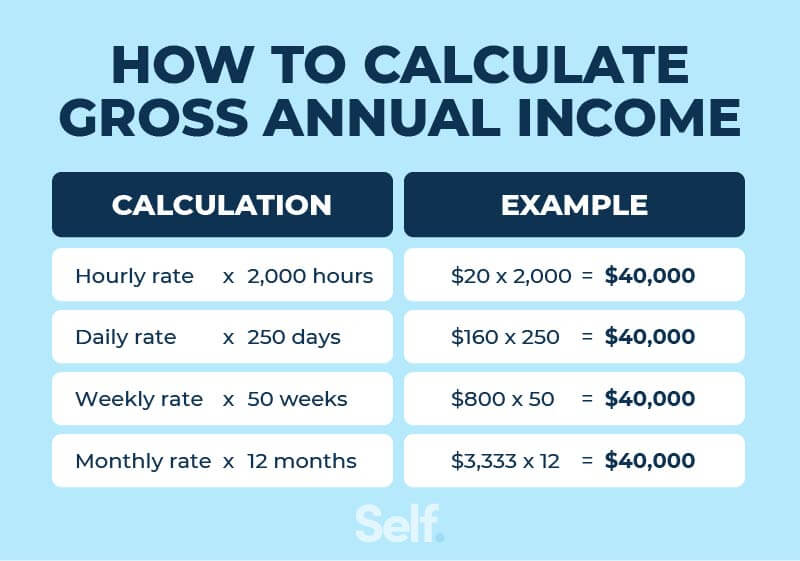
Employee Wages/Salaries: Add up the gross wages from all W-2 forms. If calculating monthly, use your gross monthly pay before deductions.
-
Self-Employment Income: For self-employed individuals, sum up all gross revenue from their business activities. Crucially, for household income purposes, this is often the gross income before business expenses are deducted. While tax forms (like Schedule C) show net profit after expenses, many lenders or programs want to see the total money generated. If a business runs at a loss, that needs to be factored in as a negative contribution or zero income from that source.
-
Investment Income: Add up all interest, dividends, and capital gains reported on 1099-INT, 1099-DIV, and Schedule D (for capital gains).
-
Rental Income: Total the gross rent collected from all properties.
-
Retirement/Pension Income: Sum up all pension, annuity, and Social Security payments.
-
Other Income: Include alimony, royalties, gambling winnings, unemployment benefits, and any other regular or significant income streams.
Be meticulous. Even small, recurring income sources can add up and significantly impact your total.
Incorporating Non-Traditional Income Streams
Not all income arrives in a neat paycheck or investment statement. It’s important to consider less conventional sources, especially for a comprehensive personal financial picture:
-
Gig Economy Earnings: Income from ridesharing, food delivery, freelancing platforms (e.g., Upwork, Fiverr), or selling goods online. These might be reported on 1099-NEC or trackable through platform statements.
-
Cash Income: For jobs paid entirely in cash, you’ll need to meticulously track these earnings yourself. While sometimes overlooked, it’s crucial for an accurate personal financial assessment. For official applications, documenting cash income can be challenging but might be done through self-declarations, bank deposit records, or notarized statements.
-
Gifts/Inheritances: While often non-taxable and irregular, significant gifts or inheritances can impact your financial standing, though they typically aren’t counted as “income” for eligibility purposes unless they become a regular allowance. For personal budgeting, these are often treated as one-off windfalls.
Sum all these individual income totals to arrive at your preliminary gross household income.
The Importance of Knowing Your Household Income
Accurately figuring out your household income isn’t just an administrative task; it’s a powerful tool that enables informed financial decisions and opens doors to various opportunities.
Budgeting and Financial Planning
The most immediate and practical application of knowing your household income is for robust budgeting. A clear picture of your total earnings allows you to:
-
Create Realistic Budgets: Allocate funds effectively across categories like housing, food, transportation, savings, and discretionary spending.
-
Track Spending: Compare actual expenditures against your income to identify areas of overspending or opportunities for saving.
-
Set Financial Goals: Whether saving for a down payment, retirement, or a child’s education, your income determines the pace and feasibility of achieving these goals. Without knowing your income, budgeting is largely guesswork.
Loan Applications and Creditworthiness
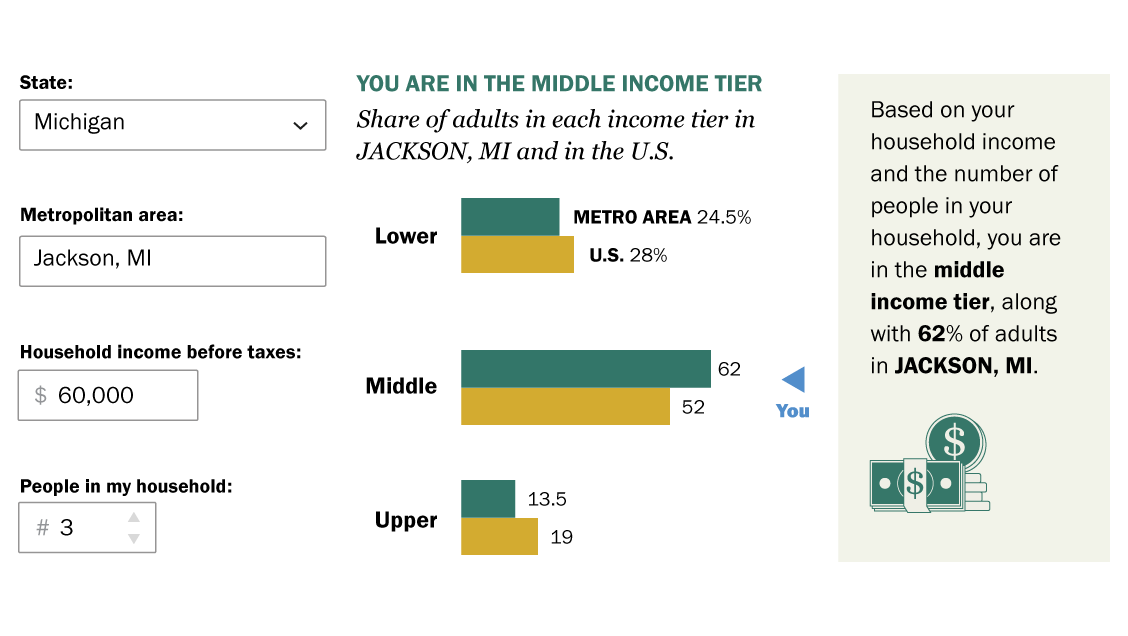
Financial institutions use household income as a primary metric to assess your ability to repay debt.
-
Mortgages: Lenders use debt-to-income (DTI) ratios, which directly depend on your gross household income, to determine how much you can borrow.
-
Auto Loans/Personal Loans: Your income level influences loan approval and the interest rates you qualify for.
-
Credit Card Limits: Higher income generally correlates with higher credit limits.
Accurate income reporting is vital; misrepresenting your income can lead to loan rejections or even legal repercussions.
Eligibility for Financial Aid and Government Programs
Many essential programs, from college financial aid to housing assistance and healthcare subsidies, are income-based.
-
Student Financial Aid (FAFSA): Your household’s Adjusted Gross Income (AGI) is a key factor in determining eligibility for grants, scholarships, and federal student loans.
-
Healthcare Subsidies: Eligibility for premium tax credits under the Affordable Care Act (ACA) is directly tied to household income relative to the Federal Poverty Level.
-
Housing Assistance: Programs like Section 8 housing vouchers use household income guidelines.
-
Food Assistance (SNAP): Eligibility for food benefits is also income-dependent.
Knowing your household income ensures you apply for and receive the benefits you are entitled to, potentially saving thousands of dollars annually.
Strategic Financial Decision-Making
Beyond immediate needs, understanding your household income empowers long-term financial strategy.
-
Investment Planning: Your disposable income dictates how much you can regularly invest, influencing your portfolio’s growth potential.
-
Tax Planning: Income brackets determine your tax liability. Knowing your total income helps in planning for deductions, credits, and future tax obligations.
-
Career and Lifestyle Choices: A clear income picture can inform decisions about career changes, taking on a side hustle, or making significant lifestyle adjustments. It helps you understand the financial impact of such choices before committing.
Tools and Resources for Income Calculation and Management
Calculating household income doesn’t have to be a manual, error-prone chore. Various tools and resources can streamline the process and help you manage your finances more effectively.
Spreadsheets and Manual Tracking Methods
For those who prefer a hands-on approach, a simple spreadsheet (e.g., Google Sheets, Microsoft Excel) is an excellent tool.
-
Setup: Create columns for each household member, income source, and month/year.
-
Data Entry: Input gross income figures from pay stubs, bank statements, or other documents regularly.
-
Formulas: Use basic summation formulas to calculate monthly, quarterly, and annual totals.
-
Benefits: Highly customizable, no cost, and provides a clear visual breakdown.
-
Drawbacks: Requires discipline for regular updates and is prone to human error if not meticulously managed.
For simpler tracking, a dedicated notebook or ledger can also work, though it lacks the automation and calculation power of a spreadsheet.
Personal Finance Software and Budgeting Apps
Technology has made financial tracking significantly easier. Many apps and software solutions can automatically aggregate income and expense data.
-
Mint: A popular free app that links to bank accounts, credit cards, and investment accounts to track income, expenses, and net worth. It automatically categorizes transactions and provides budgeting tools.
-
You Need A Budget (YNAB): A paid app that focuses on the “zero-based budgeting” method, helping users assign every dollar a job. It’s excellent for proactive income management.
-
Quicken: A comprehensive desktop software (with mobile app extensions) that offers robust features for budgeting, investment tracking, and detailed financial reporting.
-
Personal Capital (now Empower Personal Wealth): Excellent for tracking investments and net worth, with some budgeting features. It provides a holistic view of your financial life.
-
Spreadsheet-based apps like Tiller Money: Connects your financial accounts directly to Google Sheets or Excel, automating data entry into a customizable spreadsheet template.
These tools save time, reduce errors, and often provide insightful visual reports that manual methods cannot. They are particularly useful for consolidating multiple income streams and expenses from various accounts.
Consulting Financial Professionals
When income structures are complex (e.g., multiple businesses, significant investments, irregular income), or if you need professional guidance, a financial advisor or an accountant can be invaluable.
-
Accountants/Tax Professionals: Can help accurately calculate gross income, understand the tax implications of various income streams, and prepare documentation needed for loan applications. They are experts in ensuring compliance and optimizing tax strategies.
-
Financial Advisors: Can use your household income figures to develop comprehensive financial plans, including investment strategies, retirement planning, and debt management. They provide personalized advice based on your unique financial situation and goals.
While these services come with a cost, the expertise and peace of mind they offer can be well worth the investment, especially for complex financial situations.
Common Pitfalls and Best Practices
Accurately determining household income requires diligence and an awareness of common mistakes. Avoiding these pitfalls will ensure your figures are as precise and useful as possible.
Overlooking Sporadic or Irregular Income
One of the most frequent errors is failing to include all income sources, particularly those that are not regular paychecks.
-
Seasonal Work: Income from jobs performed only at certain times of the year.
-
Bonus Payments: Annual or semi-annual bonuses from employment.
-
Commissions: Variable income for sales professionals.
-
Side Gigs/Freelancing: Even small amounts from occasional contract work or selling items online can add up.
-
Cash Income: As mentioned, easily overlooked but crucial for a full picture.
Best Practice: Maintain a running log of all income, no matter how small or infrequent. Review bank statements and payment processor records (e.g., PayPal, Venmo) to catch anything you might have forgotten.
Differentiating Taxable vs. Non-Taxable Income
For personal financial planning, you want to capture all money flowing into the household. However, for official purposes (like loan applications or government aid), certain non-taxable income sources might be treated differently or excluded.
-
Non-Taxable Income Examples: Some welfare benefits, child support (for the recipient), municipal bond interest, and certain disability payments.
-
Taxable Income Examples: Wages, self-employment income, most investment income, retirement distributions, unemployment benefits.
Best Practice: Understand the specific definition of “income” required for the form or application you are completing. While your personal household income calculation should ideally include everything, be prepared to adjust figures based on the specific rules of an external entity. When in doubt, provide the gross amount and allow the entity to make necessary adjustments.
Regular Review and Updates of Your Income Figures
Household income is not a static figure. Life changes, promotions happen, side hustles emerge, and investments fluctuate.
-
Job Changes: A new job, promotion, or reduction in hours directly impacts income.
-
New Income Streams: Starting a side business or receiving an inheritance.
-
Investment Performance: Significant changes in dividends, interest, or capital gains.
-
Changes in Household Composition: A new dependent, a child leaving home, or a new partner moving in can alter the “household” definition and total income.
Best Practice: Make it a habit to review and update your household income calculation at least annually, or more frequently if significant financial or life changes occur. This ensures your budget, financial plans, and eligibility assessments are always based on the most current and accurate information. Regular reviews also provide an opportunity to celebrate financial progress or identify areas for improvement.
By diligently following these steps and best practices, you can accurately determine your household income, transforming it from a mysterious number into a powerful financial tool that underpins all your future financial success.
aViewFromTheCave is a participant in the Amazon Services LLC Associates Program, an affiliate advertising program designed to provide a means for sites to earn advertising fees by advertising and linking to Amazon.com. Amazon, the Amazon logo, AmazonSupply, and the AmazonSupply logo are trademarks of Amazon.com, Inc. or its affiliates. As an Amazon Associate we earn affiliate commissions from qualifying purchases.