
The question, “How much is my annual salary?” seems simple on the surface, but its implications reach far beyond a single number. It’s not just about what appears on your offer letter; it’s about understanding your total compensation, how it stacks up against market rates, and critically, how to leverage it for your long-term financial well-being. In a world of increasing financial complexity, a deep dive into your annual salary is an essential step towards financial literacy and empowerment. This article will guide you through decoding your pay, understanding the forces that shape it, valuing your full compensation package, and strategizing to grow it over time.
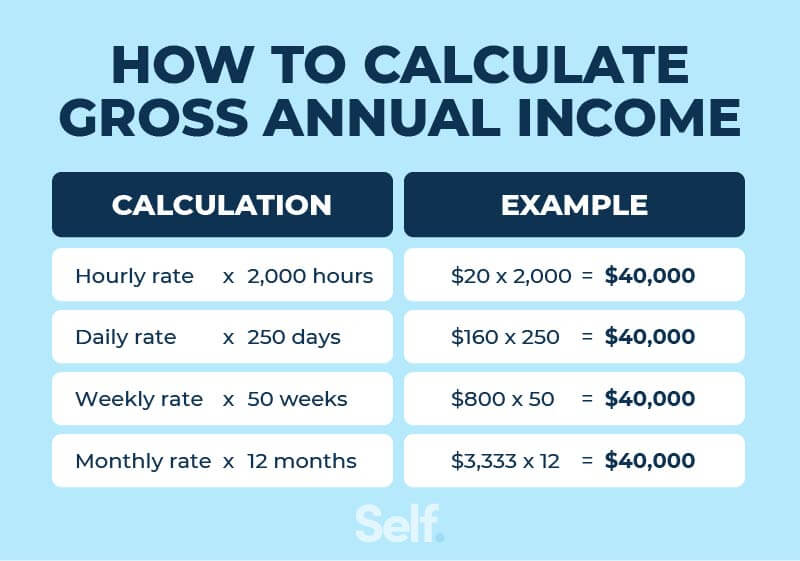
Decoding Your Annual Salary: Beyond the Gross Number
Many people equate their annual salary with the gross figure quoted in their employment contract. However, the reality of what lands in your bank account is often significantly different. Understanding the journey from your gross salary to your net pay is fundamental to managing your personal finances effectively.
Gross vs. Net: The Fundamental Distinction
Your gross annual salary is the total amount of money your employer pays you before any deductions are made. This is the figure typically discussed during job interviews and listed in job advertisements. It’s the starting point for all calculations. In contrast, your net annual salary, often referred to as your take-home pay, is the amount you actually receive after all mandatory and voluntary deductions have been subtracted. This distinction is crucial because it’s your net pay that dictates your immediate spending power and your capacity for saving and investing. Overlooking this difference can lead to budgeting errors and a misperception of your true financial resources.
Understanding Your Pay Stub: Deductions and Contributions
A detailed examination of your pay stub is the most direct way to understand how your gross salary transforms into your net pay. Pay stubs itemize every deduction, providing transparency into where your money is going. Common mandatory deductions include federal, state, and local income taxes, as well as Social Security and Medicare contributions (FICA). These are statutory obligations that reduce your gross income. Beyond these, you’ll often find voluntary deductions, which are no less important. These might include contributions to employer-sponsored retirement plans (like a 401(k) or 403(b)), health insurance premiums, dental and vision coverage, life insurance, disability insurance, and contributions to flexible spending accounts (FSAs) or health savings accounts (HSAs). Each of these deductions, while reducing your immediate take-home pay, often provides significant benefits, such as tax advantages, financial security, and future wealth building.
The Impact of Taxes and Benefits on Real Income
The aggregate effect of taxes and benefits profoundly impacts your “real” income – the money you can truly spend or save. Taxes are often progressive, meaning higher earners pay a larger percentage of their income. Understanding your tax bracket and effective tax rate is vital for financial planning. Furthermore, employer-sponsored benefits, while reducing your net pay, often represent a substantial hidden value. For instance, a comprehensive health insurance plan, even with a premium deduction, saves you from the potentially catastrophic costs of healthcare. Employer contributions to your 401(k) or pension plan are direct additions to your future wealth that don’t appear in your gross salary but are a significant part of your total compensation. A holistic view considers both the cash you receive and the value of these non-cash benefits.
Factors Influencing Your Salary: What Drives Compensation?
Your annual salary isn’t plucked out of thin air; it’s the result of a complex interplay of various market forces, individual attributes, and organizational dynamics. Grasping these factors is key to understanding your current earning potential and strategizing for future growth.
Industry Benchmarks and Market Demand
Different industries inherently command different salary scales based on their profitability, growth potential, and the demand for specific skill sets. High-growth sectors like technology and healthcare often offer higher salaries due to intense competition for talent and significant revenue streams. Conversely, more mature or less profitable industries might have lower compensation benchmarks. Within an industry, market demand for particular roles or specialized skills plays a crucial role. A software engineer with expertise in artificial intelligence, for example, will likely command a higher salary than one with more common skills, simply due to scarcity and demand. Regularly researching industry salary reports and surveys can provide invaluable insights into market rates for your role.
Geographical Location and Cost of Living
Where you live and work is a significant determinant of your salary. Salaries are often adjusted to reflect the cost of living in a particular region. Major metropolitan areas like New York City, San Francisco, or London typically offer higher salaries to compensate for significantly higher housing, transportation, and general living expenses. Conversely, jobs in smaller towns or rural areas may have lower nominal salaries but could offer a higher quality of life due to lower expenses. It’s essential to consider the purchasing power of your salary in a specific location rather than just the absolute number. A higher salary in a high-cost-of-living area might leave you with less disposable income than a moderately lower salary in a more affordable region.
Experience, Skills, and Education Level
Your individual qualifications and professional journey are paramount to your earning potential. Generally, more years of relevant experience correlate with higher salaries, reflecting increased expertise, leadership capabilities, and a proven track record. Similarly, specialized skills that are in high demand and difficult to acquire—such as data analytics, cybersecurity, or specific programming languages—can significantly boost your salary. Educational attainment also plays a role; advanced degrees (Master’s, PhD) often open doors to higher-paying positions, especially in fields like medicine, law, engineering, and academia. Certifications and continuous professional development also signal a commitment to growth and can justify higher compensation.
Company Size and Financial Health
The organization you work for can also influence your pay. Larger corporations, often with greater revenue and resources, tend to offer more competitive salaries and comprehensive benefits packages than smaller businesses or startups. This is partly due to their capacity to attract top talent and their structured compensation frameworks. The financial health of a company is another critical factor. A highly profitable and stable company might be more inclined to offer generous compensation, bonuses, and equity options, whereas a struggling company might be more constrained. Researching a potential employer’s financial stability and compensation philosophy can provide clues about their salary practices.
Valuing Your Total Compensation Package
Focusing solely on your base annual salary tells only part of the story. A truly comprehensive understanding of “how much you make” requires evaluating your entire compensation package, which often includes a myriad of benefits and incentives that add substantial value.
Beyond Base Pay: The Hidden Value of Benefits
Many benefits, while not direct cash in hand, significantly enhance your financial security and well-being. Health, dental, and vision insurance, for example, protect you from potentially crippling medical expenses. Life and disability insurance provide crucial financial safeguards for you and your dependents. Paid time off (PTO), including vacation, sick days, and holidays, allows for rest and recovery without loss of income, an invaluable benefit for work-life balance and mental health. Other benefits like tuition reimbursement, professional development stipends, employee assistance programs, and gym memberships all contribute to your overall compensation by reducing out-of-pocket expenses or investing in your future.
Bonuses, Commissions, and Performance Incentives
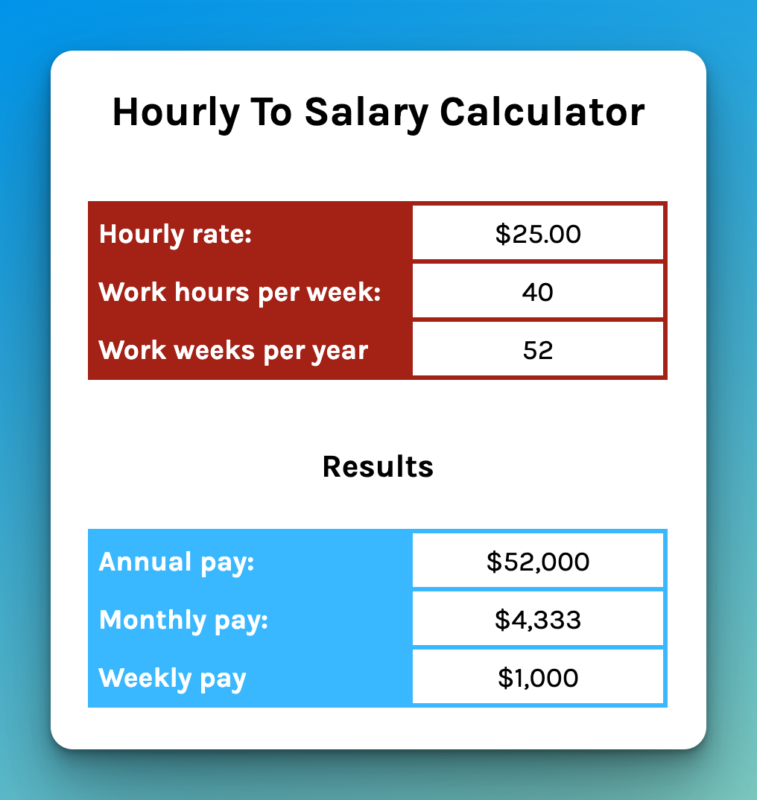
For many roles, especially in sales, management, and executive positions, a significant portion of annual earnings comes from variable pay. Bonuses are typically lump-sum payments tied to individual, team, or company performance, often awarded annually. Commissions are usually a percentage of sales or revenue generated, common in sales roles. Performance incentives are broader rewards linked to achieving specific targets or metrics. These variable components can dramatically increase your total annual income, but they also introduce a degree of uncertainty. Understanding the structure, targets, and potential payout of these incentives is crucial for accurately estimating your full earning potential.
Equity, Stock Options, and Long-Term Incentives
In the startup world and increasingly in larger public companies, equity compensation is a powerful component. This can include stock options (the right to buy company stock at a predetermined price), restricted stock units (RSUs) (shares of stock that vest over time), or direct stock grants. The value of equity can fluctuate with the company’s performance and stock market, offering substantial upside potential, especially if the company grows significantly. These are long-term incentives designed to align employee interests with shareholder value and can represent a major wealth-building opportunity, often valued in the tens or hundreds of thousands, or even millions, over time.
Assessing Non-Monetary Perks and Work-Life Balance
While harder to quantify, non-monetary perks and work-life balance contribute significantly to job satisfaction and overall compensation. Perks might include a flexible work schedule, remote work options, subsidized meals, commuter benefits, or a casual dress code. A strong company culture, opportunities for advancement, mentorship programs, and a supportive work environment also add intangible value. Furthermore, a role that offers excellent work-life balance—perhaps through reasonable hours, ample PTO, or flexibility—can be more valuable than a higher-paying but more demanding job that leads to burnout. These factors, while not cash, reduce stress, improve quality of life, and contribute to long-term career sustainability.
Strategies for Optimizing and Increasing Your Salary
Understanding your current salary is merely the first step. The true financial savvy lies in actively seeking ways to optimize and grow your income over your career. This proactive approach can significantly impact your lifetime earnings and financial security.
Continuous Skill Development and Upskilling
The modern workforce demands continuous learning. Investing in your skills through certifications, online courses, workshops, or even pursuing advanced degrees can make you more valuable to your current employer or more attractive to potential new ones. Focus on acquiring skills that are in high demand, future-proof, or specialized within your industry. For example, learning new programming languages, data analytics tools, project management methodologies, or digital marketing strategies can directly translate into higher earning potential. Position yourself as a lifelong learner, adapting to technological shifts and industry changes.
Effective Salary Negotiation Tactics
Perhaps one of the most impactful ways to increase your salary is through effective negotiation. This applies to new job offers, promotions, and annual reviews. Research market rates thoroughly before entering negotiations. Articulate your value to the company, highlighting your accomplishments, unique skills, and contributions to organizational goals. Don’t be afraid to ask for what you’re worth, but always be prepared to justify your request with data and compelling arguments. Negotiation isn’t just about base salary; it also encompasses bonuses, benefits, equity, and perks. A successful negotiation can add thousands to your annual income and compound over your career.
Exploring Side Hustles and Additional Income Streams
Your primary annual salary isn’t your only income potential. Exploring side hustles—part-time entrepreneurial ventures or freelance work—can significantly boost your overall annual earnings. This could involve leveraging existing skills (e.g., freelance writing, graphic design, consulting), monetizing hobbies (e.g., selling crafts, photography), or venturing into new areas (e.g., ridesharing, delivery services, online tutoring). Diversifying your income streams not only adds to your financial coffers but also builds new skills, expands your network, and provides a safety net against potential job instability. Many successful side hustles have even evolved into full-time businesses.
Strategic Career Moves and Job Changes
Sometimes, the most significant salary jumps come from strategically changing jobs or even careers. If your current employer cannot or will not match market rates or provide growth opportunities, exploring external options becomes essential. Before making a move, carefully evaluate the new role’s responsibilities, growth potential, company culture, and overall compensation package. Don’t chase salary blindly; ensure the new role aligns with your long-term career aspirations and provides a healthy environment for professional development. A well-timed and thought-out job change can lead to a substantial increase in your annual salary, sometimes by 10-20% or more.
Leveraging Financial Tools for Salary Growth
Various financial tools can indirectly contribute to salary growth and better financial management. Salary comparison websites (e.g., Glassdoor, LinkedIn Salary, Payscale) provide data to inform negotiation. Budgeting apps help you manage your existing income efficiently, freeing up funds for skill development or side hustle investments. Investment platforms allow you to make your money work for you, accumulating wealth beyond your salary. Furthermore, financial advisors can offer personalized strategies for maximizing your income, optimizing taxes, and planning for retirement, ensuring your annual salary contributes maximally to your financial goals.
The Broader Context: Salary in Your Financial Journey
Ultimately, your annual salary is a powerful instrument within the broader symphony of your financial journey. It’s the engine that powers your present lifestyle, funds your future aspirations, and provides the foundation for building lasting wealth.
Budgeting and Financial Planning Around Your Income
Understanding your annual salary, both gross and net, is the bedrock of effective budgeting. A well-crafted budget helps you allocate your income purposefully, ensuring that essential expenses are covered, savings goals are met, and discretionary spending aligns with your values. Financial planning goes a step further, mapping out how your salary will support short-term needs (like an emergency fund), medium-term goals (like a down payment on a house), and long-term aspirations (like retirement). Without a clear understanding of your income, these plans remain abstract. Your salary dictates your capacity to save, invest, and manage debt, directly influencing your financial freedom.
Saving and Investing: Making Your Salary Work Harder
A significant portion of your annual salary should ideally be channeled towards saving and investing. Simply earning a high salary isn’t enough; you must make that money work for you. Contributing to retirement accounts (401(k), IRA), building an emergency fund, and investing in diversified portfolios are critical steps. The earlier you start, the more powerful compound interest becomes, transforming modest contributions from your salary into substantial wealth over time. Your annual salary provides the capital for these investments, turning it into an active participant in your wealth accumulation rather than just a means to cover monthly expenses.
Setting Financial Goals: From Salary to Wealth Accumulation
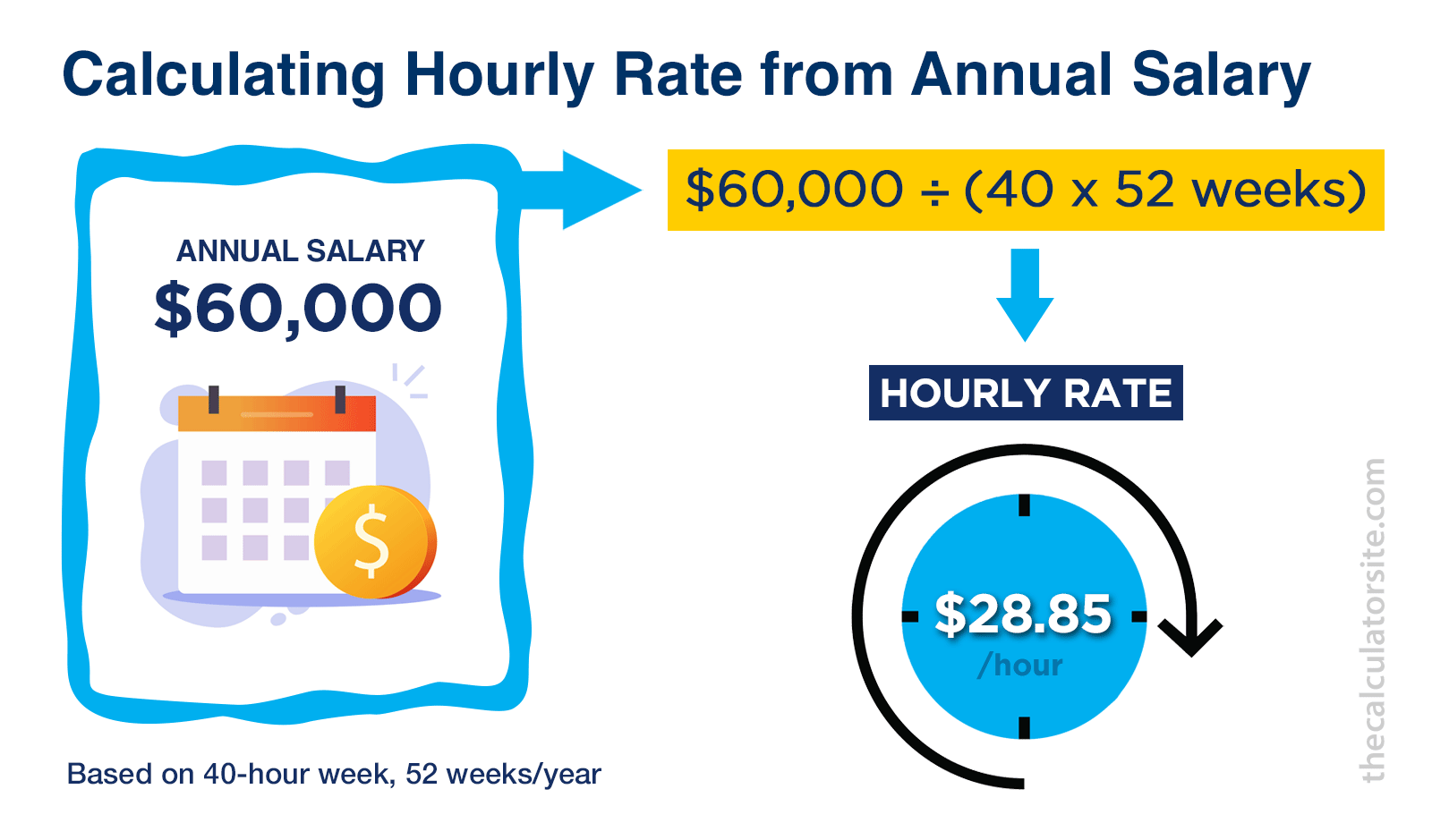
Your annual salary is the primary tool for achieving your financial goals. Whether it’s becoming debt-free, buying a home, funding your children’s education, starting a business, or retiring comfortably, each goal requires a financial roadmap powered by your income. By understanding how much you earn, and critically, how much you can allocate towards these goals, you can set realistic timelines and actionable plans. A consistent, strategic approach to managing and growing your annual salary lays the groundwork for financial independence, moving you from merely earning a living to actively accumulating wealth and securing your future.
In conclusion, “How much is my annual salary?” is a question that opens the door to a deeper understanding of your financial landscape. By meticulously decoding your pay, recognizing the market forces at play, valuing your total compensation, and proactively implementing strategies for growth, you transform a simple number into a powerful lever for personal financial success and long-term wealth accumulation.
aViewFromTheCave is a participant in the Amazon Services LLC Associates Program, an affiliate advertising program designed to provide a means for sites to earn advertising fees by advertising and linking to Amazon.com. Amazon, the Amazon logo, AmazonSupply, and the AmazonSupply logo are trademarks of Amazon.com, Inc. or its affiliates. As an Amazon Associate we earn affiliate commissions from qualifying purchases.