
The question “how much is insurance?” is deceptively simple, yet its answer is anything but. In the complex world of personal and business finance, insurance stands as a cornerstone of risk management, a vital safety net designed to protect individuals and assets from unforeseen financial shocks. From safeguarding your health and home to securing your vehicle and even your income, insurance policies mitigate potential devastation, turning catastrophic losses into manageable financial events. However, the cost—the premium you pay for this protection—is a moving target, influenced by a myriad of factors unique to the type of coverage, the insurer, and the individual seeking protection.
Understanding the financial mechanics behind insurance costs is crucial for making informed decisions, budgeting effectively, and ultimately securing adequate protection without overpaying. This article delves into the intricate layers that determine insurance premiums, breaks down costs across various insurance types, explores personal factors that influence your unique rate, and provides actionable strategies for optimizing your insurance spending within the “Money” domain.
The Core Determinants of Insurance Premiums
At its heart, insurance pricing is a sophisticated exercise in risk assessment and financial forecasting. Insurers, whether large corporations or smaller mutual companies, operate on the principle of pooling risk. They collect premiums from many policyholders to create a fund from which to pay claims to the few who experience covered losses. The cost you pay is, therefore, a reflection of your perceived share of that collective risk, plus the insurer’s operational costs and profit margin.
Risk Assessment and Actuarial Science
The foundation of any insurance premium lies in actuarial science—a discipline that uses statistical and mathematical methods to assess risk in the insurance and finance industries. Actuaries analyze vast datasets, including historical claims data, demographic information, geographic trends, and economic indicators, to predict the likelihood and potential cost of future claims. For instance, if data shows that drivers in a certain zip code have a higher incidence of accidents, or that homes built with specific materials are more prone to damage, these risks are factored into the premiums for individuals in those categories. This scientific approach ensures that premiums are theoretically adequate to cover future claims while remaining competitive in the market.
Coverage Limits and Deductibles
Two of the most direct levers on your insurance premium are your chosen coverage limits and deductibles. Coverage limits define the maximum amount an insurer will pay for a covered loss. Higher limits provide greater protection but naturally come with higher costs, as the insurer assumes a larger potential payout. Conversely, a lower coverage limit reduces your premium but leaves you exposed to a greater financial burden if a major loss occurs that exceeds your policy’s maximum.
A deductible is the amount you must pay out-of-pocket before your insurance coverage begins to kick in. It acts as a form of self-insurance for smaller, more frequent losses. Choosing a higher deductible typically results in a lower premium, as you are taking on more initial risk. This can be a smart financial strategy for those with ample emergency savings who are confident they can cover the deductible if a claim arises. Conversely, a lower deductible means you pay less out-of-pocket during a claim but will face a higher premium for that immediate coverage.
Geographic Location and Local Regulations
Where you live can have a profound impact on your insurance costs. This isn’t just about general risk factors like crime rates or natural disaster frequency; it also encompasses local and state-specific regulations. Some states mandate certain types or levels of coverage (e.g., minimum auto liability insurance), which can affect baseline costs. Furthermore, local economic conditions, competition among insurers in a specific area, and even the cost of repairing damages or medical care in that region can all contribute to premium variations. An area prone to hurricanes, wildfires, or even higher rates of vehicle theft will invariably see higher insurance premiums for relevant policies.
The Insurer’s Business Model and Competitive Landscape
The specific insurance company you choose also plays a role in your premium. Insurers have different operational costs, underwriting guidelines, risk appetites, and target profit margins. Some companies might specialize in high-risk individuals and charge more, while others might focus on low-risk clients with competitive pricing. The overall competitive landscape in a given market can also drive prices up or down. A market with many insurers vying for business might see lower prices due to competition, whereas a market with fewer options could lead to higher premiums. It always pays to shop around and compare quotes from multiple providers.
Deconstructing Costs Across Key Insurance Types
While the core principles of risk assessment apply universally, the specific factors that drive costs vary significantly depending on the type of insurance you are seeking. Each category has its own unique set of variables that influence the final premium.
Auto Insurance: A Perennial Expense
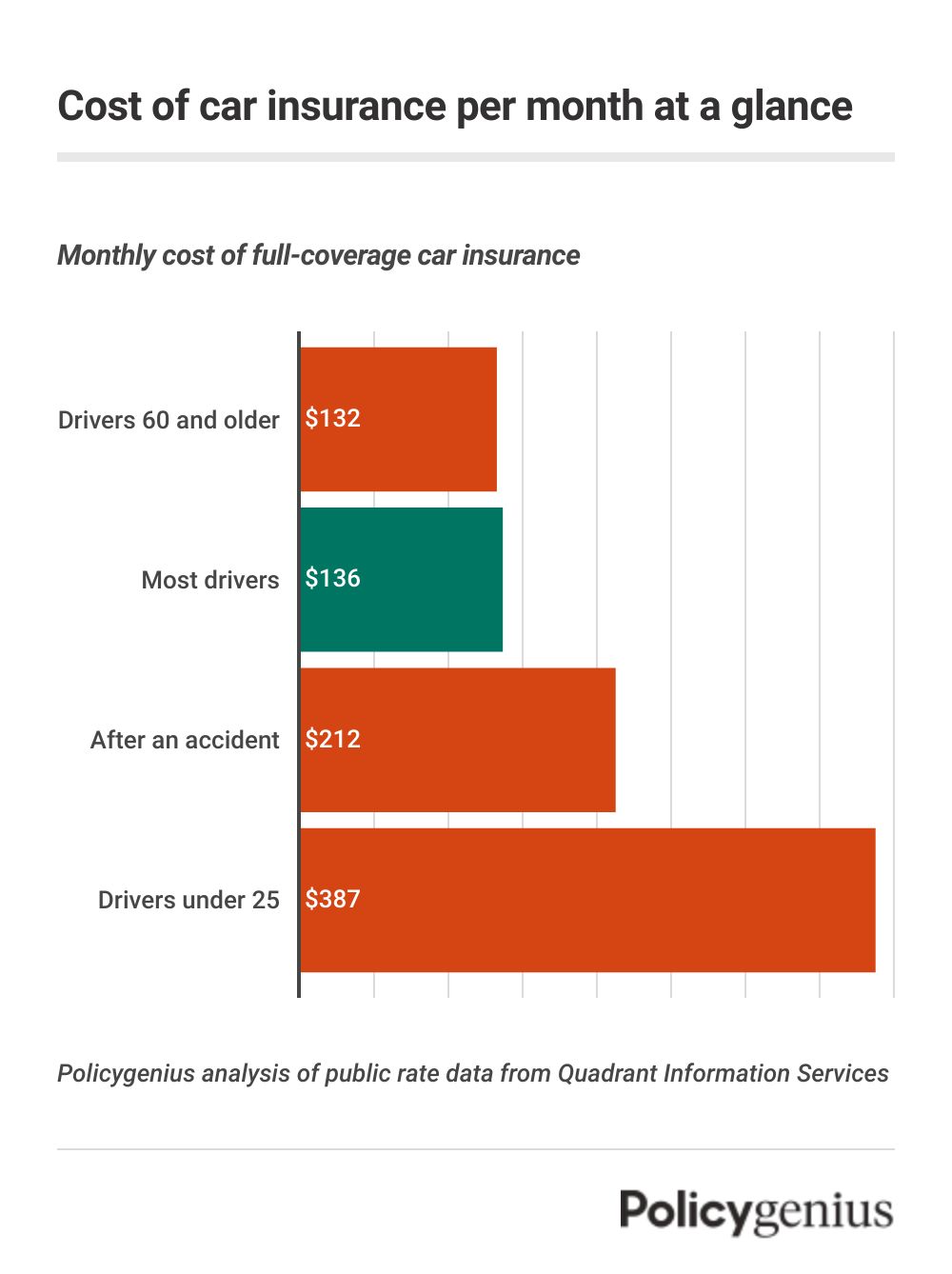
For most adults, auto insurance is a mandatory and recurring financial obligation. The cost of auto insurance is influenced by an extensive list of factors. Your driving record (accidents, violations), age and experience, type of vehicle (make, model, safety features, theft risk, repair costs), annual mileage, geographic location (urban areas often have higher rates due to increased traffic and theft), and credit history (in many states) all play a significant role. Additionally, the specific coverage you choose—liability, collision, comprehensive, uninsured/underinsured motorist, medical payments—will directly impact the premium. A younger, inexperienced driver with a sports car living in a city and a history of speeding tickets will undoubtedly pay more than an older, experienced driver with a safe sedan living in a rural area.
Homeowners/Renters Insurance: Protecting Your Dwelling
Protecting your most valuable asset, your home, or your personal belongings as a renter, is another critical financial consideration. Homeowners insurance costs are determined by the value and age of the home, construction materials (brick vs. wood frame), location (proximity to fire departments, risk of natural disasters like floods, earthquakes, or hurricanes), claims history (both yours and previous owners), and any safety features like alarm systems, sprinklers, or reinforced roofs. Renters insurance, while significantly cheaper, is primarily based on the value of your personal property and liability coverage, with location still playing a minor role. The higher the replacement cost of your home and its contents, and the greater the perceived risk of damage, the higher your premium will be.
Health Insurance: A Complex Financial Landscape
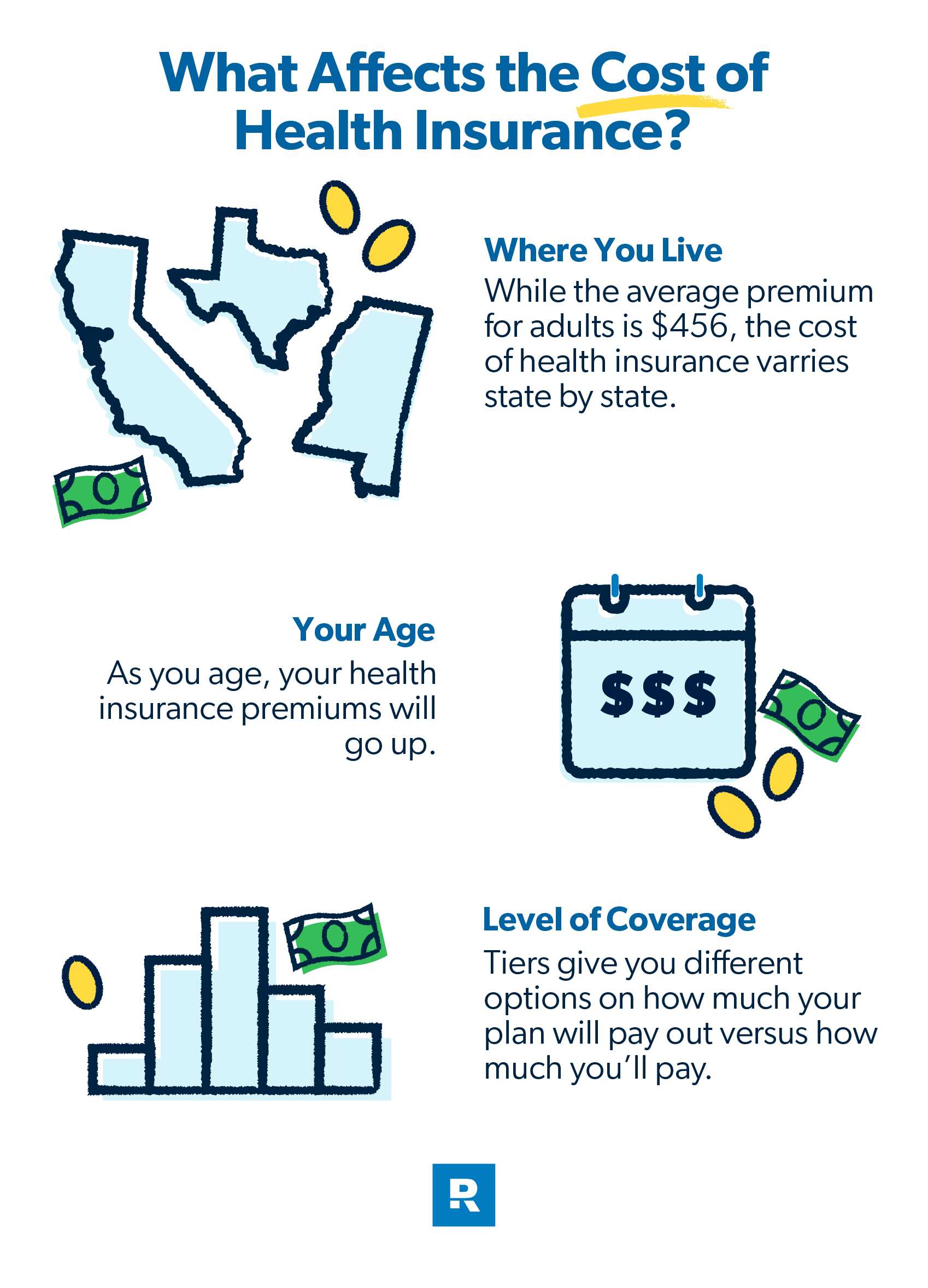
Health insurance is often one of the largest and most complex financial burdens for individuals and families. Its cost is influenced by the type of plan (HMO, PPO, EPO, POS, HDHP), deductible amount, out-of-pocket maximum, co-payments and co-insurance, age, geographic location, and whether you purchase it through an employer, a government marketplace, or privately. While the Affordable Care Act (ACA) removed pre-existing conditions as a factor in pricing, age, tobacco use, and location remain significant. The breadth of the network of providers, the inclusion of prescription drug coverage, and additional benefits like vision or dental can also push premiums higher. Understanding the balance between premium cost and potential out-of-pocket expenses is key to choosing a financially sound health plan.
Life Insurance: Valuing a Future Secure
Life insurance provides financial security for your loved ones after your passing. Its cost is primarily determined by your age, health status (medical history, current conditions, smoking habits), lifestyle (hazardous hobbies, occupation), policy type (term life is generally much cheaper than permanent policies like whole life or universal life), and the coverage amount you choose. The younger and healthier you are when you purchase a policy, the lower your premiums will be. A 30-year-old non-smoker in excellent health will pay significantly less for a $500,000 term policy than a 50-year-old smoker with a history of heart disease.
Other Key Insurances
Many other types of insurance exist, each with its own cost drivers. Disability insurance, which protects your income, is priced based on your income, occupation, age, and health. Long-term care insurance depends heavily on age, health, and the level of daily benefit and benefit period chosen. Business insurance is highly variable, depending on the industry, number of employees, revenue, assets, and specific risks faced by the business. Understanding the unique factors for each type of insurance is vital for budgeting and financial planning.
Personal Factors: Why Your Premium is Unique
Beyond the general characteristics of insurance types, your individual circumstances and personal history play a crucial role in shaping your specific premium. Insurers look at a range of personal data points to assess your individual risk profile.
Demographic Information
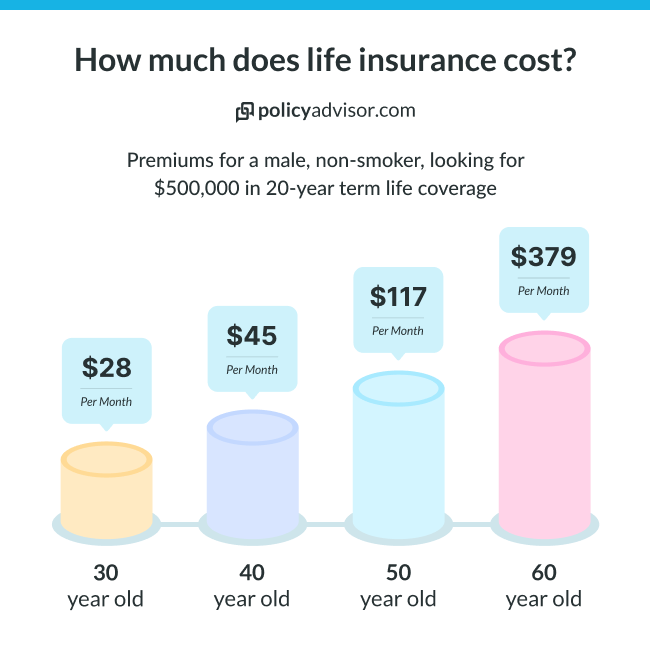
Basic demographic data can influence your rates. Age is a significant factor across almost all types of insurance; younger drivers often pay more for auto insurance, and older individuals pay more for life and health insurance. Gender, while less of a factor due to anti-discrimination laws in many areas, can still play a role in certain niche policies where actuarial data shows distinct risk patterns. Marital status can also impact rates, particularly for auto and life insurance, as married individuals are sometimes statistically seen as lower risk.
Personal History and Records
Your past actions and records are powerful predictors of future risk for insurers. A claims history with multiple past claims, regardless of fault, can lead to higher premiums across various insurance types. For auto insurance, your driving record (tickets, accidents) is paramount. In many states, your credit score or an insurance-specific credit score is used to determine premiums, as statistical data suggests a correlation between financial responsibility and lower claims frequency. For health and life insurance, your medical history is extensively reviewed, including past diagnoses, treatments, and family medical history.
Lifestyle and Habits
Your lifestyle choices and daily habits can also affect your insurance costs. If you have a hazardous occupation or engage in risky hobbies (e.g., skydiving, racing), your life and disability insurance premiums will likely be higher. For health and life insurance, smoking status is a major determinant, with smokers typically paying significantly more due to associated health risks. Even seemingly innocuous details, like the presence of a trampoline or a swimming pool in your backyard, can increase homeowners insurance premiums due to increased liability risk.
Smart Strategies to Lower Your Insurance Costs
While many factors determining insurance costs are beyond your immediate control, there are numerous proactive financial strategies you can employ to reduce your premiums without compromising essential coverage. Smart financial management of your insurance portfolio is just as important as managing investments or savings.
Shop Around and Compare Quotes
This is perhaps the single most effective strategy. Insurance markets are highly competitive, and premiums for identical coverage can vary by hundreds or even thousands of dollars between different insurers. Obtain quotes from at least three to five different companies, including large national carriers, regional providers, and online brokers. Use independent agents who can shop multiple carriers for you. Doing this regularly—perhaps once a year or every two to three years—ensures you’re always getting the best possible rate.
Adjusting Deductibles and Coverage Levels
As discussed, choosing a higher deductible can substantially lower your premium. If you have a robust emergency fund that can easily cover a $1,000 or $2,500 deductible, opting for a higher deductible can lead to significant annual savings. Similarly, evaluate your coverage levels. Do you still need full comprehensive and collision on an older car that’s not worth much? Is your homeowners’ contents coverage appropriate for your current belongings? Regularly assessing and adjusting these parameters can save you money.
Bundling Policies
Many insurers offer discounts when you purchase multiple policies (e.g., auto and home, or home and life) from the same company. This “bundling” can often result in a 5-25% discount on your overall insurance costs. It not only simplifies your insurance management but also provides a clear financial incentive.
Maximizing Discounts
Beyond bundling, inquire about all available discounts. Common discounts include:
-
Good Driver/Safe Driver: For those with clean driving records or who participate in telematics programs.
-
Home Safety Features: For homes with alarm systems, smoke detectors, deadbolts, or reinforced roofs.
-
Loyalty Discounts: For long-term customers.
-
Professional Affiliation/Employer Discounts: Through specific organizations or employers.
-
Good Student Discounts: For young drivers with high academic performance.
-
Paperless Billing/Automatic Payment Discounts: For administrative efficiency.
Always ask your agent or insurer for a full list of potential discounts.
Improving Insurability
Taking steps to become a lower risk can directly translate to lower premiums. This includes:
-
Maintaining a Good Credit Score: As credit score influences premiums in many states, financial responsibility pays off.
-
Adopting a Healthy Lifestyle: Quitting smoking, managing chronic conditions, and staying active can lower health and life insurance costs.
-
Maintaining a Clean Driving Record: Avoiding accidents and traffic violations keeps auto insurance rates down.
-
Making Home Improvements: Upgrading electrical systems, plumbing, or roofs can reduce homeowners insurance risks.
Regular Policy Review
Your life changes, and so should your insurance. Annually review your policies with your agent to ensure your coverage still aligns with your current needs and financial situation. Have you gotten married, had a child, paid off your mortgage, or started a new job? These life events warrant a policy review. Additionally, your insurer might have introduced new products or discounts you’re eligible for, or market rates might have shifted, making it a good time to re-evaluate.
Beyond the Premium: The Financial Value of Insurance
While the focus on “how much is insurance” is inherently about cost, it’s crucial to remember that insurance is not just an expense; it’s an investment in financial security. The true value of insurance often becomes apparent only when you need it most.
Risk Mitigation and Financial Stability
Insurance prevents potentially crippling financial losses. Without auto insurance, a serious accident could lead to massive out-of-pocket expenses for vehicle repairs, medical bills, and legal fees. Without health insurance, a major illness or injury could bankrupt a family. Homeowners insurance protects your most significant asset from fire, theft, or natural disasters. In essence, insurance transfers catastrophic risk from your personal balance sheet to that of the insurer, providing a crucial buffer against the unpredictable. This mitigation of risk fosters long-term financial stability, allowing you to build wealth and pursue goals without the constant threat of a single adverse event derailing your financial future.
Peace of Mind and Planning
Beyond the tangible financial protection, insurance offers invaluable peace of mind. Knowing that you and your loved ones are protected from the worst-case scenarios allows you to live with greater confidence and less anxiety. This intangible benefit facilitates better financial planning; with major risks accounted for, you can more confidently allocate funds to savings, investments, and other life goals, knowing that a safety net is in place.
Legal Requirements and Obligations
For many, certain types of insurance aren’t optional. Auto insurance is legally mandated in almost every state. If you have a mortgage, your lender will require homeowners insurance to protect their investment. Businesses are often legally required to carry various forms of liability or workers’ compensation insurance. In these cases, understanding the cost isn’t just about financial prudence; it’s about meeting legal and contractual obligations to operate within established frameworks.
Conclusion
The question “how much is insurance?” requires a multi-faceted answer, reflecting the complexity of risk, coverage, and personal circumstances. From the actuarial science that underpins premiums to the nuanced differences across various insurance types and the personal factors that make your rate unique, understanding these elements is fundamental to effective financial management. By actively engaging in strategies such as shopping around, optimizing deductibles, bundling policies, and maximizing discounts, individuals and businesses can significantly influence their insurance expenditures.
Ultimately, while the cost of insurance is a primary concern, its value extends far beyond the premium. It is a critical component of a robust financial plan, providing essential protection against unforeseen events, safeguarding assets, and offering invaluable peace of mind. Making informed decisions about your insurance means not just finding the cheapest policy, but securing the right level of financial protection at a competitive and sustainable price.
aViewFromTheCave is a participant in the Amazon Services LLC Associates Program, an affiliate advertising program designed to provide a means for sites to earn advertising fees by advertising and linking to Amazon.com. Amazon, the Amazon logo, AmazonSupply, and the AmazonSupply logo are trademarks of Amazon.com, Inc. or its affiliates. As an Amazon Associate we earn affiliate commissions from qualifying purchases.