
The question “how much do you pay for health insurance?” is deceptively simple. In reality, the answer is a complex tapestry woven from personal circumstances, policy choices, geographical location, and a myriad of other factors. For many individuals and families, health insurance premiums represent a significant line item in their monthly budget, often competing with housing, food, and transportation. Understanding these costs, and more importantly, the value they provide, is crucial for sound financial planning and maintaining peace of mind.
Health insurance isn’t merely a bill; it’s a financial shield designed to protect you from the potentially devastating costs of medical emergencies, chronic conditions, and even routine preventative care. Without it, a single unexpected illness or accident could wipe out savings, lead to insurmountable debt, and severely compromise one’s financial future. This article will delve into the intricacies of health insurance costs, helping you demystify your premiums, understand the total financial picture, and explore strategies to manage this essential expense effectively.
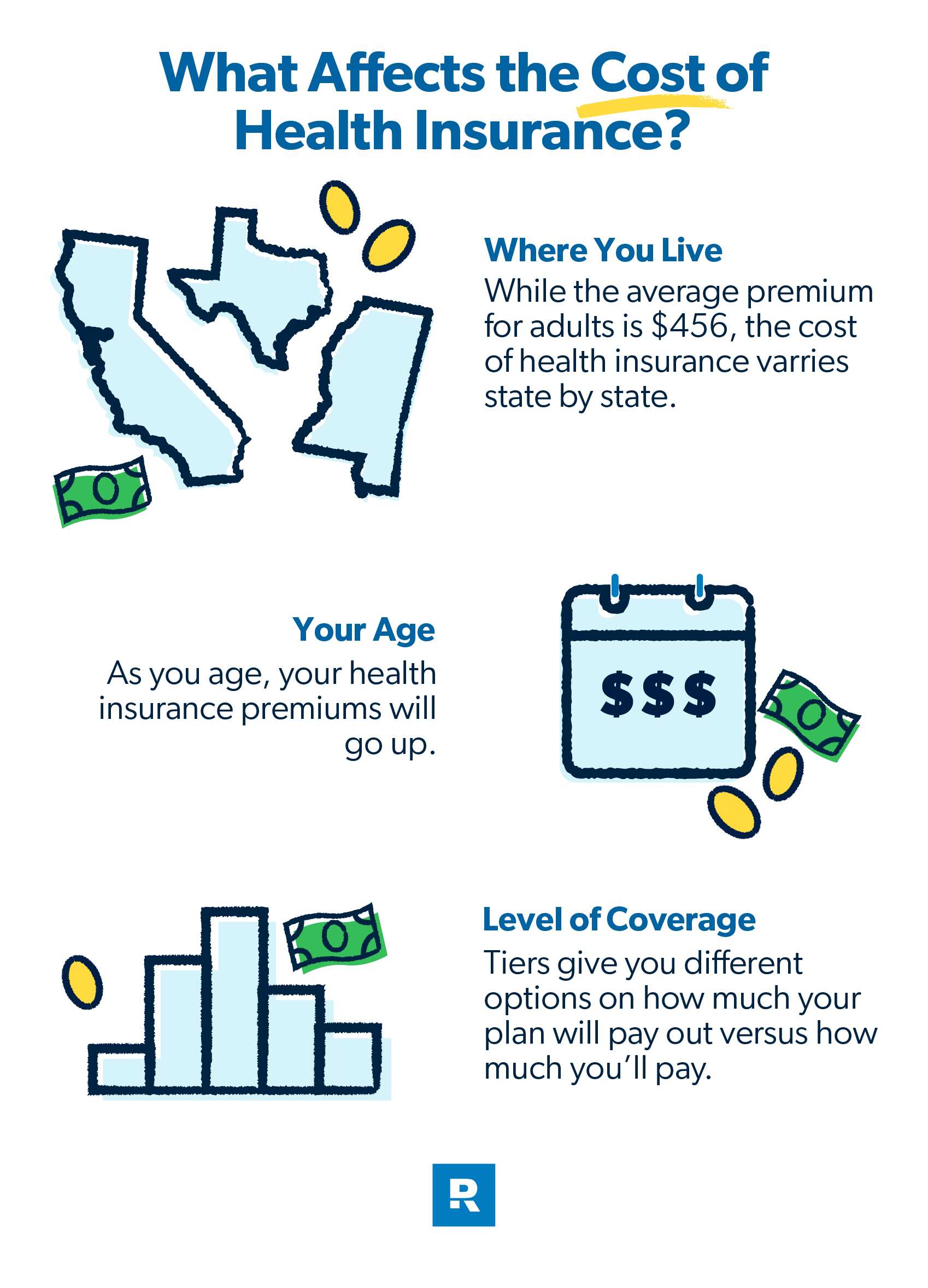
The Complex Equation: Factors Influencing Your Health Insurance Premiums
Calculating an average health insurance premium is challenging because the “average” rarely reflects an individual’s unique situation. Many variables converge to determine the final price tag for your coverage. Understanding these factors is the first step toward making informed decisions about your health insurance choices.
Age and Location: Demographic Determinants
One of the most significant predictors of your health insurance premium is your age. Generally, older individuals pay more for health insurance because they are statistically more likely to require medical care. Insurers use age-based rating curves, with premiums typically increasing significantly after age 50. However, the Affordable Care Act (ACA) introduced limits on how much more older adults can be charged compared to younger individuals (a 3:1 ratio), preventing astronomical price hikes for seniors outside of Medicare.
Geographical location also plays a pivotal role. Healthcare costs vary widely across states, counties, and even specific zip codes. Factors like the local cost of living, the number of competing healthcare providers, state regulations, and the overall health of the population in a given area can all influence premium prices. A robust, competitive market with many insurers and providers might lead to lower costs, while a concentrated market could see higher premiums.
Plan Type and Coverage Level: The Core Choices
The type of health insurance plan you choose is perhaps the most direct determinant of your premium. Plans are broadly categorized by their structure and how they manage care:
-
HMOs (Health Maintenance Organizations): Often have lower premiums but require you to choose a primary care provider (PCP) within their network and get referrals for specialists.
-
PPOs (Preferred Provider Organizations): Typically offer more flexibility, allowing you to see specialists without a referral and often cover out-of-network care (though at a higher cost), but usually come with higher premiums.
-
EPOs (Exclusive Provider Organizations): Similar to PPOs in flexibility but generally don’t cover out-of-network care, balancing cost and choice.
-
POS (Point of Service) Plans: A hybrid, offering some PPO-like flexibility with HMO-like cost management.
-
HDHPs (High-Deductible Health Plans): Characterized by lower monthly premiums but much higher deductibles. These are often paired with Health Savings Accounts (HSAs), which can offer significant tax advantages.
Beyond the plan type, the level of coverage also impacts cost. Under the ACA, plans are categorized into metal tiers: Bronze, Silver, Gold, and Platinum.
-
Bronze plans have the lowest premiums but the highest deductibles and out-of-pocket costs, covering approximately 60% of medical expenses.
-
Platinum plans have the highest premiums but the lowest deductibles and out-of-pocket costs, covering roughly 90%.
-
Silver plans are a popular middle ground, covering about 70% of costs and being the only tier eligible for cost-sharing reductions.
Tobacco Use and Health Status: Lifestyle and Risk
While the ACA largely prohibits insurers from charging more based on pre-existing conditions (except for specific grandfathered plans), tobacco use remains a factor. Insurers are permitted to charge tobacco users up to 50% more than non-users, reflecting the higher health risks associated with smoking. It’s a significant surcharge designed to offset the increased likelihood of costly medical interventions.
For employer-sponsored plans, some companies offer wellness programs or premium discounts for participating in health assessments or demonstrating healthy behaviors. These are usually voluntary but can influence your personal contribution to the premium.
Provider Network and Deductibles: Cost-Sharing Mechanisms
The size and breadth of a plan’s provider network can also affect premiums. Plans with extensive networks of doctors and hospitals may cost more due to the broader access they provide. Conversely, more restrictive networks might translate to lower premiums.
Finally, the deductible—the amount you must pay out-of-pocket for covered healthcare services before your insurance plan starts to pay—is inversely related to your premium. A higher deductible typically means a lower monthly premium, and vice-versa. This is a critical financial trade-off to consider: are you comfortable paying more upfront for care in exchange for lower monthly costs, or do you prefer higher monthly payments for more immediate coverage once medical needs arise?
Navigating the Landscape: Types of Health Insurance Plans and Their Costs
The market for health insurance is diverse, with various avenues through which individuals and families can secure coverage. Each pathway comes with its own cost structure, eligibility requirements, and benefits.
Employer-Sponsored Plans: The Most Common Route
For many Americans, employer-sponsored health insurance is the primary source of coverage. Companies often subsidize a significant portion of the premiums, making these plans generally more affordable than those purchased directly by individuals. The employer typically covers 70-80% of the premium for individual coverage and a slightly lower percentage for family plans.
Your cost in an employer-sponsored plan is your share of the premium, which is usually deducted directly from your paycheck. The specific plans offered, the range of options (HMO, PPO, HDHP), and the employee contribution vary widely by company size, industry, and location. While often a cost-effective choice, employees have limited control over the plan’s design or carrier.
Marketplace (ACA) Plans: Subsidies and Choices
The Health Insurance Marketplace, established under the Affordable Care Act (ACA), provides a platform for individuals and families to purchase health insurance if they don’t have access to employer-sponsored plans, Medicare, or Medicaid. These plans are available directly from insurance companies or through state and federal marketplaces (Healthcare.gov).
A crucial aspect of Marketplace plans is the availability of subsidies, specifically Premium Tax Credits and Cost-Sharing Reductions.
-
Premium Tax Credits (PTC) help lower your monthly premium payment. Eligibility is based on household income relative to the federal poverty level (FPL). Many individuals earning between 100% and 400% of the FPL qualify for significant tax credits, which can drastically reduce their out-of-pocket premium costs.
-
Cost-Sharing Reductions (CSR) are available only with Silver plans for those earning up to 250% of the FPL. CSRs reduce the amount you have to pay for deductibles, copayments, and coinsurance, making Silver plans exceptionally good value for eligible individuals.
Without subsidies, Marketplace plans can be quite expensive, reflecting the full cost of insurance.
Medicare and Medicaid: Government-Backed Safety Nets
Medicare is a federal health insurance program primarily for people aged 65 or older, younger people with certain disabilities, and people with End-Stage Renal Disease. It consists of several parts, each with its own cost structure:
-
Part A (Hospital Insurance): Often premium-free if you or your spouse paid Medicare taxes for a sufficient period.
-
Part B (Medical Insurance): Has a standard monthly premium (which can be higher for higher incomes) and a deductible.
-
Part C (Medicare Advantage): Private plans that combine A, B, and often D. Premiums vary widely by plan and provider.
-
Part D (Prescription Drug Coverage): Private plans with varying premiums and formularies.
Medicaid is a joint federal and state program that provides health coverage to millions of low-income Americans, including children, pregnant women, elderly adults, and people with disabilities. Eligibility and benefits vary by state, as states have the option to expand their Medicaid programs under the ACA. For eligible individuals, Medicaid typically offers very low or no monthly premiums and minimal out-of-pocket costs, acting as a critical safety net.
Short-Term and Other Alternative Plans: Niche Solutions
For individuals facing temporary coverage gaps or those seeking highly affordable (though often less comprehensive) options, short-term health insurance plans can be considered. These plans typically have much lower premiums but offer limited benefits, high deductibles, and often do not cover pre-existing conditions or essential health benefits mandated by the ACA. They are designed as a temporary bridge, usually lasting for a few months to a year, and are not a substitute for comprehensive long-term coverage.
Other alternatives include faith-based health care sharing ministries, which are not insurance but cooperative models for sharing medical costs, and limited-benefit plans. These options generally come with lower costs but also significant limitations and risks that individuals must carefully evaluate.

Beyond the Premium: Understanding Your Total Out-of-Pocket Costs
While the monthly premium is the most visible cost of health insurance, it’s only one piece of the financial puzzle. To truly understand “how much you pay,” you must consider the range of out-of-pocket expenses that come into play when you actually use your insurance. Ignoring these can lead to nasty financial surprises.
Deductibles: Your Initial Spend
The deductible is the amount you must pay for covered healthcare services before your insurance plan starts to pay. For example, if your plan has a $3,000 deductible, you would typically pay the first $3,000 of covered medical expenses yourself each year before your insurance company begins to contribute. This can apply to hospital stays, surgeries, and specialized tests. Preventative services, however, are often covered at 100% even before you meet your deductible.
Copayments and Coinsurance: Shared Costs for Services
Once your deductible is met (or for services not subject to a deductible, like many doctor’s visits), you’ll typically encounter copayments and coinsurance:
-
Copayment (Copay): A fixed dollar amount you pay for a covered healthcare service after you’ve paid your deductible (if applicable). For example, a $30 copay for a doctor’s visit or a $15 copay for a generic prescription.
-
Coinsurance: A percentage of the cost of a covered healthcare service you pay after you’ve paid your deductible. If your coinsurance is 20% and your plan pays 80% for a service that costs $1,000, you’d pay $200 (20%) after meeting your deductible.
These costs can add up, especially if you have frequent medical needs or require expensive treatments.
Out-of-Pocket Maximums: Your Financial Ceiling
The out-of-pocket maximum (or limit) is a critical protection. This is the most you’ll have to pay for covered services in a plan year. Once you reach this limit, your health insurance plan will pay 100% of the costs of covered benefits for the remainder of the year. This cap includes deductibles, copayments, and coinsurance. It provides a financial ceiling, ensuring that even in the face of catastrophic illness, your personal medical expenses won’t bankrupt you. The ACA sets annual limits for out-of-pocket maximums for marketplace plans, offering a crucial layer of financial security.
Hidden Costs: Prescription Drugs and Non-Covered Services
Beyond these primary cost-sharing elements, other expenses can contribute to your total healthcare burden:
-
Prescription Drugs: While many plans include prescription drug coverage, different drugs fall into various “tiers” (generic, preferred brand, non-preferred brand, specialty), each with its own copay or coinsurance. High-cost specialty drugs can still be very expensive, even with insurance.
-
Non-Covered Services: Some services may not be covered by your plan at all, meaning you’re responsible for 100% of the cost. This could include cosmetic procedures, experimental treatments, or specific types of alternative therapies. Always check your plan’s “Explanation of Benefits” or contact the insurer to confirm coverage.
-
Out-of-Network Costs: If you have a PPO and choose to see an out-of-network provider, your plan might cover a smaller percentage of the cost, leaving you with a larger bill. HMOs and EPOs often offer no coverage for out-of-network care except in emergencies.
Strategies for Smarter Spending: How to Reduce Your Health Insurance Burden
Navigating health insurance costs doesn’t have to be a passive exercise. There are proactive steps you can take to potentially lower your expenses while still ensuring adequate coverage.
Leveraging Subsidies and Tax Credits
For individuals and families purchasing insurance through the Health Insurance Marketplace, thoroughly investigate your eligibility for Premium Tax Credits and Cost-Sharing Reductions. Many people overestimate their ability to pay or underestimate the financial assistance available. Even if you think your income is too high, it’s always worth checking on Healthcare.gov or your state’s exchange during open enrollment. These subsidies can transform seemingly unaffordable premiums into manageable ones.
Choosing the Right Plan for Your Needs
Don’t automatically opt for the cheapest premium or the most comprehensive plan. Instead, assess your anticipated healthcare needs for the coming year:
-
If you are generally healthy and rarely visit the doctor: A high-deductible health plan (HDHP) with a lower premium might be cost-effective, especially if paired with an HSA.
-
If you have chronic conditions or anticipate frequent doctor visits/medications: A plan with higher premiums but lower deductibles and copays (like a Gold or Platinum plan) might save you money in the long run.
-
If your income qualifies you for Cost-Sharing Reductions: A Silver plan is almost always the best value, as it provides enhanced benefits that no other metal tier offers at the same income level.
Consider what matters most to you: network flexibility, specific doctors, prescription drug coverage, or maximum financial predictability.
Maximizing Health Savings Accounts (HSAs) and Flexible Spending Accounts (FSAs)
If you have an HDHP, you are likely eligible for a Health Savings Account (HSA). HSAs offer a triple tax advantage:
-
Contributions are tax-deductible.
-
Earnings grow tax-free.
-
Withdrawals for qualified medical expenses are tax-free.
This makes HSAs a powerful tool for saving for future medical costs and can effectively reduce your taxable income.
For those with other types of plans (or those with HDHPs who also have an FSA through an employer, though rules apply), a Flexible Spending Account (FSA) allows you to set aside pre-tax money from your paycheck to pay for qualified medical expenses. While HSAs are portable and roll over year to year, FSAs typically have a “use it or lose it” rule, though some plans allow a grace period or a small rollover amount. Both HSAs and FSAs can significantly reduce your out-of-pocket burden by using pre-tax dollars for medical costs.
Proactive Healthcare and Preventative Measures
While seemingly unrelated to premiums, staying healthy can indirectly lower your overall healthcare costs. Regular preventative care (annual physicals, screenings, vaccinations) is often covered 100% by insurance and can detect issues early before they become serious and expensive. Managing chronic conditions diligently, adhering to medication schedules, and adopting healthy lifestyle choices can reduce the need for emergency care or costly interventions down the line.
The Value Proposition: Why Health Insurance is a Financial Imperative
Ultimately, the question “how much do you pay for health insurance” must be balanced against “what value do I receive?” In a world where medical costs can spiral out of control in an instant, health insurance is not just a benefit; it’s a fundamental pillar of personal financial security.
Protecting Against Catastrophic Costs
The most compelling reason to carry health insurance is its ability to protect you from catastrophic medical expenses. An unexpected surgery, a serious accident, or a diagnosis of a major illness can easily lead to bills in the tens or hundreds of thousands of dollars. Without insurance, these costs can lead to bankruptcy, home foreclosure, and a lifetime of debt. Health insurance, especially with a robust out-of-pocket maximum, ensures that your financial liability is capped, preserving your assets and your future.
Access to Preventative Care
Beyond emergency protection, health insurance provides access to essential preventative care that keeps you healthy and can catch potential problems early. Annual check-ups, immunizations, screenings (like mammograms and colonoscopies), and wellness visits are often covered at no additional cost. These services are invaluable for maintaining long-term health, improving quality of life, and preventing more serious (and expensive) conditions from developing. Investing in preventative care now can save you significant money and suffering down the road.

Peace of Mind and Financial Security
Perhaps the most intangible yet powerful benefit of health insurance is the peace of mind and financial security it provides. Knowing that you and your family are covered in case of illness or injury alleviates a tremendous source of stress. It allows you to focus on recovery rather than worrying about mounting medical bills. For comprehensive personal finance planning, having adequate health insurance is as crucial as having an emergency fund or retirement savings—it safeguards all other financial goals by protecting your most valuable asset: your health.
In conclusion, the cost of health insurance is a multifaceted financial consideration influenced by a complex interplay of personal, geographical, and policy-related factors. While premiums can be substantial, understanding the full spectrum of out-of-pocket costs, leveraging available subsidies, and strategically choosing a plan can help manage this essential expense. Ultimately, the investment in health insurance is a critical component of a robust financial strategy, offering invaluable protection against unforeseen medical crises and ensuring access to the care needed to maintain well-being and financial stability.
aViewFromTheCave is a participant in the Amazon Services LLC Associates Program, an affiliate advertising program designed to provide a means for sites to earn advertising fees by advertising and linking to Amazon.com. Amazon, the Amazon logo, AmazonSupply, and the AmazonSupply logo are trademarks of Amazon.com, Inc. or its affiliates. As an Amazon Associate we earn affiliate commissions from qualifying purchases.